Website: Europe.com

  • Insights from Metals Day 2026: Strengthening EU Competitiveness through Circular Economy

    Insights from Metals Day 2026: Strengthening EU Competitiveness through Circular Economy

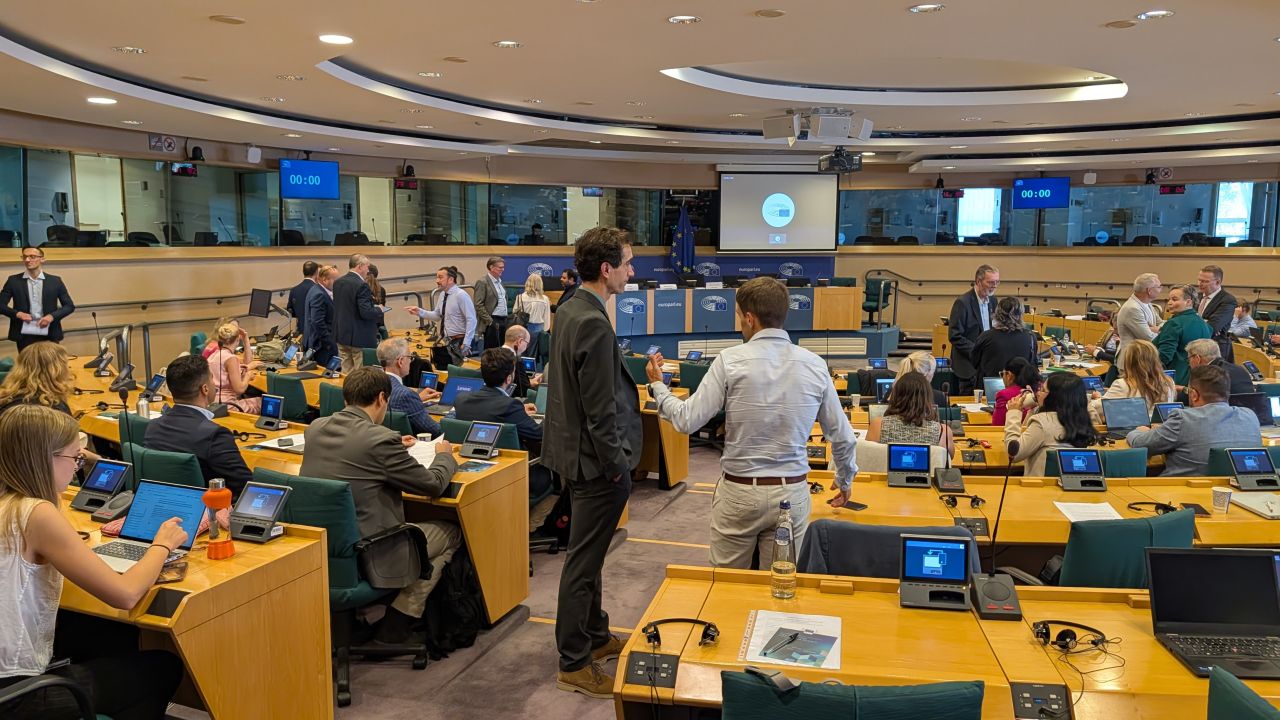
    The recent Metals Day 2026 dinner, hosted by European Metals, brought together key stakeholders from the mining and metals industry, policymakers, and researchers to discuss the future of raw materials in Europe. The event featured significant contributions from MEPs and industry leaders, focusing on the need for a holistic approach to the circular economy that goes beyond environmental concerns to encompass competitiveness and autonomy. MEP Bruno Tobback emphasised the importance of thinking in ecosystems rather than sectors, warning that Europe risks merely ‘managing the grind’ instead of laying down new foundations for sustainable growth. He highlighted the success of the wind energy sector, which employs approximately half a million people in Europe, as a case study for effective ecosystem thinking.

    The discussion also touched on the upcoming Commission proposal set for 11 November, which will initiate the amendment process in Parliament. MEP Rasmus Nordqvist stressed the significance of prioritising reduction and reuse before recycling in the waste hierarchy, advocating for more stringent trade measures on scrap exports. Industry representatives, including Ruth Lambrechts, President of the European Precious Metals Federation (EPMF), outlined concrete asks from the sector, such as the establishment of a true single market for raw materials and the necessity of treating critical metals collectively to enhance recycling viability.

    The event underscored the importance of collaboration between industry and policymakers to create a robust framework that supports the recycling of metals and the importation of waste streams containing critical raw materials. As the EU prepares to address these issues, the insights shared at Metals Day 2026 will play a crucial role in shaping future policies and initiatives aimed at strengthening the EU’s sustainable competitiveness in the global market. The 10th MINEX Europe Mining & Exploration Forum, scheduled for 27-29 October in Ireland, will further explore these themes, with European Metals set to chair some of the Forum’s most challenging sessions.
  • Finland’s Keliber Project: Bridging the Gap in Europe’s Lithium Supply Chain

    Finland’s Keliber Project: Bridging the Gap in Europe’s Lithium Supply Chain

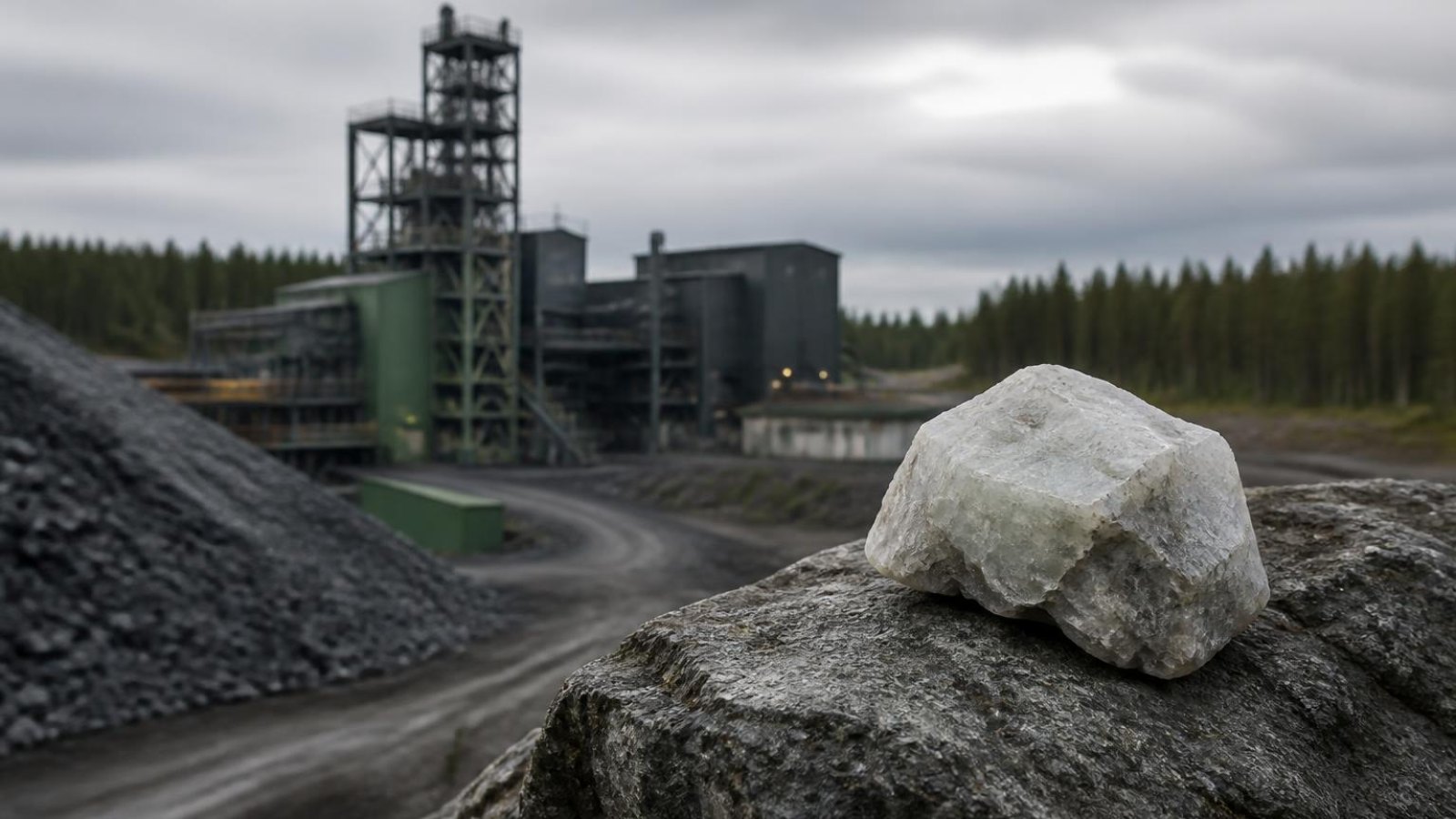
    Finland’s integrated lithium project, Keliber, exemplifies the challenges faced in converting strategic ambitions into commercially viable production. While Europe has made strides in identifying critical materials and facilitating their development through initiatives like the Critical Raw Materials Act, the real test lies in the execution of these projects. Keliber has made significant progress, with mining operations commencing at Syväjärvi and the commissioning of a lithium hydroxide refinery in Kokkola. However, the project faces a crucial hurdle: the ability to activate its downstream capacity with sufficient commercial confidence.

    Sibanye-Stillwater, the company behind the project, has adopted a phased commissioning approach, prioritising stable mining and the production of spodumene concentrate before ramping up to battery-grade lithium hydroxide. This cautious strategy reflects a rational capital discipline, but it raises important questions for Finland and Europe regarding the viability of the entire lithium value chain.

    Keliber has successfully navigated the initial stages of project development, including securing financing and constructing the necessary infrastructure. By mid-2026, it had spent €719 million of its €783 million budget, marking a significant achievement in a European context where many mining projects struggle to progress. However, as the project advances, the nature of risk evolves, shifting from geological and construction risks to operational and market risks.

    The project can be understood through five critical conversion gates, each representing a stage in the transition from geological potential to market-ready products. The first gate, from geological potential to mineable resource, has largely been passed, with mining operations underway and further deposits identified. The second gate, involving the establishment of industrial infrastructure, has also been successfully navigated, thanks to substantial public and private investment.

    As Keliber moves towards stable concentrate production, the focus shifts to ensuring that the produced material meets market specifications. The third gate highlights the importance of operational consistency, as the concentrator must produce on-spec spodumene to be commercially viable. The fourth gate, from concentrate to qualified battery material, presents the largest industrial value step, requiring the refinery to demonstrate its ability to produce battery-grade lithium hydroxide consistently.

    The final gate, from qualified output to bankable demand, poses the most significant challenge. Without binding long-term contracts for lithium hydroxide, the project risks remaining in a state of partial conversion, providing only spodumene concentrate rather than the integrated battery-grade supply that Europe needs. This situation underscores the need for a commercially credible bridge between production and market demand, as Europe seeks to enhance its resilience in the critical materials sector.

    Ultimately, Keliber serves as a crucial case study for Europe’s critical-materials strategy, highlighting the need for ongoing evolution in policy and market mechanisms to ensure that projects like this can fully realise their potential. The next two years will be pivotal for Keliber, as it seeks to secure long-term offtake agreements and prove that it can transition from construction to full operational capacity, thereby addressing Europe’s conversion problem in the critical materials landscape.


  • Can Europe decarbonise without Chinese cleantech?

    Can Europe decarbonise without Chinese cleantech?

    In a recent episode of the RAW MATTERS podcast, Agathe Destresse from the European Climate Foundation emphasised the urgent need for Europe to reconsider its approach to critical metal supply chains in the context of the green transition. The discussion, hosted by Peter Tom Jones and featuring Victor van Hoorn, Director of Cleantech for Europe, delves into the challenges and opportunities facing Europe’s cleantech industry as it seeks to achieve climate neutrality.

    The episode raises pivotal questions about the sustainability of Europe’s reliance on imported cleantech products, such as electric vehicles (EVs), batteries, and solar panels. Destresse argues that while it may seem straightforward to import these technologies from China, this approach could jeopardise Europe’s industrial base, job market, and innovation capacity. The hosts explore whether Europe’s cleantech industry is thriving or merely surviving in the shadow of China’s dominance in sectors like batteries, solar photovoltaic (PV) technology, and advanced manufacturing.

    A significant focus of the conversation is on the role of critical minerals, which are often overlooked in discussions about the climate transition. The hosts highlight that without a secure supply of minerals such as lithium and rare earths, Europe cannot hope to maintain a competitive edge in cleantech. They stress that the continent faces a crucial decision: to become a technology maker, developing its own capabilities, or to remain a technology taker, dependent on external sources.

    The podcast also outlines the necessary steps Europe must take before 2030 to ensure its competitiveness in the global cleantech market. This includes developing a robust industrial strategy that prioritises the sourcing and processing of critical minerals within Europe, thereby enhancing economic resilience and autonomy. The conversation serves as a wake-up call for policymakers and industry leaders to recognise the foundational role of minerals in achieving Europe’s ambitious climate goals.

    As Europe stands at a crossroads, the choices made in the coming years will determine whether it can successfully navigate the complexities of the green transition and secure its position as a leader in the global cleantech economy.


  • Protests Erupt Across Finland Against Sakatti Mining’s Threat to Viiankiaapa Conservation Area

    Protests Erupt Across Finland Against Sakatti Mining’s Threat to Viiankiaapa Conservation Area

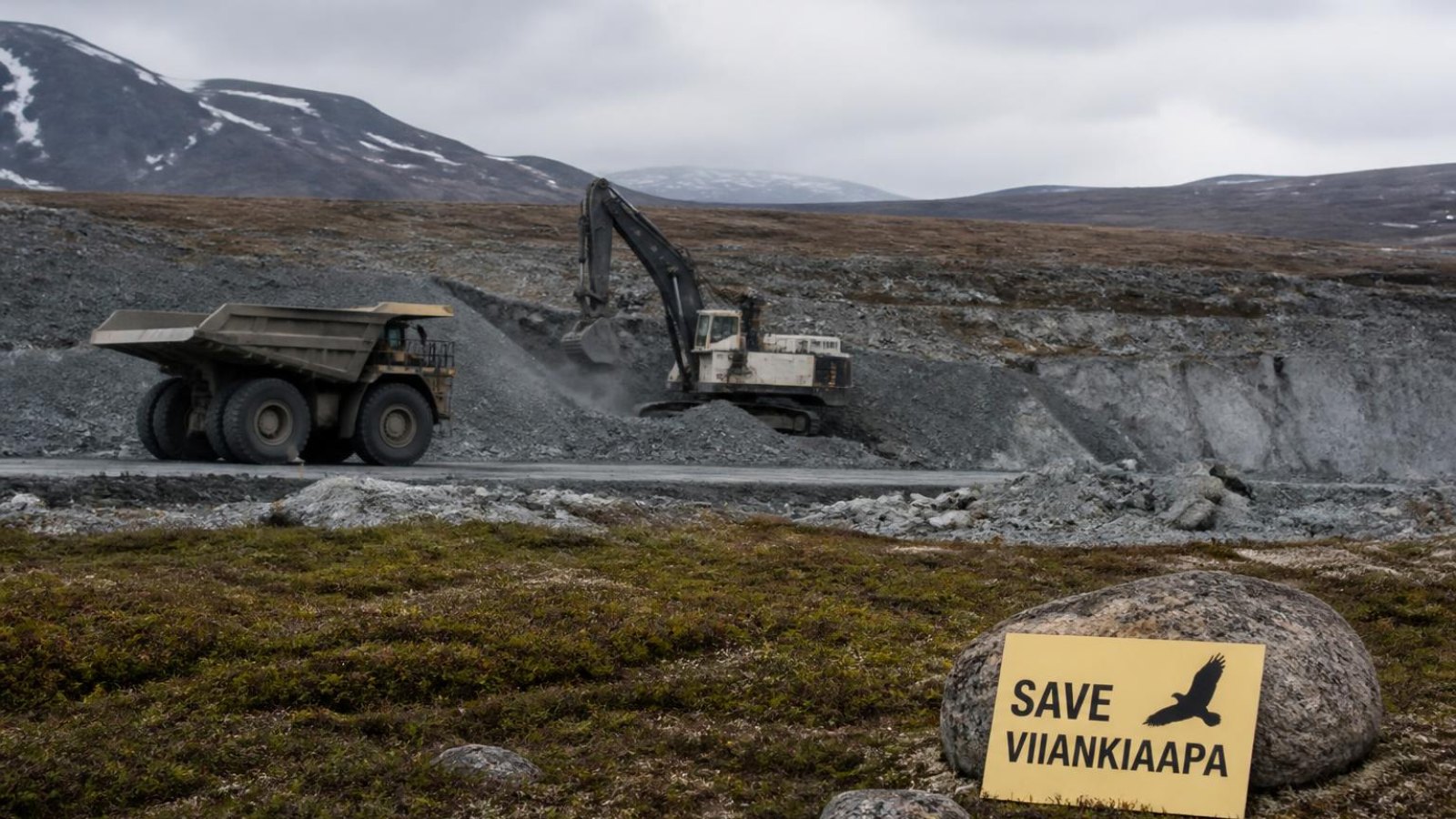
    On Saturday, September 26, protests under the banner ‘Save Viiankiaapa’ are set to take place across various cities in Finland, including Helsinki, Turku, and Oulu. These demonstrations aim to urge the Finnish Parliament to reject Sakatti Mining’s proposed mining project and to prevent the government from granting exemptions to the Natura 2000 conservation regulations. The proposed mining site threatens the internationally significant Viiankiaapa conservation area located in Sodankylä, which is protected under both the EU’s Natura 2000 network and Finland’s wetland protection laws.

    Viiankiaapa is renowned for its unique ecosystem, serving as a breeding ground for several endangered bird species, including the critically endangered black-tailed godwit and the globally threatened snipe. Environmental advocates, including Greenpeace Finland’s country director, Touko Sipiläinen, have voiced strong opposition to the mining project, asserting that compromising the area’s integrity for mining operations would set a dangerous precedent for conservation efforts throughout Finland.

    The planned multi-metal mine by Sakatti Mining poses significant risks to the delicate ecosystem, water cycles, and unique biodiversity of the Viiankiaapa area. Finnish authorities, including Metsähallitus and the Lapland ELY Centre, have expressed concerns that the mine could severely degrade the area’s natural values. Furthermore, international mining companies have sought exploration permits in fifteen protected areas, raising fears that any exemptions granted for Viiankiaapa could lead to similar mining activities in other conservation zones.

    The protests are supported by various organisations, including the Finnish Nature League, WWF Finland, and BirdLife Finland, highlighting widespread public opposition to mining in protected areas. A recent survey indicated that 79% of Finns oppose the establishment of mines in conservation zones, a sentiment that advocates hope will influence decision-making regarding mining operations in Finland. The ‘Save Viiankiaapa’ protests are expected to be a significant statement in favour of Finnish environmental conservation this autumn.


  • Exploring Europe’s Rare Earths Success Story: Insights from Neo Performance Materials’ Vasileios Tsianos

    Exploring Europe’s Rare Earths Success Story: Insights from Neo Performance Materials’ Vasileios Tsianos

    In a recent episode of the RAW MATTERS podcast, Vasileios Tsianos, Senior Vice President of Neo Performance Materials, shared his insights on the evolving landscape of rare earth elements (REEs) in Europe. The discussion, co-hosted by Peter Tom Jones and Agathe Destresse, highlighted Estonia’s emerging role as a leader in the REE supply chain, despite Europe still lacking a producing rare-earth mine, a situation often referred to as ‘Europe’s Rare-Earth Paradox.’ Tsianos, known for his optimistic outlook, elaborated on how Estonia has developed one of the most advanced REE value chains outside of China, encompassing processes from separation and metallisation to alloy production and magnet manufacturing.

    The podcast episode sheds light on the achievements of Silmet, a key player in Estonia’s REE sector, which has been instrumental in building a substantial part of the REE supply chain in Europe. This development is particularly significant given the increasing global demand for critical minerals, which are essential for energy and digital transformation technologies. Tsianos, who has an extensive background in various sectors including management consulting and investment banking, emphasised the importance of local production capabilities in reducing dependency on external sources and enhancing Europe’s strategic autonomy in critical minerals.

    Listeners are encouraged to explore the full episode available on YouTube and Spotify, where Tsianos provides further insights into the challenges and opportunities facing the European REE market. The conversation not only addresses the current state of the industry but also offers a hopeful perspective on future developments, making it a must-listen for stakeholders in the mining and materials sectors. As Europe grapples with social opposition to mining and missed opportunities, Tsianos’ insights provide a refreshing narrative of progress and potential in the critical minerals landscape.


  • Metlen to Invest €25 Million in Expanding Recycled Aluminium Operations in Greece

    Metlen to Invest €25 Million in Expanding Recycled Aluminium Operations in Greece

    Metlen has announced plans to invest nearly €25 million to enhance its recycled aluminium operations in Greece. This significant investment will be channelled through its subsidiary, EPALME, which is recognised as one of the largest independent producers of recycled aluminium in the country. The funds will be used to acquire advanced automated sorting, processing, and melting equipment, enabling the plant to manage more complex scrap streams, particularly post-consumer aluminium sourced from end-of-life products.

    The upgraded facility will serve as a central hub for the collection, sorting, and pre-processing of scrap aluminium, thereby streamlining operations and increasing efficiency. Additionally, Metlen’s Aluminium of Greece plant will complement these efforts by providing the necessary scale to transform the recycled metal into high-value products. This integrated approach is designed not only to boost production capabilities but also to enhance profit margins while simultaneously reducing the environmental impact associated with primary metal production.

    Once fully operational, the project is expected to elevate total production capacity to over 250,000 tonnes, marking a significant milestone in Metlen’s commitment to sustainable practices within the aluminium sector. This investment underscores the growing importance of recycling in the mining and metals industry, as companies increasingly seek to balance profitability with environmental responsibility. The move aligns with broader trends in the industry, where the demand for recycled materials is on the rise, driven by both regulatory pressures and consumer preferences for sustainable products.


  • Pela Global Limited Partners with Macedonian Academy for Sustainable Mining Practices

    Pela Global Limited Partners with Macedonian Academy for Sustainable Mining Practices

    Pela Global Limited (PELA) has formalised its commitment to environmental stewardship and responsible mining practices in North Macedonia by signing a Memorandum of Understanding (MoU) with the Research Center for Environment and Materials at the Macedonian Academy of Sciences and Arts (RCEM-MASA). This partnership aims to enhance the Krstov Dol Antimony Project as it progresses through exploration and resource validation. The MoU establishes a framework for collaboration with RCEM-MASA and an international team of researchers from North Macedonia, Europe, and Australia, focusing on environmental research, rehabilitation, and sustainable natural resource management.

    The collaboration is set to position the Krstov Dol site as a significant case study in the rehabilitation of legacy mining areas, utilising modern environmental science to inform new management approaches for tailings and mine waste that meet international standards. PELA’s environmental programme is designed to provide a comprehensive understanding of the project’s conditions, including surface water, groundwater, soils, biodiversity, and historical site infrastructure.

    This initiative will support responsible project design and identify opportunities for improved management and reclamation of historical tailings material, where technically and environmentally feasible. PELA’s Managing Director, Nik Jovanovski, emphasised that responsible project development starts with sound science and transparent engagement, highlighting the importance of understanding the site’s history before any construction or mining decisions are made.

    The Krstov Dol site, a historical mining area, presents a unique opportunity to apply contemporary environmental, engineering, and community standards to future project designs and the management of existing site features. Jovanovski noted that partnering with RCEM-MASA and international researchers will allow PELA to contribute new scientific insights into the rehabilitation of legacy mining areas, with potential relevance for similar sites both in North Macedonia and globally.

    RCEM-MASA’s Head Academician, Valentin Mirceski, echoed these sentiments, stating that North Macedonia has numerous historical mining and tailings sites that would benefit from modern environmental assessments. He expressed optimism that the findings from Krstov Dol, through rigorous environmental characterisation and monitoring, could enhance the understanding of legacy mining sites both nationally and internationally. Mirceski welcomed the cooperation based on transparency and scientific integrity, affirming the Academy’s role in providing independent scientific expertise and supporting robust research methodologies.


  • Call for Strategic Collaboration in Germany’s Resource Policy

    Call for Strategic Collaboration in Germany’s Resource Policy

    In a recent address to the Federal Working Group on Resource Policy of the CDU e.V., Stefan Müller, CEO of a leading industry organisation, emphasised the urgent need for a cohesive strategy between politics and industry to secure Germany’s industrial future. He warned that without a bold raw materials strategy, the country risks jeopardising its competitive edge in the global market. Müller highlighted that Germany’s industrial competitiveness increasingly hinges on the reliable, diversified, and long-term availability of critical raw materials.

    The current reality starkly contrasts with the ambitions set forth by European goals. According to the European Investment Bank (EIB), approximately €2 billion annually is needed for exploration to meet these targets; however, from 2015 to 2024, the average investment has only been around €200 million per year. This significant funding gap raises concerns about Germany’s preparedness in securing critical resources.

    Müller pointed out that while other economic regions are employing extensive state instruments to secure critical raw materials, Germany’s current resource fund is limited to a target endowment of €1.5 billion. The reliance on specific supplier countries is not merely an economic issue but has evolved into a matter of resilience, foreign, and security policy. The European Commission has already warned of potential production losses, factory closures, and job losses due to export controls.

    To address these challenges, Müller outlined several necessary actions: adjusting the KfW Resource Fund to meet actual exploration needs, establishing a dedicated exploration programme, recognising resource procurement as a key element of foreign and security policy, expediting due diligence processes for approved projects, and considering strategic value and resilience alongside traditional returns in funding decisions. He also called for active partnerships in resource management, spanning from exploration to processing.

    Müller concluded by stressing that resource security does not happen by chance; it requires capital, strategic partnerships, and political determination. The DGWA is ready to facilitate the collaboration between industry and politics to ensure Germany’s resource security and industrial future.


  • Ensuring the Future of Europe’s Energy-Intensive Industries Through EU ETS Reform

    Ensuring the Future of Europe’s Energy-Intensive Industries Through EU ETS Reform

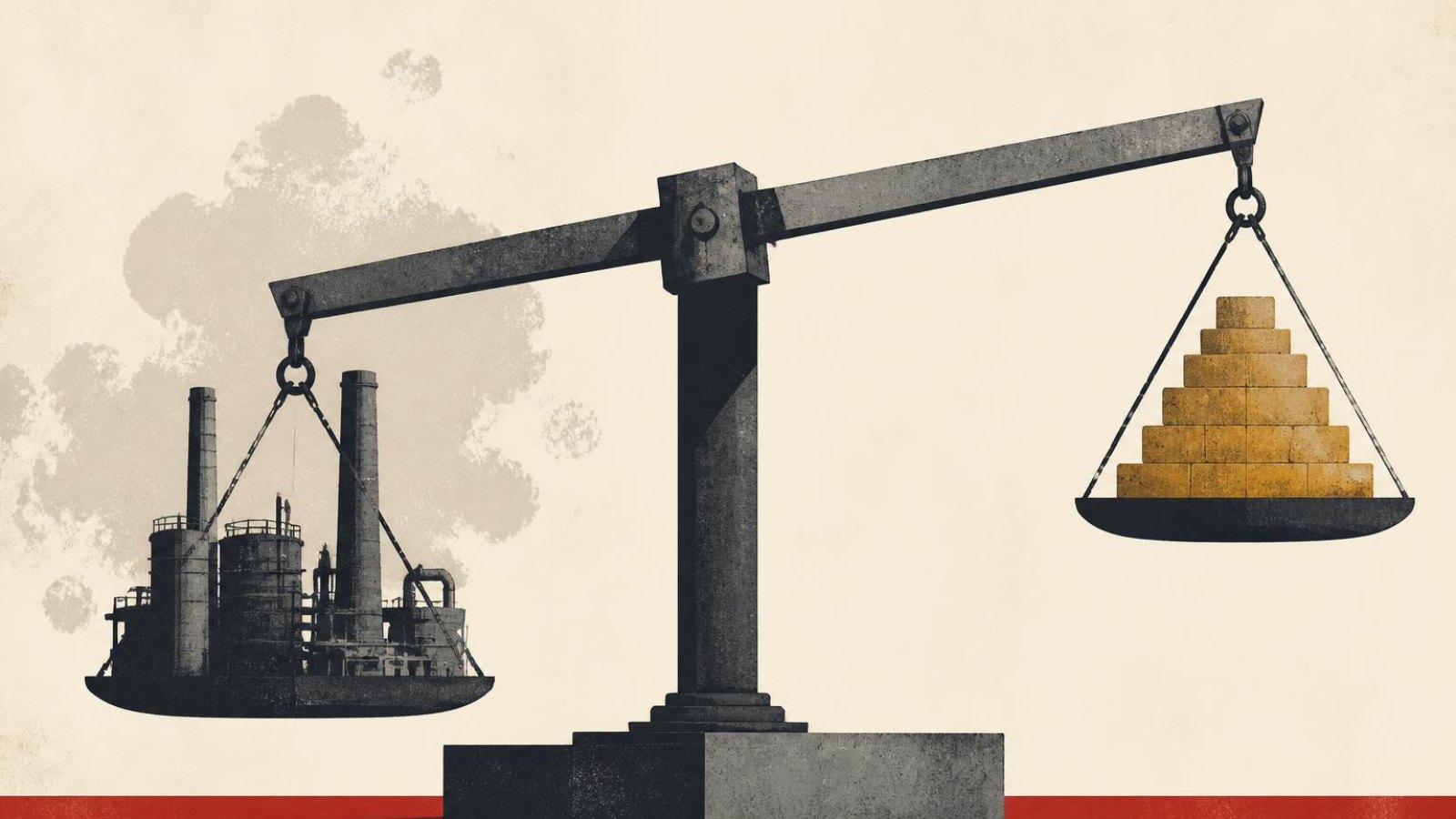
    The European Union (EU) is prioritising the restoration of industrial competitiveness, attracting investment, and securing the future of its energy-intensive industries through a significant revision of the EU Emission Trading Scheme (ETS). This reform is deemed crucial for shaping the investment and production landscape well into the 2030s. Stakeholders are urging the European Parliament and Member States to take adequate time for a thorough and thoughtful revision of the current legislative proposal, emphasising the importance of maintaining unconditional free allocation of allowances to protect against carbon leakage risks.

    The EU’s energy-intensive industries are currently facing immense pressure from various challenges, including high energy costs, unfair trade practices, geopolitical uncertainties, weak demand, and a challenging investment environment. As a result, industrial production has seen a decline across several key value chains, and unlocking the necessary investments to transform Europe’s industrial base remains a daunting task. The EU must alleviate regulatory burdens, reduce operational costs, and create a viable business case for investments in decarbonisation to restore its international competitiveness and strategic autonomy.

    The industries, which play a vital role in ensuring economic stability, are committed to transitioning towards climate neutrality. However, they require an EU-ETS review that supports ongoing investments and provides effective carbon leakage protection across entire industrial ecosystems. This review must align with the conditions necessary for investment, decarbonisation, and continued production in Europe.

    Two fundamental issues need urgent attention in the ongoing reform process. First, the legislative process surrounding the EU-ETS review must reflect its strategic importance to Europe’s industrial base. The current timetable is deemed too short for a proper assessment of the reform, which could significantly impact the cost structure, investment decisions, and employment plans of numerous European companies for years to come. The quality of the reform should not be sacrificed for speed, as the consequences of hasty decisions could last for decades.

    Second, stakeholders are calling for the preservation of free allocation as a safeguard against carbon leakage, without imposing new conditionality. The current proposal weakens the core purpose of free allocation by linking it to new investment obligations that apply solely to European companies, creating asymmetries with international competitors and undermining the financial capacity of companies to invest in decarbonisation. The necessary enabling conditions for investment, such as access to low-carbon energy, adequate infrastructure, and consistent demand for renewable products, cannot be created through arbitrary obligations imposed by the ETS.

    In conclusion, Europe requires a workable and predictable ETS framework that facilitates investment, decarbonisation, and continued production. If EU institutions are serious about restoring industrial competitiveness, this ambition must be reflected in a regulatory framework that allows for thorough scrutiny and time for consideration, while ensuring that unconditional free allocation remains an effective safeguard against carbon leakage.


  • Norwegian Government Aims to Develop Europe’s Largest Rare-Earths Deposit by 2028

    Norwegian Government Aims to Develop Europe’s Largest Rare-Earths Deposit by 2028

    The Norwegian government is working towards establishing mining facilities at the Fen Complex, Europe’s largest known rare-earths deposit, by 2028. Located approximately 150 km southwest of Oslo, the Fen Complex is estimated to contain around 15.9 million tonnes of rare-earth oxides, including vital elements like neodymium and praseodymium. These materials are essential for manufacturing powerful magnets used in electric vehicles, renewable energy technologies, and defence equipment.

    However, the project has faced significant delays primarily due to environmental concerns. The proposed site for mineral-processing facilities is situated in a forested area that is home to 78 endangered species, including rare beetles, trees, mosses, and fungi. This ecological sensitivity has necessitated thorough surveys and assessments, leading to the Norwegian government taking over the planning process from local municipalities to explore alternative locations for surface installations.

    Industry Minister Cecilie Myrseth has stated that the government aims to have a comprehensive plan in place by 2028, ideally sooner. The Fen Complex is seen as a critical asset for bolstering European supply chains for essential minerals, particularly as the continent currently relies heavily on imports from China for its rare-earth needs. With no rare-earth mining operations in Europe at present, the development of the Fen Complex could significantly enhance local production capabilities.

    Rare earth metals are classified as critical by the European Union due to their importance in various high-tech applications, from smartphones to advanced military equipment. Rare Earths Norway (REN), the company holding the extraction rights, has assured that the mining operations will be largely subterranean, making the mine itself “invisible.” Nonetheless, surface processing facilities will still be necessary, which has raised additional environmental considerations.

    REN has expressed optimism about commencing mining activities in the first half of the 2030s, aligning with the government’s strategic goals to reduce dependency on external sources for critical minerals and to enhance the sustainability of supply chains within Europe.