Tag: sustainable development

  • EBRD and Serbia Sign Major Grant Agreement to Boost Energy Efficiency

    EBRD and Serbia Sign Major Grant Agreement to Boost Energy Efficiency

    The European Bank for Reconstruction and Development (EBRD) has entered into a significant grant agreement with Serbia’s Ministry of Mining and Energy. Funded by the European Union (EU), this initiative aims to bolster the administration responsible for financing and promoting energy efficiency across Serbia.

    The agreement is a pivotal part of the EU-funded project “Support for the Operation of the Administration for Financing and Promoting Energy Efficiency in Serbia” (EEA) and marks the initial phase of a broader technical cooperation effort. The primary goal is to enhance the EEA’s capacity to manage energy-efficiency funding from the Serbian government, particularly focusing on building renovations.

    EBRD President Odile Renaud-Basso and Serbian Minister of Mining and Energy Dubravka Đedović Handanovićsigned the agreement, with Elvira Angulo Rodrigues, Head of Operations I of the European Union to Serbia, witnessing the ceremony.

    “I am very glad that we have signed this grant, which aims to support the decarbonisation of Serbia’s economy by enhancing institutional capacity for investments in energy efficiency and promoting the efficient use of energy. Augmenting this efficiency is not only pivotal to reducing greenhouse gas emissions and lowering energy costs but also plays a crucial role in boosting the quality of public infrastructure and services. This project and its implementation show Serbia’s commitment to sustainable development and environmental stewardship, contributing to economic resilience and long-term prosperity. Strengthening the capacity of the EEA will enable easier access to EU funds, as well as the development, implementation and promotion of support schemes for large-scale energy-efficiency investments, with a particular focus on the renovation of buildings,” said Renaud-Basso.

    Minister Đedović Handanović highlighted the impact of the EU’s €2.35 million donation, stating, “A donation of 2.35 million euros from the EU will increase the capacities of the Directorate for Financing and Encouraging Energy Efficiency, which implements Subsidy Grant Programs for energy rehabilitation of public buildings in the Republic of Serbia and also plays an important role in supporting citizens to increase energy efficiency in their households. With the support of the administration, subsidies were granted to more than 30 thousand households, 165 buildings of public importance were rehabilitated, and just last year we subsidized the rehabilitation of 21 schools, kindergartens, and cultural centers in the same number of cities and municipalities. This year, we expect a double number of applications for public facilities, since the budget of the Republic of Serbia has provided twice as many funds for these purposes.”

    Elvira Angulo Rodrigues noted the broader implications of the agreement, “The agreement signed today will improve human and technical capacities of the Energy Efficiency Administration for much wider and faster coverage of the energy efficiency needs in Serbia. By prioritising energy efficiency, we not only reduce energy consumption but also bolster the resilience of our energy systems and pave the way for a seamless transition to renewable energy sources. The partnership between the European Union and Serbia in the energy sector exemplifies our shared commitment to a future that is both prosperous and sustainable.”

    The EBRD remains a leading institutional investor in Serbia, with over €9 billion invested through 355 projects, primarily supporting the private sector. The Bank’s focus in Serbia includes promoting private-sector competitiveness, green energy transition, and sustainable infrastructure development.

  • European Mine Owners Explore Green Future with Underground Energy Storage

    European Mine Owners Explore Green Future with Underground Energy Storage

    As mining operations wind down across Europe, mine owners are turning to innovative solutions for a sustainable future, eyeing underground energy storage as a pathway to a low-carbon economy.

    Active deep mine operators in Slovenia, Germany, The Czech Republic, and Finland are investigating the potential of underground gravity energy storage offered by Edinburgh-based firm Gravitricity, providing green opportunities to mining communities grappling with dwindling employment prospects.

    Gravitricity’s revolutionary energy storage system, dubbed GraviStore, utilizes heavy weights totaling up to 12,000 tons suspended in deep shafts by cables attached to winches. This presents a promising alternative for end-of-life mine shafts, mitigating the need for costly infilling and decommissioning processes.

    Teaming up with energy multinational ABB and lifting specialists Huisman, Gravitricity aims to commercialize the technology for mine operators, transforming recently decommissioned mines into potential sites for sustainable energy storage solutions.

    Projects are already underway, including installations at the Velenje mine in Slovenia, Pyhäsalmi Mine in Finland, Darkov Mine in the Czech Republic, and Grube Teutschenthal mine in Germany. At Velenje, feasibility assessments for installing systems in specific shafts are ongoing, with potential pilot projects on the horizon.

    Martin Wright, Founder, and Executive Chairman of Gravitricity, emphasized the transformative potential of gravity energy storage, presenting not only an alternative to decommissioning but also fostering economic and employment opportunities in declining mining communities.

    Gravitricity’s successful demonstration of the GraviStore technology with an above-ground 250 kW demonstrator underscores its viability, showcasing its ability to rapidly respond to demand fluctuations and its potential in frequency response and backup power markets.

  • UN Launches Panel to Address Critical Energy Transition Minerals

    UN Launches Panel to Address Critical Energy Transition Minerals

    UN Secretary-General António Guterres has announced the formation of a Panel on Critical Energy Transition Minerals, recognizing the escalating demand for minerals vital to renewable energy technologies. Co-chaired by Ambassador Nozipho Joyce Mxakato-Diseko of South Africa and Director-General for Energy Ditte Juul Jørgensen of the European Commission, the panel aims to establish global principles to ensure environmental and social standards, equity, transparency, sustainability, and human rights in the minerals value chain.

    Speaking at the panel’s launch, Secretary-General Guterres emphasized the importance of managing critical minerals responsibly in the transition to renewable energy, particularly for developing countries. He stressed the need to ensure that the renewables revolution advances with justice, benefiting all stakeholders, especially marginalized communities.

    Ambassador Mxakato-Diseko commended the Secretary-General’s initiative, highlighting the panel’s alignment with sustainable development goals and climate agreements. She emphasized the objective of building trust and certainty to unlock the potential of critical minerals for shared prosperity while leaving no one behind.

    Director-General Jørgensen underscored the urgent need for a fair and transparent approach in the global minerals value chain to meet ambitious renewable energy goals. She expressed her commitment to developing principles that uphold sustainability and human development standards, both globally and locally.

    Critical energy transition minerals such as copper, lithium, nickel, cobalt, and rare earth elements are essential for achieving the targets set at COP28 and limiting global warming to 1.5°C. Without a significant increase in the supply of these minerals, the transition to renewable energy will face significant hurdles.

    While developing countries with abundant mineral reserves have the potential to drive green economic growth, proper management is crucial to avoid perpetuating commodity dependence and exacerbating environmental and social challenges. The panel aims to address these issues by providing globally agreed guidance for responsible and fair value chains.

  • “Tau-Ken Samruk” at MINEX Kazakhstan 2024

    “Tau-Ken Samruk” at MINEX Kazakhstan 2024

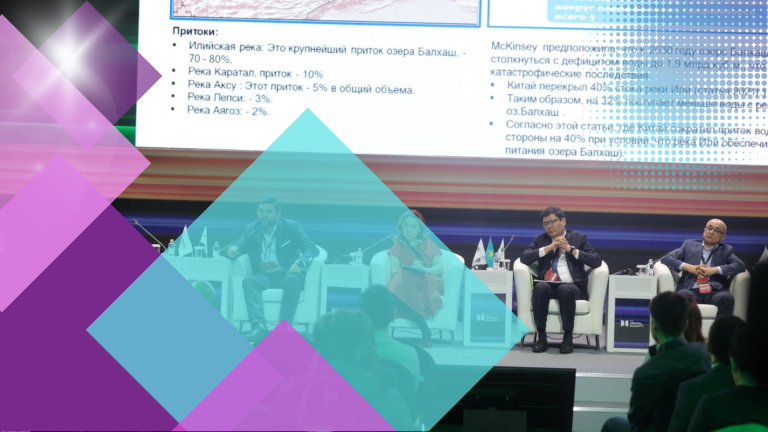
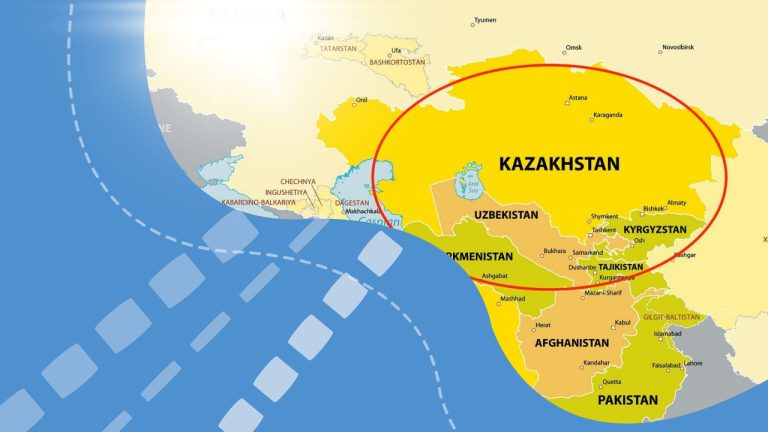
    The 14th MINEX Kazakhstan Mining and Geological Forum opened today in Astana. The central theme of the forum is “Sustainable Development of the Mining Industry for the Benefit of Society and the Environment.”

    Approximately 120 speakers are scheduled to participate, including representatives from government agencies, international organizations, domestic and foreign mining companies, institutional and private investors, technological and consulting companies, the financial sector, industry associations, and more.

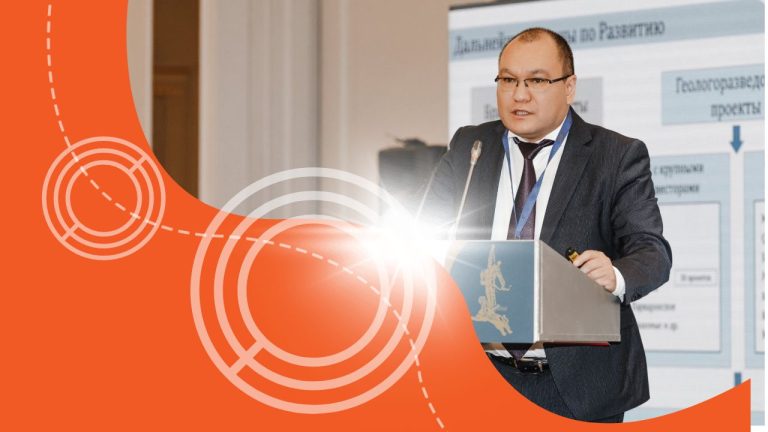
    Bakyt Chirchikbayev, Chairman of the Board of the National Mining Company “Tau-Ken Samruk,” spoke at the plenary session “Drivers of Development of the Mining and Metallurgical Industry in Kazakhstan.” He discussed the company’s priority projects and plans for further development, particularly focusing on the transfer of 100% of the shares of Kazgeology JSC to Tau-Ken Samruk. Chirchikbayev highlighted several advantages that partners could gain from this integration, stating, “The integration of Kazgeology into the structure of Tau-Ken Samruk will expand the potential scope of cooperation with existing and future partners, as Tau-Ken Samruk specializes not only in geological exploration but also in the further development of projects, including construction and production stages.”

    Chirchikbayev also emphasized that geological exploration projects remain a priority: “We plan to continue implementing current projects with partners and simultaneously study all available historical and modern geological information to identify prospective areas. Already, our geologists have made significant progress in this direction.”

    Aspects of international cooperation in geological exploration, mining, processing, and the creation of supply chains for uranium and materials critical for “green” energy technologies were discussed in a separate session of the MINEX Kazakhstan forum.

    Nariman Absametov, Chief Business Development Officer of the National Mining Company, outlined the main areas of focus for Tau-Ken Samruk regarding critical minerals. Firstly, work continues on the development of economically efficient ore enrichment technology at the largest domestic tungsten deposit, Upper Kayraktinsky. Research into the prospects of heap leaching has begun, and this year will see large-scale laboratory studies. If successful, the next step will be pilot technological tests.

    Simultaneously, the National Mining Company is exploring the reconnaissance of rare and rare-earth metals in the Akbulak area of the Kostanay region. Geological exploration is planned to begin soon in collaboration with the American company Cove Capital, with the relevant agreement already signed.

  • 10th MINEX Central Asia Mining and Geological Forum to be Held in Bishkek

    10th MINEX Central Asia Mining and Geological Forum to be Held in Bishkek

    Bishkek is set to host the 10th Mining and Geological Forum, MINEX Central Asia, on June 19-20, 2024. The forum is organized under the theme “Prospects and Scenarios for Sustainable Development of the Mining Industry in Central Asian Countries.” The previous MINEX forum in this format was held in Kazakhstan in 2018.

    The forum offers a platform for presentations and discussions on attracting investments and technologies for the development of mineral resources, the promotion of green energy, and the modernization of industrial infrastructure.

    The Ministry of Natural Resources, Ecology, and Technical Supervision of the Kyrgyz Republic is the general regional partner of the forum. The Prime Minister of the Kyrgyz Republic, A. Japarov, is expected to participate in the forum.

    The forum is anticipated to draw participation from companies and organizations from 30 countries across Central Asia, Europe, China, North America, and the Middle East.

  • Conference Explores Business Opportunities in Armenia’s Mining Sector

    Conference Explores Business Opportunities in Armenia’s Mining Sector

    In a recent conference titled “Exploring Business Opportunities,” stakeholders gathered to discuss the pivotal role of “Environment, Social Sphere, and Management” in Armenia’s business sector. The event served as a significant platform for deliberating issues, proposed solutions, and the exploration of international practices. Armen Stepanyan, the Director of Sustainable Development at the Zangezur Copper-Molybdenum Combine, highlighted the importance of such gatherings, emphasizing their role in addressing existing challenges through active engagement and knowledge sharing. Stepanyan reiterated the company’s commitment to tackling various challenges in the mining industry, stressing their incremental progress towards sustainable solutions. Despite the perception of mining as an environmental burden, Stepanyan assured that both the Zangezur Combine and other mining enterprises in Armenia are capable of managing environmental impacts effectively. He acknowledged the multitude of challenges but affirmed the company’s proactive approach in identifying and resolving them systematically. Stepanyan concluded by expressing the Zangezur Combine’s dedication to meeting international standards in the coming years.

  • Quest Critical Metals Provides Update on EU HORIZON-Funded EIS Project

    Quest Critical Metals Provides Update on EU HORIZON-Funded EIS Project

    Quest Critical Metals Inc. (formerly Canadian Palladium Resources Inc.) (“Quest Critical Metals” or the “Company”) is delighted to share the latest advancements in the EU HORIZON-funded Exploration Information Systems (EIS) Project. The project, in which the Company participates through its wholly-owned Czech subsidiary, Golden Pet SRO, aims to bolster Europe’s self-sufficiency in critical raw materials (CRM) with a focus on sustainable mineral exploration.

    The EU HORIZON-funded EIS Project, valued at €7.5 million, is dedicated to developing advanced exploration concepts and data tools to facilitate mineral exploration while minimizing its environmental impact. Moreover, the project seeks to raise awareness regarding the significance of critical raw materials and the challenges associated with exploring for them within the EU.

    James Newall, CEO of Quest Critical Metals, expressed his enthusiasm, stating, “We are privileged to have an abundance of geological and geophysical expertise analyzing our Klingenthal/Tisova project, all funded by the EU. Their validation of our geological interpretation is not only reassuring but also invaluable. Furthermore, being selected as a case study for the EIS Awareness Campaign will significantly amplify our project’s exposure.”

    Key Highlights:

    1. EU Funding Boost: Quest Critical Metals has received three tranches of EU grant funding, bolstering its exploration efforts.
    2. Top European Collaboration: The Company has collaborated with leading geologists and geophysicists in Europe, benefiting from their expertise. Notably, Professor Jiri Zacharias of Charles University, Prague, contributed to the understanding of the ore body evolution at Tisova.
    3. Data Contribution: Quest Critical Metals’ data has played a crucial role in creating the Volcanogenic Massive Sulphide (VMS) identifying model.
    4. Tisova Project Advancement: The EIS project is advancing into its testing phase in 2024, with Klingenthal/Tisova identified as the sole test site for planned drilling activities.

    EIS Project Awareness Campaign:

    The EIS Project aims to raise awareness of the importance of Critical Minerals and the challenges associated with their exploration within the EU. Golden Pet, the Company’s wholly-owned subsidiary, serves as a case study for this campaign.

    Objective: Targeting governments, corporations, and stakeholders, the campaign will culminate at the EU Raw Minerals Week in November 2024 in Brussels.

    Engagement: A dedicated workshop at the PDAC 2024 Convention in Toronto, Canada, will be led by EIS Project partners, engaging with leading mineral exploration and mining companies.

    Quest Critical Metals is poised for significant advancements, with its participation in the EIS Project and strategic acquisitions positioning the Company for growth and success in critical minerals exploration.

  • Green energy in JSW – strategic loan for environmental projects

    Green energy in JSW – strategic loan for environmental projects

    Jastrzębska Spółka Węglowa has entered into an agreement with the National Fund for Environmental Protection and Water Management to secure a loan of PLN 85 million for the “Commercial Methane Utilization – KWK Budryk” project. The signing of this agreement, which took place on 4 October at JSW’s headquarters, aims to provide support for innovative environmental initiatives and sustainable development activities. The signing ceremony was attended by Marek Wesoły, Deputy Minister of State Assets, Tomasz Cudny, President of the JSW Management Board, Dominik Bąk, Deputy President of the National Fund for Environmental Protection and Water Management, and Wojciech Kałuża, Vice-President of the JSW Management Board for Development.

    Deputy Minister Marek Wesoły expressed his appreciation for this initiative, emphasizing the awareness of the dangers posed by mining and the need for necessary changes to be implemented. He welcomed any financial support that can be directed towards mining companies, recognizing that Jastrzębska Spółka Węglowa plays a crucial role in our development through the production of coking coal, which is vital for the energy transition and the production of steel.

    The loan proceeds are specifically designated for financing projects aimed at reducing the environmental impact of mining operations and promoting nature-friendly solutions. The total cost of the “Commercial Methane Utilization – KWK Budryk” project amounts to PLN 88,165,130, and the loan will cover 96.4 percent of this cost.

    Tomasz Cudny, President of the JSW Management Board, expressed his satisfaction with the financial support received for their environmental projects, aligning with the environmental strategy adopted by the JSW Group. He appreciated the collaboration with the National Fund for Environmental Protection and Water Management, which actively supports environmental projects not only within JSW SA but also in other companies of the Group. Cudny also highlighted the recent support of PLN 150 million received by JSW Koks for the construction of the Radlin Combined Heat and Power Plant.

    The “Commercial Methane Utilization – KWK Budryk” project focuses on reducing methane-related hazards through enhanced methane drainage efficiency and a reduction of methane emissions into the environment by 13 thousand tons annually. This will be achieved by utilizing methane in cogeneration units for the generation of electricity and heat, resulting in a reduction of CO2 emissions by 328.5 thousand tons per year. Furthermore, the implementation of this project will lead to a decrease in energy procurement from external suppliers and a reduction in fees associated with methane emissions.

    The project at the Budryk mine encompasses the construction of six cogeneration units with a total capacity of 20 MWe, enabling the production of up to 120,000 MWh of electricity per year. Additionally, infrastructure such as the main switchboard at the VI shaft site, methane drainage pipelines, and other technical facilities have been expanded.

    Dominik Bąk, Vice-President of the Management Board of the National Fund for Environmental Protection and Water Management, highlights the significance of this project. He explains that it involves the construction of infrastructure that enables the utilization of methane extracted from the mine for electricity and heat generation by Jastrzębska Spółka Węglowa SA. The project primarily focuses on the utilization of methane from the Budryk mine to meet the energy needs of the mine itself.

  • German Company Considers Producing Sodium Cyanide in Egypt for Gold Mining

    German Company Considers Producing Sodium Cyanide in Egypt for Gold Mining

    The Egyptian Ministry of Petroleum announced that Germany’s CyPlus is interested in establishing a new production plant for Sodium Cyanide in Egypt that is used as part of the gold mining and extraction process.

    CyPlus is a leading company with advanced technology services and innovative solutions. It ensures safe use of cyanide production, transportation, and disposal.

    The company utilizes new innovative technologies to develop gold extraction and mining procedures.

    The working group will decide on the necessary procedures and find a suitable location in the Eastern Desert for the new production plant and will also work on researching the required technologies and local market needs.

    Sodium cyanide is a colorless sodium salt. It is prepared from sodium amide by heating it with carbon at 800 degrees. It is used in the treatment and extraction of gold.

    A press statement released by the Egyptian Ministry of Petroleum and obtained by Asharq Al-Awsat, said the German company has a “desire to establish a plant for the production of sodium cyanide.”

    Minister of Petroleum and Mineral Resources Tarek El-Molla met with Chairman of CyPlus Stefan Welbers on Wednesday to discuss the investment opportunities available to the company in Egypt.

    During the meeting, Molla stressed the need to localize industries for products complementary to the mining activity, citing the remarkable development in gold mining, the successful gold bid, and the entry of several international companies into the promising field.

    He indicated that the authorities are studying the feasibility of establishing such factories. He added that the ministry is working on a strategic plan to enhance mining activity and establish more factories to boost it, especially those importing products in foreign currency.

    The minister highlighted the importance of developing the industry sustainably and implementing green mining requirements. He stressed the need for increasing mining capabilities while working towards reducing environmentally harmful emissions.

    For his part, Welbers confirmed that the company provides safe and responsible uses of cyanide, starting from production, through transportation and circulation processes, to application and exchange.

    He indicated that CyPlus dedicates its capabilities to providing new solutions that boost productivity and innovatively develop the gold mining process.

    He praised the remarkable developments in the mining field in Egypt, saying it holds promising opportunities for investment.