Tag: Russia

  • A new report examines the strategic importance of titanium metal for the European Union (EU) economy

    A new report examines the strategic importance of titanium metal for the European Union (EU) economy

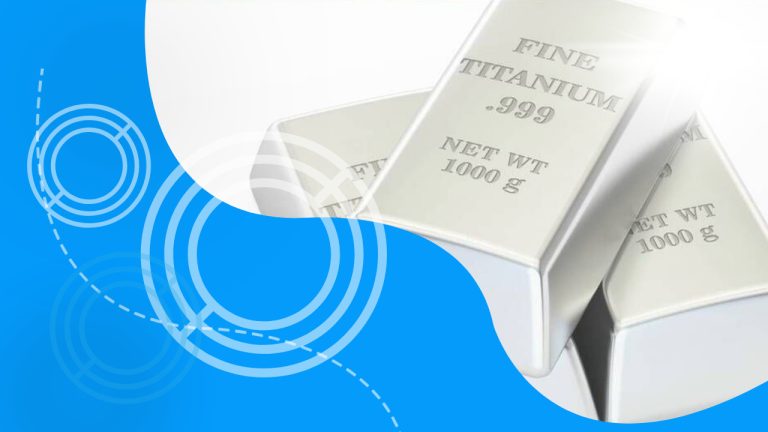
    The EU relies heavily on titanium imports, a critical metal used in aerospace, defense, and green technologies. A new European Commission Joint Research Centre (JRC) report highlights the risks of this dependence, exacerbated by global tensions and limited suppliers. The report analyzes the titanium supply chain and proposes strategies to increase circularity and reduce import reliance.

    The EU’s titanium consumption is substantial and expected to grow. Currently, it imports significantly more titanium than it exports, primarily in the form of products and unwrought titanium. Civil aerospace accounts for the majority of this demand, supporting a large number of jobs and contributing significantly to the EU’s GDP. However, the EU faces geopolitical challenges due to its import dependence, especially with the war in Ukraine and the concentration of titanium production in a few countries like China, Japan, Russia, and Kazakhstan.

    The JRC report suggests that increasing circularity, particularly by recycling titanium scrap from aircraft, could significantly reduce import needs and boost the EU’s titanium sector employment. The report recommends several policy actions:

    • Reshoring titanium processing: Re-establishing domestic production capacity.
    • Improving titanium recycling: Addressing barriers to large-scale recycling from decommissioned aircraft.
    • Strengthening international partnerships: Diversifying supply sources through collaborations.
    • Supporting Ukraine’s titanium industry: Integrating Ukraine into the EU’s titanium value chain post-conflict.

    These recommendations align with EU priorities like decarbonization, reshoring, and critical raw materials security, and support existing and upcoming policies such as the Critical Raw Materials Act and the Net Zero Industry Act. The JRC report emphasizes the urgent need for the EU to enhance its strategic autonomy in the titanium supply chain through circularity, reshoring, partnerships, and support for Ukraine. Initiatives like the European Defence Agency’s work on titanium circularity demonstrate practical steps towards achieving these goals.

  • Russia’s Seizure of Ukraine’s Lithium Reserves Raises Global Concerns

    Russia’s Seizure of Ukraine’s Lithium Reserves Raises Global Concerns

    Russia’s ongoing conflict in Ukraine has extended to the control of critical resources, with two of Ukraine’s four lithium deposits now under Russian control. Among them is a major reserve located in Shevchenko, a settlement in the Donetsk region. These deposits are part of Ukraine’s estimated 500,000 tons of untapped lithium reserves, considered among the largest in Europe. Known as “white gold,” lithium is crucial for producing batteries used in smartphones, electric vehicles, and renewable energy storage systems.

    Experts argue that while capturing lithium may not have been a primary objective of Russia’s invasion, Ukraine’s mineral wealth is a significant strategic interest. The Ukrainian Shield, a geologically rich region spanning much of central and southern Ukraine, contains not only lithium but also iron and rare earth metals.

    The European Union has been actively seeking local sources of critical minerals like lithium to reduce its dependence on imports from countries such as China. Ukraine, with its proximity and substantial reserves, was seen as a promising partner. The war, however, has stalled any efforts to leverage these resources, jeopardizing Europe’s green energy initiatives and energy independence goals.

    Rod Schoonover, founder of the U.S.-based Ecological Futures Group, noted that the invasion has disrupted Ukraine’s ability to utilize its resources but highlighted their potential significance if stability is restored. “These resources could become a cornerstone of Europe’s strategic autonomy in critical minerals,” he said. The situation underscores how vital resource control has become in modern geopolitical conflicts.

  • Putin Suggests Limiting Exports of Uranium, Titanium, and Nickel in Response to Western Sanctions

    Putin Suggests Limiting Exports of Uranium, Titanium, and Nickel in Response to Western Sanctions

    On Wednesday, Russian President Vladimir Putin proposed that Moscow should consider imposing export restrictions on key commodities such as uranium, titanium, and nickel in response to Western sanctions. During a televised meeting with Prime Minister Mikhail Mishustin, Putin stated, “Please take a look at some of the types of goods that we supply to the world market… Maybe we should think about certain restrictions – uranium, titanium, nickel.”

    Russia ranks as the fourth largest uranium producer globally, according to the World Nuclear Association. This suggestion follows U.S. President Joe Biden’s recent signing of a law that bans the import of enriched uranium from Russia, a trade valued at approximately $1 billion annually.

    In 2023, the United States and China were the largest importers of Russian uranium, followed by South Korea, France, Kazakhstan, and Germany. Additionally, Russia holds the position of the world’s third largest titanium sponge producer, a material used in the aerospace, marine, and automotive industries, despite having limited domestic titanium reserves. Russia’s Nornickel is also the leading producer of refined nickel worldwide.


  • Central Asia’s Untapped Rare-Earth Reserves Spark Global Interest

    Central Asia’s Untapped Rare-Earth Reserves Spark Global Interest

    The seven countries of Central Asia—Kazakhstan, Kyrgyzstan, Tajikistan, Turkmenistan, Uzbekistan, plus Afghanistan and Mongolia—hold some of the world’s largest but largely untapped reserves of rare-earth minerals. Three major developments have significantly heightened the importance of these reserves. Firstly, the increasing role of rare earths in modern technology and their crucial part in the clean energy transition have brought these minerals to the forefront of international focus. Secondly, China’s decision to reduce or cut off rare earth supplies following Moscow’s expanded invasion of Ukraine and subsequent Western sanctions has forced the West to seek alternative sources, spotlighting Central Asia. Lastly, Central Asian countries view Western involvement in their rare-earth sectors as a means to further diminish Russian control and prevent Beijing from becoming the dominant power in the region.

    All Central Asian governments are keen to develop their rare-earth sectors to diversify their economies, traditionally reliant on oil and gas revenues. However, lacking the necessary resources, these countries have turned to external powers for investment, igniting a diplomatic contest involving China, Russia, and the West. This intense competition has been dubbed the “Great Game of the 21st century,” reflecting the historical rivalry between Russia and Great Britain for influence in the region.

    The involvement of external powers is crucial in this new “Great Game.” Over the past year, senior officials from these powers have frequently visited the region and invited Central Asian representatives to discuss rare-earth development. China’s proactive approach has seen it dominate rare-earth leases in Kyrgyzstan and Tajikistan, aligning with its strategy to control rare-earth markets. However, this has occasionally backfired, prompting opposition in Central Asia and compelling the West to respond.

    Increased Western interest has led the European Union, the United Kingdom, and Western allies like South Korea to ramp up their engagement and investment in the region’s rare-earth sectors. Diplomatic activities have intensified, with rare earths now featuring prominently in foreign policy documents. Conversely, Russia’s involvement is conflicted; it supports Chinese activities to limit Western influence but fears that new market participants could depress prices, impacting the Russian economy.

    The competition presents Central Asian governments with opportunities to leverage external rivalries to their advantage, though it also brings significant risks. Potential threats from outside, such as aggressive interventions by China or Russia, loom large. More pressing, however, are internal challenges. Uneven development of rare-earth sectors could create new elite classes and regional power imbalances, potentially leading to instability, particularly in Tajikistan.

  • Kazakh Coal Producer “Bogatyr Komir” Maintains Supply Agreement with Russian Company Despite U.S. Sanctions

    Kazakh Coal Producer “Bogatyr Komir” Maintains Supply Agreement with Russian Company Despite U.S. Sanctions

    Despite U.S. sanctions, the agreements between the Kazakh coal producer “Bogatyr Komir” and the Russian coal and energy company SUEK remain intact for regular fuel deliveries, as reported by inbusiness.kz.

    “TOO Bogatyr Komir” is a joint venture between AO Samruk-Energo and Rusal. Concerns had arisen over potential secondary sanctions against the coal mining company due to the inclusion of the Russian buyer, Siberian Coal Energy Company (SUEK), in the U.S. sanctions list.

    Annually, up to 10 million tons of “Bogatyr” fuel were shipped to the affiliated Reftinskaya GRES linked to SUEK.

    According to the “Bogatyr Komir” report, the Kazakh coal producer is operating at full capacity, fulfilling all obligations regarding extraction and export. Between January and April 2024, they extracted and shipped 15,255 thousand tons of coal, with 2,584 thousand tons shipped to Russia. These figures slightly decreased compared to last year, which saw 15,488 thousand tons extracted and 3,343 thousand tons shipped to Russia.

  • US and UK Impose Restrictions on Russian Metal Imports Amid Ukraine Conflict

    US and UK Impose Restrictions on Russian Metal Imports Amid Ukraine Conflict

    In a joint effort to disrupt Russian export revenue amidst the ongoing conflict in Ukraine, Washington and London have announced measures prohibiting metal-trading exchanges from accepting new aluminum, copper, and nickel produced by Russia. The move comes as part of broader sanctions targeting key Russian industries following Moscow’s invasion of Ukraine, which has resulted in significant casualties and widespread destruction.

    Russia, a major producer of aluminum, copper, and nickel, stands to be significantly impacted by the restrictions imposed by the United States and the United Kingdom. The measures aim to limit Russia’s ability to finance its military campaign in Ukraine by curbing revenue generated from metal exports.

    Both the US Treasury Department and UK officials emphasized the targeted nature of the sanctions, designed to minimize disruption to global metal markets while effectively restricting new Russian metal production. Existing stocks of Russian metal on global exchanges will be exempt from the restrictions to mitigate potential market instability.

    While bilateral contracts will not be affected by the measures, trading of Russian metals off the exchanges is expected to face discounts, thereby reducing Russia’s revenue from metal exports. The US and UK authorities will closely monitor the trading of Russian metal elsewhere to ensure compliance with the sanctions.

    The action marks the latest escalation in sanctions against Russia by Western nations in response to its invasion of Ukraine in February 2022. The US and UK had previously implemented economic measures targeting the metals and mining sector, with tariffs imposed on Russian metal imports.

  • U.S. House Passes Ban on Russian Uranium Imports: What’s at Stake?

    U.S. House Passes Ban on Russian Uranium Imports: What’s at Stake?

    The U.S. House of Representatives has greenlit a ban on imports of Russian uranium, shedding light on America’s reliance on foreign nuclear fuel. The bill, now pending Senate approval, amplifies discussions on energy security and geopolitical tensions.

    Visualizing U.S. Dependence on Russian Uranium: Utilizing data from the United States Energy Information Administration (EIA), we present a visual depiction of the extent to which the U.S. leans on Russian uranium imports, underscoring the significance of the legislative move.

    U.S. Uranium Suppliers and Global Dependencies: Despite sanctions imposed on Russian oil and gas post-Ukraine invasion, the U.S. continues to import Russian-enriched uranium, highlighting complex geopolitical dynamics. Russia stands as the principal foreign supplier of nuclear fuel to the U.S., with its imports fueling a substantial portion of America’s commercial reactors. While European nations and the Urenco consortium contribute, a significant share of global allies also rely on Russian uranium, complicating diplomatic relations.

    Financial Implications and Energy Landscape: In 2023, the U.S. nuclear sector disbursed over $800 million to Russia’s Rosatom, emphasizing the economic entanglement. Notably, nuclear power accounts for 19% of U.S. electricity, magnifying the significance of secure fuel sources. The roots of this dependence trace back to the 1990s, emphasizing historical contexts.

    Plans for Domestic Expansion: To mitigate reliance on Russian imports, the Biden administration proposes allocating $2.2 billion for expanding domestic uranium enrichment capacities—a strategic maneuver amid escalating tensions.

  • Polymetal Completes Sale of Russian Assets, Focuses on Kazakhstan Operations

    Polymetal Completes Sale of Russian Assets, Focuses on Kazakhstan Operations

    Polymetal (Polymetal International plc) announced on March 11 the completion of the sale of its Russian assets. Polymetal, the second-largest gold producer in Kazakhstan, disclosed this information, as reported by Orda.kz.

    According to the company’s press service, Polymetal finalized the sale of 100% of the shares of JSC “Polymetal” (the holding company of the group’s Russian assets) to AO “Mangazeya Plus.” This move was aimed at mitigating risks. Vitaly Nesis, CEO of Polymetal, stated that the company intends to present a new strategy and capital allocation policy in May.

    “After the completion of the deal, the group’s net cash position is approximately $130 million,” the Polymetal press release stated.

    Polymetal Group is the second-largest gold producer in Kazakhstan, with two production assets in the country: Kyzyl (Bakyrchik deposit, Abai region) and Varvarinsky Hub (Varvarinsky and Komarovsky deposits, Kostanay region). The company also controls Irtysh GMK. Polymetal is registered with the MFCA with its head office in Astana, and its largest shareholder (23.9% stake) is Maaden International Investment from Oman.

    The company’s shareholders approved the sale of Russian assets at a meeting on March 7. The deal aims to restore the shareholder value of the Polymetal group by reducing risks. Selling the Russian business will enable the company to focus on the development and exploration of Kazakh deposits.

    Polymetal International plc was one of the companies that relocated to Kazakhstan from Russia. It was reported in May 2023 that the group was shifting its focus to the development of its Kazakh business and would be registered with the MFCA.

  • How much gold does the UK own compared to other countries?

    How much gold does the UK own compared to other countries?

    Several countries around the world are stockpiling gold as a strategic reserve. Here’s a rundown of some of the key players and the amount of gold they hold:

    1. USA: The United States leads the pack with a massive 8,133.46 tonnes of gold bullion, stored in various depositories across the country, including the famous Fort Knox.

    2. Germany: Coming in second, Germany holds 3,352.65 tonnes of gold. Concerns during the Cold War led Germany to spread its gold reserves globally, with a significant portion repatriated in recent years.

    3. Italy: Italy holds slightly more gold than France, with 2,451.84 tonnes stored in vaults in Rome and abroad, managed by the Banca d’Italia.

    4. France: France has stockpiled 2,436.97 tonnes of gold, acquired largely during the 1950s and 1960s. Most of its reserves are held in vaults under the Banque de France in Paris.

    5. Russia: Russia has been aggressively increasing its gold reserves, currently holding 2,332.74 tonnes. This move is seen as a strategic effort to reduce reliance on the US dollar.

    6. China: China boasts 2,235.39 tonnes of gold, making it the world’s largest gold producer and a significant importer as well. The country’s reserves have been steadily increasing over the years.

    7. Switzerland: Switzerland holds 1,040 tonnes of gold, with the majority stored at home. The country’s reputation for financial stability has made it a preferred location for storing gold.

    These countries, among others, view gold as a valuable asset for diversifying their reserves and protecting against economic uncertainty.

  • Russian metallurgists are asking the Republic of Kazakhstan to lift the ban on scrap metal exports.

    Russian metallurgists are asking the Republic of Kazakhstan to lift the ban on scrap metal exports.

    The six-month ban on the export of ferrous scrap metal imposed by Kazakhstan in February 2024 will negatively impact the operations of Russian plants, according to a statement from the Association of Electrometallurgical Enterprises, as reported by “Kommersant”.

    The association is urging the Ministry of Economic Development, the Ministry of Industry and Trade of the Russian Federation, as well as the Eurasian Economic Commission, to influence the decision of the Kazakh authorities regarding the restriction on shipments. Although bans on exporting scrap metal by rail have been imposed before, they did not affect the Russian side.

    Last year, Russia purchased approximately 1 million tons of scrap metal from its neighboring republic. However, electrometallurgical plants will now face a shortage of raw materials. The Association of Electrometallurgical Enterprises warns that finished products, particularly construction steel, will become more expensive.

    Thanks to the embargo on the export of ferrous scrap metal, Kazakhstan hopes to increase the utilization of its own metallurgical enterprises. According to the Ministry of Industry of the Republic, the domestic market demand for raw materials reaches 3.9 million tons.

    According to Vladimir Dvoretsky, Chairman of the Republican Union of Secondary Metallurgy Industrialists, after the imposition of the ban, the price of scrap metal in Kazakhstan will decrease by 20-40%, which is seen as lobbying by metallurgists, particularly by companies like ArcelorMittal Temirtau (now Qarmet).