Tag: Russia

  • Kazatomprom Plans Major Uranium Sales Agreements

    Kazatomprom Plans Major Uranium Sales Agreements

    Kazatomprom, Kazakhstan’s national atomic company, is set to convene an extraordinary general meeting of shareholders to discuss two significant uranium sales agreements and a potential change in its board of directors. The first agreement involves the sale of natural uranium concentrates in the form of U3O8 to the Chinese company State Nuclear Uranium Resource Development Company Limited (SNURDC). This deal includes physical delivery to the Alashankou railway station in China. SNURDC, a subsidiary of the State Power Investment Corporation Limited (SPIC), is responsible for uranium supplies and has a state license for importing natural uranium concentrates in China. Kazatomprom’s commercial proposal was accepted by SNURDC, leading to the drafting of a spot purchase agreement for the uranium concentrate. However, details regarding the volumes, timelines, and pricing of the transaction remain undisclosed due to confidentiality agreements.

    The second agreement pertains to the sale of natural uranium in the form of U3O8 to Uranium One Group, with physical delivery to the Siberian Chemical Combine in Russia. Uranium One Group is a major operator of foreign uranium mining assets under the Russian state corporation Rosatom and is also a participant and shareholder in joint ventures with Kazatomprom. Similar to the first deal, the specifics of this contract, including pricing and delivery schedules, are kept confidential, with Kazatomprom asserting that the terms align with current market conditions.

    In addition to the sales agreements, the extraordinary meeting will address a proposed change in the board of directors. This follows the appointment of board member Elzhas Otynshev, who represents Samruk-Kazyna, to the position of chairman of Kazakhstan Temir Zholy, necessitating the early termination of his board membership. The proposal includes appointing Zhandos Kairgeldy, currently the managing director for strategy and asset management at Samruk-Kazyna, as his replacement. All three agenda items will be discussed at the upcoming shareholders’ meeting. Notably, Kazatomprom recently launched the first phase of a uranium mining complex at the Jalpak mine in the Turkestan region, with an annual capacity of 500 tonnes of uranium.


  • European Parliament Calls for EU Ban on Alumina Exports to Russia

    European Parliament Calls for EU Ban on Alumina Exports to Russia

    The European Parliament has adopted a non-binding resolution urging the European Commission to impose sanctions on alumina exports to Russia, increasing political pressure on Brussels to tighten restrictions on trade linked to Moscow’s metals industry.

    The motion follows an investigation by The Irish Times and the Organized Crime and Corruption Reporting Project (OCCRP), which found that Ireland’s Aughinish Alumina refinery has continued exporting substantial volumes of alumina to Russian smelters owned by Rusal. The resulting aluminium has reportedly been sold to Moscow-based trading company ASK, whose customer base includes more than 40 companies sanctioned by the European Union for their links to Russia’s defense sector.

    While investigators were unable to trace individual shipments of Irish alumina to specific military products because the material is blended during smelting, customs and trade data indicate that since 2023 more than half of Aughinish Alumina’s exports have been delivered to Russian smelters. Those facilities have subsequently sold more than $650 million worth of aluminium to ASK, which supplies companies associated with Russia’s military-industrial complex.

    The European Parliament’s resolution calls for stronger measures to limit Russia’s ability to finance its military operations in Ukraine. In addition to advocating a complete ban on alumina exports, lawmakers also supported proposals to blacklist Russian steel suppliers. Although the Parliament cannot impose sanctions itself, its position is expected to add pressure on the European Commission and EU member states, which must unanimously approve any new sanctions package.

    The Commission has so far refrained from restricting alumina exports because of Aughinish Alumina’s importance to European industrial supply chains. However, Irish Member of the European Parliament Barry Andrews argued that Irish alumina is highly likely to be contributing indirectly to Russia’s military production and called for immediate action if ongoing investigations confirm these links.

    The Irish government is completing its own investigation into Aughinish Alumina’s exports following the media reports. Prime Minister Micheál Martin said the findings will soon be submitted to the European Commission, while Enterprise Minister Peter Burke confirmed his department expects to finalize its report within days.

    Burke also rejected suggestions that Ireland had sought exemptions for Aughinish Alumina from EU sanctions, stating that the government has never lobbied on the company’s behalf and has not opposed any sanctions affecting its operations.

    The European Commission is expected to review the findings as it prepares its next package of sanctions against Russia.

  • Kazakh Investor Shakhmurat Mutalip Emerges as Leading Bidder for Yuzhuralzoloto

    Kazakh Investor Shakhmurat Mutalip Emerges as Leading Bidder for Yuzhuralzoloto

    Kazakh businessman Shakhmurat Mutalip has emerged as a leading contender to acquire the nationalised Russian gold mining group Yuzhuralzoloto (YUGK), according to media reports, as Moscow prepares to auction the asset in the coming weeks.

    The company, previously controlled by businessman and former politician Konstantin Strukov, was transferred to state ownership in 2025 following a legal case related to anti-corruption violations. The Russian Ministry of Finance has indicated that the sale of a controlling stake of approximately 67% could take place as early as March 2026.

    Mutalip, 35, is considered one of the fastest-rising business figures in Kazakhstan. He began his career in industry in 2008 and later became the beneficiary of Integra Construction KZ, a major construction group that has grown into one of the country’s leading companies by assets and tax contributions.

    In recent years, Mutalip has expanded his interests into the mining sector and has been linked to several major deals involving strategic assets. These include a potential acquisition of a 70% stake in Kazzinc from Glencore, estimated at up to $4.5 billion, and a possible 40% stake in Eurasian Resources Group (ERG), valued at around $1.4 billion. He has also been associated with interest in other mining assets, including Altynalmas.

    If completed, these transactions could position Mutalip as a major player in Kazakhstan’s non-ferrous and precious metals sector. His business structures, including entities registered in the Astana International Financial Centre, reflect growing ambitions in metallurgy and critical minerals.

    Analysts note that Mutalip has built strong commercial ties between Kazakhstan and Russia, particularly in the context of sanctions, facilitating industrial cooperation and access to financing. His companies are reportedly supported by major Russian banks and maintain relationships with global commodity traders.

    His candidacy for Yuzhuralzoloto is viewed as strategically consistent, given his growing presence in the gold sector and ability to operate across jurisdictions. Market observers suggest that the sale could reflect a broader trend of asset redistribution toward investors capable of maintaining operational continuity amid geopolitical uncertainty.

    The outcome of the auction is expected to be closely watched as an indicator of shifting ownership patterns in the region’s mining industry.

  • Putin Orders Roadmap for Russia’s Rare-Earth Extraction as Global Competition Intensifies

    Putin Orders Roadmap for Russia’s Rare-Earth Extraction as Global Competition Intensifies

    Russian President Vladimir Putin has instructed his cabinet to develop a national roadmap for rare-earth mineral extraction by December 1, as global competition for critical raw materials intensifies and countries seek to reduce dependence on China’s near-monopoly in the sector.

    The directive, published Tuesday on the Kremlin’s website, also calls for the expansion of transport and logistics infrastructure at Russia’s borders with China and North Korea, including multimodal hubs and new railway links.

    Rare-earth elements—vital for smartphones, electric vehicles, wind turbines, and advanced weapons systems—have become a major point of strategic rivalry between the world’s largest economies.

    In April, U.S. President Donald Trump and Ukrainian President Volodymyr Zelenskyy signed an agreement granting the United States preferential access to Ukraine’s mineral resources and supporting U.S. investment in reconstruction projects. Moscow has since said it is also open to cooperation with the U.S. on rare-earth projects, though political and diplomatic tensions stemming from Russia’s ongoing war in Ukraine have stalled progress.

    Earlier this year, Kirill Dmitriev, Putin’s investment envoy, said U.S. firms had shown interest in Russian rare-earth ventures, but talks remain at an exploratory stage.

    Meanwhile, China, which dominates the global rare-earth supply chain, has tightened export controls in retaliation against Western tariffs, pushing Washington and its allies to accelerate domestic and alternative sources of supply.

    Putin’s order stems from discussions at the Far Eastern Economic Forum in Vladivostok in September, where he emphasized the strategic importance of developing Russia’s Far East as a resource and transport hub connecting Asia and Europe.

    According to the U.S. Geological Survey (USGS), Russia’s known rare-earth reserves total about 3.8 million tonnes, though Moscow claims much higher figures. The Russian Natural Resources Ministry estimates 28.7 million tonnes of reserves across 15 different rare-earth metals as of January 2023. Even by Moscow’s count, however, Russia’s share remains relatively small compared to China’s dominant position.

    Putin also ordered the construction of new multimodal transport and logistics centers along the country’s borders with China and North Korea, including upgrades to two existing railway bridges and the completion of a new bridge to North Korea by 2026.

    Both China and North Korea have deepened economic cooperation with Russia amid Western sanctions, making regional integration and resource development key components of Moscow’s broader pivot to Asia strategy.

  • Pasechnik Appeals to Putin for Funds Amid Mining Crisis in Occupied Luhansk

    Pasechnik Appeals to Putin for Funds Amid Mining Crisis in Occupied Luhansk

    Leonid Pasechnik, the Kremlin-appointed leader of the self-proclaimed Luhansk People’s Republic (LPR), has asked Russian President Vladimir Putin to help secure salary payments for miners in the occupied Luhansk region. According to Ukraine’s Center for Countering Disinformation (CCD), Pasechnik’s appeal reflects the severe deterioration of the mining sector, where most mines have been handed over to Russian companies.

    These operators had pledged investment but later declared the mines unprofitable, opting instead to mothball or liquidate production. The CCD reports that the situation has left many miners without pay, creating a desperate social and economic crisis in the region.

    The challenges are compounded by Russia’s own coal sector, which is suffering under international sanctions and the loss of export markets. Mines across Russia are shutting down, wages are going unpaid, and layoffs are spreading — leaving little incentive for companies to inject resources into the occupied Donbas territories.

    The mining crisis unfolds as Moscow grapples with broader financial troubles. The Russian government projects a $68 billion budget deficit by the end of 2025, nearly double previous forecasts, driven by falling oil and gas revenues and soaring wartime expenditures.

  • CIS Nations Discuss Subsoil Management at Astana Meeting

    CIS Nations Discuss Subsoil Management at Astana Meeting

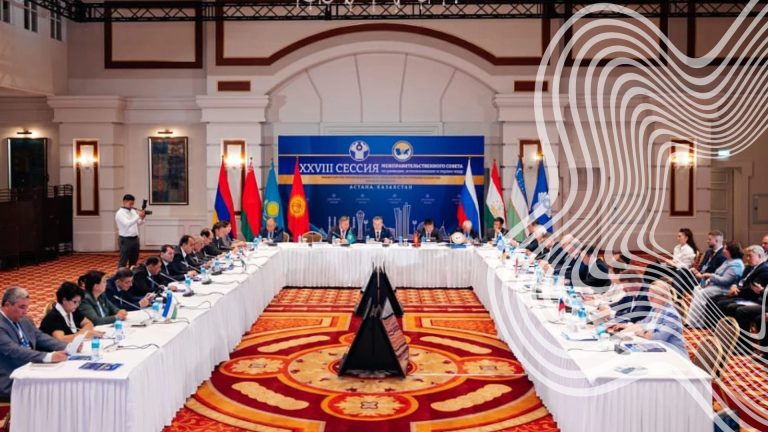
    The XXVIII Session of the Intergovernmental Council in Astana marked another step in ongoing efforts to strengthen cooperation among CIS countries in the field of geology and subsoil use. With delegates from Armenia, Belarus, Kazakhstan, Kyrgyzstan, Russia, Tajikistan, Uzbekistan and the CIS Executive Committee, the event reflected the region’s interest in consolidating expertise and maintaining a coordinated approach to mineral resource governance.

    The agenda addressed a broad range of issues, from modern methods of geological mapping and digitalisation of exploration processes to youth involvement and the preservation of geological heritage. This breadth indicates an awareness of the multiple challenges facing the sector, not only in economic terms but also in social and environmental dimensions.

    The 28th session of the Intergovernmental Council on Exploration, Use and Conservation of Mineral Resources (Межправительственного совета по разведке, использованию и охране недр) took place in Astana, Kazakhstan on 25September 2025, with representatives from seven post-Soviet states in attendance. The council’s primary objective is to promote cooperation and coordination among its member states in the field of mineral exploration, use, and conservation. However, the session’s proceedings also highlighted the challenges and tensions that arise from the extraction of Kazakhstan’s vast mineral resources.

    The council’s Chairman, Yerlan Esenaliuly Akbarov, emphasised the importance of strengthening cooperation and partnerships among member states to address the complex geological challenges facing the region. Marat Mammbetovich Jusupbekov, the Director of the Kyrgyz Geological Service, presented a report on the activities of the council during the 2024-2025 period, highlighting the progress made in implementing joint projects and promoting the development of modern geoscientific methods.

    While the council’s focus on cooperation and technology transfer is a positive step, concerns remain regarding the environmental and social impact of mineral extraction in Kazakhstan. The country’s extractive industries have faced criticism for their environmental record, and local communities have raised concerns about the lack of transparency and accountability in the decision-making process.

    The council’s discussion on modern methods and approaches to geological research and exploration suggests that the member states are aware of the need to balance economic development with environmental protection. However, the lack of concrete measures to address these concerns raises questions about the council’s commitment to sustainability.

  • Ukraine and US Work Toward “Acceptable” Economic Deal Amid Tensions

    Ukraine and US Work Toward “Acceptable” Economic Deal Amid Tensions

    Ukraine’s Foreign Minister, Andrii Sybiha, stated that officials are advancing discussions with the USon an economic agreement deemed “acceptable” by both sides. This comes shortly after former President Donald Trump accused Kyiv of attempting to renegotiate the deal.

    Sybiha confirmed that Ukrainian authorities are reviewing the latest draft of an infrastructure and natural resources agreement sent by the US last week. He emphasized that Kyiv is ready to support a deal ensuring security through a strong American business presence in Ukraine.

    “The process will continue,” Sybiha told reporters in Kyiv during a meeting with his Lithuanian counterpart. “We will work with our American colleagues to reach a mutually acceptable text.”

    Trump recently redirected his frustration toward Ukrainian President Volodymyr Zelenskiy, accusing him of demanding new terms for the agreement. This follows Trump’s earlier criticism of Russian President Vladimir Putin, highlighting the shifting geopolitical tensions.

    Meanwhile, concerns in Kyiv have grown over the draft deal, which could grant the US significant control over future infrastructure and mineral investments in Ukraine. Some officials worry this might hinder Ukraine’s EU membership bid or require repayment of US military and economic aid.

    Despite these fears, Sybiha stressed that the agreement could attract major American businesses, serving as a security guarantee. Ukrainian negotiators are carefully reviewing the draft and may request amendments before finalizing terms.

    As diplomatic efforts continue, Russia launched fresh strikes on Ukraine’s energy infrastructure, leaving thousands without power, while Ukrainian drones reportedly caused outages in Russia’s Belgorod region.

  • U.S.-Russia Negotiations and Global Commodity Markets

    U.S.-Russia Negotiations and Global Commodity Markets

    As the United States and Russia engage in negotiations to resolve the ongoing conflict in Ukraine, discussions are intensifying around the reintegration of Russian commodities into the global market. Despite Western sanctions imposed following Russia’s 2022 invasion of Ukraine, Russian exports of vital resources such as oil, gas, and metals have persisted, often finding alternative pathways to international buyers.

    Recent diplomatic efforts signal a potential shift in the geopolitical landscape. In mid-February 2025, U.S. Secretary of State Marco Rubio and Russian Foreign Minister Sergey Lavrov convened in Riyadh, Saudi Arabia, to explore avenues for ending the Ukraine war and improving bilateral relations. These talks, notably excluding Ukrainian representatives, have raised concerns among European allies about the future of sanctions and the potential resurgence of Russian commodities in Western markets. Associated Press

    Russian President Vladimir Putin has proactively proposed economic collaborations, offering U.S. companies joint ventures in rare earth metals and aluminum production. This initiative aims to leverage Russia’s substantial natural resources to attract Western investment and technology, potentially reshaping global supply chains that have been disrupted by the conflict and ensuing sanctions. Reuters

    Despite sanctions, Russia has maintained its role as a key energy supplier. Reports indicate that the European Union’s expenditure on Russian oil and gas in the third year of the war exceeded its financial aid to Ukraine, underscoring the complexities of energy dependence and economic interests. The Guardian

    The Organisation of the Petroleum Exporting Countries and its allies (OPEC+) face strategic decisions regarding production levels. With ongoing negotiations and the possibility of lifting sanctions, the group must balance market stability with member interests, particularly as non-member producers, like the United States, expand their market share. Reuters

    As diplomatic dialogues progress, the global commodities market remains in a state of anticipation. The potential reintegration of Russian resources poses significant implications for energy prices, supply chains, and geopolitical alliances. Stakeholders worldwide are closely monitoring these developments, recognizing that the resolution of the Ukraine conflict could herald a new era in international trade and energy dynamics.

  • Putin Calls for Accelerated Lithium Mining as Russia Seeks Self-Sufficiency

    Putin Calls for Accelerated Lithium Mining as Russia Seeks Self-Sufficiency

    Russian President Vladimir Putin has urged the country to expedite the development of its domestic lithium and rare earth mineral deposits, citing the strategic importance of these resources for high-capacity battery production and advanced technologies.

    Speaking at a conference in Moscow, Putin criticized the country’s delay in mining lithium, stating, “We still do not mine lithium. And how can we develop without it? But we can do it. And we could have done it 10 or 15 years ago.”

    Russia possesses an estimated 1 million tons of lithium reserves, according to the United States Geological Survey (USGS), with Russian estimates placing lithium oxide reserves at 3.5 million tons. However, prior to the conflict in Ukraine, the country relied on lithium imports, which have been severely disrupted by Western sanctions. As a result, Moscow has intensified efforts to extract its own lithium and aims to eliminate imports of the metal and other rare earth elements by 2030.

    Additionally, Russian forces are advancing toward one of Ukraine’s largest lithium deposits, further underscoring the geopolitical significance of these critical minerals in the ongoing conflict.

  • Aluminum Prices Rise Amid EU’s Planned Ban on Russian Imports

    Aluminum Prices Rise Amid EU’s Planned Ban on Russian Imports

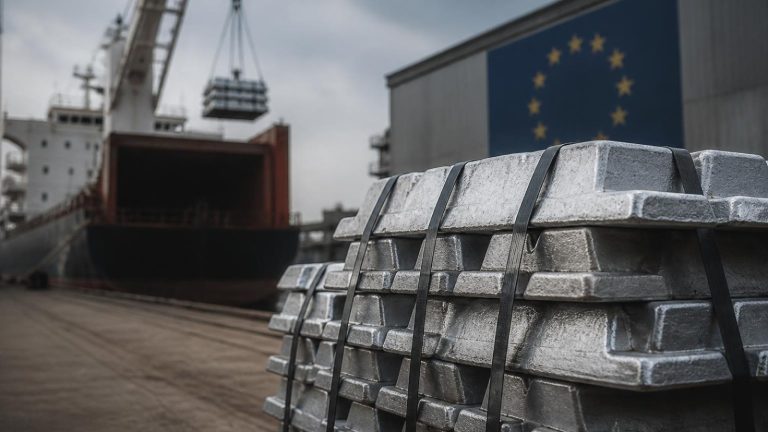
    Aluminum prices in London surged as the European Union prepared to introduce a phased ban on Russian imports. The proposed measure, part of a broader sanctions package, would initially allow a quota of 275,000 metric tons for one year before imposing a full ban, according to sources.

    Since Russia’s invasion of Ukraine in 2022, calls for an aluminum ban have grown, and EU imports from Russia have already declined as manufacturers seek alternative suppliers. However, some European buyers and member states have resisted a total ban, citing challenges in replacing certain products.

    The EU imported approximately 320,000 tons of unwrought aluminum from Russia in the first 11 months of 2024, making up 6% of total imports. Meanwhile, Russia has significantly increased sales to China.

    Following news of the EU’s proposal, aluminum prices on the London Metal Exchange rose 2% to $2,624.50 per ton, while copper and lead also gained. Traders are closely watching the impact of global trade tensions, particularly upcoming US tariffs on China, Canada, and Mexico. The White House reaffirmed that these levies will take effect on February 1, with President Donald Trump hinting at even broader trade restrictions in the future.