Tag: rare earths

  • Daimler Truck Boosts Inventories to Shield Against Rare Earth Supply Risks from China

    Daimler Truck Boosts Inventories to Shield Against Rare Earth Supply Risks from China

    Faced with tightening export controls from China, German truckmaker Daimler Truck is ramping up inventories of key raw materials to protect against supply disruptions, CEO Karin Rådström said Tuesday at a press conference in Gothenburg.

    Citing lessons learned during the semiconductor crisis of the COVID-19 pandemic, Rådström explained that the company had already begun stockpiling critical components like chips to reduce reliance on just-in-time delivery systems — even though this approach requires tying up more capital.

    “With everything that’s going on in the world right now, this seems to be a good and necessary strategy,” she told reporters.

    A fresh concern is China’s new rare earth export licensing regime, implemented in April. The measures have slowed the flow of critical materials such as neodymium and dysprosium, used in vehicle motors, sensors, and electric power systems.

    China currently dominates the rare earths market, controlling the vast majority of global production and processing capacity. Automakers fear that bureaucratic delays or political tensions could choke supply lines vital for the green transition.

    While Daimler Truck has not yet experienced production halts, Rådström acknowledged the company is monitoring the situation closely. “So far, we seem to be getting what we need,” she said, adding that their purchasing department considers it a top priority.

  • Critical Metals Secures U.S. EXIM Support for Greenland Rare Earths Project Amid Global Supply Battle

    Critical Metals Secures U.S. EXIM Support for Greenland Rare Earths Project Amid Global Supply Battle

    Critical Metals Corp. (NASDAQ: CRML) has secured preliminary approval for up to $120 million in funding from the U.S. Export-Import Bank (EXIM) to advance its Tanbreez rare earths project in southern Greenland — one of the world’s largest untapped deposits of heavy rare earths. The loan, which covers nearly half of the project’s estimated $290 million cost, is contingent on Critical Metals securing sufficient equity from strategic investors.

    Tanbreez, situated on a massive 4.7-billion-tonne kakortokite unit, is expected to begin producing 85,000 tonnes of rare earth concentrates annually by 2026, with plans to scale up to 425,000 tonnes. The resource contains over 27% heavy rare earth elements (HREEs) like dysprosium, terbium, and yttrium — crucial for electric vehicles and defense applications.

    The EXIM support highlights U.S. efforts to counter China’s grip on the rare earths market, where it dominates both production and processing. Tanbreez would be the first overseas mining project backed by the U.S. under the Trump administration and follows prior diplomatic pressure to keep the asset from falling into Chinese hands.

    Critical Metals is conducting a definitive feasibility study due in 2025 and plans to invest an additional $10 million in exploration this year, potentially increasing its stake in Tanbreez to 92.5%. The company aims to process the rare earths in the U.S., with earlier Department of Defense funding applications still pending.

    The announcement sent CRML shares soaring over 21% on the Nasdaq, boosting its market cap to $225.8 million. The loan approval underscores U.S. strategic interest in Greenland’s mineral potential amid a wider push to de-risk Western supply chains for critical materials.

  • Uzbekistan Unveils $3 Trillion Mineral Reserve Potential, Invites Global Investment

    Uzbekistan Unveils $3 Trillion Mineral Reserve Potential, Invites Global Investment

    At the Tashkent International Investment Forum, President Shavkat Mirziyoyev announced that Uzbekistan holds mineral reserves valued at an estimated $3 trillion, underscoring the country’s vast potential in high-tech metals. Speaking to a global audience, the President called on international investors to engage in full-cycle mineral processing and manufacturing, offering state support for ventures that start from geological exploration.

    Among the incentives, Mirziyoyev promised a ten-year refund of rent taxes for companies that develop end-to-end production capabilities. He also emphasized that Central Asia could become a regional hub for mineral raw material processing, with construction already underway on technoparks in the Tashkent and Samarkand regions focused on rare and rare earth metals.

    Previously, the Uzbek government reported the discovery of over 30 rare and critical minerals across its territory, including lithium, vanadium, germanium, and titanium. A national development strategy published in March outlines 76 mineral projects worth a combined $2.6 billion.

  • Critical Metals Reports Strong Assays from Greenland’s Tanbreez Fjord Deposit, Eyes Doubling Resource

    Critical Metals Reports Strong Assays from Greenland’s Tanbreez Fjord Deposit, Eyes Doubling Resource

    Critical Metals Corp. (Nasdaq: CRML) has released promising assay results from historical deep diamond drilling at its Fjord deposit in southern Greenland, part of the company’s massive Tanbreez rare earth project — one of the largest untapped heavy rare earth element (HREE) resources outside China.

    The Fjord deposit sits within a vast kakortokite host unit stretching 5 km by 2.5 km, hundreds of metres thick and estimated at 4.7 billion tonnes. The newly analyzed core, drilled in 2007 and 2013, extended below the current mineral resource estimate (MRE) and confirmed consistent mineralization at depth, with total rare earth oxide (TREO) grades ranging from 0.33% to 0.51%, and a weighted average of 0.43% TREOs, containing 28% HREEs.

    Earlier this year, Critical Metals released a technical report compliant with Regulation S-K 1300 and a preliminary economic assessment estimating a $3.04 billion NPV and a staggering 180% internal rate of return for the Tanbreez project.

    CEO Tony Sage called the new results “exceptional,” noting that they suggest potential to double the company’s current resource estimate from 225 million tonnes to an exploration target of 500 million tonnes. The deeper drill holes confirm that the high-grade mineralization continues well below sea level, enhancing the project’s long-term development prospects.

    The company plans to follow up with infill and extension drilling across the Fjord and Hill Zone deposits in 2025 and has applied for approval from Greenland’s MSLA to initiate the next phase of drilling. Field crews are already preparing the site.

    Critical Metals’ stock rose 5.8% on the news, bringing its market capitalization to $143 million.

  • China Eases Rare Earth Export Curbs Amid Auto Industry Pressure, Offers “Green Channel” to EU Firms

    China Eases Rare Earth Export Curbs Amid Auto Industry Pressure, Offers “Green Channel” to EU Firms

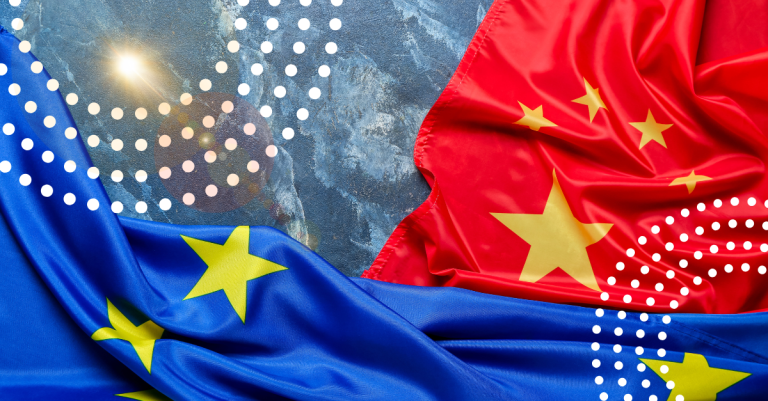
    China has signaled a partial retreat from its rare earth export restrictions by offering a fast-track licensing process — dubbed a “green channel” — for eligible European Union companies, in a move seen as a lifeline for auto manufacturers on both sides of the Atlantic.

    The announcement came following high-level trade talks in Paris between Chinese Commerce Minister Wang Wentao and EU Trade Commissioner Maros Sefcovic. Wang reportedly encouraged the EU to take “reciprocal steps” in fostering compliant high-tech trade with Beijing.

    The rare earths licensing bottleneck, triggered by China’s export curbs in April, has placed immense strain on global auto supply chains, with materials critical to electric vehicle motors, combustion engines, and electronics held up in customs.

    Now, according to sources cited by Reuters, General Motors, Ford, and Stellantis suppliers have received license approvals. Stellantis confirmed that it has avoided major production disruptions and is “working with suppliers and institutions to ensure an efficient licensing process.”

    Europe’s Auto Sector Breathes — Cautiously

    While the move was welcomed by European automakers, analysts remain skeptical about the practical implementation of China’s promised fast-tracking. Maximilian Butek of the German Chamber of Commerce in China called the process a “bureaucratic monster,” expressing doubts that approvals will genuinely speed up.

    “This is retaliation against U.S. tariffs,” Butek added, noting that European companies now feel caught in the crossfire. “It’s not enough to announce it — China needs to prove it’s serious.”

    The European Automobile Manufacturers’ Association (ACEA) had earlier warned that production stoppages were imminent due to depleted rare earth magnet inventories. Companies like Volkswagen, Ferrari, Renault, and Volvo were reportedly days or weeks away from forced shutdowns.

    Further compounding the pressure, Japanese automaker Suzuki has already suspended production of its Swift model due to raw material shortages, Reuters reported.

    China’s Rare Earth Dominance Looms Large

    China dominates the global supply chain for rare earth elements, controlling roughly 60% of production and even more in processing capacity. The April restrictions were seen as a direct response to U.S. President Donald Trump’s tariff hike on Chinese goods, intensifying an already escalating trade conflict.

    The comparison to the 2020 semiconductor crisis is increasingly apt. As Jonathan O’Riordan from ACEA warned, “We’re entering a very critical moment — those stocks are being exhausted. We are potentially going to see production stoppages.”

    The crisis underscores the West’s growing need to diversify supply chains and reduce reliance on a single geopolitical actor for critical materials — especially as the global shift to green energy accelerates.

  • EU Adds 13 Global Projects to Strategic List Under Critical Raw Materials Act

    EU Adds 13 Global Projects to Strategic List Under Critical Raw Materials Act

    The European Commission has expanded its list of strategic initiatives under the Critical Raw Materials Act (CRMA) by designating 13 new international projects aimed at diversifying and securing Europe’s long-term supply of essential raw materials. The newly added projects—located in Canada, Greenland, the UK, Norway, Kazakhstan, Serbia, Ukraine, Brazil, Zambia, Madagascar, Malawi, South Africa, and New Caledonia—complement the 47 strategic projects within the EU announced in March, bringing the total to 60 priority projects.

    The Commission’s focus lies heavily on critical battery materials, with 10 of the new projects targeting lithium, nickel, cobalt, manganese, and graphite. Two others center on rare earth elements (REEs), including Frontier Rare Earths’ Zandkopsdrift project in South Africa and Mkango Resources’ Songwe Hill project in Malawi, which will supply key REEs like neodymium, praseodymium, dysprosium, and terbium.

    Mkango’s Songwe Hill is paired with its Pulawy separation plant in Poland, forming a vertically integrated supply chain now backed by the EU. Together, the operations will produce 1,953 tonnes/year of Nd/Pr oxides and 56 tonnes/year of Dy/Tb oxides in the first five years of full production, with both projects enjoying coordinated EU-level support.

    In Zambia, Kobaloni Energy received strategic status for its cobalt refinery project—Africa’s first—viewed as critical for establishing a secure and traceable battery-grade cobalt supply. CEO Johnny Velloza described the EU endorsement as a major milestone toward accelerating development.

    GreenRoc Strategic Materials’ Amitsoq graphite project in Greenland also gained strategic designation, becoming the first and only such project in the country. The EU’s Commissioner for Industrial Strategy, Stéphane Séjourné, is expected to visit the site this year, underlining its growing strategic weight.

    The 13 new international projects are estimated to require a total of €5.5 billion in capital investment, with the Commission committing to deeper cooperation with host nations—particularly those with existing raw materials partnerships.

    The CRMA, which came into force in May 2024, provides a legislative backbone for the EU’s ambition to reduce critical material dependencies and accelerate projects essential to the green and digital transitions.

  • European Auto Sector Feels Strain as China’s Rare Earth Export Curbs Disrupt Supply Chains

    European Auto Sector Feels Strain as China’s Rare Earth Export Curbs Disrupt Supply Chains

    The European automotive sector is facing mounting pressure following China’s sweeping export restrictions on rare earth elements, which are critical to electric motors, high-tech components, and defense systems. Several parts suppliers have already suspended production, and major automakers like Mercedes-Benz and BMW are actively seeking ways to mitigate the risk of supply shortages.

    China’s decision in April to halt exports of a wide array of rare earths and related magnets has sent shockwaves through global industries, underlining Beijing’s dominant position—it produces about 90% of global rare earths and nearly 100% of heavy rare earths. The restrictions, introduced as part of broader trade tensions with the U.S., apply globally and have upended tightly synchronized supply chains.

    Mercedes-Benz production chief Joerg Burzer revealed that while its production remains unaffected for now, the company is working with suppliers to build “buffers” and stockpiles. Meanwhile, BMW confirmed supply disruptions within its supplier network, though its own production lines continue operating. Swedish airbag maker Autoliv and German electronics association ZVEI both confirmed the situation is under constant review, with task forces now in place.

    According to CLEPA, Europe’s auto supplier association, only 25% of export license requests from suppliers have been approved by China, with many rejected on “highly procedural grounds.” The group warned that additional factory shutdowns are likely.

    The issue is further complicating the already fragile geopolitical standoff between China and the U.S. President Donald Trump, who recently scaled back punitive tariffs following market turbulence, has accused China of violating recent truce terms. Chinese President Xi Jinping and Trump are expected to discuss the curbs in an upcoming call, with rare earths expected to top the agenda.

    With few viable alternatives to Chinese supply in the short term, auto manufacturers are scrambling to innovate. BMW has introduced magnet-free electric motors, while ZF and BorgWarner are developing low- to zero rare earth models—but commercial scalability remains years away.

    “There is no solution for the next three years except to come to an agreement with China,” said Andreas Kroll, managing director of Noble Elements, a rare earth importer.

    As rare earth supplies dwindle and diplomatic tensions escalate, Western governments are under growing pressure to accelerate diversification efforts. Brussels has already identified 13 non-EU mining projects to help reduce critical mineral dependency, and the EU’s industrial strategy chief Stephane Séjourné emphasized the urgency: “The export curbs increase our will to diversify.”

  • Ukraine and U.S. Seal Controversial Minerals Deal After Tense Talks

    Ukraine and U.S. Seal Controversial Minerals Deal After Tense Talks

    Ukraine and the United States signed a landmark minerals and profit-sharing agreement on April 30 in Washington, marking the end of months of turbulent negotiations and the beginning of a new phase of economic cooperation focused on reconstruction.

    The agreement gives the U.S. preferential access to future Ukrainian mineral deals and establishes a joint investment fund for rebuilding Ukraine’s war-torn infrastructure. It also secures Ukraine’s full sovereignty over its natural resources, following President Volodymyr Zelensky’s refusal to sign earlier versions that would have required Ukraine to repay past military aid or relinquish control of key assets.

    “This is a win for Ukraine,” said Prime Minister Denys Shmyhal. “We will attract major investments, secure growth, and remain in control of our critical minerals.”

    The U.S. had previously pushed for terms granting it up to 50% of Ukraine’s revenues from rare earths, oil, and gas, and even a stake in infrastructure like ports. President Donald Trump reportedly demanded repayment of $300 billion in aid and up to $500 billion in future mineral revenue — conditions Kyiv firmly rejected.

    Only after Zelensky sent Trump a letter expressing willingness to negotiate and praising U.S. support did tensions ease. “Nobody wants peace more than the Ukrainians,” Trump quoted Zelensky as writing, using the letter to bolster support for the deal during a speech to Congress.

    The final agreement establishes a joint fund where both nations will equally manage proceeds from newly issued licenses for critical minerals. For the first ten years, profits will be reinvested into Ukraine’s infrastructure and economic development. Past revenues and aid are excluded, and there are no debt obligations.

    Ukraine’s mineral wealth includes Europe’s largest lithium deposits, 20% of global graphite resources, and significant reserves of rare earth elements vital to defense and green technologies. But much of this wealth lies in or near Russian-occupied territories, making future exploitation a complex and risky endeavor.

    Despite securing equal partnership terms and full resource control, the deal offers no U.S. security guarantees. Critics say the agreement may remain symbolic if the war drags on.

    Still, U.S. Treasury Secretary Scott Bessent called the agreement a signal to Russia of Washington’s enduring support for a “free, sovereign, and prosperous Ukraine.”

  • China Deepens Grip on Uzbekistan’s Mineral Sector Amid Global Race for Critical Resources

    China Deepens Grip on Uzbekistan’s Mineral Sector Amid Global Race for Critical Resources

    As global powers intensify their pursuit of critical minerals, Central Asia has emerged as a strategic pivot. Among its nations, Uzbekistan stands out—not only for its rich deposits of copper, tungsten, molybdenum, and rare earth elements, but also for its increasingly central role in China’s mineral strategy.

    Already heavily involved in the region’s energy and infrastructure sectors, China has taken a proactive investment stance in Uzbekistan’s mining industry. In 2024, Limaomaoli Metal Company launched construction of the Syurenata mining complex in Parkent, aimed at processing 1 million tons of iron ore concentrate annually. Simultaneously, China Baoli Technologies is investing $200 million in a non-ferrous metal facility in the Ipak Yuli Free Economic Zone, targeting up to 45,000 tons of annual output with $18 million in export potential.

    Copper, a linchpin in global energy transition efforts, is another key focus. China Mining Energy Group is spearheading a $200 million copper mining project in Chust (Namangan region), expected to yield 30,000 tons per year and create 420 local jobs. Additionally, Boi Yi Da is planning a new copper processing plant in the same region, while a $2.7 billion project to tap copper and silver reserves in Bobotog is under negotiation.

    For Uzbekistan, these ventures promise significant job creation, technological transfer, and a move up the value chain—critical steps toward its goal of becoming a producer of value-added mineral products. They also reflect Tashkent’s broader push to localize mineral processing, boost exports, and attract FDI into downstream sectors.

    For Beijing, meanwhile, these deals help secure raw materials essential for its green economy and industrial resilience, while also reducing reliance on vulnerable maritime supply routes. The copper and iron ore flowing from Uzbekistan may soon become vital to China’s supply diversification strategy.

    Yet, the growing Chinese footprint is not without challenges. Concerns around environmental degradation and transparency in resource deals are mounting. Public unease over Chinese firms acquiring mineral rights is increasingly voiced in Uzbek media and civil society. Moreover, critics warn that unless Chinese investments support advanced processing, Uzbekistan risks becoming locked into the role of a mid-tier raw exporter.

    There’s also increasing Western interest. France has inked uranium deals with Tashkent, and the U.S. recently signed a critical minerals investment agreement. China’s accelerated moves may reflect efforts to edge out competitors and reinforce dominance over global mineral supply chains.

    Ultimately, China’s growing influence in Uzbekistan’s mining sector presents both a strategic opportunity and a test. A long-term, mutually beneficial partnership will require more than capital—it will demand transparency, environmental responsibility, and alignment with Uzbekistan’s industrial transformation goals.

  • Uzbekistan’s Tech Metals Plant Joins International Tungsten Industry Association

    Uzbekistan’s Tech Metals Plant Joins International Tungsten Industry Association

    The Uzbek Technological Metals Plant (UKTM) has officially joined the International Tungsten Industry Association (ITIA), according to the Uzbek news agency UzA. The ITIA brings together leading global companies involved in the extraction and processing of tungsten. With this move, Uzbekistan becomes the first Central Asian country to be represented in the association.

    UKTM expects that membership in the ITIA will grant access to vital data and analytics on the global tungsten market and allow the plant to participate in international industry events.

    The plant was established in June 2024 by the Almalyk Mining and Metallurgical Combine under presidential directive. It is tasked with developing and processing Uzbekistan’s reserves of rare and rare-earth metals, including lithium, tungsten, tantalum, niobium, magnesium, and others.

    The enterprise is planning 34 research and geological exploration projects worth a total of $40 million. Farhad Abdullaev, formerly head of the Uchtepa district in Tashkent, has been appointed Chairman of the Board.

    Earlier this year, Uzbekistan announced its intention to launch rare-earth material projects worth $500 million. President Shavkat Mirziyoyev instructed a 10–15% reduction in production costs at Navoi Mining and Metallurgical Combine (NMMC), as well as the expansion of localization and industrial cooperation.

    In March, the President was presented with industrial projects totaling $2.6 billion, aimed at developing minerals critical to Uzbekistan’s economy. Among them was the development of the Ingichka deposit and value-added tungsten concentrate enrichment, expected to double its added value.

    The ITIA, founded in 1988, conducts tungsten market research, monitors regulatory developments, and coordinates scientific research. It currently includes 51 member companies from countries such as the U.S., Canada, the UK, Germany, China, and Japan.