Tag: environmental protection

  • Regulatory Framework for Mining in Kazakhstan: An Overview

    Regulatory Framework for Mining in Kazakhstan: An Overview

    Kazakhstan’s mining sector is governed by a comprehensive legal framework that ensures state ownership of minerals while facilitating foreign investment. The Republic of Kazakhstan (ROK) retains ownership of subsoil resources, granting licenses for exploration and mining to legal entities. The Code on Subsoil Use 2017 (SSU Code) categorizes mineral resources into solid minerals, hydrocarbons, and uranium, with the Ministry of Industry and Infrastructural Development (MIID) overseeing solid minerals, while the Ministry of Energy (MOE) manages uranium and hydrocarbons due to their significance for energy security.

    The SSU Code is modelled on Australian and Canadian practices and outlines various types of licenses for subsoil rights, including exclusive exploration and mining licenses. Foreign investors can hold mining rights without restrictions, provided they comply with the SSU Code. The licensing process has been digitized to prevent overlaps in mining licenses, and applications can be submitted online. Exploration licenses are essential for obtaining mining licenses, with holders having exclusive rights to apply for mining licenses within their exploration area.

    Kazakhstan’s regulatory environment also includes provisions for environmental protection, requiring permits for activities with potential environmental impacts. The Environmental Code mandates environmental impact assessments (EIA) and public consultations before permits are granted. Furthermore, the ROK has pre-emptive rights over strategic subsoil plots, ensuring that the government retains control over critical resources.

    Foreign lending is generally unrestricted, although lenders must navigate specific regulations related to subsoil rights. Tax legislation in Kazakhstan is subject to frequent changes, impacting corporate income tax, VAT, and other fees associated with mining operations. However, tax incentives may be available for investors engaging in significant development projects.

    Overall, Kazakhstan’s mining sector offers a structured and transparent regulatory framework aimed at attracting foreign investment while safeguarding national interests and environmental standards.


  • Kazakhstan Tightens Oversight of Gold Mining Sector as Six Extraction Permits Are Revoked in 2025

    Kazakhstan Tightens Oversight of Gold Mining Sector as Six Extraction Permits Are Revoked in 2025

    Kazakhstan has revoked six gold mining permits so far in 2025 across the Aktobe, Turkistan, East Kazakhstan, and Abai regions, according to the Ministry of Industry and Construction. Although significant, the figure is lower than in 2024, when the government annulled twice as many contracts for gold-bearing ore extraction. Authorities say the revocations stem from violations of legal requirements and breaches of land-use and lease conditions.

    Members of Parliament argue that punitive measures must be strengthened further. Lawmakers are calling for tougher criminal penalties for illegal mining and the creation of a “blacklist” of irresponsible subsoil users who would face obstacles when seeking new contracts. Deputies believe such steps would reduce environmental risks and increase accountability for land rehabilitation at mining sites, LSM.kz reports.

    Earlier, the Mazhilis introduced amendments to the existing Subsoil Code. The draft legislation would require auction winners to pay their signing bonuses before receiving a subsoil licence. Those who fail to make the payment would be banned from using subsoil resources for five years and prohibited from acquiring related rights through third parties.

    These reforms reflect Kazakhstan’s broader effort to enforce stricter compliance, improve environmental protections, and ensure responsible resource development across the mining sector.

  • Montenegro’s NGOs Warn Draft Mining Law Threatens Constitutional Rights, Environment, and Public Interest

    Montenegro’s NGOs Warn Draft Mining Law Threatens Constitutional Rights, Environment, and Public Interest

    A coalition of 39 Montenegrin non-governmental organizations, activists, and citizens has issued an open letter urging Prime Minister Milojko Spajić and key ministers to immediately halt public debate on the country’s Draft Law on Mining. The group argues that the proposed legislation poses a direct threat to constitutional rights, private property, environmental protection, and the broader public interest.

    The signatories demand that the government withdraw the draft and launch a completely new, transparent drafting process that includes full participation from experts, local communities, academia, and civil society. They stress that the final version must comply with the Constitution of Montenegro, EU law, and international conventions.

    Central to their concerns is the draft law’s designation of mining as an “activity of public interest,” which they say enables — for the first time — the expropriation of private property for mining projects even against the will of property owners. This, they argue, constitutes misuse of the public interest as defined by Article 58 of the Constitution and contradicts Montenegro’s constitutional commitment to functioning as an ecological state.

    The groups also warn that the draft abolishes the requirement for environmental impact assessment (EIA) consent in mining permitting. Under the proposal, key mining approvals would no longer require expert review or oversight by environmental authorities. Activists say this would allow projects with potentially irreversible ecological consequences to move forward without scientific scrutiny, regulatory control, or public transparency.

    Another major point of criticism is the concentration of power within a single ministry. The draft gives the Minister of Energy and Mining the sole authority to approve changes to mining projects, including deviations from initial designs, without oversight by other institutions. According to critics, this opens the door to arbitrary decision-making, conflicts of interest, and corruption.

    NGOs further argue that the draft is inconsistent with EU environmental and human rights standards. They question the law’s stated aim of providing “legal protection to companies operating in accordance with regulations,” asking whether such protection is intended against domestic law, European norms, or international obligations — suggesting the draft prioritizes mining interests over public welfare.

    Penalties for violations are also deemed inadequate. The draft proposes fines as low as €1,000 to €2,000 for individuals and €15,000 to €20,000 for legal entities — levels critics say are too small to deter serious misconduct, making it cheaper for concessionaires to break the law than to comply.

    The letter additionally highlights serious financial risks. Any approvals or concessions issued under an unconstitutional or legally flawed law could be overturned in court, potentially obliging Montenegro to pay millions in compensation to investors or affected citizens. Such exposure, they argue, could undermine fiscal stability and saddle taxpayers with long-term financial burdens.

    The signatories conclude that mining “must not be an excuse for taking away homes, destroying nature, and endangering the future of our children,” calling on the government to act responsibly and uphold constitutional and public interest principles.

  • Kyrgyzstan Launches Underground Gold Mining at Kumtor, Prioritizing Sustainability and State Control

    Kyrgyzstan Launches Underground Gold Mining at Kumtor, Prioritizing Sustainability and State Control

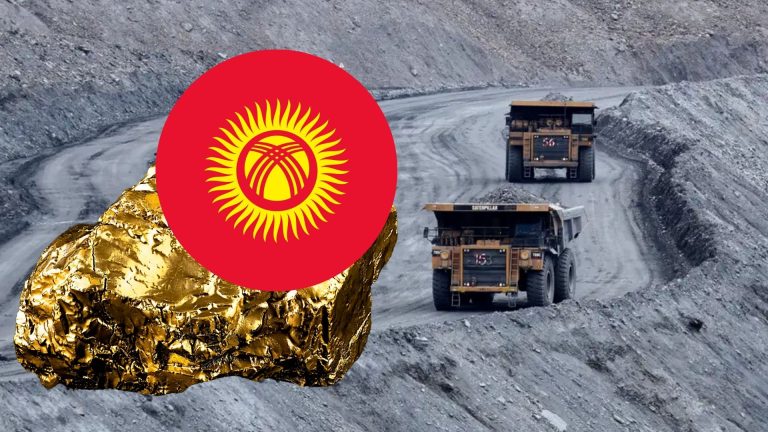
    BISHKEK, Kyrgyzstan — President Sadyr Zhaparov officially launched an underground gold mining project at the Kumtor Gold Company during a working visit to the Issyk-Kul region on Wednesday, marking a significant shift in the country’s mining strategy and environmental approach.

    The project, which builds on over 1,600 meters of developed tunnels, is set to tap into high-grade ore deposits containing over 5 grams of gold per ton. The underground operation is expected to last 17 years and has added 147 tonnes of gold to Kyrgyzstan’s state reserve balance.

    President Zhaparov hailed the move as both an economic and environmental milestone.

    “This marks a new chapter for Kumtor — one that aligns with our goals of sustainable development and environmental protection, especially in preserving our glaciers,” he said.

    The president underscored the importance of the Kumtor deposit’s return to state ownership, calling it a historic achievement. Under domestic management since May 2021, Kumtor has generated $3.45 billion in revenue, of which $891.6 million has gone to the state budget. Over 54 tonnes of gold have been produced in that time, with $441 million in dividends transferred to the state — a dramatic increase compared to just $100 million during the previous 28 years of foreign operation.

    The project is being executed entirely by local specialists, with underground mining chosen for its lower environmental impact compared to open-pit methods. While open-pit operations will continue, the strategic focus will increasingly shift underground.

    Zhaparov also revealed plans to process gold-rich tailings and develop new sites, including the Togolok deposit and the Jangart exploration area, as part of Kyrgyzstan’s broader efforts to maximize national resource benefits.

  • Zijin Plans New High-Tech Investments in Serbia Amid Environmental Scrutiny

    Zijin Plans New High-Tech Investments in Serbia Amid Environmental Scrutiny

    Chinese mining giant Zijin Mining has announced plans for new investments in Serbia, pledging to employ advanced technologies and uphold high environmental standards. The news came following a meeting on July 15 between Zijin representatives and Serbian Prime Minister Đuro Macut in Belgrade, as reported by the Serbian News Agency.

    According to the government, Zijin reiterated its commitment to “green development,” the company’s guiding principle, and discussed future expansion in Serbia’s mining sector. Prime Minister Macut urged the company to enhance environmental protection efforts, particularly in the Bor region and across eastern Serbia.

    Zijin’s activities in the region have sparked controversy due to allegations of environmental degradation and pollution. While environmental groups have raised concerns about the company’s impact on local ecosystems, Zijin maintains it operates within environmental standards.

    Zijin entered Serbia in December 2018 through a strategic partnership with the government, acquiring a majority stake in the Bor Mining and Smelting Basin—now known as Serbia Zijin Copper. The company has since invested heavily in Serbian mining, notably launching the Čukaru Peki copper-gold mine in October 2021, following acquisitions from U.S.-based Freeport McMoRan and Canadian firm Nevsun Resources.

    With full ownership of the upper and majority control of the lower Čukaru Peki deposit, Zijin has significantly expanded its global resources, reporting total copper reserves of 57.24 million tons and gold reserves of 1,889 tons.

  • New Environmental Initiatives in East Kazakhstan to Reduce Harmful Emissions

    New Environmental Initiatives in East Kazakhstan to Reduce Harmful Emissions

    In a significant move to bolster environmental protection in East Kazakhstan, the government has outlined plans to reduce harmful emissions and improve ecological conditions in the region.

    According to the roadmap for East Kazakhstan and the city of Ust-Kamenogorsk for 2024-2026, several key environmental measures are set to be implemented. Two of the most notable initiatives include:

    1. Modernization of Sulfur Dioxide Cleaning Units: At the Ust-Kamenogorsk Metallurgical Complex of Kazzinc LLC, the modernization of sulfur dioxide cleaning units is expected to reduce sulfur dioxide emissions by 2,200 tons by 2026. This project aligns with the indicators of the national project “Green Kazakhstan” and aims to significantly lower air pollution.
    2. Construction of the ‘Hydropolymer’ Facility: A new ‘Hydropolymer’ facility will be built at the Ridder Metallurgical Complex of Kazzinc LLC. This project is anticipated to decrease sulfur dioxide emissions by 714 tons in 2024, contributing to a cleaner environment in the region.

    The Ministry of Ecology and Natural Resources, in collaboration with local akimats, has approved 19 roadmaps aimed at comprehensively addressing environmental issues in each region. These roadmaps include measures to reduce air, water, and soil pollution, implement the best available technologies in enterprises, manage waste, and promote environmental education.

    It is expected that these measures will result in a 10-20% reduction in harmful emissions across East Kazakhstan.

    This initiative follows a request from senators for information on planned measures to combat ecological pollution in the country, highlighting the government’s commitment to environmental protection and sustainability.

  • German MPs Criticize Lithium Mining in Serbia Amid Human Rights and Environmental Concerns

    German MPs Criticize Lithium Mining in Serbia Amid Human Rights and Environmental Concerns

    German Left Party MPs have raised concerns over the mining of lithium in the Jadar Valley, Serbia, questioning their government’s stance and expressing dissatisfaction with the responses provided. According to Cornelia Möhring, a Die Linke MP, the German government’s answers reflect its prioritization of geopolitics and industrial interests over democratic principles and environmental protection. Möhring highlighted that local Serbian communities have been protesting for years against industrial lithium mining due to its harmful consequences, facing threats and persecution in return.
    In a recent inquiry, Möhring, alongside MPs Gregor Gysi and Susanne Hennig-Wellsow, criticized the German government for failing to address key concerns, including environmental violations and threats against Serbian environmental activists. The Federal Ministry of Economy and Climate Protection, representing the German government, avoided providing clear commitments on human rights and ecological standards.

    The MPs cited the “Strategic Partnership Agreement for Sustainable Raw Materials”, signed in July 2024 by German Chancellor Olaf Scholz, Serbian President Aleksandar Vučić, and EU Vice President Maroš Šefčovič. This agreement opens doors for Rio Tinto’s lithium mining operations in Serbia, which activists claim disregard environmental and democratic standards.

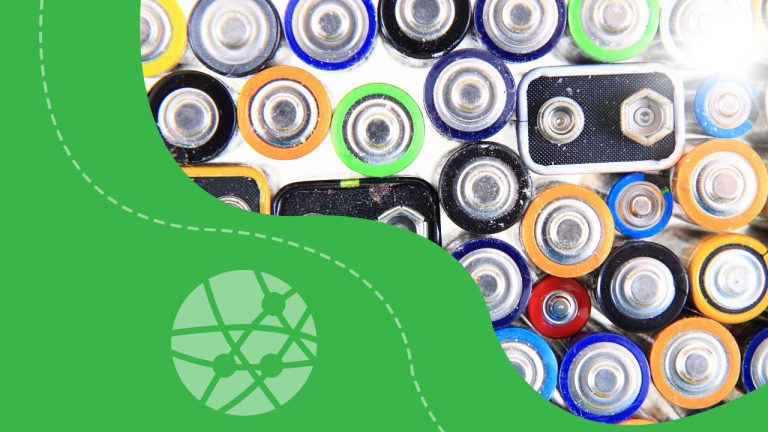
    Möhring criticized the government for neglecting Serbia’s deteriorating democracy and rule of law, accusing it of prioritizing cheap electric car batteries over human rights. She called for an immediate moratorium on the lithium deal and urged a reassessment of Germany’s foreign policy to ensure transparency and accountability.

    Another Die Linke MP, Gökay Akbulut, condemned the German government for relying entirely on Serbian authorities to enforce environmental standards. He stated that this unprincipled approach undermines both environmental efforts and democratic values, signaling that economic interests outweigh ethical considerations.

  • Rio Tinto CEO Addresses Public Concerns Over Jadar Project

    Rio Tinto CEO Addresses Public Concerns Over Jadar Project

    In an op-ed published today in Politika, Rio Tinto’s CEO, Jakob Stausholm, acknowledged the public’s concerns about the controversial “Jadar” project. Stausholm emphasized that the company respects and understands the worries of Serbian citizens and is ready to address any questions that may arise.

    He pointed out that there is a significant amount of misinformation and misinterpretation circulating about both the Jadar project and Rio Tinto, claiming that this is part of a well-coordinated campaign to spread disinformation. “This is the first time in our long history that the company has faced such a situation,” Stausholm remarked. He added that the project is causing confusion, concern, and division among the public, with employees even receiving threats and online harassment.

    Stausholm reaffirmed his commitment to ensuring that the project will be developed in a safe manner, in line with the highest standards of environmental protection, social responsibility, and corporate governance. He also emphasized that all environmental impact studies will be subject to public review, allowing citizens to provide feedback, questions, and suggestions to improve the studies.

    He further mentioned that Rio Tinto is advocating for more public debates, similar to the one held last Saturday in Ljubovija, which was broadcast by local media.

  • Serbian President Demands German Guarantee for Environmental Protection in Lithium Mining

    Serbian President Demands German Guarantee for Environmental Protection in Lithium Mining

    “We will not open a lithium mine until the Germans guarantee that we will have clean rivers and mountains,” said Serbian President Aleksandar Vučić, emphasizing the need for dialogue on utilizing this crucial strategic resource. The Serbian government suspended the regulation for the lithium mining area two years ago after massive protests against a mine in the Jadar Valley. At the time, Prime Minister Ana Brnabić stated, “We have ended the agreement with the Rio Tinto company in Serbia.”

    Four and a half years later, it appears that the agreement hasn’t completely ended. Brnabić now claims that “lithium opponents have slowed everything down,” adding that Serbia, by using lithium domestically for battery production instead of exporting it, could become a European leader for the next century. She criticized opponents, claiming their resistance aims to “destabilize Serbia.” Vučić argued that the ban on lithium mining was a “manipulative move by Western intelligence services to stop our development.”

    The Serbian lithium debate has become a geopolitical issue. The discussion reignited after the adoption of the European Critical Raw Materials Act (CRMA), which includes Serbian lithium. Vučić and European Commission Vice-President Maroš Šefčovič signed a pledge for strategic cooperation between Serbia and the EU regarding the CRMA act.

    Tilman Kuban, a German MP from the Christian Democratic Union Party (CDU/CSU), emphasized the importance of ensuring all project aspects are verified, viewing it as a significant opportunity for Serbia to support Europe. Vučić recently called on Germany to act as a judge in the case of lithium mining, despite numerous opinions from Serbian scientists and institutions like the Serbian Academy of Arts and Sciences (SANU) and the University of Belgrade.

    Germany’s role in the lithium issue in Serbia is not new. Petar Đurčić, a researcher at the Institute for European Studies, noted Germany’s interest in Serbian lithium since the topic first arose. During her farewell visit to Serbia in September 2021, former German Chancellor Angela Merkel acknowledged Germany’s interest in Serbian lithium, given its importance for battery development and future mobility, while also stressing the need for ecological standards.

    Despite the fluctuating relationship between the Serbian government and Germany, Kuban’s visit and statements could be significant, especially since the CDU has the highest approval ratings in Germany and may return to power in the next election. Đurčić explains that Kuban, supporting Bavarian Prime Minister Markus Söder as a chancellor candidate, represents a faction within the CDU.

  • Serbian President Vows Environmental Protection Amid Lithium Mining Dispute

    Serbian President Vows Environmental Protection Amid Lithium Mining Dispute

    Serbian President Aleksandar Vucic reassured citizens on Friday that protecting people and the environment would remain a top priority following the constitutional court’s decision to greenlight a disputed lithium mining project. On Thursday, Serbia’s top court ruled against the 2022 government decision that halted Rio Tinto’s multibillion-dollar project, aimed at exploiting some of Europe’s largest lithium deposits, a critical mineral for electric vehicle batteries.

    The court found that revoking Rio Tinto’s permits was “not in line with the constitution and the law”, though it emphasized that the government has the final say on the project’s continuation. Vucic affirmed that the government would respect the court’s ruling, stating, “I have no intention of agreeing with the project if it endangers people and the environment.”

    Despite the 2022 halt, many opponents of the mine believe Vucic supports its progression. In a June interview with the Financial Times, Vucic hinted that the lithium mine could start as early as 2028, contingent on new assurances from Rio Tinto. This statement reignited public concern and led to a new wave of protests.

    On Friday, Vucic pledged to consult with experts before making a final decision. “From an economic point of view, there isn’t any doubt, but before economic considerations, environmental ones must be considered,” he said.

    Rio Tinto welcomed the court’s decision, with project director Chad Blewitt stating the project could become a “world-class” asset developed safely according to both Serbian and EU standards. According to Rio Tinto, the Jadar mine could produce 58,000 tonnes of lithium annually, sufficient for 1.1 million electric vehicles.

    In 2022, following massive protests, the government invalidated the project’s permits, with activists arguing it threatened the Jadar valley’s environment, an agricultural region in western Serbia.