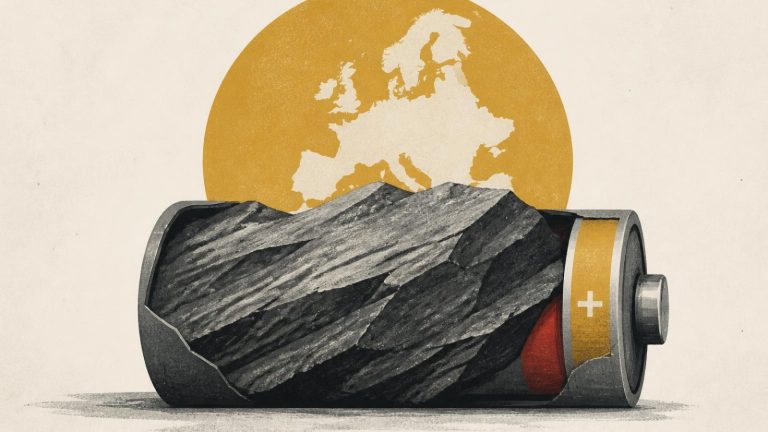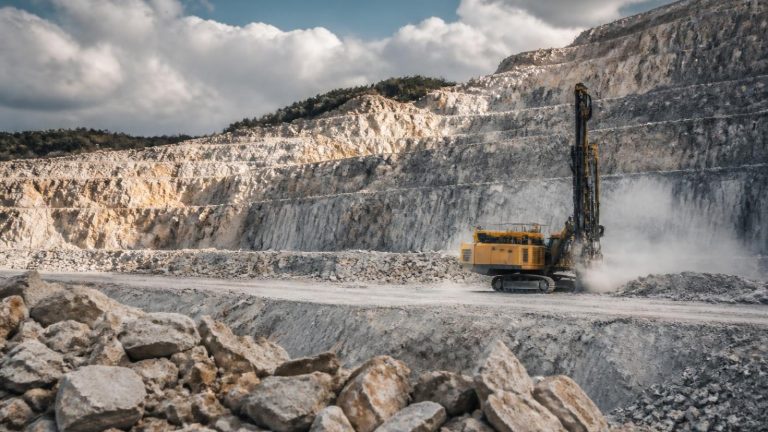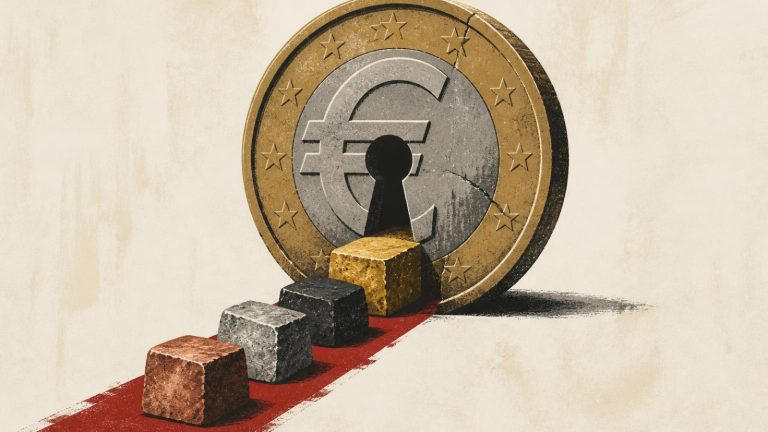
The European Union (EU) is set to commence the initial phase of its groundbreaking plan for the world’s first carbon border tax next month. Under this plan, importers will be required to disclose the carbon dioxide (CO2) emissions associated with products sold into Europe, such as steel and cement. Failure to comply may result in financial penalties. The primary objective of this new regime is to safeguard domestic EU industries from being undermined by foreign competitors that have higher levels of pollution. The EU aims to achieve this while simultaneously encouraging investment in emission reduction. By 2026, when the plan is fully implemented, imports into the EU will be subject to a CO2 fee equivalent to what European companies already pay in Europe’s carbon market.
Turkey, Ukraine, China, and Russia are expected to be the countries with the largest exports affected by the CO2 tax, although EU trade with Russia has significantly declined since the Ukraine conflict. Industries in Europe, Ukraine, and Britain have expressed minimal concerns about the initial impact but have cautioned against potential significant repercussions once the full CO2 levy is introduced in 2026.
Starting in October, the trial phase of the CO2 levy will mandate companies importing steel, cement, aluminum, electricity, fertilizers, and hydrogen into the EU to disclose the emissions associated with the production of these goods. Failure to report may lead to penalties of up to 50 euros per tonne of CO2. From 2026 onwards, a CO2 fee will be imposed on goods imported into the EU.
A spokesperson from UK Steel has mentioned that they do not anticipate a significant impact during the initial reporting phase. Similarly, a representative from ArcelorMittal Kryvyi Rih, the Ukrainian subsidiary of steelmaker ArcelorMittal, has stated that they have almost all the necessary data to comply with the reporting requirements. However, concerns have been raised about the cost of adaptation and the competitiveness of Ukrainian products in 2026, as companies have limited resources to invest in decarbonization during times of conflict.
It is worth noting that the border fee will not be applicable to imports from countries that have a CO2 price equivalent to that of the EU. This provision could prove advantageous for Ukraine, as it aligns its climate policies with those of the EU in its bid to join the bloc. Additionally, the EU levy includes exemptions for countries facing unprovoked situations that result in infrastructure destruction. The effectiveness of this clause in addressing Ukraine’s exceptional circumstances will be assessed in due time, according to a European Commission official.
Brussels hopes that the border levy will utilize Europe’s market influence to encourage foreign companies to reduce emissions and avoid the CO2 fee. However, foreign companies, including those from China, have expressed concerns about potential consequences. The Secretary General of the China Iron and Steel Association, Jiang Wei, stated that the policy could increase the price of Chinese steel exports to the EU by 4-6%. Chinese steelmaker Baowu Steel Group also described the EU levy as a significant challenge, highlighting the capital-intensive and time-consuming nature of modifying technological processes in the steel industry.
Initially, importers can utilize default values to calculate the CO2 footprint of goods if suppliers do not provide precise data. The first reports are due in January. European industries have urged Brussels to ensure that this leniency is only temporary. Industry experts have emphasized that the use of real emissions data is crucial to effectively penalize power generators with the highest carbon intensity. They have called for the transitional phase to be utilized to close loopholes and establish more robust rules to combat circumvention. Concerns about circumvention are expected to heighten as the full launch of the levy approaches in 2026, coupled with Brussels’ gradual phasing out of the free CO2 permits currently granted to European companies to reduce their carbon footprint.