Tag: critical minerals

  • REsourceEU Puts Europe’s Critical Minerals Strategy Into Action With Early Molybdenum and Lithium Backing

    REsourceEU Puts Europe’s Critical Minerals Strategy Into Action With Early Molybdenum and Lithium Backing

    Europe’s newly launched €3-billion REsourceEU funding package marks a decisive shift in the continent’s approach to securing resilient, competitive supply chains for critical and strategic raw materials. The first wave of support targets a select group of molybdenum and lithium projects, signalling that Brussels is moving beyond policy blueprints toward tangible industrial capacity.

    As reported by euromining.news, these early selections demonstrate that the EU’s critical raw materials agenda is entering an execution phase, focused on easing bottlenecks in alloy production, battery manufacturing and clean-technology deployment.

    Molybdenum moves into the strategic spotlight
    While it attracts far less attention than battery metals, molybdenum is essential to Europe’s industrial backbone. As a key alloying element in high-performance steels, it underpins defence manufacturing, energy infrastructure, petrochemicals and advanced engineering.

    Europe’s heavy reliance on imported molybdenum leaves these sectors exposed to geopolitical risk and price volatility. By prioritising European molybdenum projects under REsourceEU, the Commission is acknowledging that strategic vulnerability extends well beyond lithium and rare earths. Industrial resilience depends on securing the full spectrum of critical alloying materials that modern manufacturing requires.

    Lithium funding reinforces battery-chain ambitions
    Lithium remains central to Europe’s push to build a competitive battery ecosystem. Conversion plants across Germany, France, Portugal and the Nordic region are racing to scale production of battery-grade lithium chemicals, aiming to establish domestic midstream hubs in a market still dominated by fragmented and geopolitically sensitive global supply chains.

    REsourceEU funding is expected to reduce financing risk, unlock delayed investments and accelerate project timelines. This support is arriving at a critical moment, as European gigafactory capacity expands rapidly and automakers seek stable, low-carbon lithium supply.

    From policy vision to industrial reality
    The broader ambition of REsourceEU is to translate Europe’s raw-materials strategy into operational infrastructure. As highlighted in recent euromining.news analysis, long-term industrial competitiveness now hinges on secure, diversified and environmentally responsible material flows.

    By backing early leaders in molybdenum and lithium development, the EU is sending a clear signal: Europe intends to anchor strategic materials production at home rather than rely on volatile external suppliers. The challenge now lies in delivery. Projects must still overcome permitting hurdles, secure long-term offtake agreements and reach commercial scale.

    As construction advances and policy support deepens, euromining.news will continue to track both progress and remaining gaps to assess whether Europe’s strategic-materials ambitions translate into lasting industrial strength.

  • GreenRoc Wins 30-Year Licence to Develop High-Grade Amitsoq Graphite Mine in Greenland

    GreenRoc Wins 30-Year Licence to Develop High-Grade Amitsoq Graphite Mine in Greenland

    GreenRoc Mining Plc has secured a 30-year exploitation licence for its Amitsoq graphite project in southern Greenland, clearing a major hurdle on the path to production. The approval, signed by Greenland’s Minister for Business and Mineral Resources Naaja Nathanielsen, marks the third long-term mining permit issued by the territory this year as it seeks to attract responsible investment while managing environmental and community concerns.

    CEO Stefan Bernstein called the licence a “very important milestone” for the company, underscoring the strategic role of graphite in the global energy transition and Europe’s need to establish secure supply chains. GreenRoc’s shares surged as much as 19% on the news, giving the explorer a market value of about £7.5 million.

    Amitsoq, located in the Nanortalik region, hosts one of the world’s highest-grade graphite deposits with a JORC resource of 23 million tonnes at 20.41% graphitic carbon, containing an estimated 4.71 million tonnes of graphite. The site includes a historic mine last operated in 1922. GreenRoc plans to fast-track development and expects annual production of about 80 000 tonnes of graphite concentrate once the mine is operational.

    Earlier this year, the project received “strategic” designation from the European Union for its potential to become a key supplier of graphite, now recognised as a critical raw material. Greenland’s mining sector, long constrained by strict regulations and limited financing, has seen momentum building amid renewed US and European interest in the Arctic territory’s natural resources. In October, GreenRoc secured a €5.2-million loan from Denmark’s export credit agency to support Amitsoq’s advancement.

    Alongside the graphite project, the company also holds ilmenite and iron assets in Greenland, positioning it as a growing player in the region’s critical minerals landscape.

  • GreenRoc Wins 30-Year Licence to Develop High-Grade Amitsoq Graphite Mine in Greenland

    GreenRoc Wins 30-Year Licence to Develop High-Grade Amitsoq Graphite Mine in Greenland

    GreenRoc Mining Plc has secured a 30-year exploitation licence for its Amitsoq graphite project in southern Greenland, clearing a major hurdle on the path to production. The approval, signed by Greenland’s Minister for Business and Mineral Resources Naaja Nathanielsen, marks the third long-term mining permit issued by the territory this year as it seeks to attract responsible investment while managing environmental and community concerns.

    CEO Stefan Bernstein called the licence a “very important milestone” for the company, underscoring the strategic role of graphite in the global energy transition and Europe’s need to establish secure supply chains. GreenRoc’s shares surged as much as 19% on the news, giving the explorer a market value of about £7.5 million.

    Amitsoq, located in the Nanortalik region, hosts one of the world’s highest-grade graphite deposits with a JORC resource of 23 million tonnes at 20.41% graphitic carbon, containing an estimated 4.71 million tonnes of graphite. The site includes a historic mine last operated in 1922. GreenRoc plans to fast-track development and expects annual production of about 80 000 tonnes of graphite concentrate once the mine is operational.

    Earlier this year, the project received “strategic” designation from the European Union for its potential to become a key supplier of graphite, now recognised as a critical raw material. Greenland’s mining sector, long constrained by strict regulations and limited financing, has seen momentum building amid renewed US and European interest in the Arctic territory’s natural resources. In October, GreenRoc secured a €5.2-million loan from Denmark’s export credit agency to support Amitsoq’s advancement.

    Alongside the graphite project, the company also holds ilmenite and iron assets in Greenland, positioning it as a growing player in the region’s critical minerals landscape.

  • Kazakhstan Announces Major New Discoveries of Gold, Rare Earths and Strategic Metals as Geological Survey Intensifies

    Kazakhstan Announces Major New Discoveries of Gold, Rare Earths and Strategic Metals as Geological Survey Intensifies

    Kazakhstan is accelerating its nationwide geological exploration programme, aiming to expand the area of mapped and studied subsoil from 2.1 million sq km to 2.2 million sq km by 2026. According to the Ministry of Industry and Construction, the push is already yielding significant results: exploration work completed in 2024 across 11 sites has led to the identification of promising new deposits of precious, rare and strategic metals.

    Some of the most important discoveries span four key regions. In Abai Region, geologists have outlined forecast resources of 3,200 tonnes of beryllium, 1,100 tonnes of yttrium, and 200 tonnes of niobium. In East Kazakhstan, newly identified deposits are estimated to contain 20,600 tonnes of beryllium and 600 tonnes of tungsten.

    The Karaganda Region delivered the largest rare-earth findings, with early estimates indicating 935,400 tonnes of lanthanoids. Specialists also believe the region may host 98,700 tonnes of copper, 59,800 tonnes of yttrium, 33,480 tonnes of gallium, and 7,000 tonnes of molybdenum.

    Meanwhile, Kostanay Region emerged as the country’s gold leader, with forecast resources reaching 17,500 tonnes. Prospective copper reserves there are estimated at 13,480 tonnes.

    A separate initiative — the “Predictive Assessment of Collision-Zone Granitoids in Eastern Kazakhstan” — identified three target zones with substantial potential for niobium, zirconium, and rare-earth elements. Preliminary estimates suggest more than 500,000 tonnes of niobium, 2 million tonnes of zirconium, 947,000 tonnes of rare earths, as well as 79,800 tonnes of molybdenum and 399,100 tonnes of tungsten.

    As a result of 2024 exploration activities, five new deposits have been officially added to the national register: Kok-Zhon, Altyn-Shoko, Samombet, Studenchesky and Takyr-Kaldzhir. Newly booked reserves include 98 tonnes of gold, 36,000 tonnes of copper, 11 million tonnes of manganese, and more than 1.3 million tonnes of phosphorites.

    The discoveries underscore Kazakhstan’s growing role as a major source of critical minerals and precious metals, supporting both domestic industrialisation goals and international supply-chain diversification strategies.

  • Rio Tinto Scales Back Lithium Expansion, Prioritises Capital Discipline and Existing Projects

    Rio Tinto Scales Back Lithium Expansion, Prioritises Capital Discipline and Existing Projects

    Rio Tinto has pared back its ambitions for rapid lithium growth, telling investors at its capital markets day in London that it will limit investment to projects already under development, with any further expansion contingent on market conditions and strict returns criteria.

    CEO Simon Trott confirmed that the company will complete its current slate of lithium projects — including the Rincon brine operation in Argentina and a single spodumene mine in Canada — to reach approximately 200,000 tonnes per year of lithium capacity by 2028. This figure is below the miner’s earlier guidance of 225,000 t/y, marking a recalibration of expectations amid a volatile market.

    Trott emphasised that Rio Tinto remains bullish on long-term lithium demand, particularly from grid-scale energy storage, but said capital discipline would take precedence over aggressive growth. The company is prioritising delivery of its major ongoing developments, including the Oyu Tolgoi underground expansion in Mongolia and the Simandou iron-ore megaproject in Guinea. Group capital expenditure is expected to fall below $10 billion from 2028.

    Rio Tinto has already halted spending at the Jadar lithium project in Serbia, which has been placed into care and maintenance after regulatory setbacks. The company is also reassessing its next steps in Canada, where the Whabouchi and Galaxy deposits are under review. Energy chief Jérôme Pécresse said both projects will remain active at minimal cost while Rio evaluates which — if either — will proceed. “It’s a reasonable decision to open one mine, not two, but too early to say which one,” he said.

    Trott reiterated that any new lithium investment would move forward only when market fundamentals justify it and when projects meet Rio Tinto’s financial thresholds. The miner has allocated roughly $3 billion per year for growth across the portfolio but will not deploy capital that cannot “move the needle” in terms of shareholder value.

    “We have a clear path to 200,000 tonnes by 2028 and that will be a fantastic business for us,” Trott said. “On other projects, we’ll continue to assess them based on the market fundamentals as they come up to sanction.”

    He added that Rio Tinto still possesses “the best undeveloped lithium assets in the business,” but emphasised that growth for its own sake is off the table. Maintaining a strong balance sheet is the priority, with cost savings from asset reviews and infrastructure optimisation expected to bolster shareholder returns.

  • Kazakhstan Moves to Tighten State Control Over Uranium Reserves With New Subsoil Code Amendments

    Kazakhstan Moves to Tighten State Control Over Uranium Reserves With New Subsoil Code Amendments

    Kazakhstan’s Senate has approved, in two readings, a package of amendments to the Subsoil and Subsoil Use Code aimed at significantly strengthening state control over the country’s strategic uranium reserves. The reform marks one of the most substantial regulatory shifts in Kazakhstan’s uranium sector in recent years, reinforcing the dominant role of national company Kazatomprom and tightening restrictions on foreign participation.

    Under the proposed amendments, if geological exploration confirms uranium mineralisation or deposits, subsoil users will be required either to return the explored area to the state or to transfer priority purchase rights for uranium to the national company. Lawmakers say the measure is designed to eliminate risks associated with “parallel activities” by different subsoil users operating on overlapping or adjoining territories.

    Deputy Shakarim Buktugutov, cited by Kapital.kz, explained that the changes will limit the issuance of exploration licences in areas where uranium deposits or mineralisation have already been identified. Third parties will no longer be able to obtain licences to explore solid minerals in territories where uranium mining is already under way or where uranium occurrences have been officially confirmed.

    A company that discovers uranium deposits will only be able to extend its licence if it relinquishes the area containing uranium mineralisation. The rule will not apply to operations where uranium is produced as a by-product or to existing projects operated by Kazatomprom.

    The amendments also introduce stricter limits on foreign ownership. According to Deputy Chair of the Atomic Energy Agency Aset Makhambetov, foreign companies’ stakes in new uranium ventures will be capped at 25%.

    Current law requires that the national company hold more than 50% in joint uranium projects, but the new amendments will raise Kazatomprom’s minimum mandatory stake to 75%, consolidating state control over future uranium production and strategic resource development.

  • EU Unveils Multi-Billion-Euro Plan to Curb Dependence on China for Rare Earths Amid Rising Geopolitical Tensions

    EU Unveils Multi-Billion-Euro Plan to Curb Dependence on China for Rare Earths Amid Rising Geopolitical Tensions

    The European Union on Wednesday announced a sweeping multi-billion-euro initiative to reduce the bloc’s reliance on China for rare earths and other critical materials, as Beijing’s dominance and recent export restrictions continue to threaten European industry. China — the world’s largest producer of rare earths — unsettled global markets in October when it imposed new limits on rare earth exports used in electric vehicles, electronics, and defence technologies. Although Beijing later suspended the curbs for one year, the episode underscored the EU’s vulnerability.

    EU industry chief Stéphane Séjourné said the new measures respond to a “new global geopolitical reality,” describing China’s grip on the market as a raw-materials “racket.” The European Commission plans to mobilise nearly €3 billion to support strategic mining, refining and recycling projects across Europe and in partner countries, aiming to diversify supply and strengthen domestic production capacity.

    A key feature of the plan is the creation of a European Centre for Critical Raw Materials, modelled on Japan’s state-run metals agency. The centre will act as the EU’s supply hub, tasked with monitoring material needs, coordinating joint purchasing for member states, and managing stockpiles and emergency deliveries to industry.

    Brussels is also moving to restrict exports of permanent-magnet scrap and waste — materials that contain rare earths — beginning next year, in an effort to boost recycling and retain valuable feedstock within the EU. Targeted curbs on aluminium waste exports are also planned, with copper potentially to follow.

    The policy push comes just two years after the bloc adopted the Critical Raw Materials Act, but officials say the geopolitical landscape has changed rapidly. The EU now finds itself squeezed between China’s tightening resource controls and an increasingly assertive United States under President Donald Trump, which is aggressively pursuing bilateral deals to secure its own critical mineral supplies.

    A new survey from the EU Chamber of Commerce in China found 60% of member companies expect supply disruptions due to Chinese restrictions, while 13% warn they may have to slow or halt production altogether.

    The Commission also updated its economic security strategy, acknowledging that supply chains are being weaponised globally. EU trade chief Maroš Šefčovič said the bloc must respond to a world in which “strategic choke points are turning economic dependency into political pressure.”

    The revised doctrine calls for more assertive use of existing tools — including foreign investment screening, export controls and supplier diversification — and for developing new measures where needed.

    “Europe will continue to champion open trade and global investment, but our openness must be backed by security,” Šefčovič said, emphasising a stronger EU capacity for economic intelligence and coordinated action across member states.

  • Vulcan Energy Secures $2.56bn to Build Europe’s Largest Lithium Project, Clearing Way for Construction

    Vulcan Energy Secures $2.56bn to Build Europe’s Largest Lithium Project, Clearing Way for Construction

    Vulcan Energy has secured a $2.56 billion financing package to build what is set to become Europe’s largest lithium production project, marking a major step forward for the region’s electric-vehicle supply chain. The funding will enable construction of the Lionheart lithium project in Germany to begin immediately, after multiple years of delays linked to fluctuating lithium prices and weakened investor appetite.

    The Australia-listed company — backed by mining magnate Gina Rinehart — plans to produce around 24,000 tonnes of lithium hydroxide annually during the project’s first decade, enough to supply battery material for approximately 500,000 electric vehicles per year. The financing package is one of the largest ever assembled for a European critical minerals project and includes support from the European Investment Bank, German and EU government agencies, five export credit agencies, and seven commercial banks.

    As part of the package, Vulcan will raise up to €603 million in equity at a fixed price of €2.24 per share. The company has already secured long-term supply agreements with Stellantis, Umicore, and Glencore, with roughly 90% of the first decade of production already contracted, many of them either at fixed prices or under price-floor and price-ceiling structures.

    Executive chair Francis Wedin confirmed that the board has taken a final investment decision, telling Reuters: “It’s fully funded and we will be putting shovels in the ground on Friday.”

    Vulcan previously targeted first production in 2023, later shifting the date to 2025. The revised timeline now points to 2028. Earlier this year, the company ended its long-standing supply agreement with Renault to “free up” volumes for other buyers, while Stellantis remains both a major customer and one of Vulcan’s largest shareholders.

    Lithium prices have dropped sharply since their peak above $70,000 per tonne in 2023, with lithium carbonate trading just below $10,000 per tonne at the end of October, according to Benchmark Mineral Intelligence — a decline that has challenged new project financing across the sector. Vulcan’s ability to secure such a substantial funding package is therefore considered a significant milestone for European battery-material independence.

  • Central Asia Emerges as a Strategic Critical Minerals Hub, but Investment, Governance and Long Timelines Remain Major Hurdles

    Central Asia Emerges as a Strategic Critical Minerals Hub, but Investment, Governance and Long Timelines Remain Major Hurdles

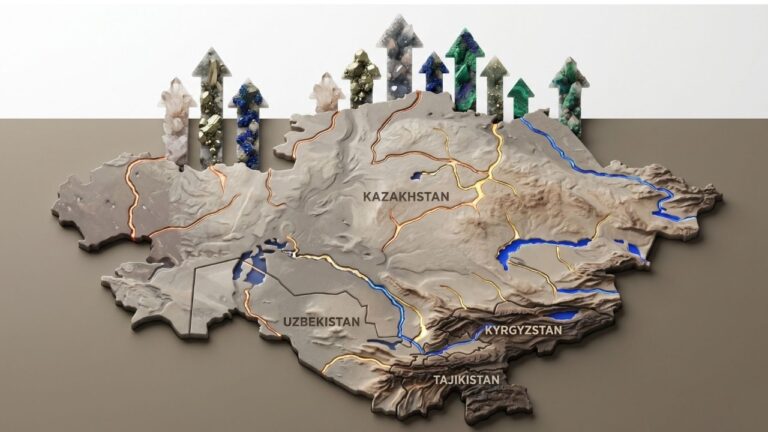
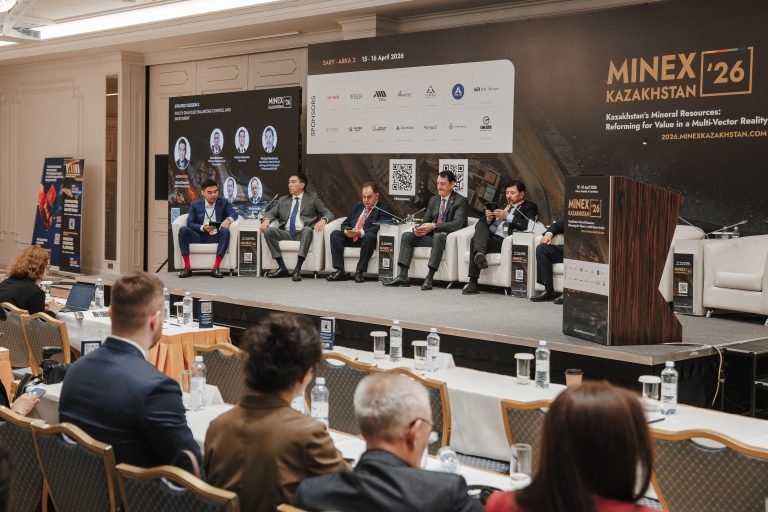
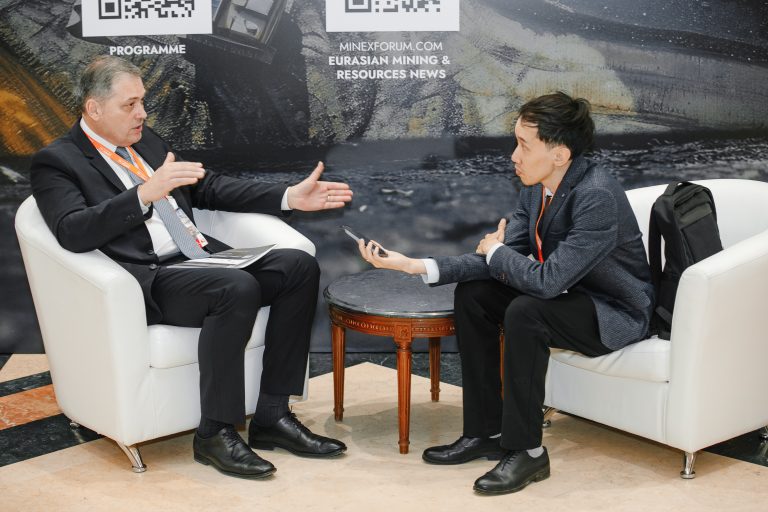
    The opening session of MINEX EURASIA 2025 — “The New Resource Frontier: Unlocking Central Asia’s Critical Minerals Powerhouse” — delivered a clear message: Central Asia has moved from a region of geological promise to a globally contested arena for critical minerals, but a substantial gap remains between ambition and execution. Speakers highlighted that while the region holds world-class deposits of lithium, tungsten, rare earth elements and other strategic minerals, underinvestment, governance challenges and slow project development continue to restrain advancement.

    The session began with a review of the region’s natural endowment. Kazakhstan — the world’s ninth-largest country — dominates regional exploration budgets, yet overall exploration spending across Central Asia remains modest compared with mature mining jurisdictions. Western participation is strikingly low, and despite a handful of standout projects, experts argued that far more risk capital is needed to convert geological maps into operating mines.

    A major theme was the mismatch between political urgency and the slow pace of mine development. Globally, the average time from discovery to commercial production now exceeds 16 years, and Central Asia is no exception. Speakers cautioned that “good geology” alone does not guarantee quick results. Long permitting timelines, regulatory uncertainty, environmental and social assessments and technical complexity remain significant barriers — all of which underscore the need for stable rules and predictable permitting systems to attract investors.

    Governance emerged as a decisive factor in Central Asia’s critical minerals trajectory. Kazakhstan was cited as a regional leader in implementing international-aligned mining reforms, including adoption of the KAZRC reporting code, a national register of qualified persons and a modernised mineral cadastre. Environmental and subsoil reforms are gradually shifting the sector away from legacy “pay-to-pollute” models toward best-available technologies and lower-impact mining. Uzbekistan, meanwhile, is rapidly implementing its own modern mining code and has expanded joint geological initiatives with Kazakhstan, signalling growing regional alignment.

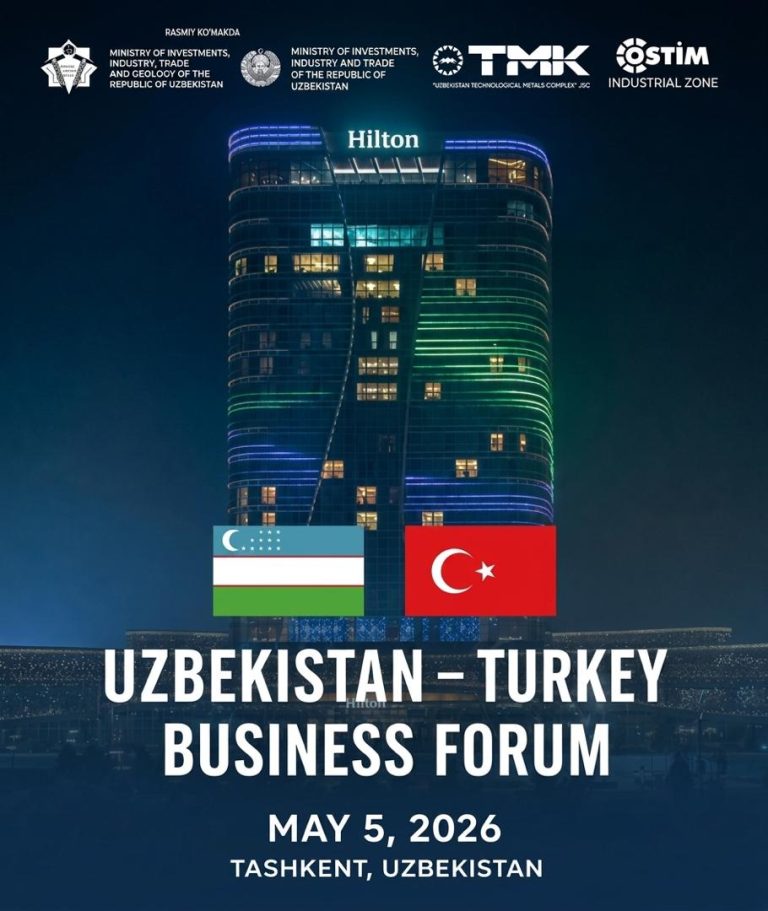
    However, Kazakhstan and Uzbekistan are pursuing distinct strategies. Kazakhstan initially expected private investors to lead in critical minerals but found they instead focused on established copper and gold assets. As a result, the Development Bank of Kazakhstan has launched a multi-year, billion-dollar programme to directly support rare earth and critical mineral projects. Uzbekistan, in contrast, has adopted a state-anchored industrial model through its Technological Metals Company (TMK), which is developing more than 100 projects across 25 minerals. Its plans include large-scale tungsten development, lithium and graphite exploration and integrated upstream–midstream–downstream industrialisation.

    Both countries are shifting from exporting raw concentrates to capturing domestic value. Kazakhstan aims to seed new industries in semiconductors, batteries, permanent magnets and heat-resistant alloys, building on existing capacity such as the Ulba Metallurgical Plant. Uzbekistan’s TMK strategy links mining projects with processing plants, technology parks and industrial clusters — many in partnership with Chinese engineering and mining groups, whose turnkey project delivery capability remains unmatched.

    The geopolitical landscape is increasingly crowded. China remains the dominant external player thanks to long-term planning, Belt and Road infrastructure, strong engineering capacity and patient capital. U.S. engagement is growing, primarily through offtake-driven agreements intended to secure supply for defence and energy industries. The EU is active but constrained by scale and speed of investment, while South Korea, Japan, Türkiye and the UK are carving out niches as specialised technology and standards partners.

    Presentations from the OECD stressed that unlocking Central Asia’s mineral wealth must go hand-in-hand with governance reforms, responsible business conduct and fair taxation frameworks. A multi-year regional programme is now under way to address environmental risks, reduce illicit financial flows and build due diligence systems, with final recommendations expected in 2026.

    The UK outlined its ambition to become a key partner in Central Asia’s critical minerals sector through new bilateral agreements, export credit tools and technical support for responsible mining. Case studies demonstrated British expertise across the full lifecycle — from exploration to mine rehabilitation.

    The session concluded with cautious optimism. Central Asia has firmly entered the global critical minerals spotlight, supported by geological potential, ongoing reforms and geopolitical attention from major economies. But speakers emphasised that turning opportunity into reality will require sustained investment, credible governance, transparent partnerships and a long-term view that balances foreign capital with local development and environmental protection.

  • Ukraine’s Lithium Ambitions: Opportunities and Challenges as Kyiv Seeks a Role in the Global Battery Metals Market

    Ukraine’s Lithium Ambitions: Opportunities and Challenges as Kyiv Seeks a Role in the Global Battery Metals Market

    Ukraine is positioning itself to enter the global lithium industry as the country prepares to close applications on December 12 for its first-ever lithium Production Sharing Agreement, covering the “Dobra” hard-rock deposit. The tender comes as Kyiv seeks to revive its mining and processing base, re-launch geological exploration and build a broader critical minerals sector that could anchor Ukraine more firmly within Western supply chains.

    The discussion follows earlier analysis of Ukraine’s role in the titanium value chain, where the country has long-standing expertise, an established presence in chloride-process feedstock and a historically strong resource base. Supporters argue that many of these strengths can be leveraged as Ukraine moves toward lithium — a metal undergoing rapid transformation and increasing geopolitical scrutiny.

    Over the past five years, lithium has shifted from a niche commodity to a key industrial material, underpinning electric vehicles, energy storage, digital infrastructure and AI-related growth. The sector has already weathered a full boom–bust cycle, marked by a dramatic 2022 price spike followed by a steep crash in 2023–2024. Market volatility, combined with the bankruptcy of battery producer Northvolt, production curtailments in Australia, the rise of South American brines and China’s entrenched dominance in refining, has reshaped the landscape for emerging producers.

    Despite turbulence, analysts expect demand to expand sharply. Forecasts from the IEA, Benchmark Mineral Intelligence and others project global lithium demand in 2035 at 3.5–4 million tonnes of LCE — three to four times current levels — driven largely by electric vehicles, grid-scale energy storage and the rapid growth of AI data centres. Evolving battery chemistries, including the rise of LFP, sodium-ion and eventual solid-state technologies, are not expected to displace lithium, only alter consumption patterns.

    On paper, the supply pipeline appears abundant, but industry experts warn that cost pressures, permitting delays and technology risks significantly constrain real-world output. Many high-cost projects failed as prices retreated to $10,000–$15,000 per tonne, underscoring the importance of cost-competitive Tier-1 and Tier-2 operations. These categories, which encompass top South American brines and efficient hard-rock mines, remain profitable even in downturns. Higher-cost Tier-3 and Tier-4 projects, including complex clays and power-intensive operations, cycle in and out of production, contributing to recurring price shocks.

    This tight supply environment supports long-term price expectations of $15,000–$20,000 per tonne, reinforcing the need for new jurisdictions to create competitive conditions for investment. For Ukraine, this means stable permitting, predictable policy and investment frameworks that allow the development of mid-tier, cost-competitive projects.

    Any discussion of future lithium supply also centers on China, which refines around two-thirds of global lithium chemicals and manufactures more than 70% of battery cells. Analysts expect China’s geographically domestic market share to shrink as new refining plants come online in Australia, Asia, the U.S. and the EU, but Chinese-controlled capacity abroad will remain substantial. Beijing is also expected to continue using state-backed tools to protect national champions during downturns, creating a competitive landscape that new producers must navigate.

    Experts highlight seven factors that determine success for emerging lithium producers: strong cost position, clear routes to market, fast permitting, robust governance and ESG frameworks, integration into geopolitical alliances, R&D capacity and development of human capital. Failure to meet these benchmarks has already sidelined many new entrants, given lithium’s cyclicality and the technological risks of unconventional extraction.

    For Ukraine, the “Dobra” PSA and other spodumene prospects offer pathways to enter European supply chains, especially with by-products such as rare metals bolstering project economics. As the world enters what many call the “New Age of Electricity,” Ukraine’s geological resources — whether lithium, graphite, copper, nickel or strategic metals such as titanium and zirconium — could elevate the country from a raw-material holder to a strategic partner.

    Analysts argue that the global race will favour countries able to combine strong geology with fast permitting, disciplined policy execution and deep integration into Western supply chains. For Ukraine, the choice is clear: remain a price-taking exporter exposed to market cycles or build the governance, investment environment and industrial partnerships needed to become a reliable supplier in a world increasingly defined by critical minerals competition.