Tag: Canada

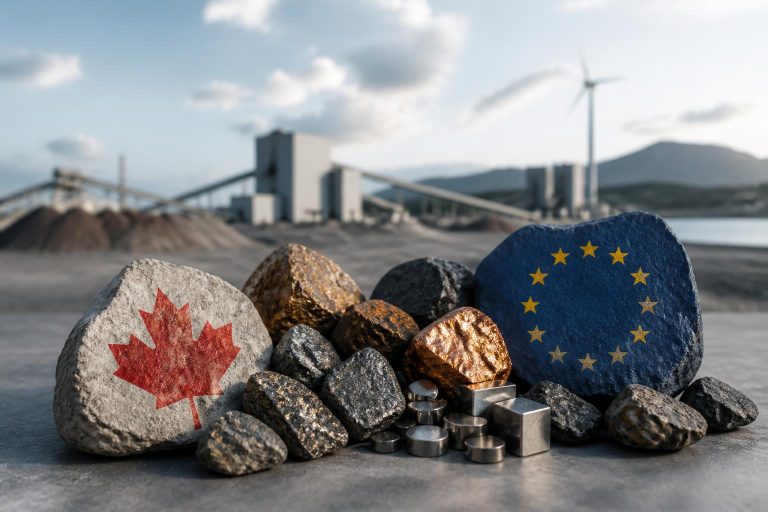
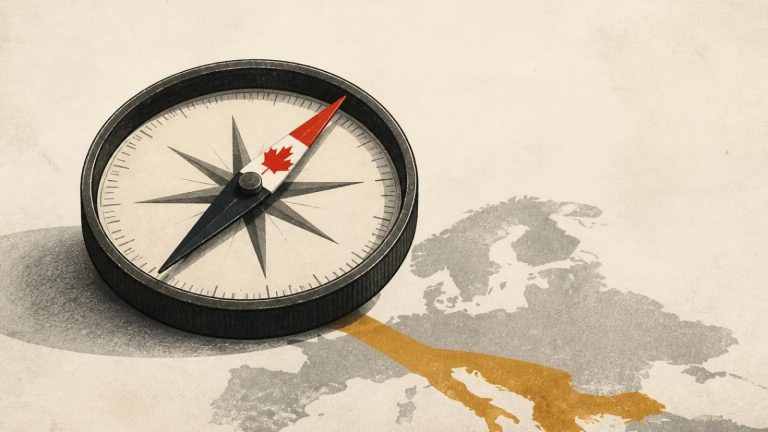
  • Strengthening Transatlantic Ties: Canada and the EU’s Critical Minerals Strategy

    Strengthening Transatlantic Ties: Canada and the EU’s Critical Minerals Strategy

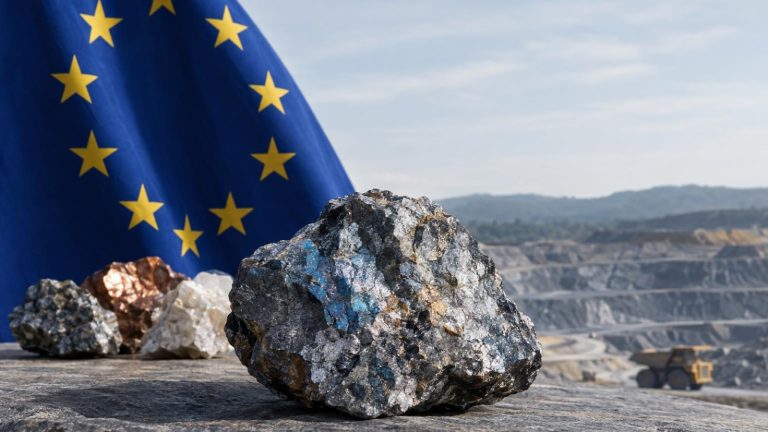
    In recent years, Canada and the European Union have significantly enhanced their transatlantic relationship, particularly in the realm of critical minerals supply chains. This collaboration gained momentum following the implementation of the EU’s Critical Raw Materials Act (CRMA) in May 2024, which set ambitious targets for the EU to meet its own strategic raw materials needs. By 2030, the EU aims to ensure that at least 40% of its annual consumption of these materials is processed within its borders, alongside goals for domestic extraction and recycling. This benchmark highlights the importance of the midstream sector, where processing and refining activities bridge the gap between raw mining and manufacturing.

    The EU’s heavy reliance on imports for refined materials, which rose from 83% in 2011 to 90% by 2023, underscores the urgency of developing a more resilient supply chain. China’s dominance in the processing of critical minerals, controlling 19 out of 20 energy-transition minerals, has raised concerns in Europe, particularly as Chinese export controls have led to production stoppages in European factories. Despite these challenges, Europe possesses a robust base of metals smelters that can be modernised and expanded with targeted investments.

    The CRMA aims to foster economic and social development by encouraging processing in developing countries, while also ensuring that Europe can source value-added materials directly from its partners, rather than relying on Chinese processing. The EU’s strategy includes prioritising essential materials for future technologies, streamlining project permitting, facilitating finance, and establishing strategic partnerships with non-EU countries.

    While the 40% benchmark is not legally binding, it serves as a guiding principle for the EU’s efforts to enhance its refining capacity. Progress has been mixed, with notable advancements in lithium and nickel refining, but significant gaps remain in areas like magnesium and titanium. Canada, with its own Critical Minerals Strategy, is well-positioned to become a leader in the global mining sector, leveraging its processing capabilities and access to low-cost, low-carbon energy.

    The bilateral relationship between Canada and the EU is further strengthened by the Comprehensive Economic and Trade Agreement (CETA) and the 2021 strategic partnership on critical raw materials. However, both parties must focus on solidifying projects and co-investments to secure minerals and refined metals. Collaborative efforts, such as the G7 Critical Minerals Production Alliance and NATO’s initiative on critical raw materials, highlight the potential for Canada and the EU to work together in building resilient supply chains.

    As the global landscape evolves, Canada and the EU must address the challenges posed by export controls and price volatility in the critical minerals market. By focusing on midstream cooperation, shared projects, and predictable offtake agreements, they can establish a stable foundation for the materials essential to clean technology, digital innovation, and defence industries. The midstream sector represents a crucial area for building resilience and ensuring secure supply chains, where Canada’s strengths in extraction and Europe’s processing expertise can create a mutually beneficial partnership.


  • KGHM Signs Impact and Benefit Agreement with Sagamok Anishnawbek for Canadian Mine Project

    KGHM Signs Impact and Benefit Agreement with Sagamok Anishnawbek for Canadian Mine Project

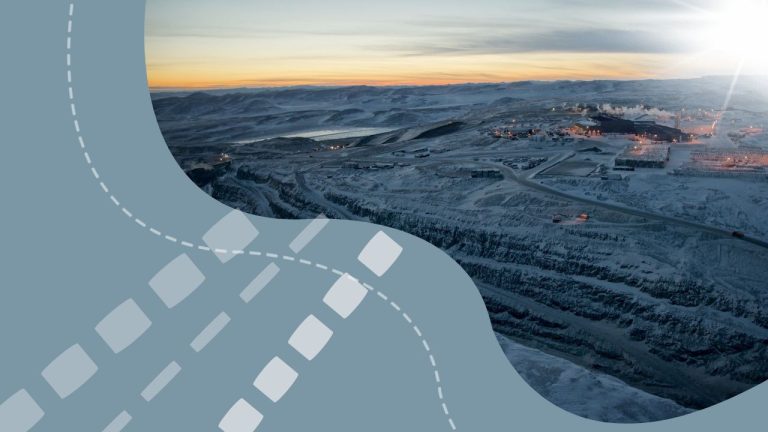
    Polish mining group KGHM has signed an impact and benefit agreement with the Sagamok Anishnawbek First Nation in Canada as part of plans to develop a new copper and nickel mine in Ontario. The agreement relates to the Victoria project, located about 35 kilometers west of the city of Sudbury.

    The arrangement provides for the participation of Sagamok Anishnawbek members in various stages of the project, including mine development and environmental protection activities. The agreement was signed last week by Sagamok Anishnawbek Chief Angus Toulouse and Marek Bednarz, chief executive officer of KGHM International, the Canadian subsidiary of KGHM Polska Miedź.

    KGHM, whose largest shareholder is the Polish state, is one of Poland’s largest industrial companies and among the world’s leading producers of copper and silver. The company acquired the Victoria copper and nickel deposit in 2012 but suspended development for several years due to declining mineral prices. The project was revived approximately three years ago as market conditions improved.

    According to KGHM Polska Miedź CEO Andrzej Szydło, the agreement represents a key milestone in advancing the Victoria project and demonstrates the company’s commitment to social dialogue and maintaining strong relations with local communities. KGHM also noted that it has worked with the Sagamok Anishnawbek for more than a decade during exploration activities and throughout the permitting process.

    The company said the agreement is intended to ensure stable cooperation throughout the mine’s entire lifecycle, from construction and production to eventual closure. It also provides tangible economic and development benefits for the Sagamok Anishnawbek community and guarantees its involvement in environmental protection measures linked to the project.

    The signing comes amid broader efforts by Canadian and Ontario authorities to attract international investment into the mining sector. At the same time, analysts have highlighted the importance of Indigenous consent, noting that First Nations have historically borne disproportionate environmental and social impacts from mining developments.

  • Canada Unveils C$1.4 Billion G7-Backed Critical Minerals Investment Plan

    Canada Unveils C$1.4 Billion G7-Backed Critical Minerals Investment Plan

    Rio Tinto Group, Nouveau Monde Graphite Inc., and more than a dozen other companies are set to benefit from a C$1.4 billion ($1 billion) package of new investments and partnerships announced by the Canadian government at the Group of Seven (G7) energy ministers’ meeting in Toronto.

    The measures, unveiled by Prime Minister Mark Carney’s administration, are part of a G7 initiative launched in June to strengthen member nations’ access to critical minerals vital for clean energy, defense, and advanced manufacturing, while reducing reliance on Chinese-dominated supply chains.

    “We have an incredible set of cards in our critical mineral resources,” said Energy Minister Tim Hodgson. “These actions, with the support of our allies, are designed to make sure Canada has all the cards it needs in a world where access to critical minerals is becoming a tool of political and geopolitical coercion.”

    The newly announced projects aim to expand domestic production capacity for metals such as lithium, nickel, copper, and rare earth elements, supporting the transition to clean technologies and reinforcing the resilience of North America’s industrial base.

    Key funding allocations include:

    • C$25 million for Rio Tinto’s scandium plant in Quebec, which will supply the aerospace and defense sectors.

    • C$36.3 million for Ucore Rare Metals Inc. to expand its rare earths processing plant in Ontario.

    • Support for Northern Graphite Corp., Focus Graphite Inc., and Torngat Metals Ltd., alongside a new supply agreement between Canada, Panasonic Holdings Corp., and Traxys North America LLC to secure graphite for battery production.

    Shares of Nouveau Monde Graphite surged 24% intraday on news of the deal before closing 13% higher in Toronto, while Northern Graphite rose 29%.

    Not all financing is finalized: Norway’s Vianode AS, which plans to build a synthetic graphite plant in Ontario, received a letter of interest for up to $500 million in potential Canadian financing, plus $300 million in support from the German government.

    In parallel, Canada has designated critical minerals as essential to national defense and strategic interests, authorizing a domestic stockpiling program and participation in multilateral caching efforts with allies. The government intends to stockpile three types of critical minerals, though it did not disclose which ones.

    “These measures will strengthen our capabilities in strategic sectors and contribute to NATO and defense spending commitments,” Hodgson said. “By protecting domestic production under volatile global conditions, we ensure a secure supply of critical minerals to Canadian and allied defense industries.”

  • Torngat Metals Secures Rare Earth Supply Deal with German Magnet Maker VAC

    Torngat Metals Secures Rare Earth Supply Deal with German Magnet Maker VAC

    Montreal-based Torngat Metals has signed a memorandum of understanding (MoU) with German company Vacuumschmelze (VAC) to pursue a long-term supply agreement for rare earth oxides. The non-binding deal was formalised in Berlin on Tuesday, marking a significant step in diversifying the global rare earth supply chain.

    The agreement was signed by Torngat Metals CEO Yves Leduc and VAC CEO Erik Eschen, with the attendance of Canada’s Minister of Energy and Natural Resources Tim Hodgson and Germany’s Minister for Economic Affairs and Energy Katherina Reiche. Both nations have been actively seeking to reduce dependence on China, which currently dominates the global rare earths industry, particularly for technologies such as wind turbines, electric vehicles, and defence systems.

  • Kazakhstan Canada Business Council Strengthens Ties at PDAC 2024 Convention

    Kazakhstan Canada Business Council Strengthens Ties at PDAC 2024 Convention

    The 6th plenary session of the Kazakhstan Canada Business Council (KCBC) unfolded within the framework of the annual international Prospectors & Developers Association of Canada (PDAC) 2024 Convention. Co-chaired by Mr. Meirzhan Yussupov and Mr. Tim Gitzel, representing Kazatomprom and Cameco Corporation respectively, the session fostered collaboration on key sectors.

    Preceding the plenary, three working groups convened in January and February, engaging over 250 participants in discussions on mining and metallurgy, agriculture, and education. Government and business representatives explored current challenges, cooperative solutions, priority areas, and potential projects to boost mutual trade and investment.

    With over 150 delegates from Canadian and Kazakhstani business circles, the plenary session covered diverse topics, including energy security, carbon neutrality, environmental sustainability, corporate governance, trade, investment attraction, and education. Led by Honourable Kanat Sharlapayev and Honourable Ahmed Hussen, the Kazakhstani and Canadian delegations emphasized bilateral cooperation.

    In the first panel, co-chairs Gitzel and Yussupov delved into uranium industry development, energy security, and environmental sustainability. Yussupov highlighted Kazatomprom’s global energy security contribution, while Gitzel underscored Cameco’s 35-year leadership and commitment to ESG issues. The discussion explored strategies for achieving net-zero emissions, reflecting on the future of both companies and the KCBC.

    Working group reports by Yerlan Galiyev, Margaret Skok, and Alibek Sagidulla addressed mining, education, and agriculture respectively. Representatives from JSC “NC “KazakhInvest,” Export Development Canada, and the government of Alberta contributed to the event.

    A dedicated session focused on the education sector, where Vice Minister Darkhan Akhmed-Zaki outlined Kazakhstan’s plans to establish an academic hub for higher education. The event concluded with a Networking Reception.

    The KCBC, a vital platform for Kazakhstan-Canada business relations, expressed gratitude to the Canada-Eurasia Chamber of Commerce (CECC) for organizing the event, supported by the Canadian and Kazakhstani Embassies and companies like Lotz & Company, Teck Resources, SIMSA, and Techgarden.kz.