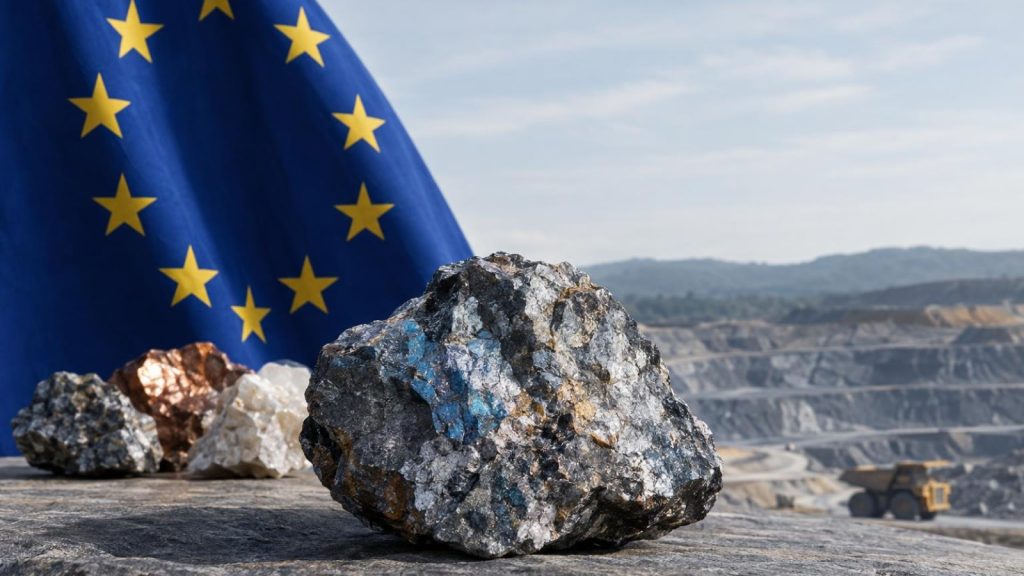
In her recent State of the European Union address, President Ursula von der Leyen unveiled plans for a European Critical Raw Materials Corporation aimed at securing and stockpiling essential materials for clean technologies, batteries, chips, and defence applications. This initiative signifies a potential shift in the EU’s approach, moving from merely establishing market regulations to actively participating in the market as a key player. However, the announcement has prompted critical questions regarding the Corporation’s specific functions, including whether it will focus on pooling purchasing, managing stockpiles, financing projects, or initiating new ventures. Furthermore, the governance of the Corporation’s decisions remains unclear, raising concerns about accountability and oversight.
As the EU increases its involvement in raw material supply chains, it must also accept greater responsibility for the associated impacts. The mandate of the Corporation should prioritise rigorous due diligence, public transparency, and comprehensive assessments of human rights and environmental standards. It is imperative that the rights of Indigenous Peoples and local communities are respected, with free, prior, and informed consent integrated into the Corporation’s operations from the outset.
The address also highlighted a strengthened partnership with Canada, proposing an ‘EU associate membership’ that would enhance cooperation on critical minerals, artificial intelligence, technology, and battery production. This builds on the existing EU–Canada Strategic Partnership on Raw Materials, established in 2021. The collaboration should not merely facilitate quicker access to resources but should also position both the EU and Canada as leaders in establishing benchmarks for Indigenous rights, credible environmental assessments, traceability, circularity, local value creation, and democratic oversight.
The broader context of the address illustrated a Europe increasingly focused on security, competitiveness, and resilience. While these concerns are valid, the pursuit of resource security must not come at the expense of weakening protections for people and the environment. The European Commission’s ongoing emphasis on ‘simplification’ and the omnibus process raises alarms, as it risks deregulating essential permitting, participation, and environmental safeguards in the name of expediency. True resilience cannot be achieved by undermining the very protections that prevent social conflict, ecological damage, and costly errors.
Moreover, the speech lacked clarity on pressing issues, particularly regarding international law and the situation in Gaza. Diplomatic language is insufficient; Europe must take decisive action to uphold international law, protect civilians, and ensure accountability. The address also presented a stronger diagnosis of the climate crisis than actionable solutions. Europe requires a concrete plan to reduce energy and material demand, accelerate the transition to renewable energy and infrastructure, and ensure that the transition is equitable for workers and households.
Ultimately, Europe’s strength should be gauged by its ability to build resilience while upholding human rights, environmental limits, and democratic principles both domestically and throughout its supply chains.