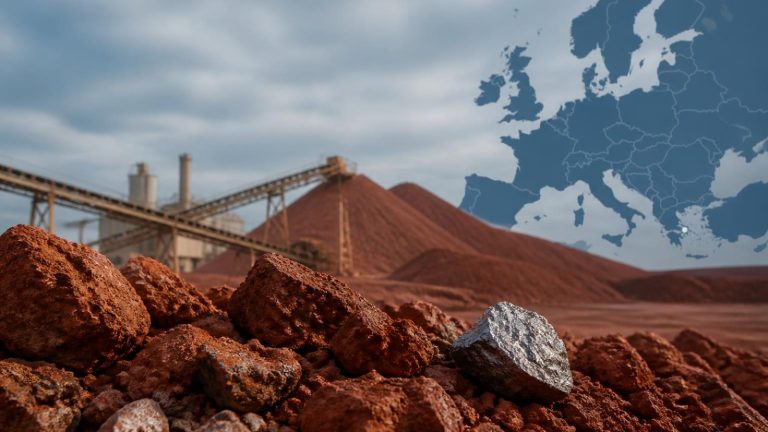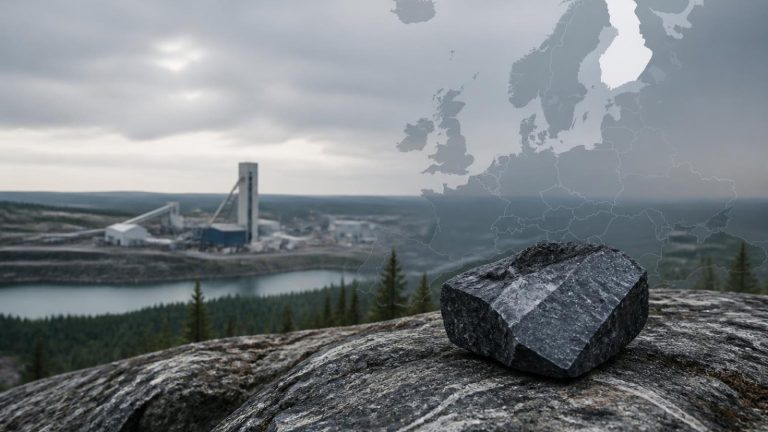
Sweden has approved a zoning plan for the Nunasvaara South graphite mine near Kiruna, marking an important step in the country’s efforts to accelerate the development of domestic mining projects and strengthen Europe’s access to critical raw materials.
The project is operated by Talga Group and is expected to produce about 100,000 metric tons of graphite ore annually. This output will be processed into roughly 20,000 tons of battery-grade anode material, primarily for use in electric vehicles and energy storage systems.
Deputy Prime Minister Ebba Busch said the decision reflects Sweden’s strategic position within Europe’s critical minerals supply chain. She stressed that graphite plays a key role in steelmaking, battery production, and automotive manufacturing, adding that Swedish mining standards rank among the most sustainable globally.
The decision aligns with the European Union’s broader strategy to expand domestic production of critical minerals and reduce dependence on imports from China and other suppliers, amid rising geopolitical tensions.
Talga said it is currently focused on building its graphite processing facility in Luleå and expects mining operations at Vittangi to begin around 2029. According to company representatives, the zoning approval removes the most significant regulatory barrier, although several minor permits are still required before production can commence.
Once operational, the Nunasvaara South mine is expected to supply around 2% of Europe’s projected graphite demand by 2030, with potential to scale up output in the future.
Sweden is home to a wide range of mineral resources essential for green technologies, including batteries, magnets, telecommunications equipment, and defence applications. The country’s largest mining initiative is state-owned LKAB’s Per Geijer iron ore and rare earths project near Kiruna, which was designated a Strategic Project by the EU in 2025.