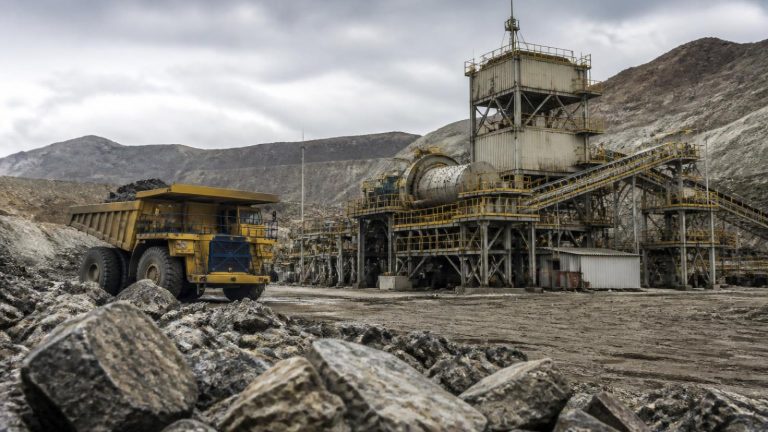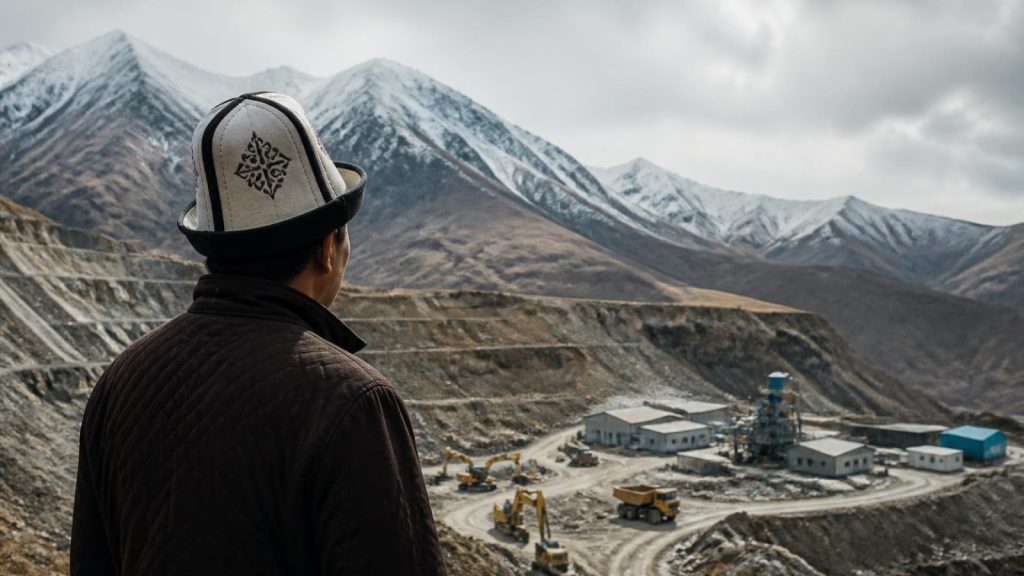
In Kyrgyzstan, the relationship between local communities and Chinese mining companies has evolved significantly over the past decade, marked by a complex interplay of nationalism, economic justice, and environmental concerns. Asel Doolotkeldieva and Amanda E. Wooden’s research highlights that while China has become Kyrgyzstan’s primary trade partner and investor in the mining sector, public sentiment towards Chinese operations has been shaped by a history of extractivism and local resistance. The authors argue that the prevalent narrative framing opposition to Chinese mining as rooted in Sinophobia is overly simplistic. Instead, they contend that economic and environmental justice claims are the primary drivers of community resistance.
Historically, Kyrgyzstan’s mining sector has been fraught with tensions, particularly following the 2010 revolution that opened up political space for public dissent. Protests against mining operations, especially those involving Chinese firms, have often been intense and violent, reflecting deep-seated fears about environmental degradation and economic exploitation. The authors note that while nationalist sentiments have been mobilised at times, these are often secondary to the more pressing concerns of local communities regarding the impacts of mining on their livelihoods and the environment.
Since 2021, under President Sadyr Japarov, there has been a noticeable shift in government rhetoric towards China, with a focus on asserting state sovereignty and control over mining operations. This has led to a decrease in public protests, not necessarily due to increased satisfaction with mining practices, but rather a recognition of the government’s enhanced authority. The authors suggest that this shift has altered public perceptions of both the state and Chinese investments, with many locals now viewing the government as a more reliable partner in negotiating the terms of mining operations.
Despite this apparent calm, the underlying issues of environmental justice and economic equity remain unresolved. Local communities continue to express concerns over the lack of transparency and accountability in mining practices, particularly with regard to the hiring of local workers and the management of environmental impacts. The authors argue that the narrative of resource nationalism fails to capture the nuanced realities of community resistance, which is often driven by a desire for equitable treatment and sustainable development rather than mere nationalistic fervour.
In conclusion, the article calls for a deeper understanding of the socio-political dynamics at play in Kyrgyzstan’s mining sector, urging stakeholders to consider the complex motivations behind community opposition to mining operations. As the country navigates its relationship with China and the broader implications of extractivism, addressing the legitimate concerns of local populations will be crucial for fostering sustainable development and social cohesion in the region.