Savannah Resources has slightly revised the timeline for its flagship Barroso lithium project in northern Portugal, now expecting to complete its definitive feasibility study and environmental compliance process in July.
The updated schedule represents a minor delay from the company’s previous target of end-June completion. Despite this, Savannah maintains its broader development timeline, with the final environmental licence anticipated in the third quarter of 2026, a final investment decision by year-end, and first production targeted for 2028.
Chief executive Emanuel Proença stated that the company can meet required technical and environmental standards without waiting for additional geotechnical and resource data from ongoing fieldwork. Instead, this data will be incorporated into future engineering phases. The decision follows validation from independent technical consultants and project finance advisers.
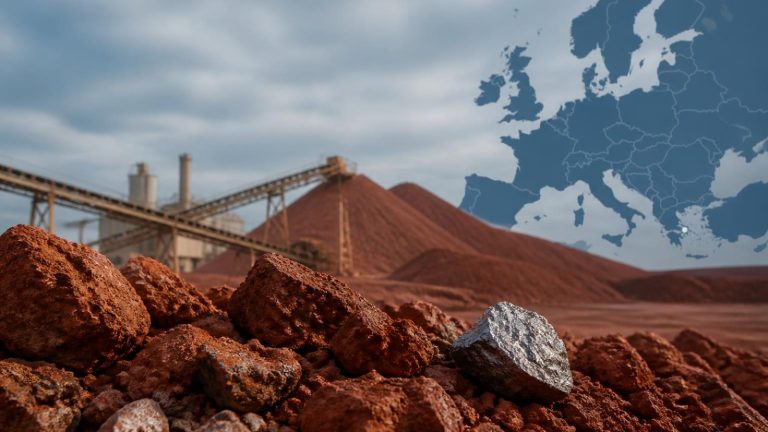
The Barroso project has been designated as a “strategic” asset under the European Critical Raw Materials Regulation and is considered by Savannah to be Europe’s largest spodumene lithium deposit. The company is currently finalising metallurgical testing and conducting environmental studies, including noise modelling, as part of the permitting process.
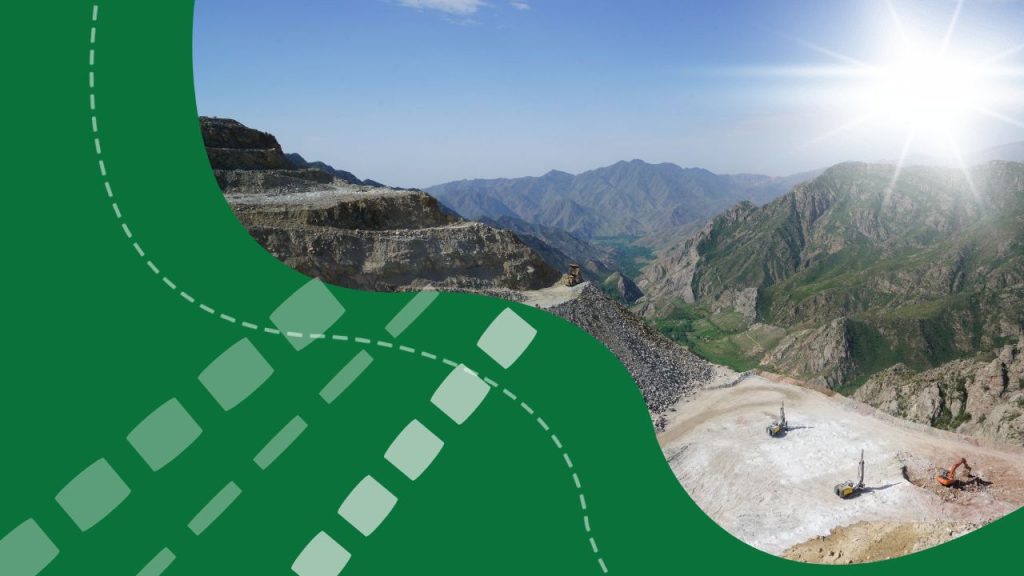
Savannah plans to develop four open-pit mines at the site, with projected annual output sufficient to supply lithium for approximately 500000 electric vehicles. According to the company, the project is economically viable at lithium prices of around $600 per tonne, positioning it as a competitive source of supply for European battery manufacturers seeking shorter and more secure supply chains.
The company is also progressing procurement, with a tender underway for detailed engineering services and a contractor expected to be selected in the coming weeks. Additional fieldwork is pending approval for temporary land access and will inform subsequent project stages.
Portugal has historically produced lithium for ceramic applications but has yet to establish large-scale battery-grade production. The government has recently awarded Savannah a €110 million grant to support the project’s development.
However, the Barroso project continues to face opposition from local communities and environmental groups, particularly given the area’s designation as a World Heritage agricultural landscape since 2018.