Region: Europe

  • EU Industrial Accelerator Act Seen as Key to Reviving Metals Production

    EU Industrial Accelerator Act Seen as Key to Reviving Metals Production

    The proposed Industrial Accelerator Act (IAA) is being positioned as a pivotal opportunity to strengthen Europe’s industrial base, with the non-ferrous metals sector highlighting its critical role in achieving the European Union’s climate, digital and security objectives.

    Industry stakeholders argue that the IAA must prioritise restoring a viable business case for producing metals within Europe, which has been undermined in recent years by persistently high energy prices and rising operational costs. They stress that without targeted measures to address energy affordability, the credibility of the IAA as an industrial policy tool could be compromised.

    Among the key proposals is the development of “lead markets” to support demand for low-carbon materials. However, industry representatives warn that such mechanisms must remain realistic, flexible and aligned with sector-specific conditions. They emphasise the need for accompanying incentives, including VAT reductions and public procurement criteria, to prevent European producers from being undercut by cheaper imports.

    The introduction of local content requirements is also seen as a strategic priority to reduce reliance on critical raw materials from third countries and to support a “Made in EU” approach. At the same time, stakeholders caution that these measures must be carefully calibrated to avoid increasing production costs excessively or disrupting global supply chains. Flexibility is recommended, particularly in recognising partnerships with allied countries such as the UK, Canada, Australia and Japan.

    Green public procurement is identified as another key lever, with calls for minimum EU-wide standards based on life-cycle sustainability criteria. Industry groups argue that procurement frameworks should prioritise material efficiency, recyclability and end-of-life recovery, while remaining achievable and aligned with existing regulatory frameworks.

    Permitting reform is also highlighted as a major requirement. Current processes for obtaining environmental approvals can take years, delaying investment and project development. Stakeholders propose the introduction of EU-wide time limits for permitting decisions, alongside measures to streamline administrative procedures and improve regulatory predictability.

    Access to finance remains a central concern, particularly given the high capital and operating costs associated with decarbonisation. The IAA is expected to support both CAPEX and OPEX through long-term, predictable funding mechanisms, including carbon contracts for difference and dedicated instruments to mitigate energy price volatility.

    In addition, stakeholders advocate for a more coordinated approach to critical raw materials, including tailored stockpiling strategies to enhance short-term supply security. However, they emphasise that long-term resilience will depend on increasing domestic extraction, processing and recycling capacity within Europe.

    Overall, industry representatives stress that the success of the IAA will depend on its ability to balance climate ambition with industrial competitiveness. Without addressing structural cost disadvantages and regulatory barriers, they warn that Europe risks further erosion of its metals production base in an increasingly competitive global market.

  • Vatican Launches Global Initiative Urging Disinvestment from Mining Sector

    Vatican Launches Global Initiative Urging Disinvestment from Mining Sector

    The Vatican has launched a new international initiative encouraging investors to withdraw funding from the mining sector, marking an unprecedented move by the Catholic Church to target a specific industry on ethical grounds.

    Announced on Friday and supported by senior Church officials and around 40 faith-based organisations, the initiative aims to promote stronger environmental protection and fair labour practices within mining operations. Companies that fail to meet these expectations could face pressure through divestment.

    Cardinal Fabio Baggio said the expansion of mining activities in many parts of the world has led to significant social tensions and environmental damage. He described the initiative as a reflection of the Church’s commitment to human dignity and ethical responsibility.

    The move builds on previous Vatican guidance urging Catholics to divest from sectors such as fossil fuels and armaments, but represents the first time the Church has directly called for disinvestment from mining.

    Rev. Dario Bossi, one of the project’s coordinators, said the initiative invites Catholic institutions and broader faith communities to reconsider their investment strategies in response to the social and environmental impacts of mining. The Vatican has not disclosed which organisations are participating or identified specific companies that could be affected.

    The announcement comes at a time of rapidly increasing global demand for critical minerals such as lithium, cobalt and copper, driven by the transition to clean energy and digital technologies. According to the International Energy Agency, demand for these materials could triple by 2030 and quadruple by 2040.

    While parts of the mining industry have acknowledged the need for improved sustainability practices—through initiatives such as the International Council on Mining and Metals—the Vatican’s intervention highlights growing scrutiny from non-governmental actors.

    Cardinal Alvaro Ramazzini of Guatemala, who participated in the launch, emphasised that legal compliance alone is not sufficient, calling on governments and corporations to align their actions with broader principles of justice.

    The initiative adds a new ethical dimension to the global debate over responsible sourcing of minerals at a time when demand for these resources is accelerating.

  • Savannah Resources Delays Key Studies for Barroso Lithium Project in Portugal

    Savannah Resources Delays Key Studies for Barroso Lithium Project in Portugal

    Savannah Resources has slightly revised the timeline for its flagship Barroso lithium project in northern Portugal, now expecting to complete its definitive feasibility study and environmental compliance process in July.

    The updated schedule represents a minor delay from the company’s previous target of end-June completion. Despite this, Savannah maintains its broader development timeline, with the final environmental licence anticipated in the third quarter of 2026, a final investment decision by year-end, and first production targeted for 2028.

    Chief executive Emanuel Proença stated that the company can meet required technical and environmental standards without waiting for additional geotechnical and resource data from ongoing fieldwork. Instead, this data will be incorporated into future engineering phases. The decision follows validation from independent technical consultants and project finance advisers.

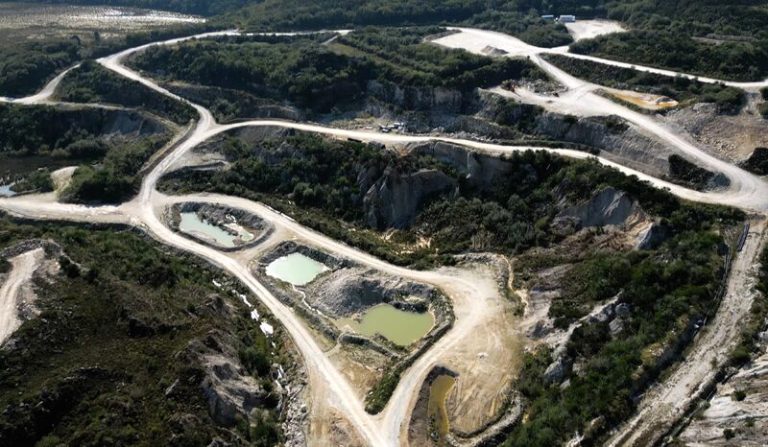
    The Barroso project has been designated as a “strategic” asset under the European Critical Raw Materials Regulation and is considered by Savannah to be Europe’s largest spodumene lithium deposit. The company is currently finalising metallurgical testing and conducting environmental studies, including noise modelling, as part of the permitting process.

    Savannah plans to develop four open-pit mines at the site, with projected annual output sufficient to supply lithium for approximately 500000 electric vehicles. According to the company, the project is economically viable at lithium prices of around $600 per tonne, positioning it as a competitive source of supply for European battery manufacturers seeking shorter and more secure supply chains.

    The company is also progressing procurement, with a tender underway for detailed engineering services and a contractor expected to be selected in the coming weeks. Additional fieldwork is pending approval for temporary land access and will inform subsequent project stages.

    Portugal has historically produced lithium for ceramic applications but has yet to establish large-scale battery-grade production. The government has recently awarded Savannah a €110 million grant to support the project’s development.

    However, the Barroso project continues to face opposition from local communities and environmental groups, particularly given the area’s designation as a World Heritage agricultural landscape since 2018.

  • EU Divided as 10 Countries Push to Reform Carbon Market Ahead of Summit

    EU Divided as 10 Countries Push to Reform Carbon Market Ahead of Summit

    A growing rift has emerged within the European Union over climate policy, as ten member states call for urgent reforms to the bloc’s Emissions Trading System (ETS), warning that current rules risk undermining industrial competitiveness.

    In a joint letter addressed to the European Commission ahead of a key European Council summit in Brussels, leaders from Austria, the Czech Republic, Croatia, Greece, Hungary, Italy, Poland, Romania and Slovakia argued that the existing ETS framework poses an “existential risk” to strategic industries. The countries are urging a slower and more flexible transition to balance climate ambitions with economic stability.

    The ETS, the EU’s flagship carbon market, requires companies to pay for their emissions but currently provides a limited number of free allowances to ease the burden on industry. The signatories are calling for these free allowances to be extended beyond 2034 and for the planned phase-out, set to begin in 2028, to be slowed.

    They argue that rising energy prices, persistent inflation and the high cost of decarbonisation technologies are placing heavy strain on energy-intensive sectors such as steel, chemicals and manufacturing. Without adjustments, they warn, European industries could struggle to remain competitive globally.

    The letter also calls for measures to reduce volatility in carbon prices, enabling businesses to better plan long-term investments, and for action to prevent excessive electricity costs, which are increasingly linked to natural gas prices.

    The appeal comes at a politically sensitive moment, as EU leaders prepare to discuss energy security challenges exacerbated by geopolitical tensions, including the conflict in the Middle East. The debate highlights a broader struggle within the bloc to reconcile climate targets with economic resilience.

    European Commission President Ursula von der Leyen has defended the ETS, describing it as a cornerstone of the EU’s climate strategy and a key mechanism for driving investment into clean technologies. However, she acknowledged the complexity of reforming the system, noting that electricity pricing is influenced by multiple factors, including national taxes, grid costs and energy market structures.

    The push for reform is not universally supported. A separate group of countries, including Denmark, Finland, the Netherlands and Sweden, has called for the ETS to remain unchanged, arguing that it has been effective in reducing emissions, supporting cross-border electricity trade and generating significant economic benefits.

    With competing positions emerging, EU policymakers face mounting pressure to deliver a compromise. The ten countries have urged the Commission to accelerate its review of the ETS and present concrete proposals within weeks, rather than waiting until the scheduled review later in the year.

    The outcome of the upcoming summit is expected to shape the future direction of Europe’s climate policy and its impact on industrial competitiveness.

  • Tethyan Belt Emerges as Exploration Hotspot as ASX Juniors Target Underexplored Eastern Europe

    Tethyan Belt Emerges as Exploration Hotspot as ASX Juniors Target Underexplored Eastern Europe

    The Tethyan Belt, one of the world’s most prospective mineral regions, is attracting renewed attention from exploration companies as activity accelerates across its underexplored eastern European segment.

    Stretching across 34 countries from Western Europe to Southeast Asia and covering approximately 7.7% of the Earth’s land area, the belt hosts a significant share of global mineral wealth. According to MinEx Consulting, around 685 major deposits have been identified along the belt, representing 6.6% of known global deposits. These include an estimated 555 million ounces of gold, 293 million tonnes of copper, 16.6 million tonnes of nickel, 245 million tonnes of zinc-lead and 470000 tonnes of uranium.

    Despite its scale, the Tethyan Belt remains relatively underexplored. Over the past two decades, it has attracted $9.8 billion in exploration spending—just 3.4% of global expenditure—yet delivered 143 new discoveries, accounting for 7% of global finds during that period.

    The western end of the belt, particularly across Eastern Europe, has proven to be the most fertile area for discoveries. The region has seen 99 significant deposits identified over the past 40 years, including nine in the last decade alone. Countries across this segment collectively host substantial resources, including 216 million ounces of gold and 63.9 million tonnes of copper.

    Serbia has emerged as a leading jurisdiction within this trend, supported by strong exploration success and active investment from major players such as Zijin Mining. The country has also attracted Australian-listed explorers seeking to replicate recent successes, including Strickland Metals, which has defined an 8.6 million ounce gold equivalent resource at its Rogozna project.

    A wave of ASX-listed junior companies has entered the region in recent months. Regener8 Resources has acquired the Srebrenica North project in Bosnia and Herzegovina, targeting polymetallic mineralisation including silver, copper, zinc and antimony in a historically productive district that has seen little modern exploration since the 1970s.

    Bindi Metals has secured a majority stake in the Ravni gold project in Serbia, where high-grade surface mineralisation and porphyry copper-gold potential have been identified. The company is advancing drilling plans following recent approvals and is targeting multi-million-ounce discoveries.

    Meanwhile, MinRex Resources is progressing a merger with Electrum Discovery Corp to create a well-funded explorer focused on Serbian assets, including the Tlamino gold project and the Timok East copper-gold project. Planned drilling campaigns aim to expand resources and test new targets identified through geophysical surveys.

    Middle Island Resources has also expanded its footprint in Serbia through the acquisition of Konstantin Resources, securing a large prospective land package. Early drilling and soil sampling programs have identified encouraging gold, silver and base metal anomalies, with further exploration planned for the 2026 field season.

    Industry analysts note that declining discovery rates globally have increased the attractiveness of underexplored regions such as the Tethyan Belt. With favourable geology, existing mining infrastructure and growing investor interest, Eastern Europe is increasingly viewed as a key frontier for future mineral discoveries.

  • Europe Accelerates Lithium Strategy to Reduce Dependence on China

    Europe Accelerates Lithium Strategy to Reduce Dependence on China

    Lithium is increasingly being treated as a strategic resource in Europe, prompting efforts to develop domestic mining and processing capacity and reduce reliance on China’s dominant position in global supply chains.

    China currently accounts for roughly two-thirds of global refined lithium production, a concentration that has raised geopolitical and industrial concerns within the European Union. With demand for lithium expected to grow significantly by 2030, driven by electric vehicles, energy storage and digital technologies, European policymakers are seeking to strengthen supply security.

    Mining companies are advancing lithium projects across several European countries, including Portugal, Germany and Serbia. Portugal’s Barroso project has been designated as “strategic” under the EU’s Critical Raw Materials Act (CRMA), with production potentially starting later this decade. However, the project has faced opposition from local communities and environmental groups.

    Serbia’s Jadar project, located outside the EU but of strategic interest to the bloc, is considered one of the most significant lithium developments in Europe. Industry estimates suggest it could supply a substantial share of regional demand, though progress has been delayed by political uncertainty and environmental concerns.

    Germany is also exploring lithium extraction from geothermal brine resources, which could offer a lower-impact alternative to conventional mining methods. Recent discoveries in Saxony-Anhalt have been described by analysts as potentially significant, though further validation is required.

    In parallel with mining development, European officials are considering broader policy measures, including the potential creation of strategic stockpiles of critical raw materials. The approach mirrors existing systems for oil and gas reserves.

    The Critical Raw Materials Act, adopted in 2024, is central to the EU’s strategy. The legislation aims to accelerate permitting and investment in projects deemed strategic, including mining, processing and recycling. A significant proportion of the projects identified under the framework involve lithium.

    Despite these efforts, industry experts note that Europe’s main challenge lies in building sufficient processing and refining capacity. Without this, domestically mined lithium may still need to be processed abroad, limiting the effectiveness of supply chain diversification.

    Recycling is expected to play an increasingly important role in meeting future demand, particularly as battery waste volumes grow.

    The push to secure lithium reflects broader concerns about supply chain resilience and industrial competitiveness. As global demand for battery materials continues to rise, Europe’s ability to develop a fully integrated lithium value chain will be a key factor in its energy transition and long-term economic strategy.

  • Core Lithium Secures $205M to Restart Finniss Project

    Core Lithium Secures $205M to Restart Finniss Project

    Australia’s Core Lithium has secured approximately $205 million in funding to fully finance the restart of its Finniss lithium project, with the company’s board approving a final investment decision to proceed.

    The funding package comprises a $70 million convertible note from Glencore’s Australian unit and InfraVia, a $50 million senior secured debt facility from Nebari, and an equity raising of A$120 million (approximately $85.3 million) before costs. The placement will be priced at A$0.21 per share, representing a 4.5% discount to the company’s previous closing price.

    Core Lithium stated that the financing will support construction activities and provide working capital during the ramp-up phase. The company is targeting first production of spodumene concentrate from the Finniss project in the September quarter.

    Additional liquidity is expected from a binding agreement signed in February with Glencore International AG for the sale of the project’s remaining spodumene concentrate stockpile at a price of $2023 per tonne. Proceeds from this sale are intended to support the restart and early-stage operations.

    The restart decision comes amid early indications of stabilisation in lithium markets following a prolonged period of price declines driven by weaker-than-expected electric vehicle demand and oversupply.

    Other producers have also signalled potential production increases. Pilbara Minerals has announced plans to restart output at its Western Australia operation, while Liontown Resources is reviewing a possible expansion of its Kathleen Valley project in anticipation of improved market conditions.

    Core Lithium’s decision reflects a broader trend among producers positioning for a potential recovery in lithium demand, particularly in battery and energy storage markets.

  • Vulcan Energy Secures First Lithium Production Licence for Lionheart Project in Germany

    Vulcan Energy Secures First Lithium Production Licence for Lionheart Project in Germany

    ASX-listed Vulcan Energy has secured a key regulatory milestone for its Lionheart project, receiving a lithium production licence in Germany’s Upper Rhine Valley Brine Field.

    The licence, granted in the state of Rhineland-Palatinate, is the first of its kind issued in the region. Known as LiThermEx, it covers Vulcan’s Insheim geothermal production area, where renewable heat and electricity are already being generated.

    The permit has been awarded for an initial six-year period, with the company planning to extend it in line with the project’s targeted 30-year operational life.

    Lithium meets geothermal power
    Lionheart is not a typical mining project. It blends lithium extraction with geothermal energy production, creating a hybrid model where hot underground brines are used both to generate renewable energy and extract lithium.

    The project is designed to produce around 24000 tonnes per year of lithium hydroxide monohydrate — a key battery material used in electric vehicles — while simultaneously supplying electricity and heat to local communities.

    CEO Cris Moreno described the licence as a major step forward.

    “Securing the first lithium production licence within the Lionheart project marks another important milestone,” he said, adding that the project supports Europe’s ambition to build a fully domestic lithium supply chain powered by renewable energy.

    💶 De-risked and funded
    The licence further de-risks the project, which is already fully financed and under construction following a €2.2 billion funding package completed in December.

    Vulcan expects additional production licences to be granted across the broader project area as development progresses.

    🧭 Strategic timing
    With Europe racing to secure battery raw materials and reduce dependence on external suppliers, projects like Lionheart sit at the crossroads of energy transition and resource security.

    Production is currently targeted to begin in 2028 — when lithium demand is expected to be even more electrified, quite literally.

  • ACG Metals Targets Up to 10 Copper Mine Acquisitions to Scale Production

    ACG Metals Targets Up to 10 Copper Mine Acquisitions to Scale Production

    London-listed ACG Metals is pursuing an ambitious expansion strategy, targeting up to 10 copper mine acquisitions as it seeks to rapidly scale production and position itself as a Western supplier of the strategic metal.

    The company confirmed it is in active discussions over several assets, many of which are located along the Tethyan Copper Belt — a vast mineral-rich corridor stretching from southeastern Europe through Türkiye and into South Asia.

    ACG is focusing on producing or near-production assets, allowing it to accelerate output rather than wait years for greenfield development. The strategy reflects a broader shift across the mining sector toward faster, acquisition-led growth.

    🚀 From gold to copper growth engine
    ACG completed its first major deal in 2024 with the $300 million acquisition of the Gediktepe gold and silver mine in western Türkiye. The company plans to begin copper production at the site this year and is using it as a launchpad for broader expansion.

    Its long-term ambition is bold: scale annual copper output to 300000 tonnes through a series of global acquisitions.

    Founder and CEO Artem Volynets said market volatility could actually support dealmaking.

    “Volatility always presents opportunities,” he noted, adding that while higher spot prices can complicate negotiations, they also create windows for strategic acquisitions.

    📈 Copper’s magnetic pull
    Rising demand for copper — driven by electrification, renewable energy, and the explosive growth of AI data centres — is reshaping the mining landscape and fuelling consolidation.

    Recent industry developments highlight the trend:

    • Ongoing discussions around mega-mergers between major mining players

    • Intensifying competition for high-quality copper assets globally

    Copper prices have already climbed above 13000 per tonne, with long-term expectations pointing toward further increases despite short-term fluctuations.

    Volynets described the outlook as a “stepwise climb,” with prices likely moving in waves toward the 13000–15000 range over time.

    🌍 Geopolitics meets geology
    ACG is positioning itself as a Western-aligned supplier, with copper from its Turkish operations expected to feed European smelters.

    For now, the company is prioritising assets close to its operational base in Türkiye and Eastern Europe — regions offering relatively lower costs and less competition compared to more saturated markets.

    Africa and Latin America remain on the radar for future expansion, though Volynets acknowledged that Africa in particular is becoming a geopolitical battleground for control over critical minerals.

    ⚙️ Cost discipline as survival tool
    Despite bullish long-term fundamentals, ACG is keeping a sharp focus on cost control — the quiet survival skill of mining.

    “Regardless of what prices are doing, miners should focus on cost of production,” Volynets said, noting that ACG’s operations currently sit in the lowest quartile of the global cost curve for gold.

    While copper is the main growth driver, the company continues to produce gold, silver and zinc. Gold, in particular, may remain supported by geopolitical uncertainty, acting as a financial anchor while copper builds momentum.

  • Ausenco Selected to Lead Feasibility Study for Finland’s Ikkari Gold Project

    Ausenco Selected to Lead Feasibility Study for Finland’s Ikkari Gold Project

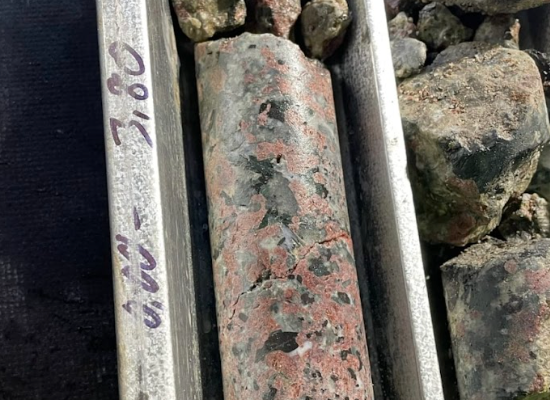
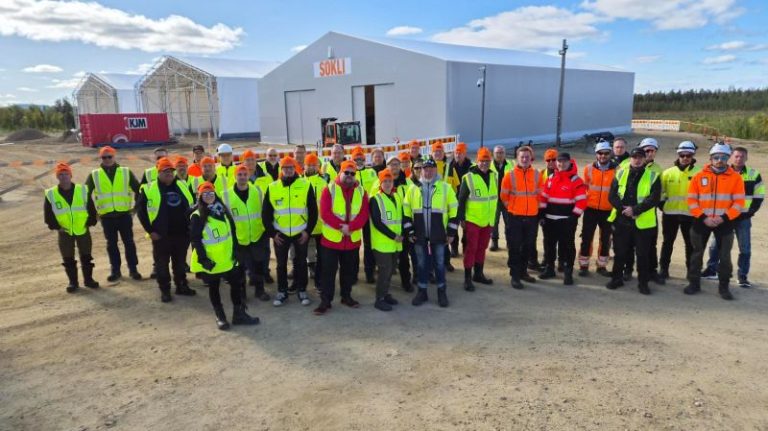
    Engineering and project delivery firm Ausenco has been awarded a contract to lead the feasibility study for the Ikkari gold project in northern Finland, owned by Rupert Exploration Finland Oy.

    The project is located about 45 km from Sodankylä in the Lapland region and represents a significant grassroots gold discovery made in 2020. Following the completion of a Pre-Feasibility Study in early 2025, the project is now advancing toward development as a staged 3.5 million tonne per year mining operation with a planned mine life of around 20 years.

    The development strategy предусматривает запуск открытой добычи в течение первых десяти лет, после чего проект перейдет на подземную разработку методом long-hole open stoping на оставшийся срок эксплуатации.

    Ausenco will deliver a bankable feasibility study from its Perth office, integrating specialists from its teams in Australia and Canada. The company says the collaborative structure will combine global technical expertise with experience designing and delivering gold mining projects in remote and challenging environments.

    Rupert Resources CEO Graham Crew said the appointment marks an important step in advancing the project toward development.

    “The appointment of Ausenco represents an important milestone in advancing the project towards development,” Crew said. “Their proven ability to integrate teams from Australia and Canada in close collaboration with our project team and local partners ensures the delivery of a world-class study aligned with our strategic objectives.”

    The feasibility study will cover value engineering, project implementation planning and detailed design of the processing plant and supporting mine infrastructure.

    The study will be prepared to AACE Class 3 standards, providing capital and operating cost estimates with an accuracy of approximately ±15%. Ausenco will also act as the Qualified Person responsible for the NI 43-101 technical report.

    The company plans to incorporate energy-efficient technologies and design features aimed at reducing the project’s carbon footprint, supporting Rupert Resources’ broader carbon-neutral targets.

    Reuben Joseph, President for APAC and Africa at Ausenco, said the company looks forward to applying its experience in gold recovery technologies and energy-efficient project design.

    “We are excited to partner with Rupert Resources on their Ikkari project,” Joseph said. “By leveraging our global gold study and project delivery experience, we are well positioned to deliver a robust study that supports Rupert’s operational, environmental and local community goals.”

    Ausenco also emphasised the importance of working with local communities and regional organisations as the feasibility study progresses. The company said it will develop a project delivery framework that incorporates local expertise and aligns with regional standards, aiming to create long-term benefits for the surrounding region.