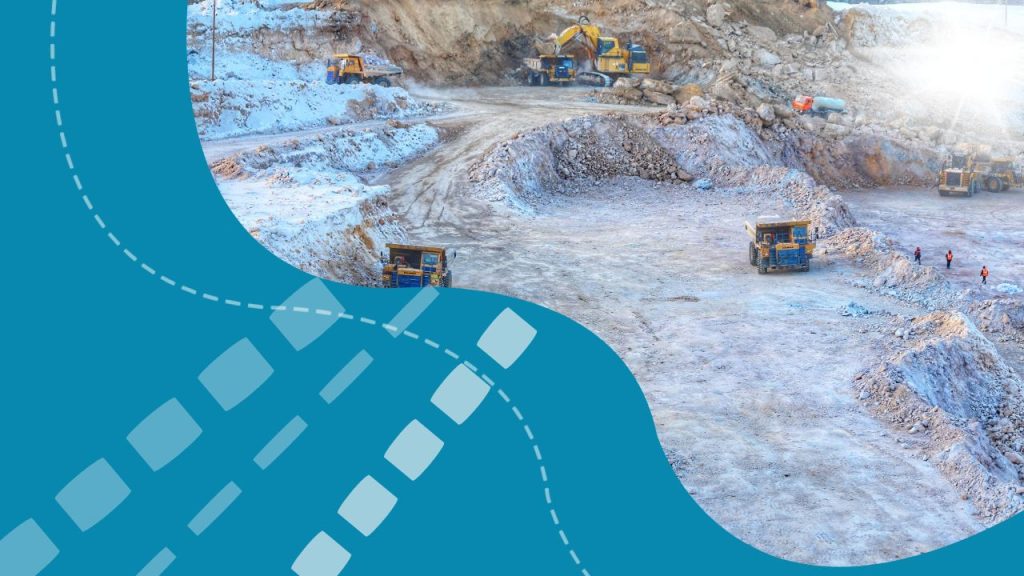
In the far north of Sweden, the residents of Kiruna are once again being forced to pack up and move — this time, for the second or even third time. Tanja Mattila and her husband had just spent about $300,000 on a new home when a letter arrived from LKAB, Sweden’s state-owned mining company, informing them that their neighborhood would soon become unsafe due to ground movement from the expanding iron ore mine.
“It was a shock,” said Mattila, a 54-year-old language teacher. “We planned to stay here until we retire.” She and thousands of others are caught in the tension between local life and Europe’s growing appetite for raw materials deemed essential to the green transition.
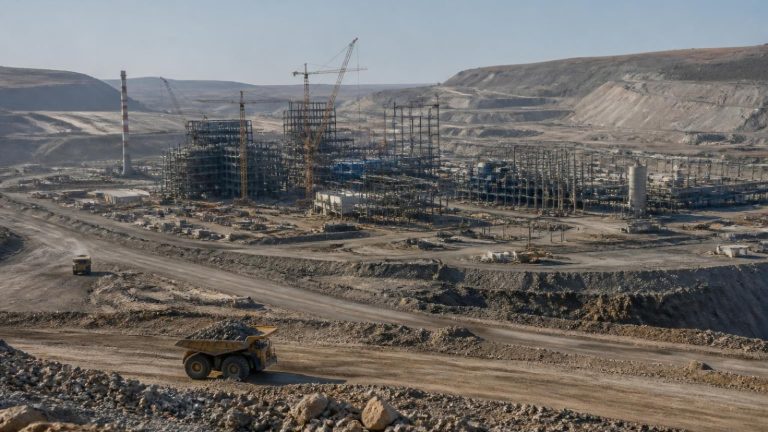
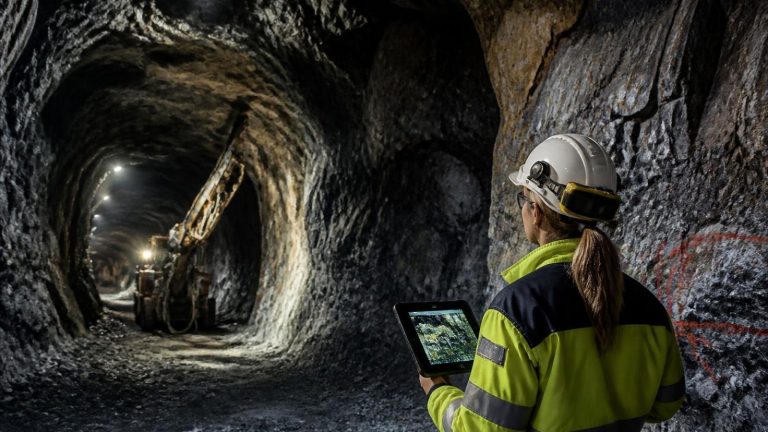
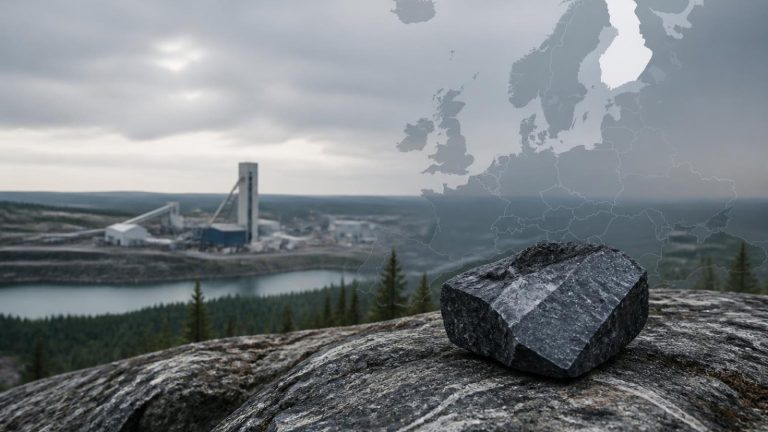
Kiruna, which produces nearly 80% of Europe’s iron ore, is also home to one of the continent’s largest deposits of rare earth minerals — metals vital for electric vehicles, wind turbines, and smartphones. As the EU pushes to secure domestic supplies of critical resources and reduce reliance on China, the mining boom in Kiruna is accelerating. But so are the social costs.
LKAB, seeking to boost production by 50% over the next decade, says its operations are vital for Europe’s energy independence. “If you want self-reliance, you need to mine,” EU Industry Commissioner Stéphane Séjourné said during a recent visit. Yet, for Kiruna’s 23,000 residents, that strategy means homes, schools, and shops are being demolished and rebuilt miles away from the original town center.
Earlier this year, the relocation of Kiruna’s iconic wooden church — a nationally treasured monument — was broadcast live, hailed as a feat of engineering and cultural preservation. But only days later, residents learned that 6,000 more people would have to move. Local officials, blindsided by the announcement, described the mood as one of mourning.
For some business owners, the uncertainty is overwhelming. Grocery store owner Fredrik Spett noticed his shop floor rising as the ground shifted beneath it. Across the road, hotelier Jan Grönberg is unsure whether he’ll receive enough compensation to rebuild. “It’s hard to find the motivation,” he said.
LKAB insists that no one will be left behind and that all residents will be compensated. Still, critics argue that the company and government failed to adequately communicate the scale of the project or involve locals in planning. “It’s a matter of survival for Kiruna,” said Energy and Enterprise Minister Ebba Busch, “but also a matter of sovereignty for Sweden and Europe.”
The town’s social democrat official, Mats Taaveniku, gestures at a model in the new town hall where a red ribbon marks the previous demolition line. The new one, he says, should be black — “for mourning.”
While Kiruna symbolizes Europe’s push for “strategic autonomy” in critical minerals, it also raises difficult questions about who pays the price for the continent’s green transition. As excavators tear down the Ferrum Hotel and graffiti nearby asks, “Is this what happens to a town no one cares about?”, residents can’t help but wonder if Europe’s sovereignty is worth their sacrifice.