Tag: decarbonisation

  • EU Industrial Accelerator Act Seen as Key to Reviving Metals Production

    EU Industrial Accelerator Act Seen as Key to Reviving Metals Production

    The proposed Industrial Accelerator Act (IAA) is being positioned as a pivotal opportunity to strengthen Europe’s industrial base, with the non-ferrous metals sector highlighting its critical role in achieving the European Union’s climate, digital and security objectives.

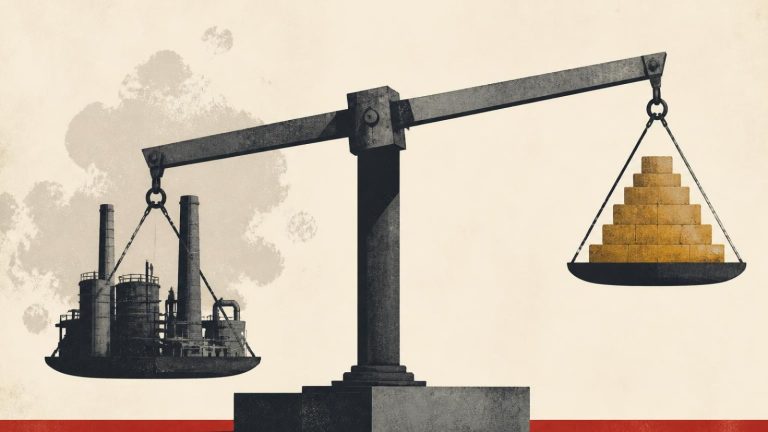
    Industry stakeholders argue that the IAA must prioritise restoring a viable business case for producing metals within Europe, which has been undermined in recent years by persistently high energy prices and rising operational costs. They stress that without targeted measures to address energy affordability, the credibility of the IAA as an industrial policy tool could be compromised.

    Among the key proposals is the development of “lead markets” to support demand for low-carbon materials. However, industry representatives warn that such mechanisms must remain realistic, flexible and aligned with sector-specific conditions. They emphasise the need for accompanying incentives, including VAT reductions and public procurement criteria, to prevent European producers from being undercut by cheaper imports.

    The introduction of local content requirements is also seen as a strategic priority to reduce reliance on critical raw materials from third countries and to support a “Made in EU” approach. At the same time, stakeholders caution that these measures must be carefully calibrated to avoid increasing production costs excessively or disrupting global supply chains. Flexibility is recommended, particularly in recognising partnerships with allied countries such as the UK, Canada, Australia and Japan.

    Green public procurement is identified as another key lever, with calls for minimum EU-wide standards based on life-cycle sustainability criteria. Industry groups argue that procurement frameworks should prioritise material efficiency, recyclability and end-of-life recovery, while remaining achievable and aligned with existing regulatory frameworks.

    Permitting reform is also highlighted as a major requirement. Current processes for obtaining environmental approvals can take years, delaying investment and project development. Stakeholders propose the introduction of EU-wide time limits for permitting decisions, alongside measures to streamline administrative procedures and improve regulatory predictability.

    Access to finance remains a central concern, particularly given the high capital and operating costs associated with decarbonisation. The IAA is expected to support both CAPEX and OPEX through long-term, predictable funding mechanisms, including carbon contracts for difference and dedicated instruments to mitigate energy price volatility.

    In addition, stakeholders advocate for a more coordinated approach to critical raw materials, including tailored stockpiling strategies to enhance short-term supply security. However, they emphasise that long-term resilience will depend on increasing domestic extraction, processing and recycling capacity within Europe.

    Overall, industry representatives stress that the success of the IAA will depend on its ability to balance climate ambition with industrial competitiveness. Without addressing structural cost disadvantages and regulatory barriers, they warn that Europe risks further erosion of its metals production base in an increasingly competitive global market.

  • European Commission seeks industry backing for ‘Made in Europe’ push ahead of Industrial Accelerator Act

    European Commission seeks industry backing for ‘Made in Europe’ push ahead of Industrial Accelerator Act

    The European Commission is urging business leaders to support and sign a French-led initiative aimed at increasing the share of industrial production based in Europe, as the EU prepares to unveil its Industrial Accelerator Act (IAA).

    According to a letter seen by Euronews, the Commission is calling on representatives from energy-intensive sectors such as steel and aluminium to back a stronger “Made in Europe” component in forthcoming legislation. The move is intended to revive Europe’s struggling industrial base amid mounting competition from China and the United States.

    The appeal comes days before the planned presentation of the Industrial Accelerator Act, which seeks to accelerate the decarbonisation of heavy industry while preserving the competitiveness of European production. The initiative builds on earlier EU legislation adopted in 2024 that prioritised domestic clean-technology manufacturing as part of the bloc’s goal to achieve climate neutrality by 2050.

    In the letter, European Commission Executive Vice-President Stéphane Séjourné warned that Europe faces a stark choice as global trade becomes increasingly shaped by tariffs, subsidies and export restrictions. Without an ambitious and pragmatic industrial policy, he argued, the EU risks a gradual erosion of its industrial capacity, technological know-how and economic sovereignty.

    Supporters say the IAA could significantly strengthen European competitiveness at a time when traditional sectors such as cement and steel, as well as emerging net-zero technologies, are grappling with weak demand and aggressive international competition. However, critics caution that the proposal could undermine competition within the EU’s single market, particularly disadvantaging member states with less developed industrial frameworks compared with countries like France and Germany.

    Several member states, including Czechia, Estonia, Finland, Ireland, Latvia, Malta, Portugal, Sweden and Slovakia, warned in December that the planned law could distort competition and affect prices, quality and business conditions across the bloc.

    Key elements of the proposal, including quotas for European-made products, financing mechanisms and state-aid rules, remain under discussion. EU officials have floated potential targets requiring 60% to 80% of certain products to be produced in Europe, with provisions to count output from non-European firms operating within the EU as “Made in Europe”.

    The Commission is also exploring ways to align supply and demand by creating so-called “lead markets” for low-carbon industrial products such as green steel and hydrogen, supported by demand-side measures. In parallel, state-aid rules may be loosened, potentially allowing member states to fund decarbonisation projects without prior notification to the Commission.

    European industry leaders have reacted positively, citing a record €350 billion trade deficit with China in 2025. In a separate letter, business representatives described the IAA as an act of economic independence, echoing warnings from former European Central Bank president Mario Draghi that Europe risks long-term decline if it fails to close the gap with global competitors.

    The Industrial Accelerator Act, initially delayed in December, is currently scheduled for presentation on 29 January, although further postponements remain possible.

  • Germany Launches €6 Billion Decarbonisation Program Including Carbon Capture Technology

    Germany Launches €6 Billion Decarbonisation Program Including Carbon Capture Technology

    Germany’s Economy Minister Katherina Reiche on Monday announced a €6 billion ($7 billion) funding initiative to accelerate industrial decarbonisation, marking the first inclusion of carbon capture and storage (CCS) technology in the country’s climate protection contracts.

    The program targets energy-intensive industries such as chemicals, steel, cement, and glass — key sectors facing mounting pressure to meet stringent climate goals while maintaining global competitiveness. Companies have until December 1 to register their projects for next year’s bidding process.

    Bidding is expected to begin in mid-2026, pending parliamentary budget approval and clearance from the European Commission under EU state aid rules.

    Building on last year’s climate contracts program, the new round expands eligibility to projects that incorporate CCS technology, which captures CO₂ emissions and stores them underground.

    Under the scheme, the German government will offer 15-year contracts subsidizing the costs of transitioning to low-emission production methods. The subsidies are designed to offset risks from volatile energy and carbon prices, helping industries adapt to cleaner technologies without losing competitiveness.

    Contracts will be awarded through competitive auctions, prioritizing projects that achieve the greatest emission reductions at the lowest cost per tonne of CO₂ saved. Companies receiving support will also have to meet binding emissions reduction milestones throughout the contract period.

    Industry groups have welcomed the inclusion of CCS and praised the government’s pragmatic, flexible approach. They emphasized that maintaining a balance between ambitious climate goals and the economic realities of high energy costs and industrial slowdown is crucial to securing Germany’s industrial base.

  • Eurasian Resources Group Launches Major Wind Farm in Kazakhstan

    Eurasian Resources Group Launches Major Wind Farm in Kazakhstan

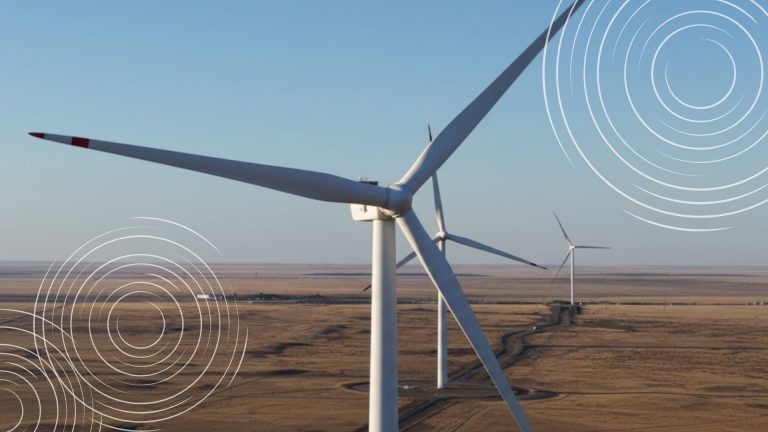
    Eurasian Resources Group (ERG), a global metals and mining company headquartered in Luxembourg, has opened the Khromtau wind farm in Kazakhstan with a capacity of 150 megawatts of green energy. The project is one of the largest renewable energy facilities in Kazakhstan and Central Asia and required an investment of more than US$142 million. The wind farm is located in the Aktobe Region and includes 24 turbines. The facility will generate more than 500 million kilowatt hours of green energy annually. All in all, the facility will help reduce up to 440,000 tonnes of carbon dioxide emissions and save more than 300,000 tonnes of coal each year. The project has been implemented by ERG Capital Projects, a Group subsidiary, with financial support from the Development Bank of Kazakhstan.

    During the opening ceremony of this critical green energy project, Shukhrat Ibragimov, CEO and Chairman of the Board of Directors of ERG, said: “With its Khromtau wind power project, the Group makes a major contribution towards achieving Kazakhstan’s national goal of increasing the share of renewable energy sources. ERG is committed to ESG principles, and the new Khromtau wind power farm is a logical and very ambitious next step while implementing this. ERG’s first wind power project has already become a symbol of our transition to green energy.”

    The ESG Agenda is part of the company’s Strategy. The Group’s medium-term goal is to reduce the carbon footprint of its core products (aluminium, ferroalloys and iron ore pellets) by 30%. To achieve this, ERG is implementing projects with cumulative investments totalling US$300 million. In addition to wind power, these projects include switching the Kacharsky heating centre to gas in the Iron Ore Division, reducing steam consumption and improving the alumina production process in the Aluminium Division, and building a ferroalloy gas recycling power facility at the Aktobe Ferroalloys Plant to convert secondary energy resources into electricity.

  • German Industry Warns High Energy Costs Could Trigger Deindustrialisation

    German Industry Warns High Energy Costs Could Trigger Deindustrialisation

    German manufacturers are warning that persistently high energy costs are forcing them to consider shifting operations abroad, putting the country’s industrial future at risk. “Decarbonisation must not lead to deindustrialisation,” said Martin Oetjen, COO of engine maker Everllence, as he criticised the lack of concrete government support for energy-intensive industries.

    With benchmark electricity prices hovering around €86/MWh, the government’s proposed cut to €50/MWh has failed to convince industry leaders. Many say they’ve heard such promises before — with previous pledges stalling amid EU regulations and tight budgets.

    While recent proposals hint at energy price controls, tax cuts, and transmission fee exemptions, analysts argue they won’t go far enough. According to Matthias Belitz of the German Chemical Industry Association (VCI), even with current plans, only 9–13% of a company’s energy costs would be offset. “It’s not an unconditional power price,” he noted.

    Energy expert Niclas Wenz added that slashing transmission fees would deliver quick relief, but the government has yet to confirm specific measures.

    Industry leaders stress that German energy prices must align more closely with global competitors such as the U.S. and China to remain viable. If no action is taken, Germany could face a potential €90 billion economic hit due to the loss of its energy-intensive sectors, Belitz warned.

  • Decarbonising the Mining Industry: Challenges and Innovations

    Decarbonising the Mining Industry: Challenges and Innovations

    The drive to decarbonise the global economy is unearthing new challenges in the mining sector, an industry pivotal to the green transition. Mining provides critical minerals for renewable technologies like solar panels, wind turbines, and electric vehicles. Yet, the sector is responsible for 4-7% of global emissions, primarily from methane released by coal mines. While methane emissions are expected to decline over the next 25 years, attention is turning to the decarbonisation of other mining operations essential for the energy shift.

    The International Energy Agency projects that achieving net-zero emissions by 2050 will require a 50% increase in copper demand by 2040, a doubling of nickel and cobalt needs, and an eightfold surge in lithium demand. Amid these projections, Australian iron ore giant Fortescue Metals Group has positioned itself as an industry leader. Unlike many companies relying on carbon offsets, Fortescue aims for “real zero” by 2030, cutting emissions from its massive Pilbara region operations. Fortescue’s Chairman, Andrew Forrest, has been vocal against the concept of “net-zero,” advocating for tangible emission cuts instead.

    Fortescue’s strategy includes replacing diesel and gas with 2-3 gigawatts of solar and wind power, backed by significant battery storage. The company has also pioneered innovative technologies, such as regenerative battery-powered trains that capture gravitational energy during descents. These designs are part of its $6.2 billion decarbonisation plan, aiming to set new standards for emissions reductions in mining.

    Other global mining operations are also adopting renewables. In the Democratic Republic of Congo, the Kamoa Copper mine signed a deal with CrossBoundary Energy for a 222-megawatt solar array and massive battery system to reduce emissions by around 78,750 tonnes annually. Matthew Tilleard of CrossBoundary Energy called it a “baseload renewable energy solution,” marking a significant step for off-grid mining operations.

    Efforts are also underway to decarbonise mining vehicles. The International Council on Mining and Metals (ICMM) has partnered with manufacturers to develop zero-emission vehicles, with full-scale deployment expected by 2030. Bryony Clear Hill of ICMM noted that battery electric technology is gaining traction, with prototypes already in testing.

    However, the path to decarbonisation remains uneven. Regional differences, infrastructure challenges, and government policies significantly affect progress. According to Gregoire Bellois of the Intergovernmental Forum on Mining, Minerals, Metals and Sustainable Development, some companies make genuine strides, while others only achieve “on paper” progress through divestment. Chinese companies, which are rapidly consolidating control over key minerals like cobalt, remain hesitant to decarbonise due to a lack of regulatory pressure.

    Looking ahead, the European Union’s proposed Carbon Border Adjustment Mechanism (CBAM) could reshape global mining. If implemented, CBAM would levy carbon-intensive companies exporting to the EU, potentially pushing high-emission operations toward markets with fewer regulations.

    While the road to “real zero” is fraught with obstacles, experts agree that every effort to reduce emissions is crucial. As mining scales up to meet unprecedented global demand, the pressure to innovate and cut carbon footprints is more significant than ever.

  • ERG Goes Green with New Wind Farm

    ERG Goes Green with New Wind Farm

    Eurasian Resources Group (ERG) has begun generating green electricity at its new wind farm in Chromtau, Kazakhstan. The two turbines, the most powerful in the country at 6.25 MW each, mark a significant step in ERG’s decarbonisation strategy.

    This $142 million project will eventually include a 150 MW wind farm powering ERG’s Donskoy GOK ferrochrome plant with 460 million kWh of green electricity annually. This will reduce CO2 emissions by 440,000 tons and prevent the release of over 4,000 tons of other pollutants.

    ERG CEO Shukhrat Ibragimov highlighted the project’s alignment with Kazakhstan’s commitment to carbon neutrality by 2060. He emphasized the company’s dedication to ESG principles and the modernization of Kazakhstan’s industry.

    ERG is also involved in plans for a 200 MW wind farm near Ekibastuz in partnership with Chinese and Kazakh companies, with construction potentially completed by the end of 2026.

  • Poland’s Energy Transition: Struggles and Opportunities for Coal Workers

    Poland’s Energy Transition: Struggles and Opportunities for Coal Workers

    In the coal-rich Konin-Turek basin of Poland, the shift towards decarbonisation is reshaping livelihoods and communities. Journalist Pamela Largue visited the region to understand how this energy transition impacts workers and their families, uncovering both challenges and opportunities.

    The area, located in the Greater Poland Voivodeship, holds one of the largest coal reserves in the country, with an estimated 466.4 million tonnes. Historically, mines like Jóźwin IIB, Drzewce, and Tomisławice have driven the local economy. Today, only Tomisławice remains operational, but its future is uncertain. Mine owner ZE PAK SA has announced plans to potentially close the mine as early as 2024, with coal-fired power generation slated to end by 2025.

    While the Konin and Pątnów power plants continue to operate, their closures loom on the horizon, leaving workers facing an uncertain future. For generations, these facilities have been central to the local economy, providing stable jobs. Now, communities are grappling with the complexities of transitioning to renewable energy while ensuring a just transition that protects workers’ rights and livelihoods.

    This transformation reflects Poland’s broader commitment to reducing its carbon footprint, but it also underscores the personal and societal costs of leaving coal behind. As the region adapts, the stakes remain high for both its people and its industries.

  • Green Lithium Partners with Rio Tinto to Develop a Low-Carbon Lithium Supply Chain

    Green Lithium Partners with Rio Tinto to Develop a Low-Carbon Lithium Supply Chain

    In a significant move towards advancing the European battery metals industry, Green Lithium, a UK-based developer of low-carbon lithium refineries, has signed a memorandum of understanding with global metals giant Rio Tinto. The collaboration aims to establish a commercial partnership to build a secure and sustainable lithium supply chain, ensuring the stability of the UK’s and EU’s automotive and battery manufacturing sectors.

    The partnership is set to play a crucial role in the rapidly evolving European battery metals value chain. Both companies share a common vision of creating an end-to-end supply chain that will not only bolster production but also support decarbonization efforts across the continent. The agreement underscores the importance of safeguarding supply to meet the growing demand for electric vehicles (EVs) and sustainable energy storage solutions.

    Sean Sargent, CEO of Green Lithium, emphasized the environmental impact of the partnership, stating, “The EV and battery revolutions are essential in reducing carbon emissions. By building our refineries, we aim to accelerate the shift towards EVs and sustainable energy storage through increased production of low-carbon, battery-grade lithium chemicals. This ambitious vision requires the right partners, and in Rio Tinto, we’ve found an exceptional potential collaborator.”

    The agreement is a key milestone in Rio Tinto’s strategy for unlocking the battery metals supply chain in Europe. Philippe Bourdages, Vice President of Minerals Sales at Rio Tinto, noted the shared ambitions with Green Lithium, adding that the partnership will help meet the European market’s growing demand for green battery technology.

    The UK government has welcomed the news, with Sarah Jones MP, Minister for Industry and Decarbonisation, stating, “This partnership will not only create high-skilled jobs in the North East but also strengthen our critical minerals supply chains as we continue working towards a cleaner, greener future and our net-zero goals.”

  • ArcelorMittal Warns of Possible Halt to German Decarbonisation Plans Without Cheap Renewable Energy

    ArcelorMittal Warns of Possible Halt to German Decarbonisation Plans Without Cheap Renewable Energy

    Steelmaker ArcelorMittal has issued a warning that it may not proceed with its plans to decarbonise its steel plants in Germany unless it secures cheap electricity and a sufficient supply of renewables and hydrogen. On Friday, Thomas Buenger, head of the steelmaker’s German division, stated that without internationally competitive energy prices and adequate green electricity and hydrogen, there is an increased risk of industrial production capacity leaving the country.

    Buenger emphasized that these conditions need to be met by mid-2025, the deadline for ArcelorMittal’s final investment decision on its €2.5 billion ($2.7 billion) decarbonisation plan for its German steel mills. Out of this total, around €1.3 billion are expected to be covered by German government subsidies, similar to the decarbonisation projects of peers Thyssenkrupp and Salzgitter, which also rely on public support.

    Buenger mentioned that detailed planning and the review of the economic viability of the transformation plans are currently underway.