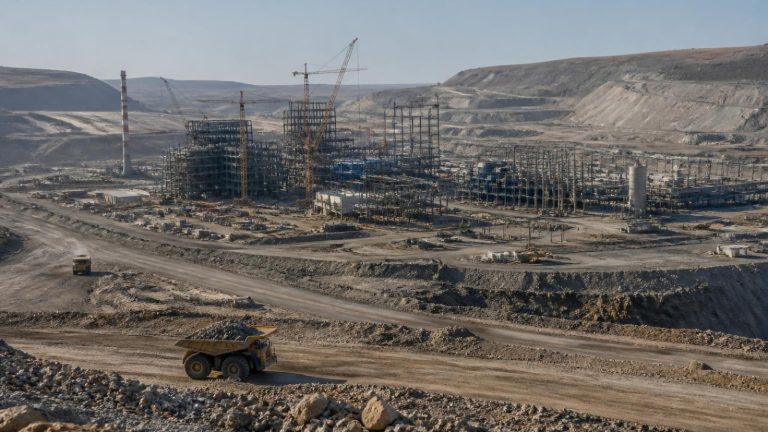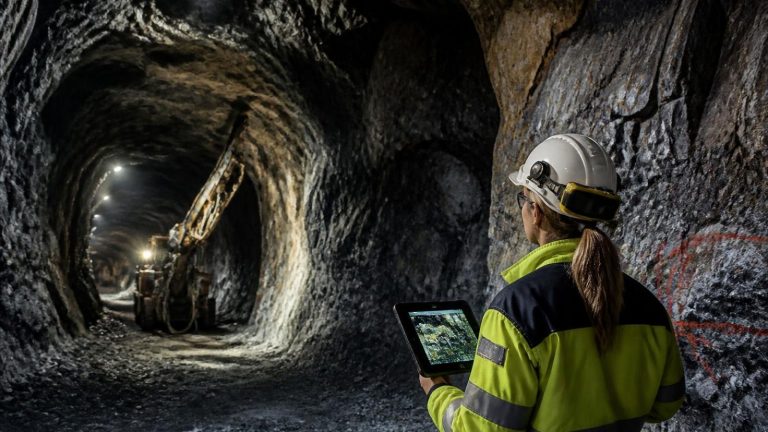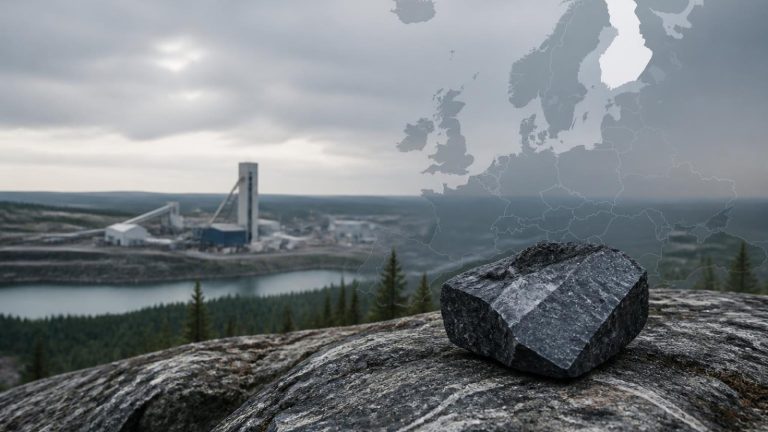
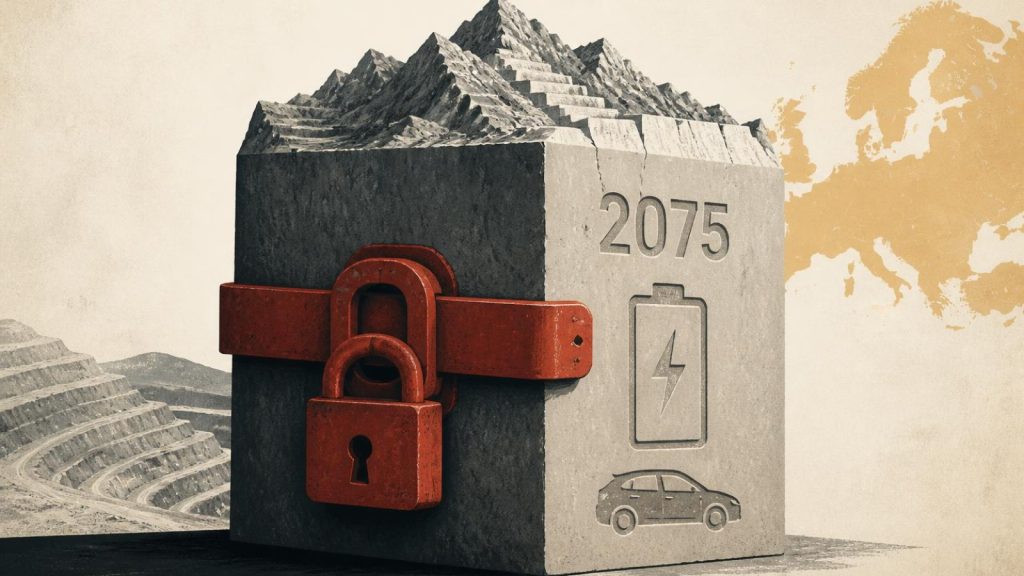
EMILI Lithium has successfully secured a mining concession for the Beauvoir deposit, one of the largest hard-rock lithium deposits globally, valid until May 23, 2075. This concession, granted by the French government to Imerys Beauvoir, a subsidiary of EMILI Lithium, encompasses lithium, tin, tantalum, and niobium extraction across several municipalities in the Allier and Puy-de-Dôme departments. The project has been recognised as a Project of Major National Interest by France and a Strategic Project by the European Union, reflecting its significance in securing lithium supplies for the burgeoning electric vehicle battery industry and bolstering European industrial sovereignty.
The concession marks a pivotal moment, being the first granted in mainland France in over 40 years, and it comes at a time when global demand for lithium is surging due to its critical role in electric vehicle production and energy storage solutions. EMILI aims to leverage the size and quality of the Beauvoir deposit to establish a sustainable and competitive local solution that integrates well with regional development, with production expected to commence in the early 2030s.
French Minister of the Economy, Roland Lescure, welcomed the concession, highlighting its potential to secure the supply chain for lithium and facilitate the production of batteries for approximately 700,000 electric vehicles annually. The project is also designed to address environmental and social challenges, aiming to create an exemplary industrial model within the European electric vehicle battery value chain.
The concession comes with a set of specifications that ensure robust monitoring of mining operations and their environmental and social impacts, including annual reporting of key indicators to local stakeholders. However, the concession does not yet authorise the commencement of mining operations, as EMILI must still secure additional permits and financing to move forward.
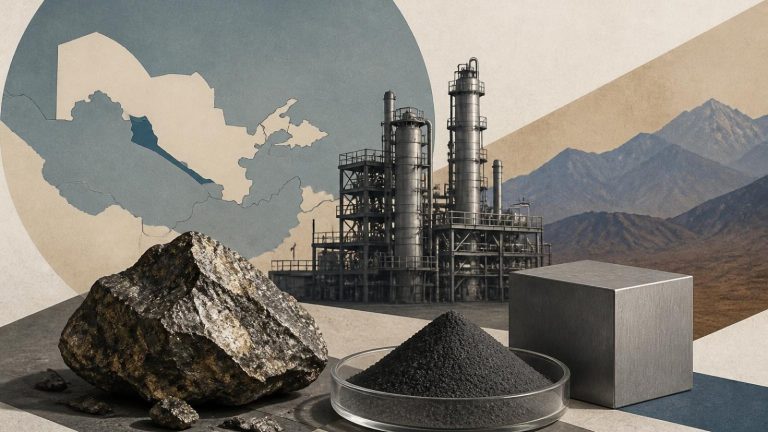
The EMILI project, which focuses on the extraction of lithium-bearing mica, aims to produce 34,000 tonnes of lithium hydroxide annually, thereby diversifying European supply sources and reducing reliance on international supply chains. The project is supported by the French state, which holds a minority stake through La Banque des Territoires, underscoring its strategic importance to France and the European Union’s energy transition goals.