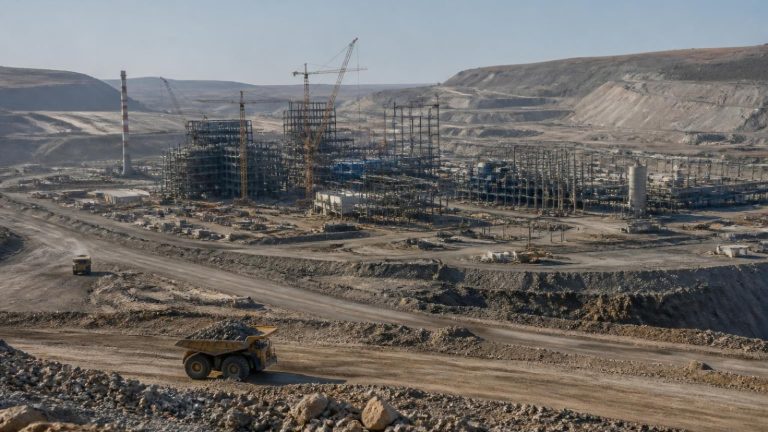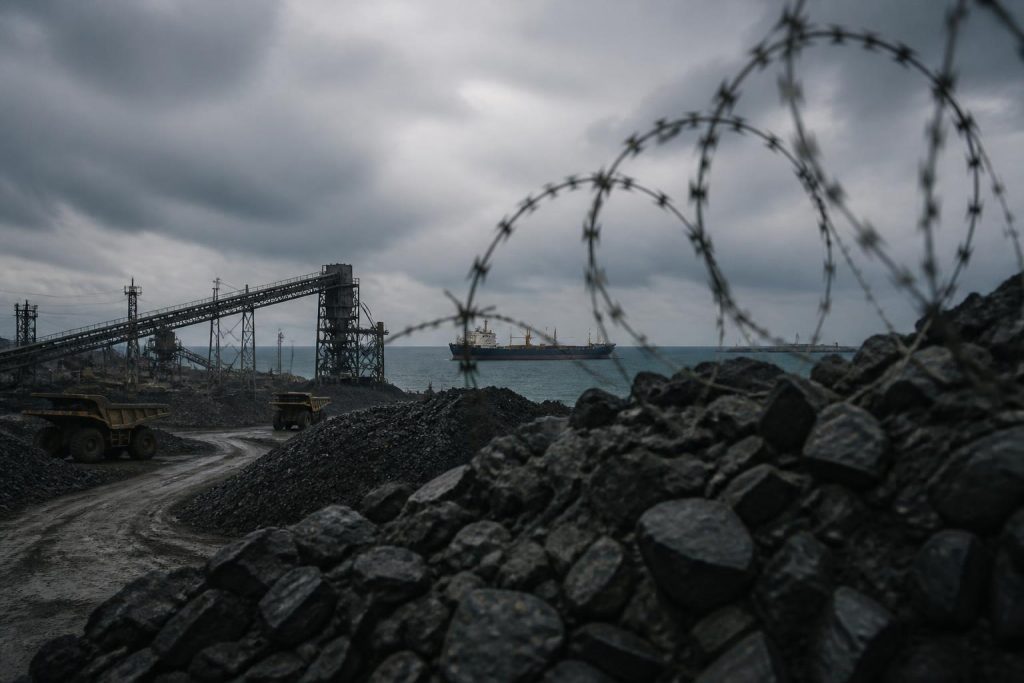
The ongoing blockade of the Black Sea ports has severely impacted Ukraine’s mining and metallurgy sectors, particularly affecting major players like Ferrexpo and Metinvest. The closure of these ports has not only disrupted agricultural exports but has also halted the maritime export of iron ore, which is crucial for the economy. Ferrexpo has been forced to suspend production at its Poltava mining and processing plant, while Metinvest has temporarily halted operations at its Southern Mining and Processing Plant (Southern GOK).
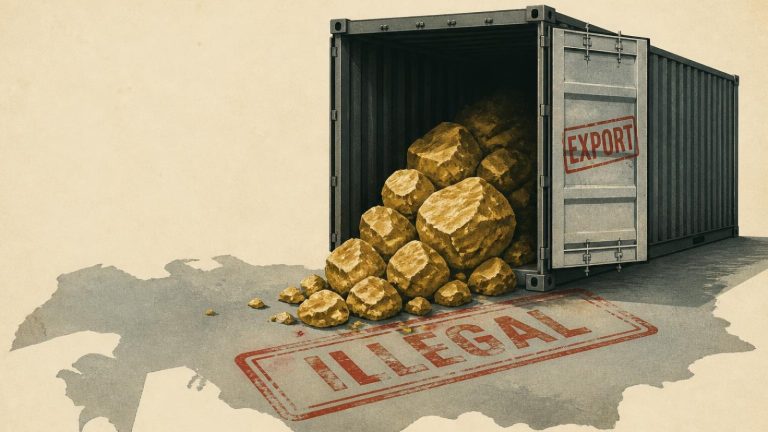
Before the war, Ukraine produced a record 81.2 million tonnes of iron ore in 2021, with a significant portion exported to China. However, the onset of the conflict led to a drastic decline in production and exports, dropping nearly 2.5 times due to the loss of key domestic buyers and the blockade of maritime routes. The only alternative has been to redirect iron ore exports via rail to the European Union, but this has proven economically unfeasible due to high logistics costs.
The situation briefly improved in late 2023 when a maritime corridor reopened, allowing for a resurgence in exports. However, this recovery was short-lived, as Russian attacks on energy infrastructure led to rising electricity costs, which account for a significant portion of production expenses. The combination of low global iron ore prices and high transportation costs has made it difficult for Ukrainian companies to compete with Australian and Brazilian producers.
As of early 2026, the situation remains dire, with exports dropping by 27.3% in the first half of the year. Ferrexpo, lacking its own steel production facilities in Ukraine, is particularly vulnerable, relying entirely on exports. The company has warned that without additional funding and the resumption of full-scale shipments, it may only have enough resources to operate until mid-September. Meanwhile, Metinvest, which has its own steel mills, is also facing challenges, including a significant reduction in production and increased transportation costs due to the blockade.
Experts warn that the continued closure of maritime routes threatens the macroeconomic stability of Ukraine, with the potential for widespread plant shutdowns if the situation does not improve soon. The reliance on European markets is not a viable long-term solution, as the logistics and costs associated with land transport are prohibitive. The Ukrainian mining sector is at a critical juncture, with the need for government intervention and support to mitigate the impact of these challenges on the industry and the economy as a whole.