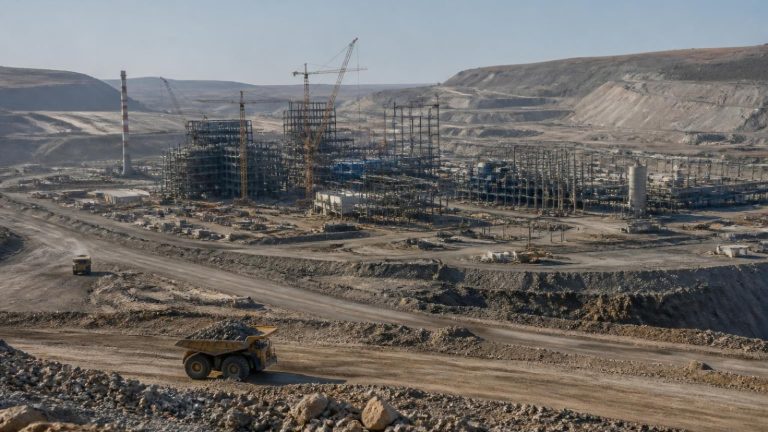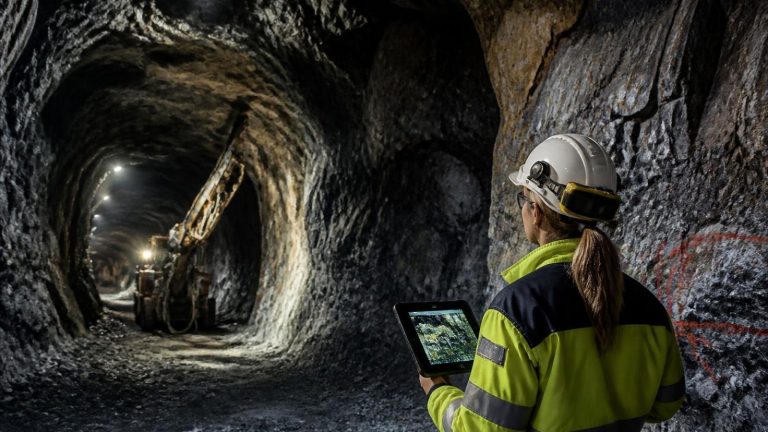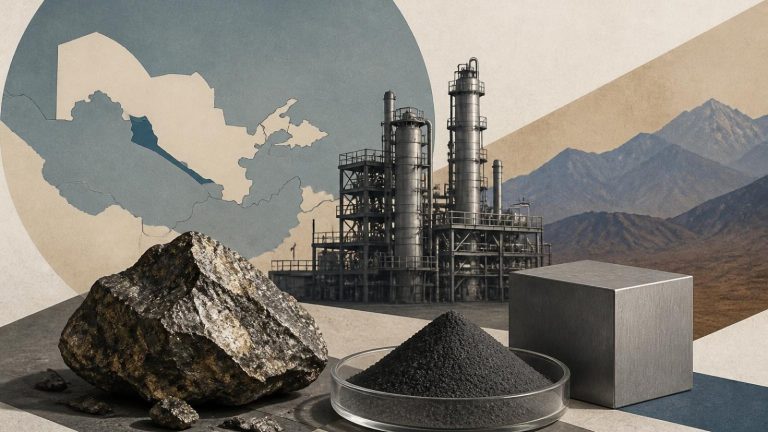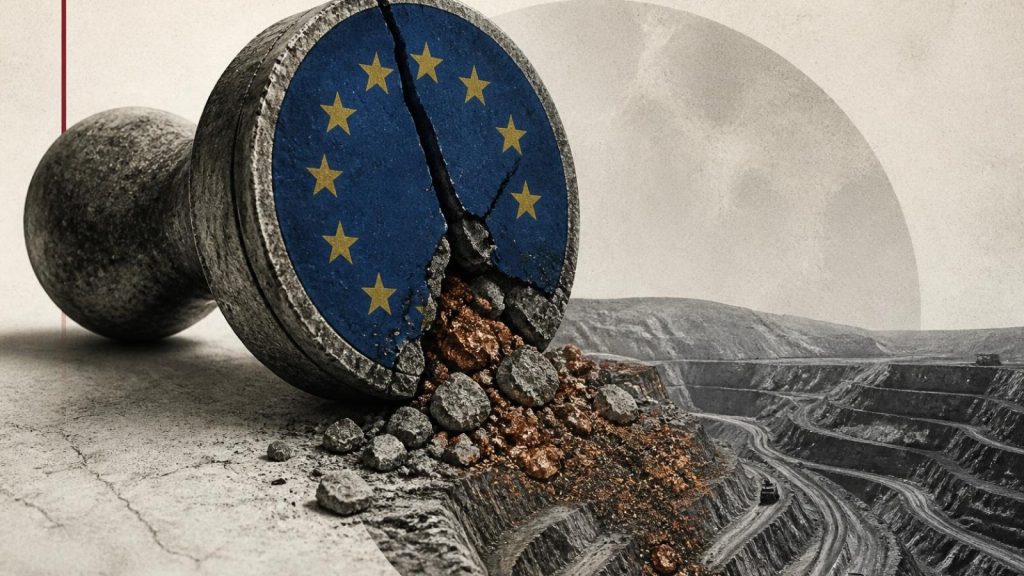
The European Union’s ambitious strategic raw materials project, aimed at securing access to critical metals and minerals, is encountering significant challenges, with some key initiatives failing to deliver tangible benefits. Maria Sunér, CEO of the Swedish mining industry association Svemin, has voiced concerns that the EU’s designation of projects as strategically important has not translated into faster approvals or improved financing conditions. This sentiment is echoed by former commercial manager Luc Pez of the now-bankrupt French company Viridian Lithium, which was once heralded as a flagship project under the EU’s strategic initiative. Despite being granted the EU’s strategic seal of approval, Viridian Lithium’s failure highlights the systemic issues plaguing the initiative.
The EU’s Critical Raw Materials Act (CRMA) aims to reduce reliance on external sources, particularly China, by ensuring that a significant portion of the EU’s raw material needs is met domestically. By 2030, the EU aims for at least 10% of its annual consumption of strategic raw materials to be mined within its borders, with additional targets for processing and recycling. However, the reality on the ground suggests that these goals are far from being met, as many projects remain stalled due to bureaucratic hurdles and lack of financing.
For instance, Talga’s planned graphite mine in Sweden, which has received strategic status, is still facing delays in the permitting process, despite having secured the necessary approvals. Emma Själin, Head of Public Affairs at Talga, notes that while the European Commission has established regulations, the implementation at the member state level is lagging. This disconnect is contributing to a challenging investment climate, as new mining ventures struggle to secure funding without binding customer agreements, which are difficult to obtain in a market dominated by Chinese suppliers.
The situation is exacerbated by the fact that many strategic projects across Europe are experiencing financial difficulties. A recent report indicated that around 40% of EU strategic raw materials projects lack financial commitments, with a significant number of initiatives facing delays or uncertain statuses. The European Court of Auditors has also raised concerns about the fragmented funding system within the EU, which complicates the financial landscape for these projects.
Industry leaders are calling for more robust government support, including risk-sharing mechanisms and guarantees to attract private investment. Sunér argues that the EU must go beyond merely streamlining permit processes and consider innovative financing models to create a more conducive environment for strategic producers. This could involve establishing price floors or joint purchasing agreements to ensure a stable market for domestically produced raw materials.
As Europe grapples with its dependence on China for critical minerals, the need for a cohesive strategy that encompasses the entire value chain—from mining to processing—becomes increasingly urgent. Without addressing these systemic issues, the EU risks falling short of its strategic ambitions and remaining reliant on external sources for essential raw materials.