The demand for critical minerals is reshaping the role of Central Asia, particularly Kazakhstan and Uzbekistan, in global supply chains, while highlighting the urgent need for verified geological information. Many raw materials in the region remain unexplored, and the extent of its mineral wealth is still largely speculative, based on historical data and limited new findings. Leaders from the five Central Asian countries agree on the necessity to explore, balance, and utilise natural resources efficiently and economically for national interests.
Central Asia is not only rich in copper, uranium, tungsten, lithium, graphite, titanium, and rare earth elements but also holds over 38% of the world’s manganese ore reserves and significant quantities of other critical minerals. Uzbekistan alone boasts reserves of over 30 types of critical minerals, with plans for 76 projects worth $2.6 billion aimed at developing 28 rare minerals by 2030. In Kyrgyzstan, the Kyzyl-Ompol deposit holds an estimated 20 million tonnes of titanomagnetite, while the Kutessai-2 site contains approximately 60,000 tonnes of various critical minerals.
Kazakhstan is actively mining and integrated into global raw material supply chains, with rare earth exports quadrupling by early 2025 compared to 2020. The country joined the Minerals Security Partnership in 2024 and plans to invest nearly $5.3 billion in the development of its rare metals and minerals sector by 2028, including geological research.
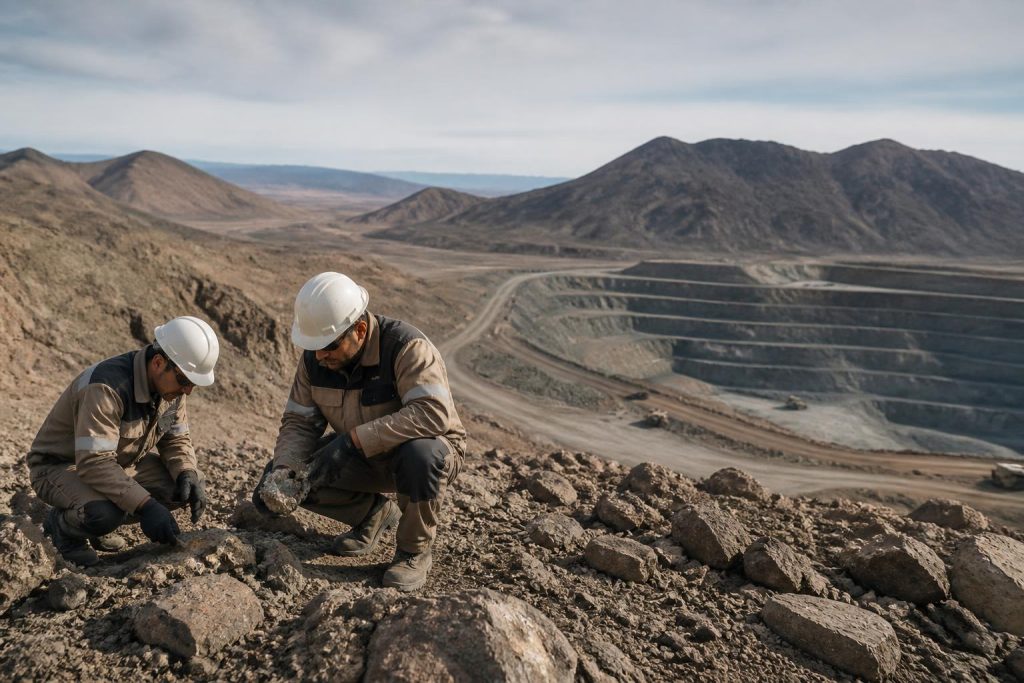
Experts believe that with detailed geological exploration using new technological solutions, the overall reserves of critical minerals in Central Asia could increase significantly. Recent geological exploration at the Kuiraktykol deposit in Kazakhstan saw resource estimates rise from 20 million tonnes to 282 million tonnes, illustrating the potential for discovery through modern methods. The rapid global economic changes and the rise of green energy and high-tech industries have intensified the demand for strategic raw materials, making extensive geological surveys essential for development.
At the MINEX Kazakhstan 2026 forum, discussions highlighted the need for innovative approaches in geological exploration, emphasising a shift from traditional methods to systematic targeting based on modern capabilities. The reliance on archival data for over 55% of geological information underscores the importance of verifying historical data to mitigate exploration risks. The forum also addressed the balance between speed and quality in geological surveys, advocating for investments in reliable data rather than merely land.
The implementation of advanced technologies, such as geophysical methods and remote sensing, has transformed the landscape of geological exploration, enabling the identification of previously inaccessible mineral deposits. The integration of these technologies is crucial for enhancing the efficiency and accuracy of geological assessments, ultimately leading to more successful exploration outcomes. As Central Asia continues to evolve its approach to resource exploration, the MINEX forum serves as a vital platform for international dialogue on the future of the mining industry in the region.