
A new report by the International Institute for Environment and Development (IIED) reveals that the landscape of critical minerals agreements has expanded rapidly, outpacing the scrutiny applied to these deals. The study, titled ‘Critical minerals agreements: typology, trends and implications,’ catalogues 114 agreements made between 1 August 2021 and 31 July 2026, of which only 60 have publicly available texts. The analysis, authored by Lorenzo Cotula, Anna Bulman, Jesse Coleman, and Rose Mosi, focuses on the implications of these agreements for mineral-rich lower- and middle-income countries and large economies.
The report indicates that while Europe, particularly the EU and Japan, has a reputation for transparency by publishing most of their agreements, many countries, including South Korea and India, have published very few. Among the published agreements, 47 are non-binding, while 13 are binding, primarily comprising broad trade agreements with critical minerals provisions. This predominance of bilateral agreements is seen as fragmenting negotiating power among countries.
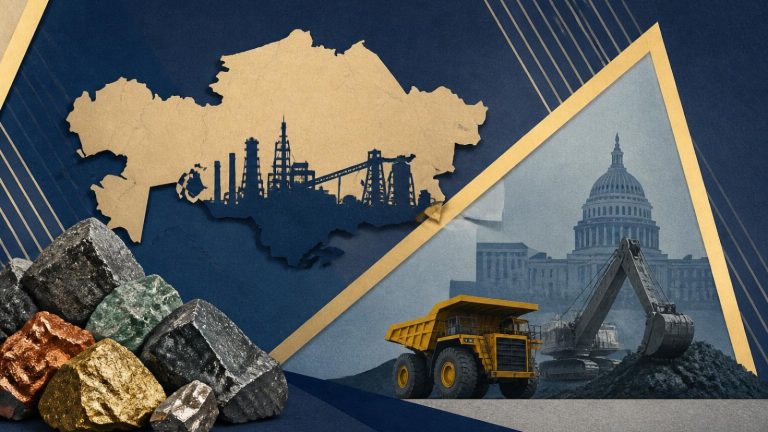
In contrast, the United States has been more active in signing agreements, concluding at least 33 from 2025 onwards, with provisions that often prioritise American investors. China has also signed several bilateral agreements, further complicating the dynamics of critical minerals diplomacy.
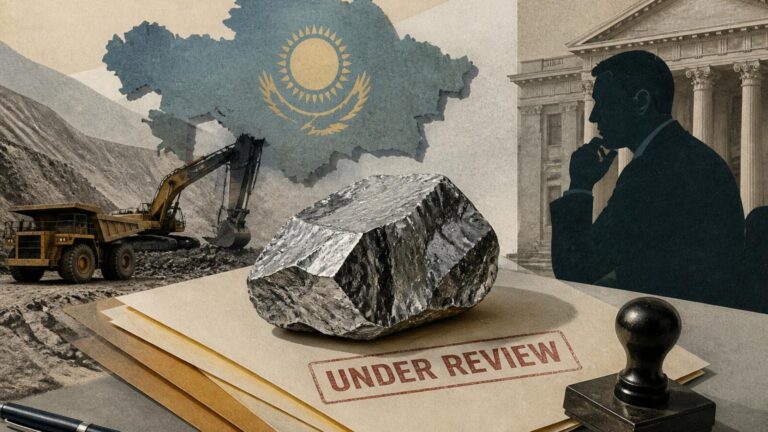
The report highlights a significant gap in transparency for Central Asia, where only Kazakhstan and Uzbekistan are covered. Notably, the agreements signed by these countries with the EU and other partners lack published texts, raising concerns about the visibility and accountability of these deals. For instance, Kazakhstan’s memorandum with the EU, signed in November 2022, focuses on sustainable raw materials and renewable hydrogen, while Uzbekistan’s agreement from April 2024 extends principles related to climate and human rights.
The lack of published agreements in Central Asia is particularly concerning as these countries aim to enhance their downstream processing capabilities. The report calls for producer governments to develop integrated national strategies and engage in inclusive processes before entering into agreements. It also urges large economies to support producer coordination and respond to requests for renegotiation.
Overall, the IIED report underscores the need for greater transparency and accountability in critical minerals agreements, particularly in Central Asia, where the implications of these deals for local communities and the environment remain largely unaddressed.
The governance of these partnerships will be a key topic at the upcoming MINEX Eurasia Forum, highlighting the ongoing challenges and opportunities in the critical minerals sector.