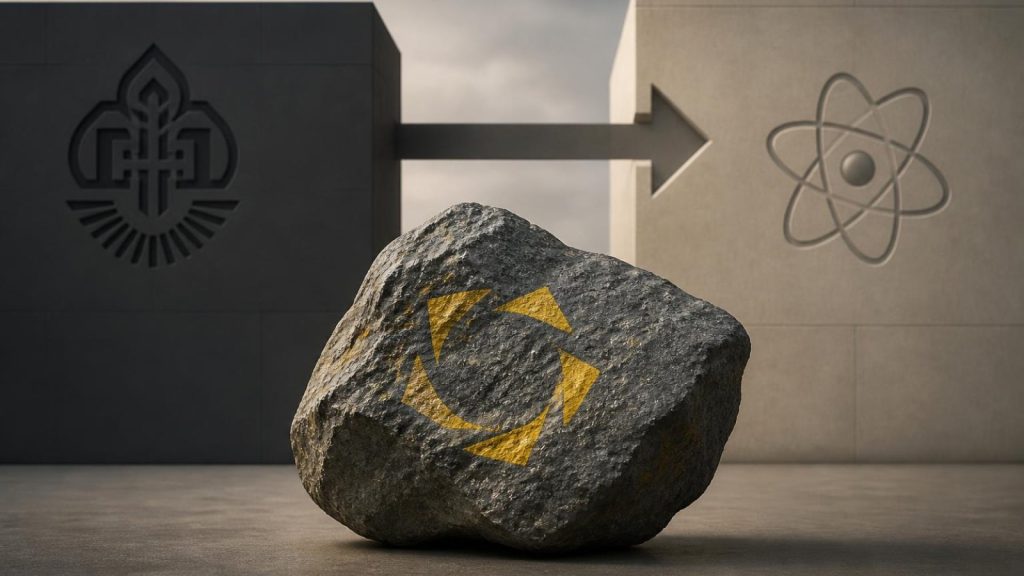
Shuriev suggests the changes could reach other fund assets too. KTZ could move under the transport ministry, mining enterprises under the Ministry of Industry, and Kazpost under its relevant ministry. He also mentioned a possible review of the state’s model of participation in ERG. Oil and gas analyst N. Zhumagulov argues that separating Kazatomprom from the fund would give it more independence in corporate decisions and could support its share price.
The fund currently holds 62.99% of Kazatomprom’s shares, while the Finance Ministry holds 12.01%, which the fund manages in trust. The remaining 25% trades freely. The group’s global depositary receipts are listed on the London Stock Exchange and its shares on the AIX. For 2025, it reported revenue of 1.8 trillion tenge and net profit of 807 billion tenge, and it accounts for roughly a fifth to two-fifths of world uranium output, depending on the passage you read.
The reorganisation debate sits against a corruption investigation. On 11 November 2026, the Anti-Corruption Service of the National Security Committee detained Samruk-Kazyna chairman N. Zhakupov, KTZ head E. Otynshiyev, and others. The investigation is ongoing, and the fund says it is cooperating and operating normally. On 16 November, President Tokayev dismissed E. Sagimbayev as KNB chairman and appointed M. Irmenov in his place.