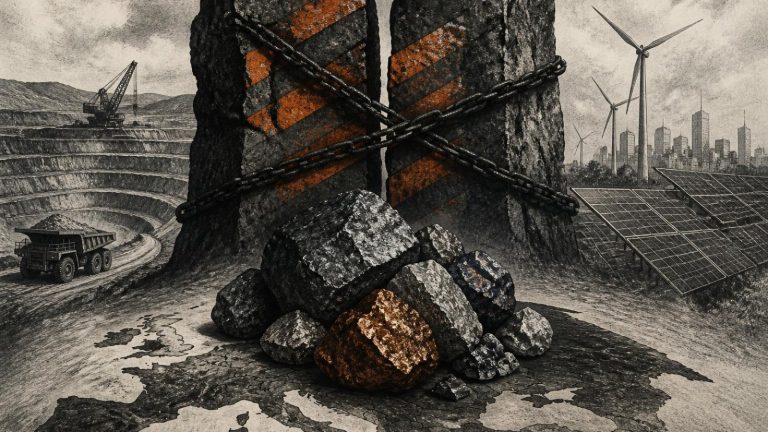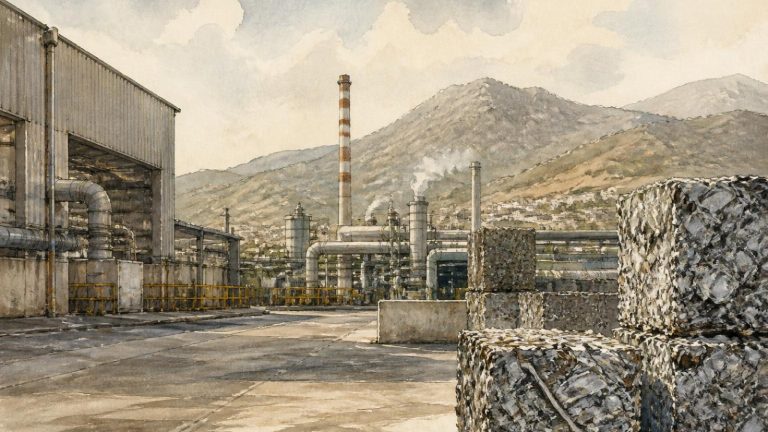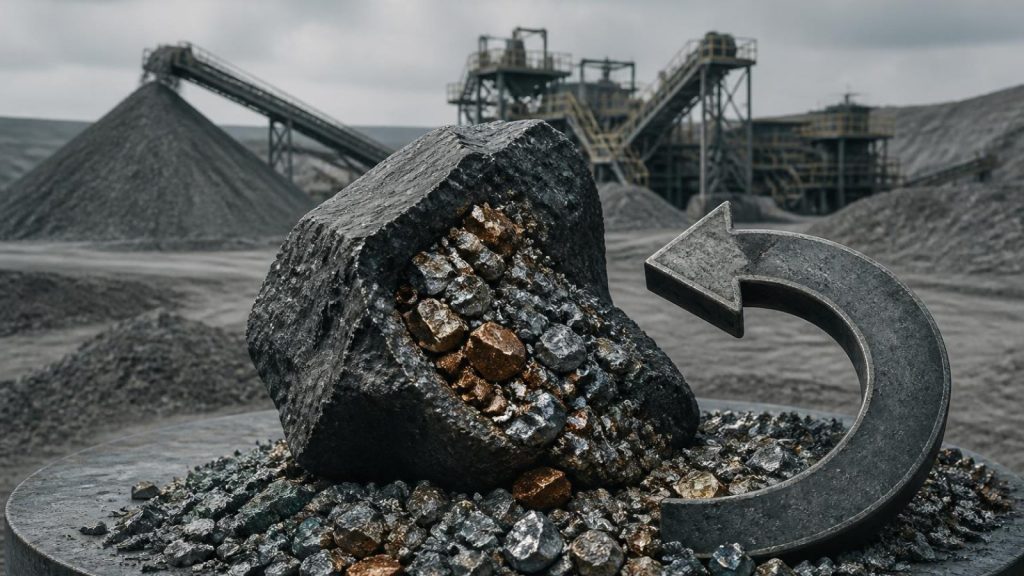
The mining industry is witnessing a significant shift towards alternative sources of critical minerals and metals, with a particular focus on waste reprocessing. As the demand for these resources continues to rise, companies are exploring various avenues for extraction and processing. While some are concentrating on acquiring extraction licenses and developing new manufacturing technologies, others are turning their attention to the vast amounts of waste generated by mining operations. According to the International Energy Agency (IEA), mining produces approximately 10 billion tonnes of waste annually, a figure that is expected to increase by nearly 90% by 2030 compared to 2020 levels. This presents a substantial opportunity for the reprocessing of waste materials, which are often rich in valuable minerals that have been overlooked.
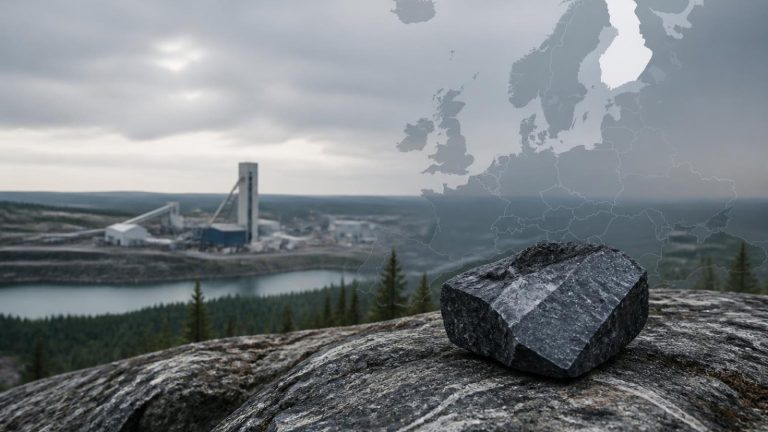
For instance, in Chile, the copper content in mining waste is projected to grow from 1.6 million tonnes in 2005 to 5.6 million tonnes by 2050. The market is responding to this potential, with the circular economy in mining estimated to be valued at $24.8 billion by 2025, potentially reaching $60.2 billion by 2035. Several projects across Europe are already making strides in this area. Notable examples include ReeMAP in Sweden, which focuses on extracting rare earth elements (REE) from iron ore mining waste, and Chvaletice in the Czech Republic, which aims to recover battery-grade manganese from tailings of a decommissioned mine.
In Central Asia, particularly in Uzbekistan and Tajikistan, there is immense potential for waste processing. These countries have a long history of mining gold, antimony, and uranium, leaving behind significant quantities of associated metals in dumps and tailings. Modern reprocessing technologies now make it feasible to recover these resources. A strategic cooperation is already in the works, with an alliance formed in 2025 to leverage selective-leaching technology from the SOLVOMET R&T Centre at KU Leuven. This initiative aims to recover critical minerals from waste streams without the need for new mining operations, thereby minimising environmental impact.
The importance of waste reprocessing cannot be overstated. It not only alleviates environmental liabilities but also generates revenue and modernises infrastructure. As the mining industry continues to evolve, the focus on reprocessing waste materials is likely to grow, revealing the hidden treasures that lie within what was once considered refuse. The adage “everything new is the well-forgotten old” rings true in this context, as the mining sector rediscovers the value in its discarded materials.