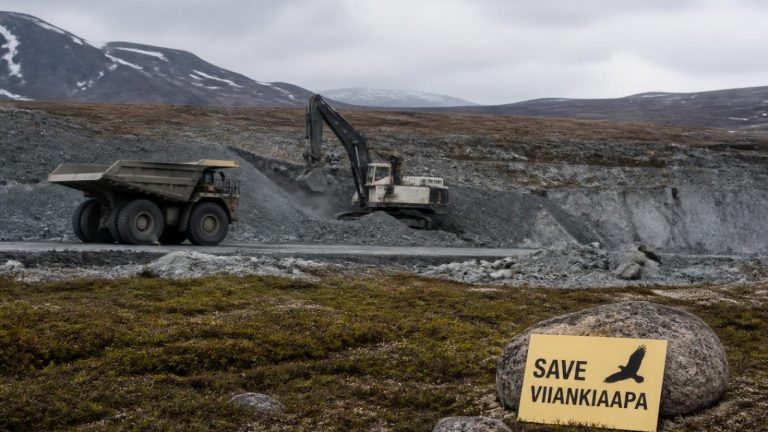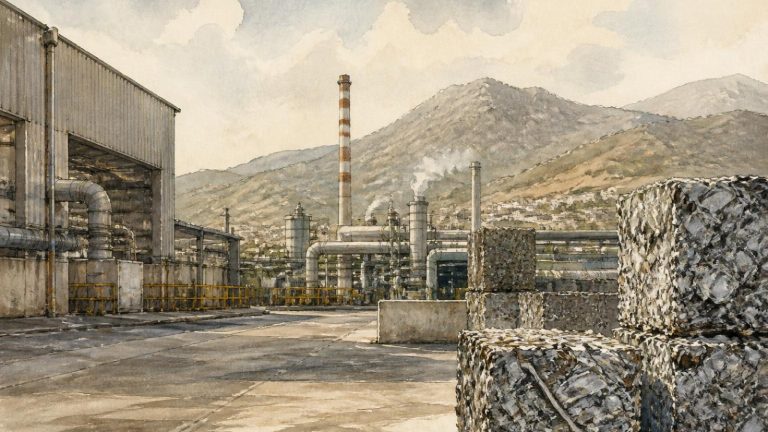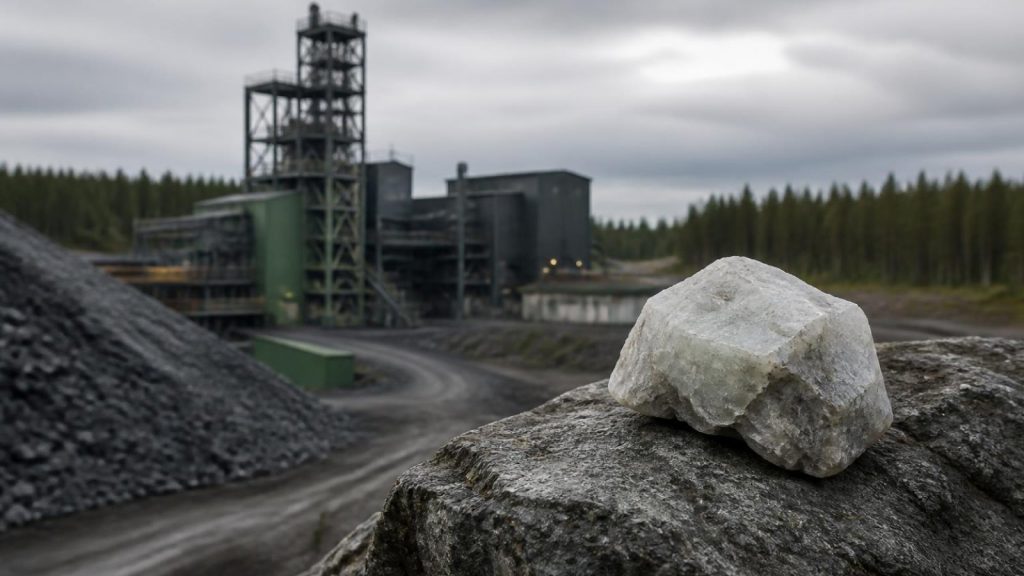
Finland’s integrated lithium project, Keliber, exemplifies the challenges faced in converting strategic ambitions into commercially viable production. While Europe has made strides in identifying critical materials and facilitating their development through initiatives like the Critical Raw Materials Act, the real test lies in the execution of these projects. Keliber has made significant progress, with mining operations commencing at Syväjärvi and the commissioning of a lithium hydroxide refinery in Kokkola. However, the project faces a crucial hurdle: the ability to activate its downstream capacity with sufficient commercial confidence.
Sibanye-Stillwater, the company behind the project, has adopted a phased commissioning approach, prioritising stable mining and the production of spodumene concentrate before ramping up to battery-grade lithium hydroxide. This cautious strategy reflects a rational capital discipline, but it raises important questions for Finland and Europe regarding the viability of the entire lithium value chain.
Keliber has successfully navigated the initial stages of project development, including securing financing and constructing the necessary infrastructure. By mid-2026, it had spent €719 million of its €783 million budget, marking a significant achievement in a European context where many mining projects struggle to progress. However, as the project advances, the nature of risk evolves, shifting from geological and construction risks to operational and market risks.
The project can be understood through five critical conversion gates, each representing a stage in the transition from geological potential to market-ready products. The first gate, from geological potential to mineable resource, has largely been passed, with mining operations underway and further deposits identified. The second gate, involving the establishment of industrial infrastructure, has also been successfully navigated, thanks to substantial public and private investment.
As Keliber moves towards stable concentrate production, the focus shifts to ensuring that the produced material meets market specifications. The third gate highlights the importance of operational consistency, as the concentrator must produce on-spec spodumene to be commercially viable. The fourth gate, from concentrate to qualified battery material, presents the largest industrial value step, requiring the refinery to demonstrate its ability to produce battery-grade lithium hydroxide consistently.
The final gate, from qualified output to bankable demand, poses the most significant challenge. Without binding long-term contracts for lithium hydroxide, the project risks remaining in a state of partial conversion, providing only spodumene concentrate rather than the integrated battery-grade supply that Europe needs. This situation underscores the need for a commercially credible bridge between production and market demand, as Europe seeks to enhance its resilience in the critical materials sector.
Ultimately, Keliber serves as a crucial case study for Europe’s critical-materials strategy, highlighting the need for ongoing evolution in policy and market mechanisms to ensure that projects like this can fully realise their potential. The next two years will be pivotal for Keliber, as it seeks to secure long-term offtake agreements and prove that it can transition from construction to full operational capacity, thereby addressing Europe’s conversion problem in the critical materials landscape.