In a recent episode of the RAW MATTERS podcast, Agathe Destresse from the European Climate Foundation emphasised the urgent need for Europe to reconsider its approach to critical metal supply chains in the context of the green transition. The discussion, hosted by Peter Tom Jones and featuring Victor van Hoorn, Director of Cleantech for Europe, delves into the challenges and opportunities facing Europe’s cleantech industry as it seeks to achieve climate neutrality.
The episode raises pivotal questions about the sustainability of Europe’s reliance on imported cleantech products, such as electric vehicles (EVs), batteries, and solar panels. Destresse argues that while it may seem straightforward to import these technologies from China, this approach could jeopardise Europe’s industrial base, job market, and innovation capacity. The hosts explore whether Europe’s cleantech industry is thriving or merely surviving in the shadow of China’s dominance in sectors like batteries, solar photovoltaic (PV) technology, and advanced manufacturing.
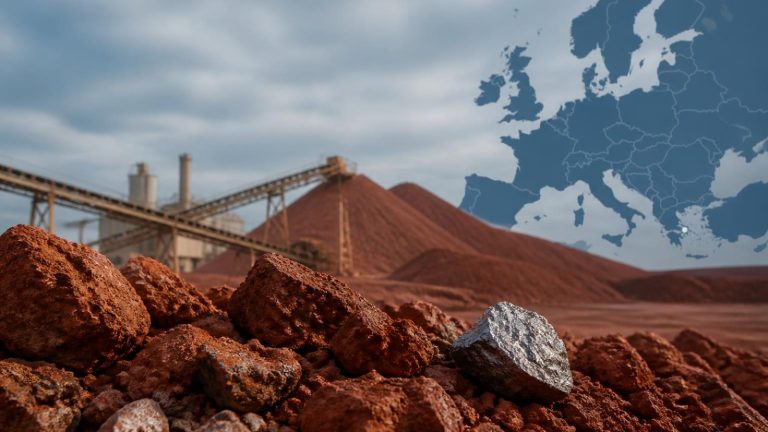
A significant focus of the conversation is on the role of critical minerals, which are often overlooked in discussions about the climate transition. The hosts highlight that without a secure supply of minerals such as lithium and rare earths, Europe cannot hope to maintain a competitive edge in cleantech. They stress that the continent faces a crucial decision: to become a technology maker, developing its own capabilities, or to remain a technology taker, dependent on external sources.
The podcast also outlines the necessary steps Europe must take before 2030 to ensure its competitiveness in the global cleantech market. This includes developing a robust industrial strategy that prioritises the sourcing and processing of critical minerals within Europe, thereby enhancing economic resilience and autonomy. The conversation serves as a wake-up call for policymakers and industry leaders to recognise the foundational role of minerals in achieving Europe’s ambitious climate goals.
As Europe stands at a crossroads, the choices made in the coming years will determine whether it can successfully navigate the complexities of the green transition and secure its position as a leader in the global cleantech economy.