Since the implementation of the Critical Raw Materials Act (CRMA) in May 2024, the European Union has aimed to bolster its domestic mining capabilities by designating 60 Strategic Projects and promising expedited permitting processes. However, five years into this initiative, the reality of project development in Europe reveals a stark contrast to the ambitious policy goals. While a few projects have successfully transitioned from planning to production, many others remain mired in legal disputes, financial challenges, or have been abandoned altogether. This article examines the factors influencing the success or failure of various mining projects across Europe, highlighting that the issues at play extend far beyond permitting delays.
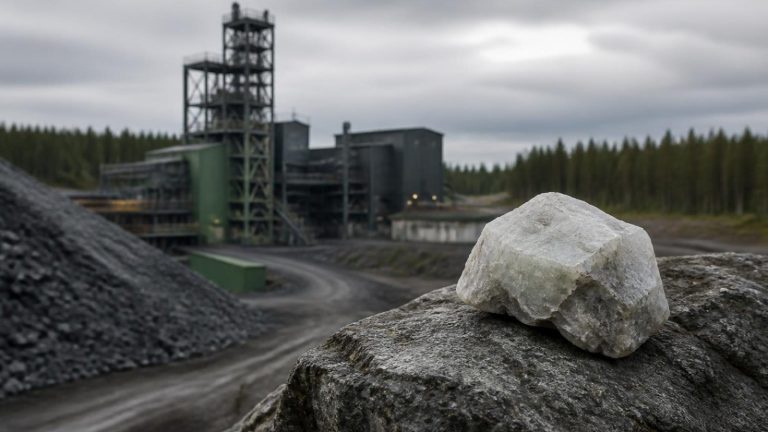
Among the projects that have made significant progress, Eldorado Gold’s Skouries copper-gold project in Greece is nearing completion, with first concentrate expected by the third quarter of 2026. Similarly, Sibanye-Stillwater’s Keliber project in Finland has become Europe’s first fully integrated lithium operation, producing lithium hydroxide locally, which has garnered support from local communities and regulators. In the Czech Republic, the Cínovec lithium project, backed by state aid, is on track for commissioning around 2031, while Sweden’s Leading Edge Materials has secured a mining lease for its Norra Kärr rare earth project after overcoming a decade of legal hurdles.
However, the article also sheds light on notable failures. Rio Tinto’s Jadar lithium project in Serbia faced mass protests and was ultimately placed on care and maintenance due to political pressures, illustrating how local opposition can derail even strategically designated projects. Similarly, Slovakia’s Trojárová antimony project was cancelled on environmental grounds, and Portugal’s Barroso lithium project is embroiled in legal challenges that threaten its future.
The article emphasises that successful projects often share common characteristics: they tend to involve existing infrastructure, local processing, and strong financial backing from state or state-affiliated entities. Conversely, projects that have stalled or failed frequently encounter issues related to financing, market volatility, or community opposition rather than permitting alone. This insight underscores the need for a comprehensive approach to mining project development that considers geological risk, financing, and community engagement as integral components of the process.
As Europe continues to navigate its mining ambitions, the lessons learned from these projects will be crucial in shaping future policies and strategies. The upcoming MINEX Europe 2026 forum will further explore these themes, focusing on the real challenges facing the mining industry and the practical steps needed to enhance project viability in the region.