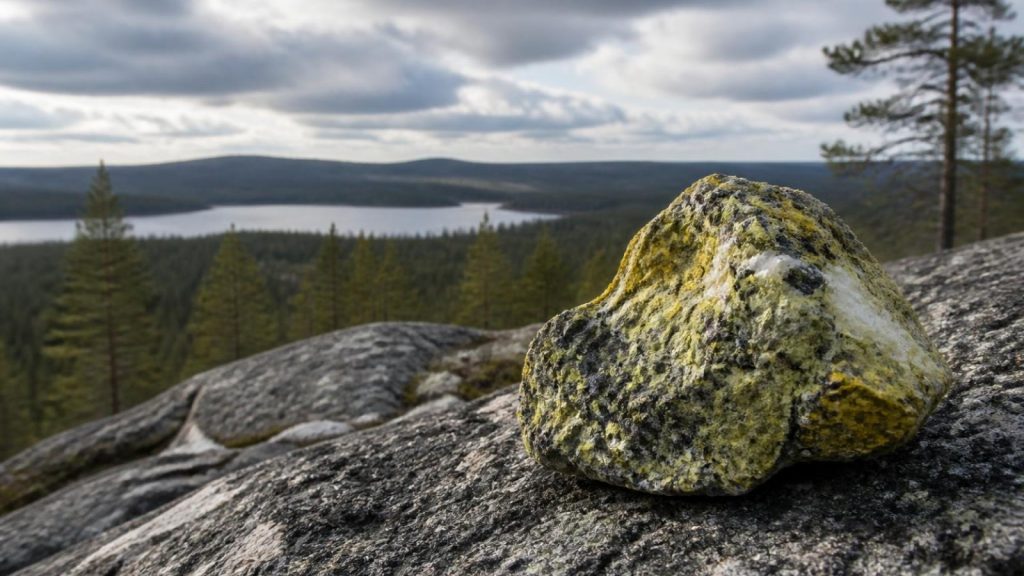
A new uranium discovery has been reported, highlighting a promising outcrop approximately 450 metres southeast of a previously identified mineralised trench. This trench, measuring 5.5 metres by 2 metres, had yielded an impressive assay of 3% U3O8 over a 3-metre interval. Recent sampling conducted in 2026 has shown even more encouraging results, with assays revealing 6.9%, 2.3%, and 1.9% U3O8 from the historic outcrop, alongside a separate sample taken just 10 metres away that assayed at 4.6% U3O8.
The newly discovered outcrop, featured in a recent video release, has assayed at 2.15% U3O8, further bolstering the potential of the site. In addition to this, the Flistjärn area in Western Sweden has demonstrated even higher assay grades, with results reaching up to 15.2% U3O8. This trend of high-grade, conventional uranium discoveries in Sweden and Finland aligns with the company’s strategic focus on these regions for uranium exploration and extraction.
The implications of these findings are significant for the mining industry, particularly in the context of increasing global demand for uranium as a clean energy source. As countries look to diversify their energy portfolios and reduce carbon emissions, the role of uranium is becoming increasingly critical. The discoveries in Sweden not only highlight the geological potential of the region but also position it as a key player in the future of uranium supply.
Overall, the latest results underscore the importance of continued exploration and investment in uranium mining, particularly in regions with established mineralisation. As further assays and evaluations are conducted, the mining community will be keenly watching for updates that could shape the future of uranium production in Northern Europe.