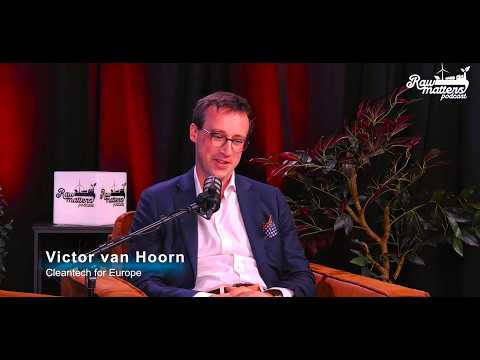
In the inaugural episode of Season 2 of the RAW MATTERS podcast, hosts Peter Tom Jones and Agathe Destresse engage with Victor van Hoorn, Director of Cleantech for Europe, to explore the pressing challenges facing Europe’s clean technology sector. The episode poses a critical question: Can Europe effectively decarbonise without relying heavily on Chinese imports of electric vehicles (EVs), batteries, and solar panels? This inquiry is particularly relevant as Europe grapples with the implications of depending on external sources for its green transition.
The discussion delves into the current state of Europe’s cleantech industry, questioning whether it is thriving or merely surviving amidst fierce global competition. The hosts and van Hoorn examine how China has established its dominance in key areas such as batteries, solar photovoltaic (PV) technology, wind power, and advanced manufacturing. This dominance raises concerns about Europe’s ability to maintain its industrial base, job security, and innovation capacity.
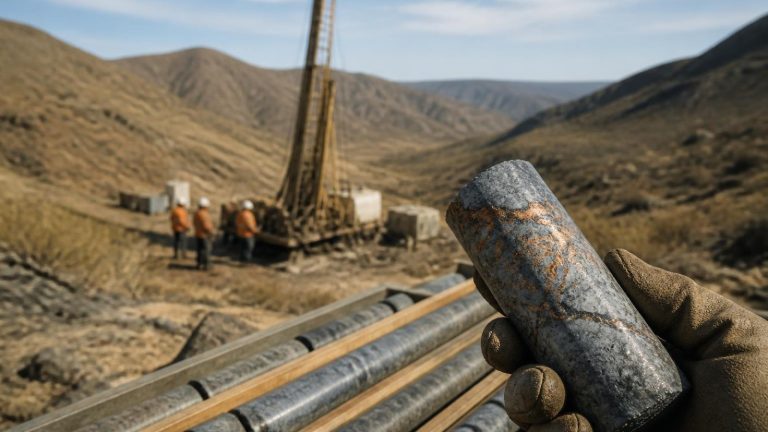
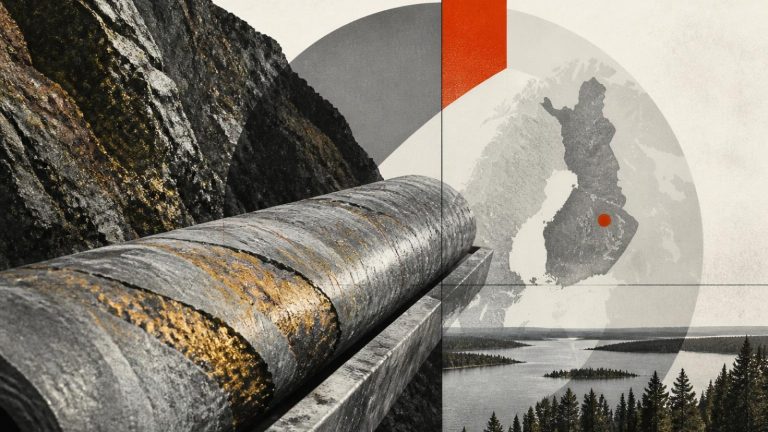
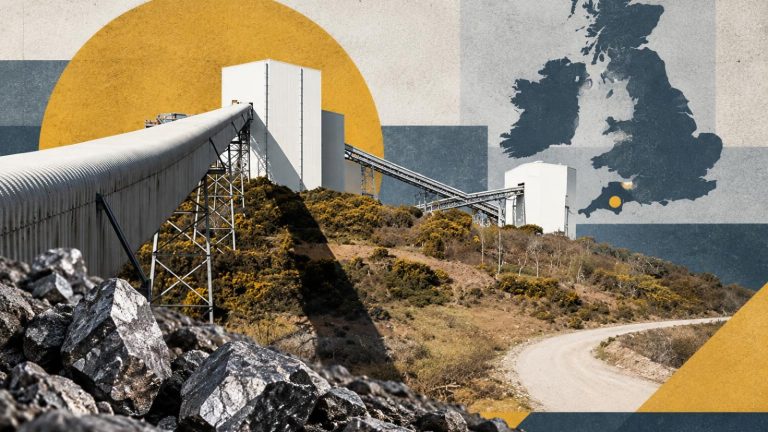
A significant focus of the episode is the role of critical minerals, which are often overlooked yet are essential for the climate transition. The conversation highlights the importance of securing a stable supply of these minerals, including lithium and rare earth elements, which are vital for the production of batteries and other clean technologies. The hosts stress that without these resources, Europe risks jeopardising its cleantech ambitions and overall climate goals.
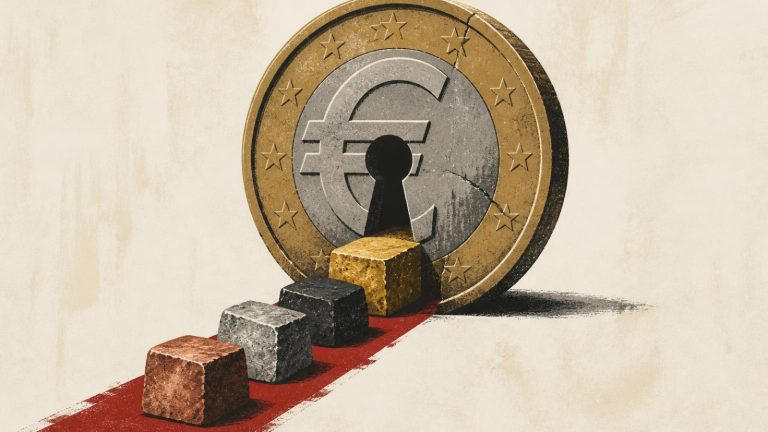
As the podcast progresses, the discussion shifts to the potential consequences of Europe’s reliance on imported cleantech. The hosts pose a stark choice for the continent: to become a technology maker, developing its own capabilities and resources, or to remain a technology taker, dependent on external suppliers. This decision will have profound implications for Europe’s economic resilience and its ability to achieve climate neutrality by 2030.
In summary, the episode serves as a wake-up call for European policymakers and industry leaders, urging them to take decisive action to secure the necessary resources and develop a robust domestic cleantech industry. The overarching message is clear: without a strategic focus on critical minerals and technological independence, Europe’s green transition may falter, leaving the continent vulnerable in the global clean technology landscape.