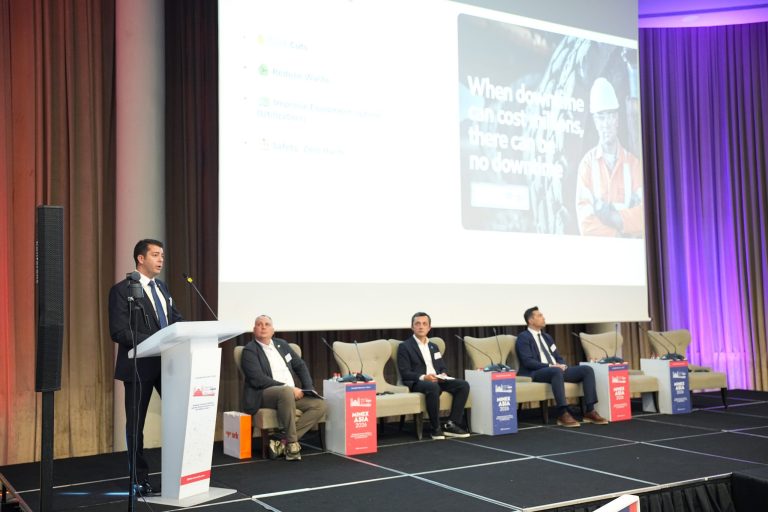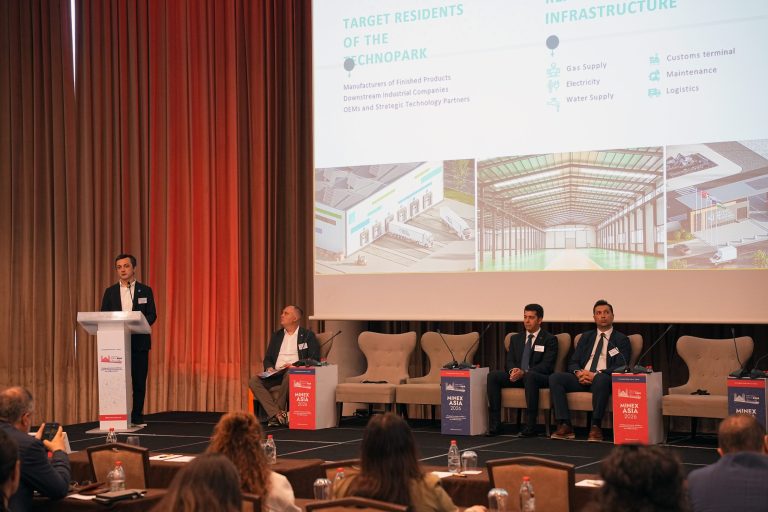
The digital transformation of the mining and metallurgy industry is rapidly becoming a key area of development, particularly at the Navoi Mining & Metallurgy Combinat (NGMK) in Uzbekistan. This transformation encompasses a wide range of production and management processes, from geology and ore extraction to processing, transportation, and decision-making. A recent two-day seminar focused on the application of digital technologies and artificial intelligence (AI) in NGMK, organised in collaboration with the Ministry of Mining and Geology of Uzbekistan, highlighted the importance of these advancements.
Participants included representatives from various mining and metallurgy companies, including AGMK, Navoiuran, and Uzmetkombinat, who exchanged experiences and discussed the practical application of digital solutions. O.S. Faizullaev, Deputy Minister of Mining and Geology, emphasised the need for collaboration among industry enterprises in the realm of digitalisation and AI implementation.
B.R. Davlatov, NGMK’s Director of Information Technology and Digitalisation, noted that the shift to digital production significantly accelerates information gathering and analysis. Previously, much information was recorded on paper, lacking comprehensive analytics. Now, data about equipment performance, technological processes, and production tasks are collected automatically, allowing specialists to access necessary information more swiftly.
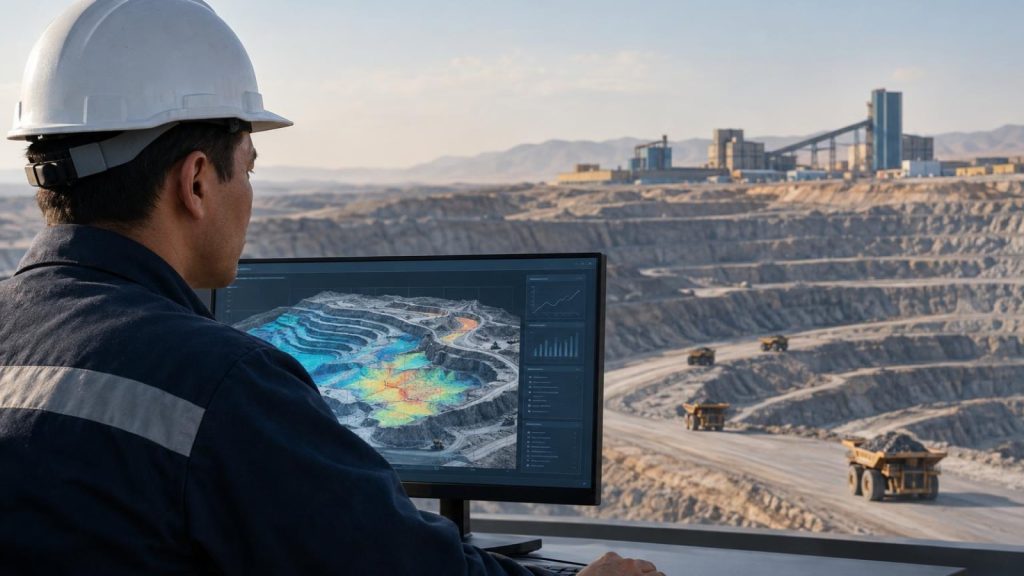
The seminar also highlighted the critical role of digitalisation in managing mining operations. NGMK has implemented automated systems for managing technological processes, particularly in its hydrometallurgical plants, using SCADA systems to monitor process conditions and identify issues requiring intervention. V.B. Pulatov, Head of Production Automation, discussed the development of a ‘smart quarry’ that provides real-time visibility into operations, optimising the management of mining transport processes.
AI is set to play a more significant role in the next phase of digitalisation, with algorithms capable of analysing vast amounts of data to identify patterns and predict potential changes in equipment and processes. This proactive approach is crucial for large enterprises, as early detection of deviations can prevent downtime and reduce losses.
NGMK has already established a robust technological foundation for further development in this area, with over 100 software solutions and more than 100,000 measuring devices in place. The results of digitalisation are tangible, with productivity in hydrometallurgical plants increasing by 5-7% and energy consumption decreasing by 3-5%.
The Muruntau mine serves as a prime example of extensive digitalisation, having extracted over 124 million cubic metres of rock in 2024. The efficiency of the mining transport complex is directly linked to quality management, with satellite monitoring systems implemented to oversee the movement of trucks, drilling rigs, and excavators.
Digital technologies are also being applied to develop new production solutions, such as cyclic-flow technology at Muruntau, which reduces transportation time and costs as the quarry deepens. NGMK is not only focusing on mining operations but also on automating and intelligently managing technological processes in its hydrometallurgical enterprises.
The digital transformation strategy for NGMK, approved in 2023, outlines 12 digitalisation programmes and 67 projects aimed at creating a cohesive digital environment that integrates production and corporate processes. Training and upskilling of personnel are also critical, with online courses initiated to equip employees with AI knowledge and skills.
The seminar underscored the collective responsibility of the mining and metallurgy sector to embrace digitalisation, facilitating discussions on new technologies and assessing their practical effectiveness. On June 9, 2026, national leadership reviewed measures for the widespread adoption of digital technologies and AI in the mining industry, recognising its strategic importance for Uzbekistan’s competitiveness in resource efficiency, automation, safety, energy conservation, and decision-making speed. The practical essence of digital transformation lies in enhancing production efficiency and enabling specialists to make timely and accurate decisions.