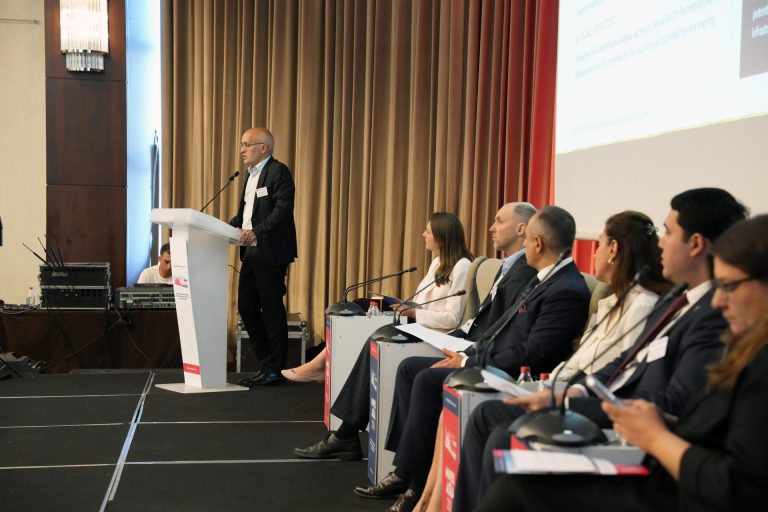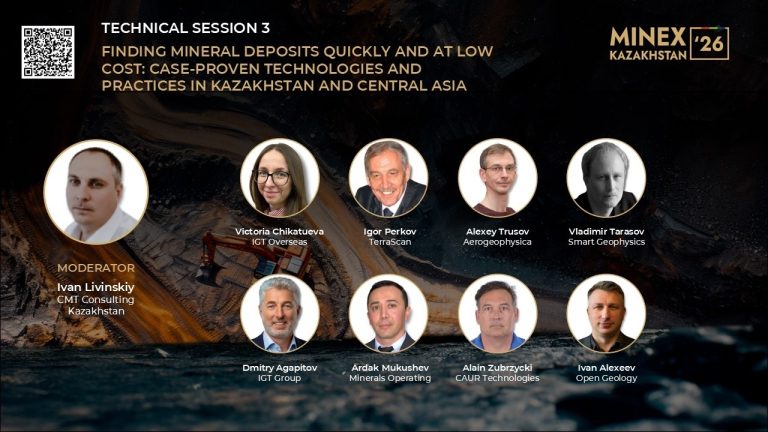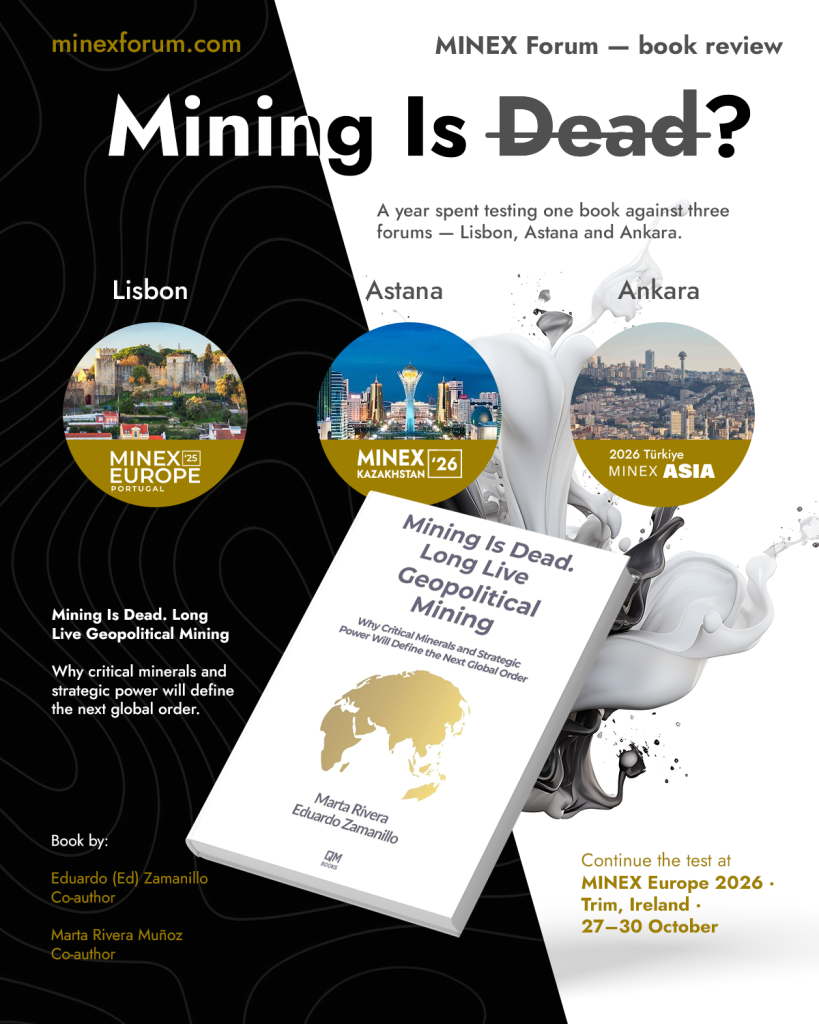
Eduardo (Ed) Zamanillo and Marta Rivera Muñoz’s book, “Mining Is Dead. Long Live Geopolitical Mining,” presents a compelling narrative about the evolving landscape of the mining industry. The author of this review, who has been running the MINEX Forums across Europe and Central Asia for over two decades, took the time to critically assess the book’s arguments against the backdrop of live discussions at various mining events. This approach allowed for a thorough examination of the book’s seven strategic lessons, particularly in the context of recent forums held in Lisbon, Astana, and Ankara.
The first lesson from the book posits that speed is a form of geopolitical power, suggesting that countries that streamline permitting and financing processes are more likely to win mining projects. This was echoed at MINEX Europe 2025 in Lisbon, where the European Commission highlighted its commitment to faster permitting for strategic projects under the Critical Raw Materials Act. However, the review notes that while the intention is clear, the actual outcomes have yet to materialise, indicating a persistent speed problem within the EU.
The second lesson emphasises that narrative builds legitimacy in mining. This was reinforced by discussions at the forums, where industry experts argued that mining must be framed within broader narratives of energy transition and sustainability. The review cites a media analysis from MINEX Kazakhstan 2026, which revealed that countries like Kazakhstan struggle to assert their narratives in the global media landscape, often overshadowed by narratives surrounding Chinese dominance in the sector.
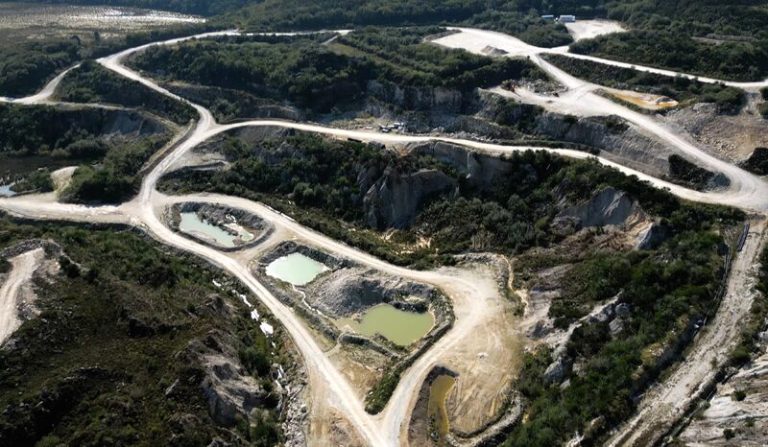
The review also highlights the importance of industrialisation in extraction, as illustrated by initiatives in Kazakhstan, Uzbekistan, and Turkey, which are all moving towards processing rather than merely extracting raw materials. This shift is seen as essential for reducing strategic vulnerability in these nations.
Furthermore, the review critiques the book’s framing of alliances as a means to achieve strategic resilience, noting that investor appetite for early-stage exploration is dwindling. The forums revealed that while there is a need for alliances, the speed and risk appetite for frontier projects remain significant hurdles.
The review concludes that while the book provides a solid framework for understanding the current mining landscape, it misses some nuances, particularly regarding Turkey’s emerging role as a processing hub. The author suggests that the narrative around mining is not just crafted for external audiences but is actively negotiated in forums, reflecting the dynamic and evolving nature of the industry.
As the mining sector continues to transform, the upcoming MINEX Europe 2026 in Ireland presents an opportunity to further explore these themes, particularly in the context of European mining history and the challenges of establishing legitimacy in a mature democracy. The review ultimately asserts that mining is not dead; rather, it is undergoing significant transformation, necessitating ongoing dialogue and adaptation within the industry.