The government of Tajikistan has officially revised its economic development forecast for the period 2027–2029, signalling a significant shift in the nation’s growth strategy. The new medium-term scenario highlights a strategic pivot towards industrial expansion, moving away from the traditional reliance on primary commodity exports. This adjustment comes in response to changing domestic dynamics and evolving global commodity trends, as the country seeks to bolster its economic resilience.
Key revisions in the macroeconomic framework indicate a substantial increase in expectations for inbound investments, which are now seen as a primary pillar for the revised outlook. The government has set ambitious targets for heavy manufacturing and freight transportation, reflecting a proactive approach to enhancing industrial capacity. This shift is essential as Tajikistan aims to diversify its economic base and reduce vulnerability to fluctuations in global commodity prices.
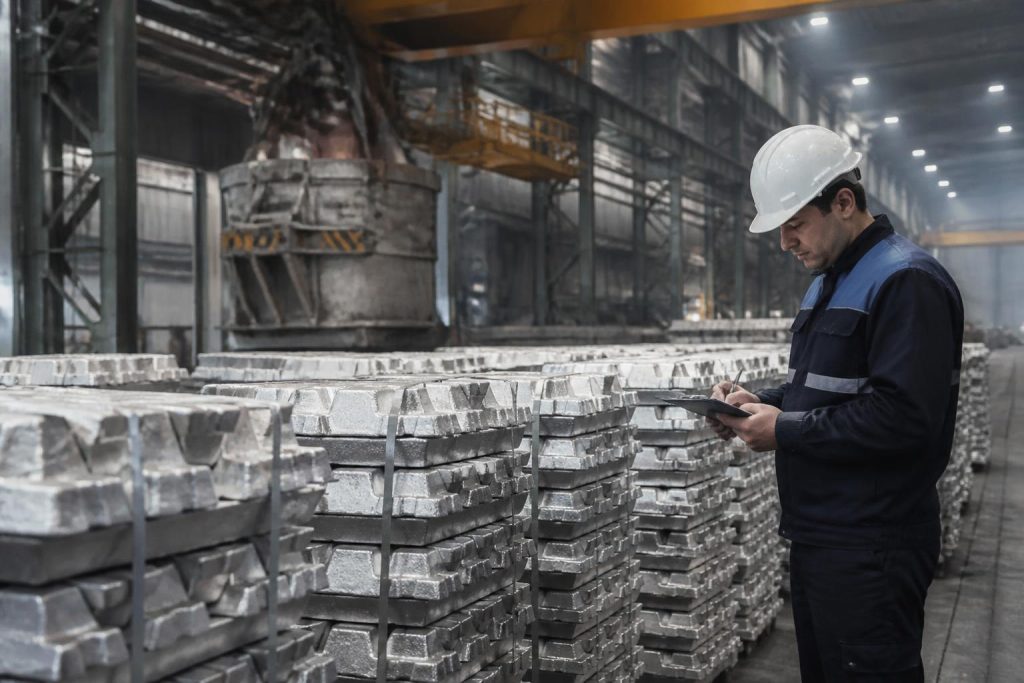
Conversely, the forecast for aluminum production—a historically significant export for Tajikistan—has been downgraded. The government has reduced its production and revenue projections for this sector, aligning with broader regional warnings from institutions such as the Asian Development Bank and the Eurasian Fund for Stabilization and Development. Analysts have previously highlighted the cooling global prices for primary metals, including aluminum, as a potential headwind for the Tajik economy.
Additionally, specific segments within the agricultural sector have also seen downward adjustments in forecasts, indicating challenges in this area as well. The revised economic model for 2027–2029 reflects a proactive adjustment to these cooling commodity markets, with a clear focus on enhancing industrial capacity and promoting domestic investment.
As Tajikistan navigates this shifting economic landscape, the government’s strategic pivot towards industrialisation could play a crucial role in stabilising the economy and fostering sustainable growth. The implications of these changes for Tajikistan’s trade balance with regional partners and the exact percentage targets for GDP growth remain areas of interest for further analysis.