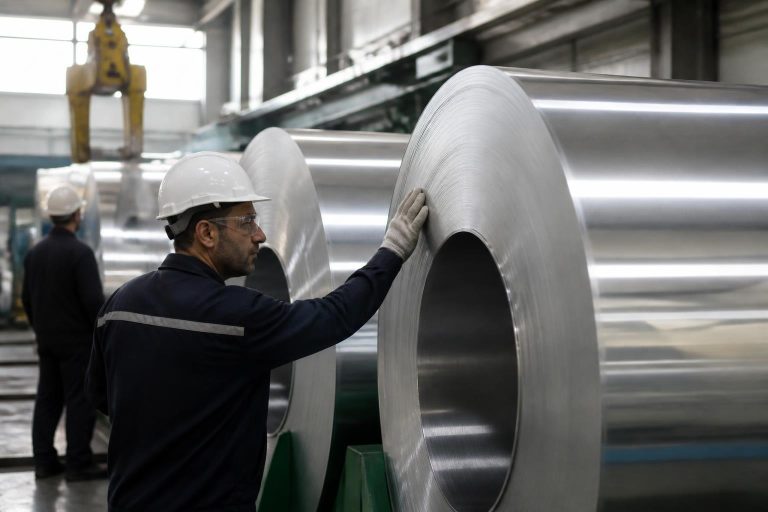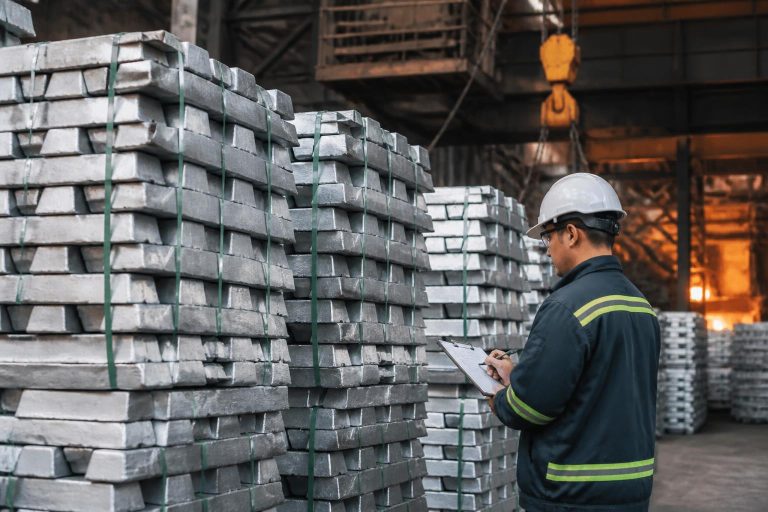
The ongoing Middle East conflict has triggered significant disruptions in the supply of aluminum, sulfur, and raw materials essential for critical mineral production, according to the International Energy Agency’s (IEA) ‘Global Critical Minerals Market Review 2026’ report. While the primary focus of the conflict has been on oil and gas markets, the closure of the Strait of Hormuz has severely impacted mineral and metal markets. Middle Eastern countries account for approximately 8% of global aluminum production, and production restrictions at several regional plants have intensified market pressures. The region also supplies about a quarter of the world’s sulfur, with half of global seaborne shipments passing through the Strait of Hormuz. Sulfur is a critical input for producing sulfuric acid, which is vital for fertilizer manufacturing and processing a range of critical minerals, including copper, lithium, cobalt, nickel, and rare earth elements. The supply disruptions prompted China to restrict sulfuric acid exports in May 2026, further straining supply chains in both the critical minerals and fertilizer sectors. The resulting rise in sulfuric acid prices has increased production costs for industries reliant on critical minerals, with sulfuric acid expenses in some cases surpassing energy costs to become the largest component of production expenses. This development underscores the vulnerability of global critical mineral supply chains to geopolitical instability and highlights the strategic importance of the Strait of Hormuz for mineral trade.
Tag: aluminum
-

China Eyes Coal Waste as New Source of Critical Minerals
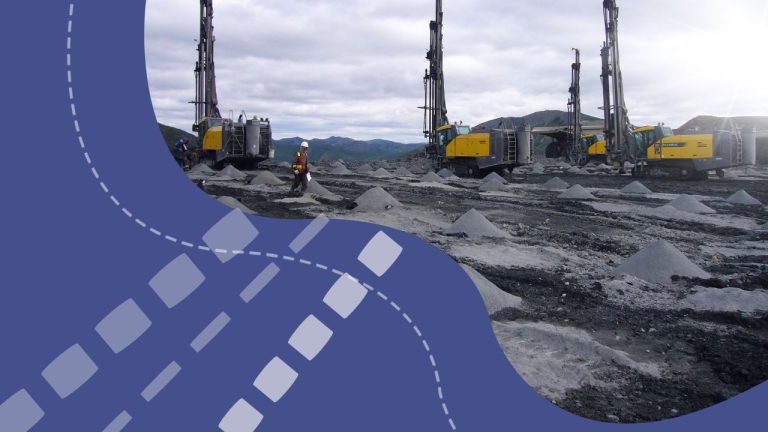
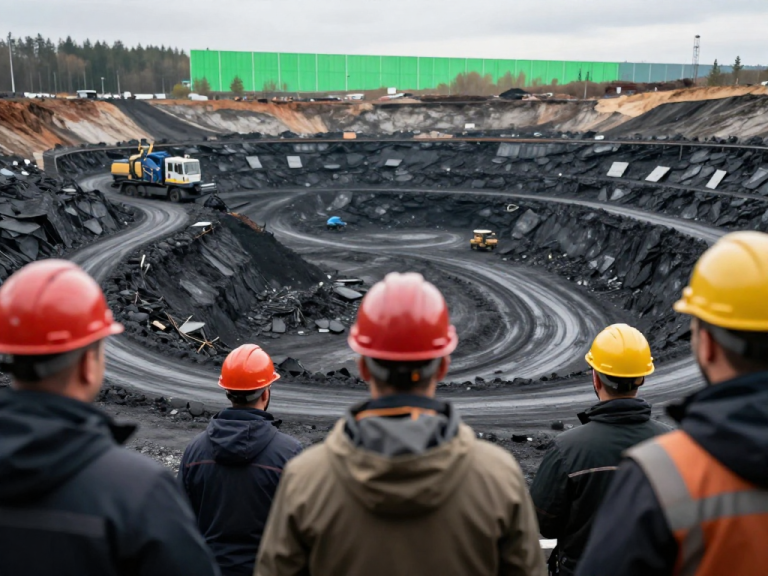
China is exploring the recovery of critical minerals from coal waste, with researchers highlighting fly ash and coal gangue as potential sources of strategic metals including germanium, gallium, lithium and aluminum.
According to a new report, China’s extensive coal mining and power generation infrastructure could be leveraged to recover valuable metals from by-products that have traditionally been treated as industrial waste.
“The coal refuse contains a variety of metal elements and could become an important source of critical metal supply,” said Dai Shifeng, a member of the Chinese Academy of Sciences and professor at the China University of Mining and Technology-Beijing.
Coal gangue refers to the rock separated from coal during mining, while fly ash is the fine mineral residue left after coal combustion. Although typically disposed of or used in construction materials such as cement, both materials can contain economically valuable concentrations of critical minerals and rare earth elements.
Researchers argue that China’s integrated coal industry provides a strong foundation for resource recovery. Existing coal washing, chemical processing and power generation facilities could potentially be adapted to extract strategic metals from waste streams, reducing the need for additional mining.
The approach could support China’s growing demand for critical minerals used in semiconductors, batteries, electric vehicles, renewable energy technologies and defence applications, while also improving resource efficiency and reducing industrial waste.
However, the report notes that commercial recovery remains technically challenging. Metal concentrations vary significantly depending on the geological characteristics of individual coal deposits, and fly ash from different coal sources is often blended during power generation, resulting in inconsistent feedstock quality that can affect the economic viability of extraction.
Researchers nevertheless believe rising demand for critical minerals will continue to improve the prospects for recovering metals from coal waste, building on China’s existing experience in extracting germanium from coal-related resources.
-

Mozambique Smelter Shutdown Set to Tighten Global Aluminum Supply in 2026
The planned shutdown of Mozambique’s Mozal aluminum smelter is expected to weigh heavily on global aluminum supply next year, forcing European Union buyers to seek alternative sources, analysts say.
Mining group South32 confirmed that the Mozal smelter, with an annual capacity of 560000 metric tons, will be placed on care and maintenance from mid-March after negotiations with power utilities and the Mozambican government failed to secure a new electricity supply agreement.
Trade Data Monitor figures show that in the first 10 months of 2025, Mozal shipped nearly 430000 tons of aluminum to the EU, making Mozambique the bloc’s largest supplier of primary aluminum with close to one fifth of total imports.
ING now expects a global aluminum deficit of around 600000 tons in 2026, according to analyst Ewa Manthey. The bank had previously forecast a deficit of 200000 tons, following a shortfall of about half that size in 2025. Manthey said Europe is likely to compensate for the loss of Mozal supply through increased imports from Canada and the Middle East.
European demand for primary aluminum is estimated at about 9 million tons per year, according to industry group European Aluminium. The impact of Mozal’s shutdown is being compounded by reduced output at Century Aluminum’s Iceland smelter, where production has fallen by roughly two thirds following an electrical failure. Iceland has been the EU’s second-largest aluminum supplier this year.
Supply pressures are also being intensified by regulatory and trade factors. From January, the EU’s Carbon Border Adjustment Mechanism will impose a carbon tax on aluminum imports, while permitted imports of Russian aluminum will be capped at 50000 tons between February 26 and December 31.
Prices have responded accordingly. Three-month aluminum on the London Metal Exchange was trading about 0.5% higher at around $2880 per ton, close to the more than three-year high of $2920 recorded in early November and again in early December. The European duty-paid premium rose to a 10-month high of $340 per ton at the start of December and was last seen at $326.
According to consultancy CRU, a full closure of Mozal would turn its forecast of a roughly 200000-ton aluminum surplus in 2026 into a deficit. CRU’s head of aluminum raw materials, Ross Strachan, said producers in the Gulf region are well positioned to increase shipments to Europe, attracted by elevated premiums.
-

Eurasian Resources Group expects a neutral-to-bullish outlook for key metals in 2025
Eurasian Resources Group has shared its market expectations for 2025 and beyond, highlighting several key trends across various metals and industries:
Copper market growth: The global copper market is expected to grow by 4% year-over-year in 2025, with a compound annual growth rate (CAGR) of 2.5% projected between 2024 and 2034.
Stainless steel and ferrochrome demand: Development of renewable energy sources like wind turbines, along with record sales in home appliances and consumer goods, is expected to drive strong growth in stainless steel demand, reaching 4.8% in 2025. This growth will significantly benefit the ferrochrome industry.
Aluminum demand: An average 3% year-over-year growth in aluminum demand is anticipated in 2025, primarily driven by the automotive and renewable energy sectors.
Cobalt market outlook: While currently in surplus, the global electric vehicle (EV) sector is expected to continue growing and may represent over 60% of cobalt demand by 2030. This is projected to lead to market deficits as cobalt demand outpaces supply by the end of the decade.
AI impact on metals demand: Artificial intelligence is expected to increasingly boost additional metals demand. Bank of America has estimated that demand directly from data centers for copper could be around 200,000 tonnes per year between 2025 and 2028.
Overall outlook: Eurasian Resources Group expects a neutral-to-bullish outlook for key metals in 2025, subject to various macro trends and factors such as the economic situation in China, potential trade protectionist measures, and US monetary policy.
The group notes that while the speed and consistency of economic recovery may be uneven, the long-term fundamentals for metals and minerals in ERG’s product portfolio appear promising.
-

“Aluminium of Kazakhstan” May Receive New Exploration Licenses
The company “Aluminium of Kazakhstan”, a part of ERG, may soon receive licenses to conduct geological exploration on two sites in the Kostanay region. The total area of these potential geological exploration sites exceeds 800 hectares, according to “Kursiv”.
One of the sites is located within the city of Lisakovsk. According to the publication, city authorities intend to allow “Aluminium of Kazakhstan” to search for aluminum ores until May 23, 2027. The deputy mayor will oversee the fulfillment of obligations.
Reserves of aluminum-containing ore are also expected to be found on another, smaller site. This site covers an area of 271.7 hectares and is located within the boundaries of Oktyabrsky. The district authorities have also granted the company public easement for mineral exploration and assigned responsibility for overseeing the decision to the head of the locality.
The final verdict on both projects is expected to be announced by June 19. It should be noted that the company annually produces around 1.4 million tons of alumina, the raw material for aluminum. Additionally, the company is one of the largest employers in the Pavlodar region.
-

Owner of non-ferrous ore: to which countries does Kazakhstan sell titanium and aluminum. Infographics
Kazakhstan has reduced sales of all types of non-ferrous metals abroad, LS reports .
Over the 11 months of 2023, 364.4 thousand tons of copper were exported from the country . This is 12.6% less than for the same period in 2022. Kazakhstan earned $2.9 billion from the export of this metal.
The main buyer, China, reduced purchase volumes by 16.3%, to 216.4 thousand tons ($1.7 billion).
Exports to Georgia also decreased by 2.4 times (16.8 thousand tons), the UK – by 1.8 times (6.6 thousand tons) and the UAE – by five times (4.8 thousand tons).
At the same time, more copper was sold to Turkey by 1.6 times (106.8 thousand tons), to Latvia – by 155.7 times (10 thousand tons).
Aluminum supplies abroad decreased by 13.4%, to 206.7 thousand tons, or $527 million.
It was purchased by: Turkey – 62.6 thousand tons (+1.9 times), Azerbaijan – 55.8 thousand tons (+903 times), Uzbekistan – 25.6 thousand tons (-33%), Georgia – 17 .9 thousand tons (-2.7 times), Russia – 11.7 thousand tons (-19.6%) and Japan – 5.5 thousand tons (+1.7 times).
Kazakhstan also reduced zinc exports by 8.5%, to 213.7 thousand tons ($551.6 million).
A reduction is observed in supplies to Russia – by 1.8 times (29.3 thousand tons), Turkey – by two times (43.9 thousand tons), the Netherlands – by 39.7 times (782.5 tons) and Uzbekistan – 4.4 times (45.6 tons).
But Vietnam (41.4 thousand tons) and China (98.2 thousand tons) increased the purchase of zinc by 3.2 times and 6.1 times, respectively.
Sales of lead fell by 9.4% (72.7 thousand tons). he was taken to Turkey, Vietnam, Poland, China, Singapore and Russia.
Titanium exports decreased by 17%, to 11.9 thousand tons. Buying countries are France, Belgium, South Korea, USA, Italy and Great Britain.
More detailed information on sales of non-ferrous metals is presented in the infographic.
-

Column: Europe adds aluminum to its critical raw materials list
[vc_section][vc_row][vc_column][distance desktop_type=”30″][lvs][distance desktop_type=”30″][vc_btn title=”Source – Mining.com” color=”sky” i_type=”material” i_icon_material=”vc-material vc-material-perm_device_information” add_icon=”true” link=”url:https%3A%2F%2Fwww.mining.com%2Fweb%2Fcolumn-europe-adds-aluminum-to-its-critical-raw-materials-list%2F|target:_blank”][distance desktop_type=”30″][vc_column_text]European Union (EU) countries have added aluminum to the list of minerals and metals covered by the Critical Raw Materials Act (CRMA).
The Act is the centerpiece of the EU’s strategy for ensuring it has the necessary inputs to compete with the United States and China in the global race to decarbonize.
The initial omission of aluminum from the CRMA was greeted with outrage from parts of the industry, the Federation of Aluminium Consumers in Europe lambasting EU policy-makers for “doing the opposite of what should be done”.
The last-minute inclusion of the metal, together with its upstream feeds of bauxite and alumina, attests both to the criticality of aluminum to the green revolution and Europe’s increasingly precarious security of supply.
Green metal
Aluminum is already the second most widely used metal in modern society after steel thanks to its high strength-to-weight ratio.
Usage is expected to grow strongly over the coming years as the energy transition gathers pace.
The World Bank has identified aluminum as a “high-impact” and “cross-cutting” metal in all existing and potential green energy technologies from solar to geothermal.
Moreover, aluminum will play an important role in light-weighting electric vehicles, allowing automakers to get more mileage out of lithium-ion batteries.
Global demand is forecast by the International Aluminium Institute (IAI) to increase by almost 40% to 119.5 million metric tons by 2030, meaning the aluminum sector needs to produce an extra 33.3 million metric tons of metal over the decade.

Falling output
As things stand, Europe is going to struggle to lift primary production at all over that time-frame.
Western European production has been sliding steadily over the last 15 years with run-rates dropping from over 4.5 million metric tons to a current 2.7 million.
The sector has been squeezed between high European energy prices and years of high Chinese exports, largely in the form of semi-fabricated products.
Aluminium smelters consume a lot of power and the sector has taken another hit from the energy crunch that has followed Russia’s invasion of Ukraine.
Europe lost another 850,000 tonnes of primary smelter capacity between October 2021 and March 2022, according to the EU.
Some, such as Alcoa’s Spanish plant, will return after new, lower-carbon power supplies are secured. Some may well never return.

Import dependency
European aluminum consumption averaged just over 5.0 million metric tons per year over the 2016-2020 period, according to the EU.
Import reliance averaged 56% over the same period, which is much lower than the bloc’s 89% import reliance for bauxite and probably the reason why EU planners didn’t originally include aluminum in the CRMA.
However, the key difference is where Europe sources its bauxite and primary aluminum.
Imports of bauxite over the 2016-2020 period came primarily from Guinea (70%), Brazil (14%) and Sierra Leone (10%).
Imports of primary aluminum, by contrast, were dominated by Russian metal, which accounted for an average 33% over the same five-year period, according to the EU. The next largest supplier was Mozambique, which accounted for 17% of total imports, followed by Iceland, which accounted for another 14%.
Both the United States and Britain have imposed penal duties on imports of Russian metal but the importance of Russia to Europe’s supply chain has meant there are no official European sanctions against Rusal, Russia’s dominant producer.
However, the dependence on Russian supply is highly problematic given the increased tensions between the EU and its eastern neighbour after the invasion of Ukraine in February 2022.
If Russian supply were taken out of the import picture, Europe’s aluminum dependence would become much more acute.
Power problems
Getting aluminum onto Europe’s critical raw materials list is an important win for the region’s aluminum sector.
However, it’s just the start.
Preserving what remains of the bloc’s primary smelting capacity, let alone rebuilding it, is dependent on low-cost power, something that the EU is running short of right now.
The problem is compounded by aluminum producers’ need to lower their carbon footprint. That requires lots of renewable power, something the region is even more short of.
The EU’s proposed carbon border adjustment mechanism is another bone of contention. The European aluminum industry fears it will raise the cost of imports while not having any impact on global emissions in an industry dominated by China.
It’s worth remembering that European processors are also paying import duties on both primary aluminum and alloy as a result of legacy attempts to protect the region’s smelters.
Those import duties have evidently only slowed not halted the steady decline in European smelter production.
Targets
The EU’s CRMA sets 2030 self-sufficiency targets of 10% of the bloc’s consumption for production, 20% for recycling and 50% for processing. The last two have just been raised from 15% and 40% respectively.
In addition, no more than 65% of imports should come from any individual supplier.
If the EU is going to meet all those targets for aluminum, it’s going to need a holistic approach that includes affordable green power pricing, a re-think of its legacy import duties and a possible fine-tuning of the proposed carbon border mechanism to reflect the reality of the global aluminum sector.
Putting it on the list of critical raw materials may be the easy part of that multi-dimensional challenge.[/vc_column_text][distance desktop_type=”30″][/vc_column][/vc_row][/vc_section]