The European Union (EU) is urged to link its economic security objectives with its enlargement strategy through strategic investments in critical raw materials (CRM) projects. This approach aims to achieve dual goals: enhancing the EU’s economic security while fostering development in enlargement partners. To ensure the success of these projects, public financing is deemed essential, alongside strict adherence to environmental, social, and governance (ESG) standards, as well as governance reforms in partner countries. While these initiatives may not eliminate the EU’s critical dependencies immediately, they are viewed as long-term investments crucial for the EU’s economic stability.
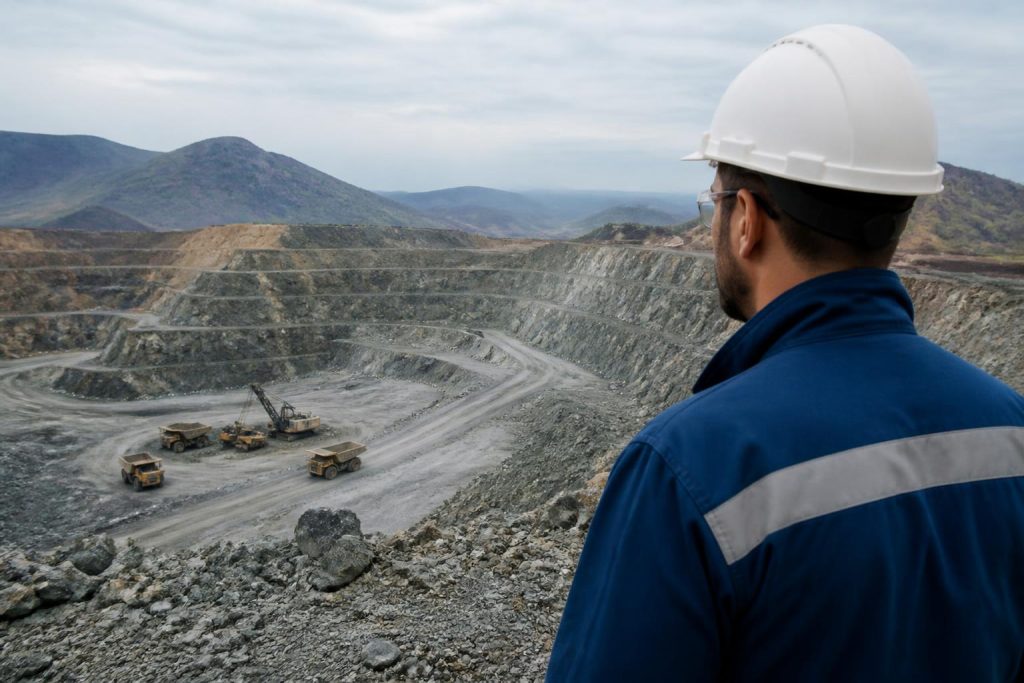
The EU’s commitment to high standards is positioned as a means to maintain its credibility as a transformative actor in the region, countering narratives of neo-colonialism. The EUISS study highlights the competitive landscape, noting that China has already established a significant presence in the Western Balkans’ mining sector, particularly through Zijin Mining’s control of major copper deposits in Serbia. Meanwhile, the US is expanding its mining interests in Ukraine, including the Dobra lithium project. The article warns that a short-sighted approach could lead to strategic failures for the EU.
Moreover, the EU is encouraged to support projects that develop localized value chains, integrating mining, clean processing, advanced manufacturing, and recycling. This strategy aims to foster sustainable development in enlargement partners, moving beyond mere resource extraction to broader industrial development. The EU-Ukraine Strategic Partnership on Raw Materials, initiated in 2021, serves as a foundation for this approach, with an emphasis on localizing key stages of production to enhance value creation.
Investing in local value chains is presented as a means to counter perceptions that the EU seeks to exploit partner societies for its own gain. By demonstrating that CRM partnerships can lead to sustainable development and shared economic security, the EU can strengthen its position in the region. The article also points out the importance of addressing processing monopolies held by external actors, which could leave Europe reliant on third parties despite increased extraction capacities.
The EUISS study concludes by reiterating that both economic security and enlargement are strategic objectives that must be approached with foresight. Given that new mines typically take over 16 years to reach production, the focus should be on long-term outcomes. Support for strategic CRM projects should be integrated into broader governance reform efforts, ensuring that the same standards of transparency and environmental protection that apply within the EU are upheld in partner countries. Only through this comprehensive approach can CRM partnerships bolster Europe’s economic security and the rationale for enlargement.