On 15 July 2026, Savannah Resources announced the completion of the Definitive Feasibility Study (DFS) for its Barroso lithium project located in Boticas, northern Portugal. This study confirms an initial mine life of 14 years, with a probable ore reserve of 20 million tonnes and an anticipated production of 2.56 million tonnes of spodumene concentrate. Spodumene concentrate is a crucial hard-rock lithium feedstock that battery chemical processors convert into lithium hydroxide for electric vehicle (EV) cells. The Barroso project is notable for holding Europe’s largest battery-grade spodumene resource, which was classified as a strategic project under the EU’s Critical Raw Materials Act in March 2025. This classification grants the project an accelerated 27-month permitting process, a significant advantage over potential new entrants.
Emanuel Proença, CEO of Savannah Resources, expressed his satisfaction with the publication of the DFS findings, highlighting it as a critical milestone in the project’s development. The DFS serves as the essential technical dossier required by banks and offtake partners before they commit capital to the project. Savannah Resources anticipates receiving a final environmental licence in the fourth quarter of 2026, with a final investment decision expected by the end of the year and first production slated for 2028. However, the timeline faces challenges, as the environmental licence decision has been delayed, with a ruling now not expected until late February 2027. This delay could push back the first production date and compress Portugal’s opportunity to emerge as the EU’s second large-scale lithium producer, following Finland’s Keliber.
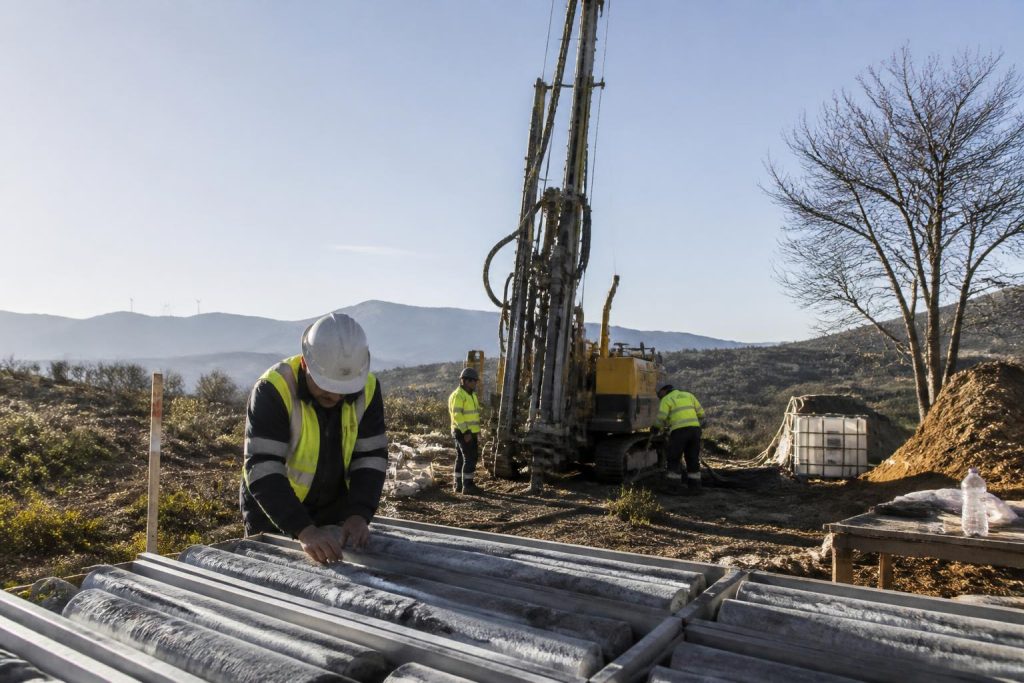
The regulatory landscape adds further complexity to the project. A precautionary injunction had previously halted geotechnical fieldwork in June 2026, but this was lifted on 30 June 2026 after the Portuguese government declared the project of national and European strategic importance. Nevertheless, a separate legal challenge from community groups MiningWatch Portugal and ClientEarth is currently before the European Court of Justice, contesting the European Commission’s decision to keep Barroso on the strategic list. As Europe currently sources approximately 81% of its extracted lithium and 100% of its refined lithium from outside the continent, the Barroso project’s strategic location—less than 300 kilometres from five deep-water ports—positions it as a key player in reshaping the continent’s lithium supply chain. The success of the permitting timeline will be crucial in determining whether Portugal can secure its place in the upcoming cycle of EU battery-factory investment decisions.