Website: Europe.com

  • Canada’s Support for Mining: A Model for Europe’s Raw Material Strategy

    Canada’s Support for Mining: A Model for Europe’s Raw Material Strategy

    As Europe grapples with the complexities of raw material security, strategic autonomy, and resilient supply chains, Canada is setting a practical example for the mining sector. Recently, Military Metals Corp. received a CAD 100,000 exploration grant from the Government of Nova Scotia, aimed at bolstering its drilling programme at the West Gore Antimony-Gold Project. This funding not only provides financial assistance but also sends a strong political message: the Canadian government is committed to encouraging the development of critical raw materials and actively supports companies in their endeavours.

    In stark contrast, Europe often faces lengthy and convoluted permitting processes that hinder the progress of mining projects. Overlapping responsibilities and delayed decisions can cause strategically important initiatives to lose precious time, while other regions secure their deposits and processing capabilities. The situation raises concerns about Europe’s ability to establish resilient supply chains for critical raw materials.

    It is essential to note that this discussion is not about compromising environmental standards. Modern mining operations are expected to adhere to high environmental and social requirements. However, it is possible to maintain these standards while also ensuring that decisions are made swiftly and reliably.

    Canada exemplifies a proactive approach to raw materials policy, moving beyond mere strategies and position papers to establish clear priorities, cooperative authorities, and tangible support for exploration and investment. As Europe seeks to reduce its reliance on critical raw material imports, it must adopt a similar political will to facilitate responsible mining projects.

    The lessons from Canada are clear: if Europe is serious about its ambitions, it needs to streamline its processes and foster an environment that encourages investment in the mining sector. Only then can it hope to achieve true strategic autonomy in the realm of critical raw materials.

  • Eramet Highlights Decarbonisation Efforts at European Industry Meetings in Dunkirk

    Eramet Highlights Decarbonisation Efforts at European Industry Meetings in Dunkirk

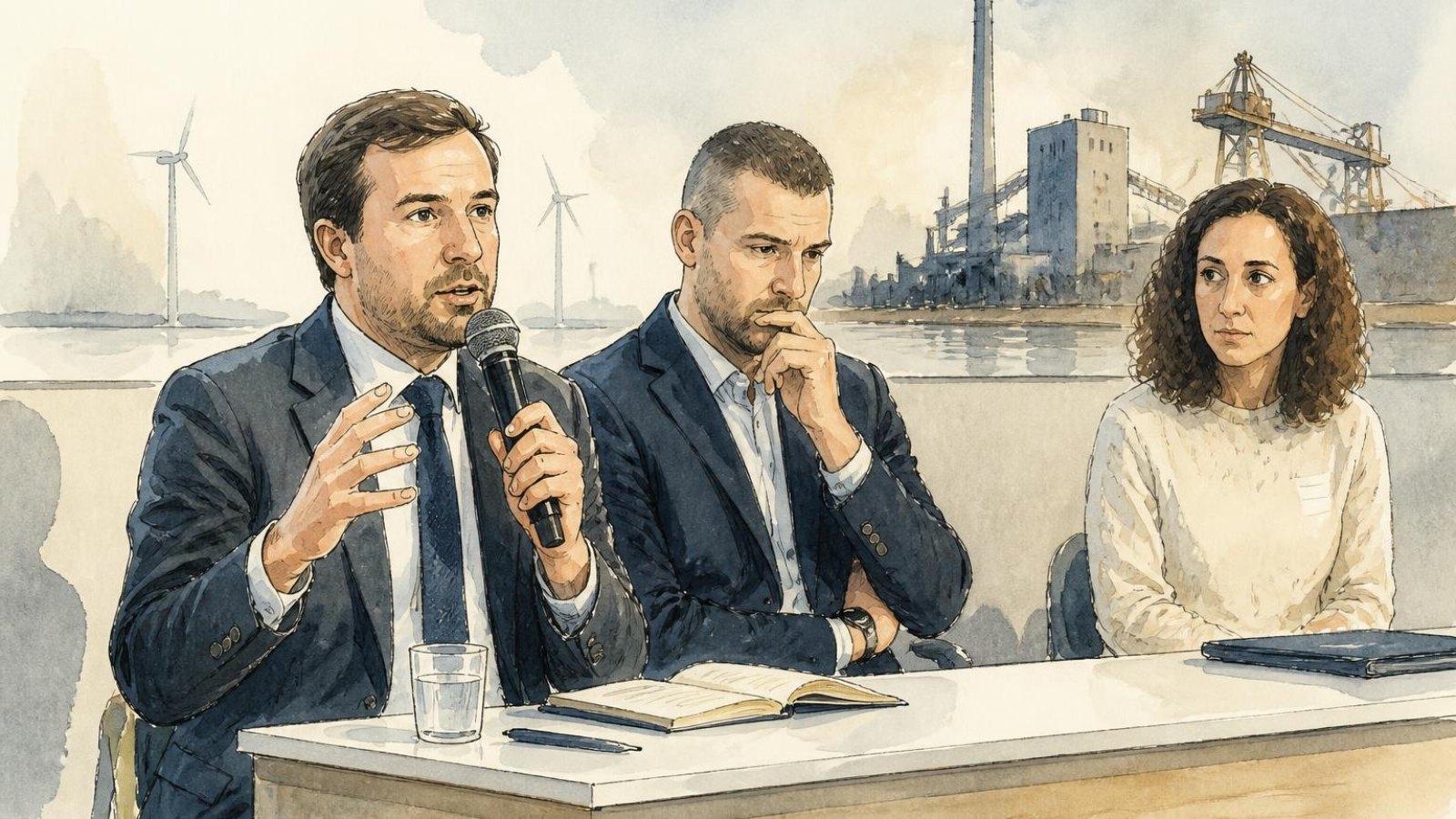
    Romain Charvet, Public Affairs Manager for Eramet in France and Europe, recently presented the challenges and opportunities associated with the decarbonisation of manganese alloys, which play a crucial role in the steel production value chain. Eramet has made significant strides in this area with its EraLow initiative, which boasts one of the lowest carbon footprints in the market at 1.9 tonnes of CO₂ per tonne of alloy, compared to the global average of 3.9 tonnes. This achievement is largely attributed to the use of carbon-free electricity sourced from Norway and France, coupled with advanced production techniques.

    Eramet’s commitment to sustainability extends beyond current achievements, with ambitious plans to reduce its absolute Scope 1 and 2 CO₂ emissions by 40% by 2035. Key strategies to achieve this include the gradual replacement of fossil fuels with biocarbon and the implementation of Carbon Capture and Storage (CCS) technologies. The company has initiated industrial trials for biocarbon and is conducting studies on biomass availability through the #DKarbonation project, anticipating challenges related to competing land uses.

    In addition, a pilot CCS plant is set to commence operations in 2025 at Eramet’s facility in Sauda, Norway, with the goal of capturing 70% of the site’s emissions in the long term. However, Charvet emphasised that the economic model supporting these decarbonisation efforts needs to be developed, particularly in light of strong international competition and global overcapacity in the ferroalloys market. The European Commission’s recent safeguard measures for ferroalloys highlight the urgency of addressing these challenges.

    Charvet also called for reforms in the European Trading System (ETS) and the Carbon Border Adjustment Mechanism (CBAM) to ensure that European industries remain competitive while pursuing sustainability goals. He advocated for the Industrial Accelerator Act to serve as a vital tool in promoting a sustainable steel industry within Europe. The discussions at REDIT underscore the collaborative efforts required to navigate the complexities of decarbonisation in the mining and industrial sectors, ensuring a balance between environmental responsibility and economic viability.


  • Northern Graphite Partners with DGWA to Enhance European Market Presence

    Northern Graphite Partners with DGWA to Enhance European Market Presence

    Northern Graphite Corporation has announced a strategic engagement with DGWA – Deutsche Gesellschaft für Wertpapieranalyse GmbH, aimed at boosting its visibility among European investors and industry stakeholders. This partnership, initiated through Northern’s German subsidiary, Northern Graphite Battery Materials GmbH, will focus on enhancing investor awareness and corporate communications across Europe, particularly in German-speaking markets. The engagement is set to last for an initial three-month period, with a monthly retainer of €5,000, and may include success fees for transactions facilitated by DGWA.

    The CEO of Northern Graphite, Hugues Jacquemin, expressed optimism about the collaboration, highlighting DGWA’s extensive network and experience in the European market. The automotive sector’s growing demand for transparent and independent supply chains for critical minerals makes this partnership particularly timely. DGWA’s CEO, Stefan Müller, echoed this sentiment, emphasizing Northern Graphite’s capabilities as a producer of sustainable graphite solutions, which are essential for the green economy.

    Northern Graphite is positioned as a leader in natural graphite production, owning the only flake graphite mine in North America, located in Quebec. The company is committed to meeting the increasing demand for high-value graphite products, including those used in lithium-ion batteries and other advanced technologies. Its strategic projects include the Lac des Iles mine, the Bissett Creek graphite project in Ontario, and the Okanjande graphite mine in Namibia, all of which are designed to produce battery-quality graphite in politically stable regions.

    DGWA, based in Frankfurt, brings a wealth of experience in European capital markets, particularly in mining and critical raw materials. With a history of involvement in over 250 corporate finance transactions, DGWA is well-equipped to support Northern Graphite’s ambitions in the European market. The engagement is subject to acceptance by the TSX Venture Exchange, ensuring compliance with regulatory standards.

    As Northern Graphite continues to expand its operations and market presence, this partnership with DGWA is expected to play a crucial role in connecting the company with potential investors and partners, ultimately driving growth in the competitive landscape of the graphite industry.


  • European Lithium’s Koralm Mine Faces Delays as Shareholders Prepare for Critical Metals Takeover Vote

    European Lithium’s Koralm Mine Faces Delays as Shareholders Prepare for Critical Metals Takeover Vote

    European Lithium is at a critical juncture as shareholders prepare to vote on a takeover bid from Critical Metals Corp. on October 22, 2026. This decision comes as the company’s flagship Koralm lithium project in Austria faces significant delays, with commercial extraction now expected to be years away due to bureaucratic and legal hurdles. Reports indicate that a judicial ruling on the necessary permits for the Koralm deposit may not arrive until 2027, raising concerns about the project’s viability and the company’s future prospects.

    The Koralm project has long been positioned as a key asset for European Lithium, but the uncertainty surrounding its permits has cast a shadow over the company’s operations. Chief among the unresolved issues is whether a full environmental impact assessment is required, a decision that remains pending. Without these crucial approvals, European Lithium cannot establish a reliable timeline for construction or extraction, further complicating its operational outlook.

    Financially, European Lithium reported cash holdings of A$296.3 million as of June 30, 2026. However, the company recently faced setbacks, including the termination of a previously agreed offtake arrangement with BMW, which has returned its advance payment. This development raises questions about the company’s ability to secure partnerships and maintain investor confidence.

    Despite these challenges, European Lithium has continued to pursue strategic acquisitions, recently acquiring a 5.61 percent stake in Helix Resources. This move indicates that the management is actively seeking to bolster its position in the mining sector, even as it navigates the complexities of the takeover process.

    The upcoming vote on the Critical Metals takeover is pivotal for European Lithium, with analysts suggesting that the outcome will significantly influence the company’s direction. The market has reacted positively to the stock, which has surged 171 percent since the beginning of 2026, although it remains approximately 20 percent below its 52-week high. The Scheme Booklet distributed to shareholders describes the takeover offer as “not fair, but reasonable” for ordinary shares, while the proposal for options is deemed “fair and reasonable.” As the vote approaches, stakeholders are left to ponder whether to hold or sell their shares in light of the ongoing uncertainties surrounding the Koralm project.


  • Estonia Opens Its First Industrial Foundry in Kohila with €14 Million Investment

    Estonia Opens Its First Industrial Foundry in Kohila with €14 Million Investment

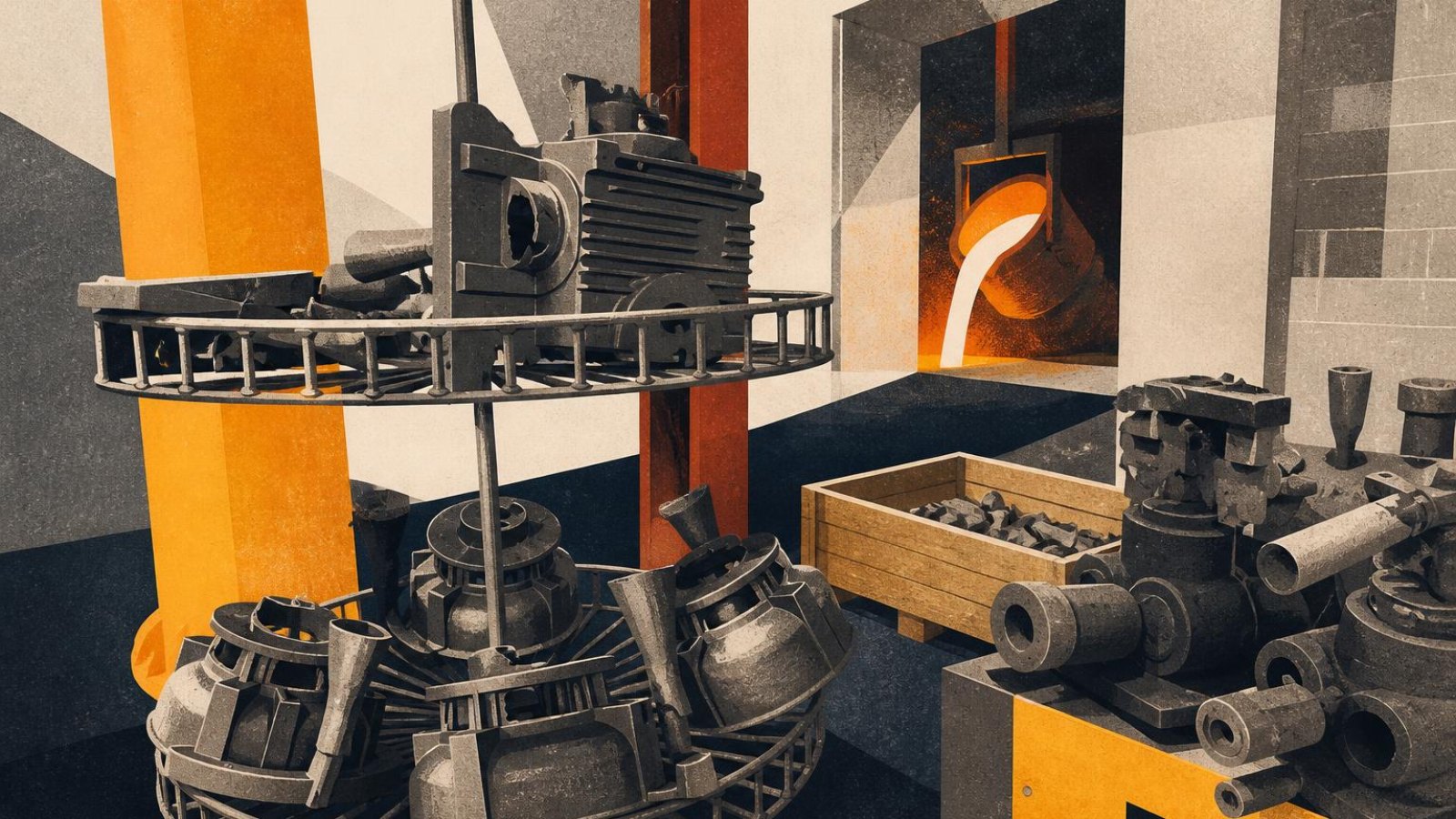
    Estonia has marked a significant milestone in its industrial landscape with the opening of its first industrial foundry in Kohila, Rapla County. The facility, developed by BLRT Group’s subsidiary BLRT Valukoda, represents a €14 million investment aimed at meeting the growing demand for heavier cast components, particularly in the Nordic region. This modern cast-iron foundry is touted as the most advanced of its kind in the Nordic countries, positioning Estonia as a key player in the manufacturing of large-scale cast parts.

    The new foundry is designed to produce up to 3,000 tons of cast-iron machine-building blanks annually, which will be used in various applications including electric motors, forestry machinery, and boilers. Algerd Andruškevitšus, a member of the BLRT Group management board, highlighted the facility’s capability to manufacture significantly larger and heavier cast parts than previously possible, catering to the specific needs of clients in Scandinavia.

    Prime Minister Kristen Michal underscored the importance of this investment, noting its potential impact on both the industrial sector and the defence industry. The foundry’s opening is expected to create around 70 jobs, although it currently faces a shortfall of ten employees as it prepares to commence operations. The facility has already received its usage permit and is set to begin production shortly, with initial molds already being produced.

    This development not only enhances Estonia’s manufacturing capabilities but also strengthens its economic ties with Nordic countries, potentially opening doors to new clients and markets. The establishment of the foundry is a testament to the growing industrialisation in Estonia and reflects a broader trend of investment in advanced manufacturing technologies across the region.


  • Environmental Risks of Armenia’s Mining Industry Highlighted by Experts

    Environmental Risks of Armenia’s Mining Industry Highlighted by Experts

    At a recent briefing organised by the Environmental Protection First NGO Coalition, Amin Mammadov, chairman of the Water Use Specialists Public Union, raised significant concerns regarding the environmental impact of Armenia’s mining industry. He highlighted that the repercussions of mining activities extend beyond Armenia, affecting neighbouring countries through pollution of transboundary rivers. Mammadov pointed out that waste from Armenia’s mining operations infiltrates groundwater, leading to environmental degradation in the wider region, particularly impacting Azerbaijan as a downstream country in the Caucasus.

    Specific areas of concern include quarries in Alaverdi and Syunik, which have been identified as major contributors to groundwater pollution. Mammadov emphasised that the volume of water released from Lake Goycha (Sevan) to meet irrigation needs has significantly surpassed historical natural flow levels. This situation raises alarms about the potential drying up of the lake, which could have dire consequences for its biodiversity.

    Mammadov also criticised the Armenian government’s lack of compliance with the Espoo Convention, a crucial UN framework for environmental impact assessments in transboundary contexts. He noted that Armenia fails to ensure transparency and does not provide necessary environmental impact assessment reports to neighbouring countries, violating its obligations under the Convention. This lack of communication and accountability exacerbates the environmental risks posed by mining activities.

    Additionally, Mammadov expressed concerns regarding the continued operation of the Metsamor Nuclear Power Plant, a relic from the Soviet era, which poses further environmental and safety risks. The combination of these factors highlights the urgent need for improved environmental governance and cooperation in the region to mitigate the adverse effects of mining on both Armenia and its neighbours.


  • Revitalising Brownfield Mining: A Key to Britain’s Critical Minerals Strategy

    Revitalising Brownfield Mining: A Key to Britain’s Critical Minerals Strategy

    In a recent article, Andrew Fulton, CEO of Anglesey Mining Plc, emphasises the crucial role of brownfield mining in the United Kingdom’s strategy for securing critical minerals. As the demand for resilient mineral supply chains increases, the UK government has recognised the importance of domestic production in its Vision 2035 Critical Minerals Strategy. This strategy aims to meet at least 10% of the annual industrial demand for critical minerals through local sources by 2035, alongside enhanced recycling efforts and diversified international supply chains.

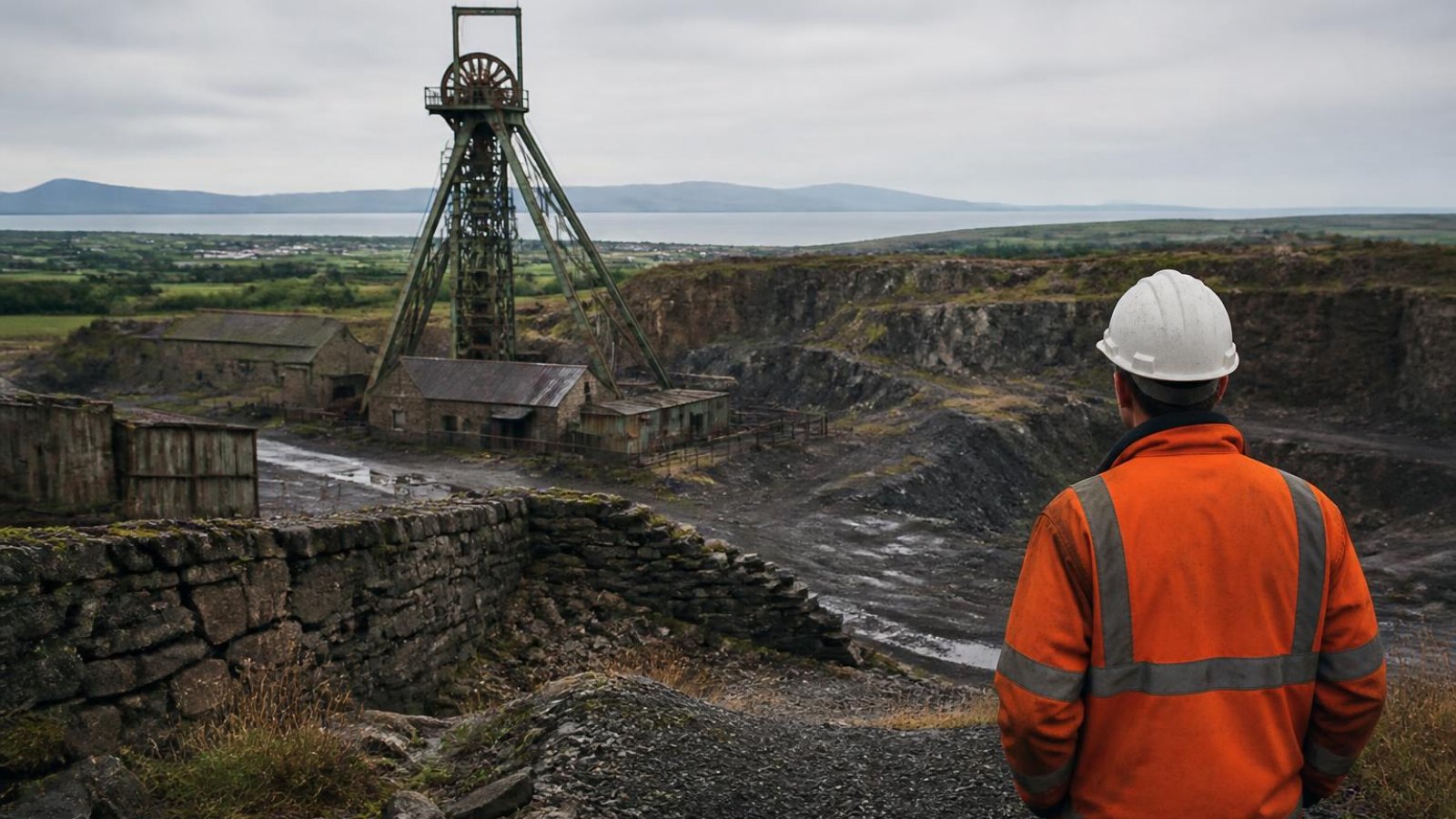
    Brownfield mining, which involves revitalising historic mining sites, presents a significant opportunity for the UK. These sites come with established geological knowledge and existing infrastructure, offering a head start for modern mining operations. A prime example is Parys Mountain in North Wales, where Anglesey Mining is redeveloping a polymetallic resource that includes critical minerals such as zinc and copper. This project highlights the potential for historic sites to contribute to the future economy by responsibly extracting valuable minerals.

    Other initiatives include Tungsten West’s Hemerdon project in Devon and Cornish Metals’ redevelopment of South Crofty in Cornwall, both of which are aimed at tapping into domestic sources of tin and lithium. The UK government’s support for these projects underscores the strategic value of domestic mineral production, which extends beyond mere economic considerations.

    Fulton advocates for a coherent framework to facilitate brownfield mining, which includes predictable permitting processes, better coordination between government and regulators, and access to development capital. He stresses that while environmental protection and community engagement are paramount, the UK must leverage its mining heritage to enhance its industrial future.

    Ultimately, the article argues that while Britain cannot produce every mineral it consumes, enhancing domestic production where feasible can contribute to a more resilient supply chain. By responsibly developing its mining heritage, the UK can ensure that its industrial future is built on a solid foundation of critical minerals.


  • EU’s Strategic Raw Materials Initiative Faces Setbacks as Projects Fail

    EU’s Strategic Raw Materials Initiative Faces Setbacks as Projects Fail

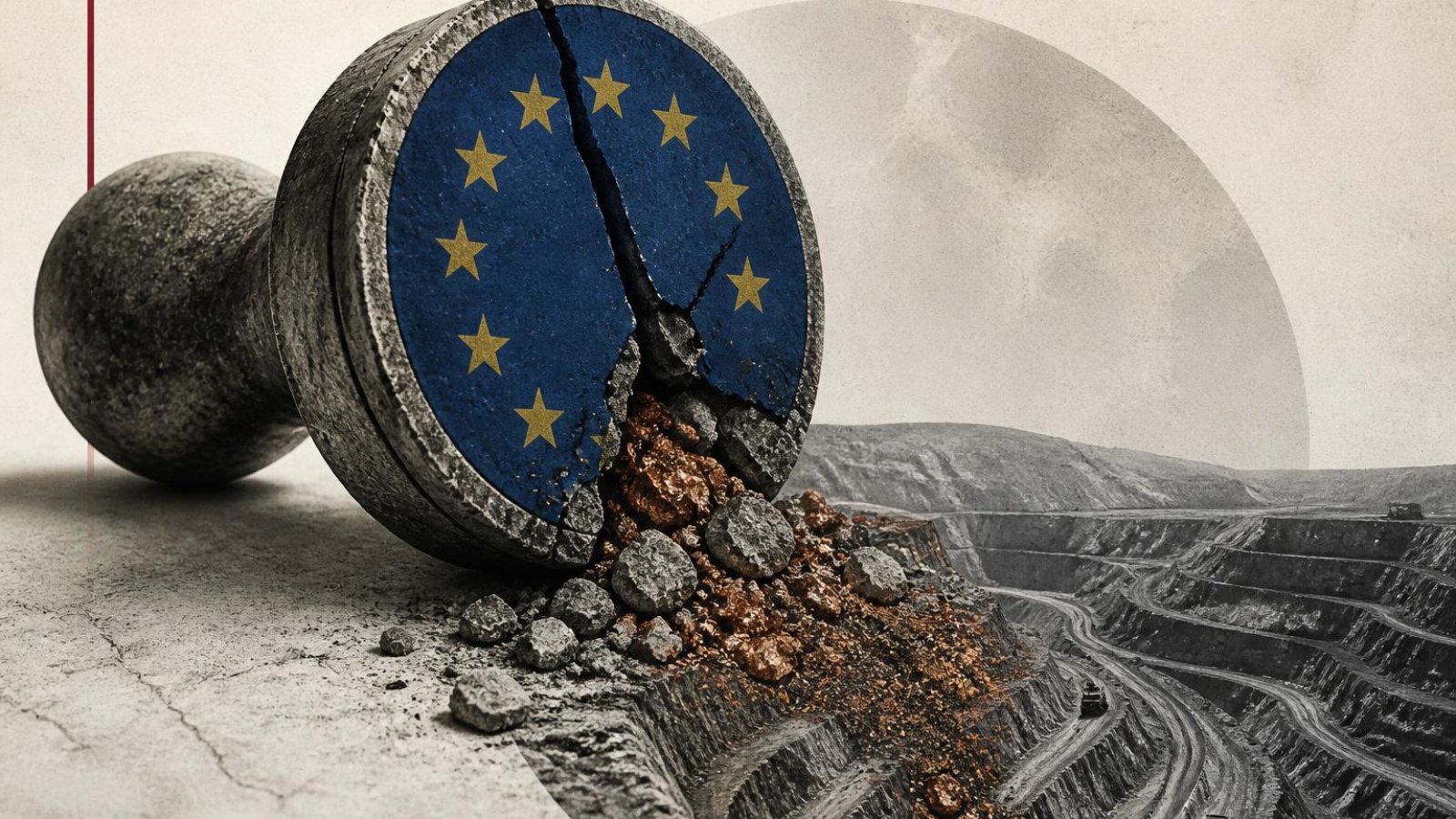
    The European Union’s ambitious strategic raw materials project, aimed at securing access to critical metals and minerals, is encountering significant challenges, with some key initiatives failing to deliver tangible benefits. Maria Sunér, CEO of the Swedish mining industry association Svemin, has voiced concerns that the EU’s designation of projects as strategically important has not translated into faster approvals or improved financing conditions. This sentiment is echoed by former commercial manager Luc Pez of the now-bankrupt French company Viridian Lithium, which was once heralded as a flagship project under the EU’s strategic initiative. Despite being granted the EU’s strategic seal of approval, Viridian Lithium’s failure highlights the systemic issues plaguing the initiative.

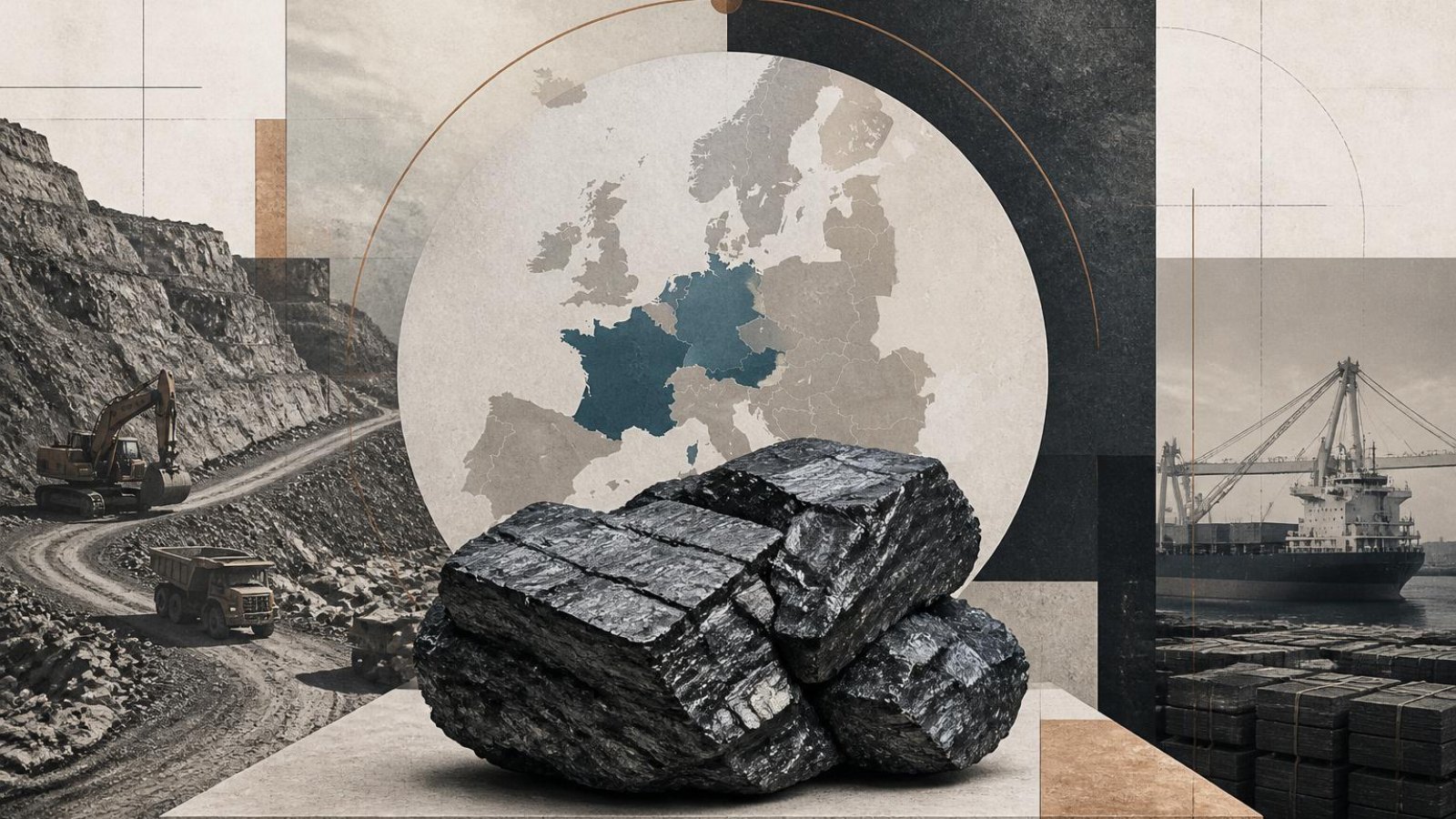
    The EU’s Critical Raw Materials Act (CRMA) aims to reduce reliance on external sources, particularly China, by ensuring that a significant portion of the EU’s raw material needs is met domestically. By 2030, the EU aims for at least 10% of its annual consumption of strategic raw materials to be mined within its borders, with additional targets for processing and recycling. However, the reality on the ground suggests that these goals are far from being met, as many projects remain stalled due to bureaucratic hurdles and lack of financing.

    For instance, Talga’s planned graphite mine in Sweden, which has received strategic status, is still facing delays in the permitting process, despite having secured the necessary approvals. Emma Själin, Head of Public Affairs at Talga, notes that while the European Commission has established regulations, the implementation at the member state level is lagging. This disconnect is contributing to a challenging investment climate, as new mining ventures struggle to secure funding without binding customer agreements, which are difficult to obtain in a market dominated by Chinese suppliers.

    The situation is exacerbated by the fact that many strategic projects across Europe are experiencing financial difficulties. A recent report indicated that around 40% of EU strategic raw materials projects lack financial commitments, with a significant number of initiatives facing delays or uncertain statuses. The European Court of Auditors has also raised concerns about the fragmented funding system within the EU, which complicates the financial landscape for these projects.

    Industry leaders are calling for more robust government support, including risk-sharing mechanisms and guarantees to attract private investment. Sunér argues that the EU must go beyond merely streamlining permit processes and consider innovative financing models to create a more conducive environment for strategic producers. This could involve establishing price floors or joint purchasing agreements to ensure a stable market for domestically produced raw materials.

    As Europe grapples with its dependence on China for critical minerals, the need for a cohesive strategy that encompasses the entire value chain—from mining to processing—becomes increasingly urgent. Without addressing these systemic issues, the EU risks falling short of its strategic ambitions and remaining reliant on external sources for essential raw materials.


  • Bluelake Mineral Completes Successful Drilling Programme in Gjersvik, Norway

    Bluelake Mineral Completes Successful Drilling Programme in Gjersvik, Norway

    Bluelake Mineral has successfully concluded a drilling programme at one of its four key mineral deposits located in Gjersvik, Norway. The drilling, conducted by NORSE Diamond Drilling, took place between August 4 and September 27, 2026, covering a total of 2,042 metres across 33 drill holes. The average length of the drill holes was approximately 62 metres, with a median length of about 53 metres. Notably, the two longest holes reached depths of 249 and 155 metres, while the shortest were 22 and 29 metres.

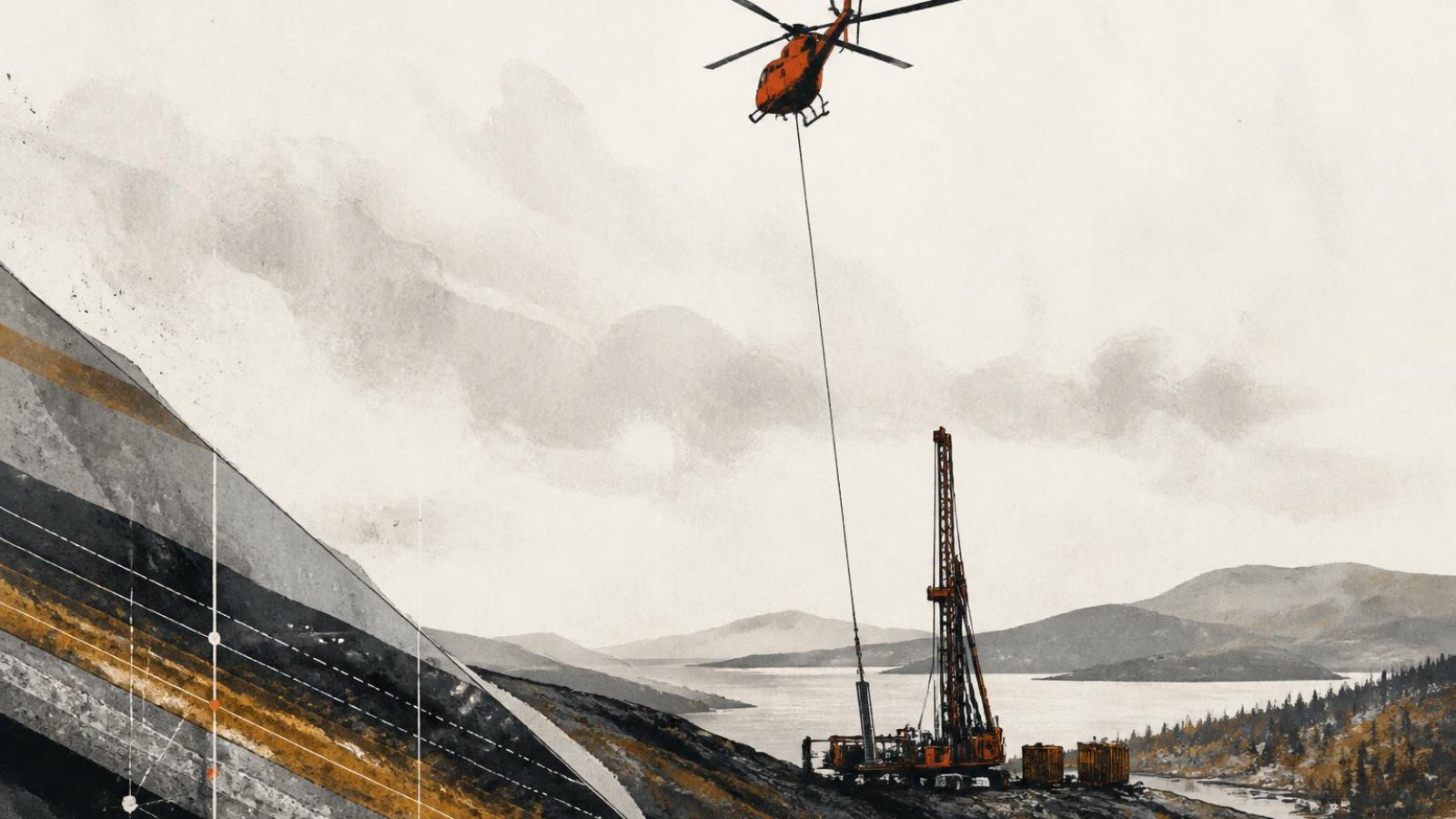
    The drilling programme has focused on the primary areas identified by the company for further evaluation of the deposit’s geometry, mineralisation, and potential for future extraction. Due to challenging terrain conditions, much of the drilling was supported by helicopter operations. A total of 29 drill holes were established through helicopter lifts conducted by Arctic Air AB, while four holes were drilled using a tracked drilling rig. In certain parts of the area, the slope of the terrain reaches approximately 20–30 degrees, necessitating the construction of four temporary drilling platforms to facilitate safe and efficient drilling.

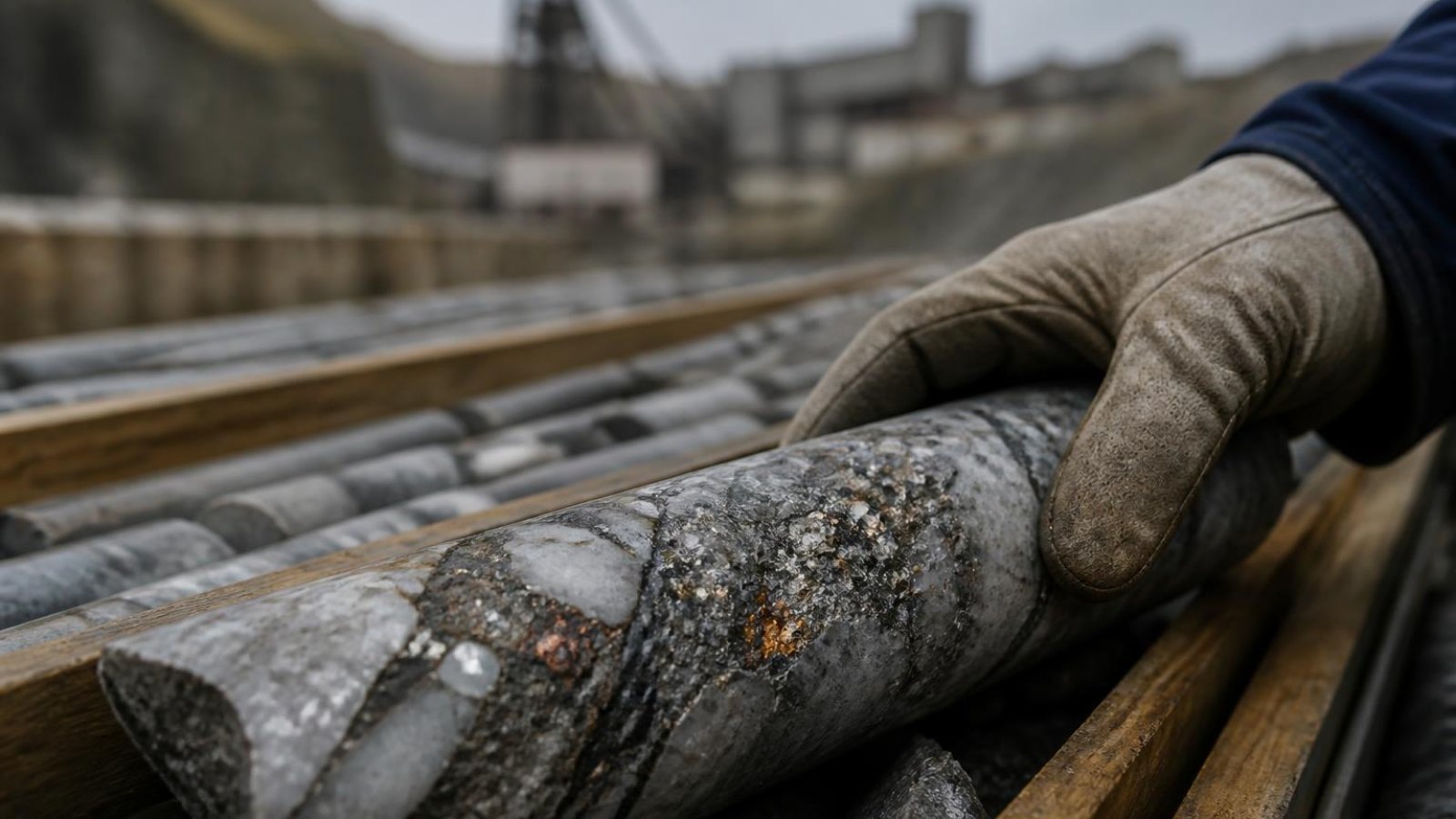
    Core samples have been continuously logged, sampled, and sent for analysis throughout the drilling programme, with the company’s geologists collaborating with Avannaa Exploration Services AB. Samples from the drill cores have been dispatched to ALS for laboratory analysis. The company plans to release the results of these analyses as soon as they are compiled and quality assured, providing valuable insights into the mineral potential of the Gjersvik site.


  • Cornish Metals Reports Positive Assay Results from Roskear Drilling Programme, Uncovering High-Grade Tungsten and Copper

    Cornish Metals Reports Positive Assay Results from Roskear Drilling Programme, Uncovering High-Grade Tungsten and Copper

    Cornish Metals plc has announced the final assay results from its 2026 surface drilling programme in the Roskear area of the South Crofty mine, revealing promising findings that extend the known Roskear tin lodes beyond the current Mineral Resource Estimate (MRE). The drilling programme, which involved a total of 2,330 metres across two drill holes, has confirmed the structural continuity of these lodes and identified new high-grade tungsten and copper zones, enhancing the exploration potential of the site.

    The second drill hole, SDD26_002, successfully intersected multiple high-grade tin intersections, including notable results such as 1.51 metres at 1.46% tin (Sn), with a peak of 0.33 metres at 5.71% Sn. Additionally, the drilling uncovered a new high-grade tungsten zone, returning 8.58 metres at 1.41% tungsten (W), with a remarkable 0.52 metres at 15.15% W. This discovery is significant, particularly as tungsten is classified as a critical mineral in the UK, EU, and USA, with rising global demand and supply constraints.

    The results indicate that the Roskear tin lodes continue to the west, aligning with the company’s geological model predictions. The high-grade copper mineralisation found, including 0.62 metres at 6.59% copper (Cu), adds further value to the exploration efforts at South Crofty. While tin remains the primary focus of the company, the presence of tungsten and copper will be evaluated as part of broader exploration strategies.

    Lauren Beverage, Chief Geologist of South Crofty, expressed optimism regarding the results, highlighting the potential for expanding the Mineral Resource to the west. The newly discovered structures not previously included in the geological model enhance the understanding of the deposit and suggest a promising future for the South Crofty project.

    The Roskear West drilling programme marks a pivotal step in testing extensions to known mineralisation and assessing priority exploration targets. The company is now looking to integrate these findings into its development plans, which include the potential for future tungsten concentrate production. Given the historical context of tungsten production at South Crofty, the company is well-positioned to leverage this new opportunity in the evolving critical minerals landscape.

    As the demand for critical minerals continues to rise, particularly in light of geopolitical tensions affecting supply chains, Cornish Metals’ advancements at South Crofty could play a crucial role in securing a domestic supply of tin and tungsten in the UK, supporting both local economies and broader sustainability goals.