Website: Europe.com

  • EU Struggles to Compete with US in Securing Critical Minerals

    EU Struggles to Compete with US in Securing Critical Minerals

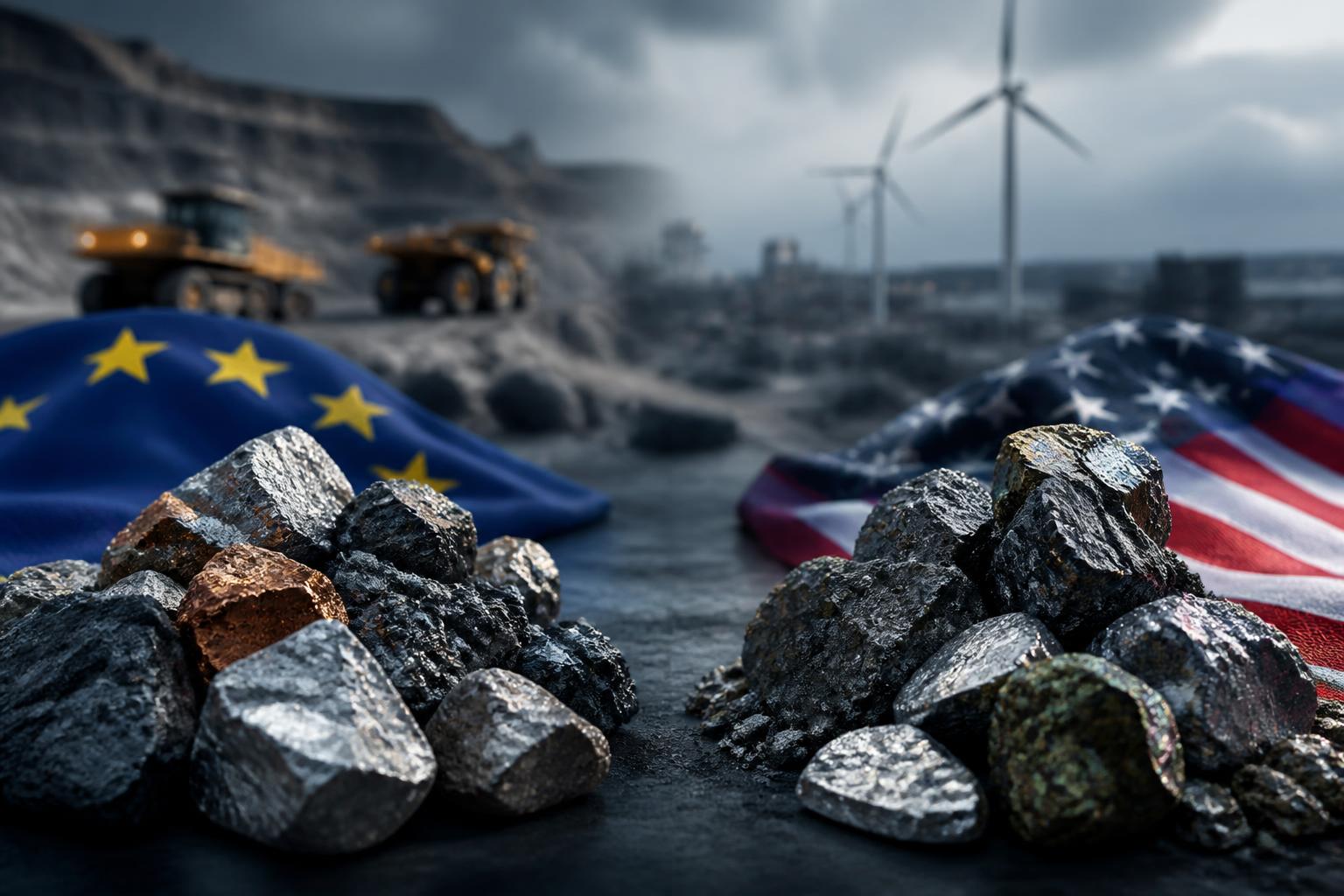
    The European Union is at risk of falling further behind the United States in the race to secure critical minerals essential for defence and green technologies, as warned by European officials and industry leaders. The US has made significant investments over the past two years to ensure access to rare earth metals and other materials where China currently dominates global production. Since 2022, Washington has announced approximately $40 billion in provisional funding for mineral projects and has taken equity stakes in various domestic mining companies. Additionally, the US government has actively lobbied for American firms to win mining tenders in countries such as the Democratic Republic of Congo and Kenya.

    In contrast, the EU has designated dozens of strategic mineral projects to benefit from expedited permitting rules, committing around €6 billion to these initiatives this year. However, industry representatives caution that the EU’s pace is too slow to effectively kick-start the sector. Bernd Schäfer, CEO of EIT RawMaterials, expressed admiration for the US approach, stating that while Americans act decisively, Europeans tend to hesitate and over-administrate, resulting in lost time.

    The US is also working to establish a coalition of countries to create supply chains that circumvent China, through a new initiative known as the Forum on Resource Geostrategic Engagement (Forge). However, this initiative has raised scepticism in Brussels, particularly due to the previous US administration’s unpredictable stance towards the EU. European officials assert that the EU must adopt a similar approach to the US by securing offtake agreements and utilising financial tools to develop its critical minerals supply chain ahead of a new strategy set to be unveiled this autumn.

    The EU’s current efforts have primarily focused on designating strategic projects in mining, processing, and recycling, which benefit from faster permitting but lack guaranteed public funding. In stark contrast, the Trump administration invested heavily in developing its supply chain, including acquiring stakes in rare earth producers both domestically and in Europe. For instance, the Pentagon made a $400 million equity investment in MP Materials, a US rare earths producer, and signed a long-term agreement to establish a minimum price for neodymium-praseodymium, a critical alloy used in technologies like electric vehicles and robotics.

    Concerns have been raised about the potential for the US to become a second China for Europe in terms of dependence on rare earth metals. Schäfer noted that regardless of the methods employed by the Trump administration, the US has secured more deals in 18 months than Europe has in the past decade. Furthermore, the US government’s investments in European critical minerals companies, such as USA Rare Earth’s acquisition of British firm Less Common Metals, have sparked worries among European stakeholders.

    The European Court of Auditors has also indicated that despite Brussels selecting 75 strategic projects for streamlined permitting and investment access, it is ‘unlikely’ that many will meet the bloc’s 2030 targets for developing domestic supplies. A mining executive involved in one of the projects described the EU’s efforts as ‘disappointing’ in terms of financial support, highlighting the complexity of obtaining permits. While being designated as a strategic project may serve as effective marketing, it does not significantly alter the operational landscape for these initiatives.
  • Political Turmoil Halts Europe’s Largest Antimony Project in Slovakia

    Political Turmoil Halts Europe’s Largest Antimony Project in Slovakia

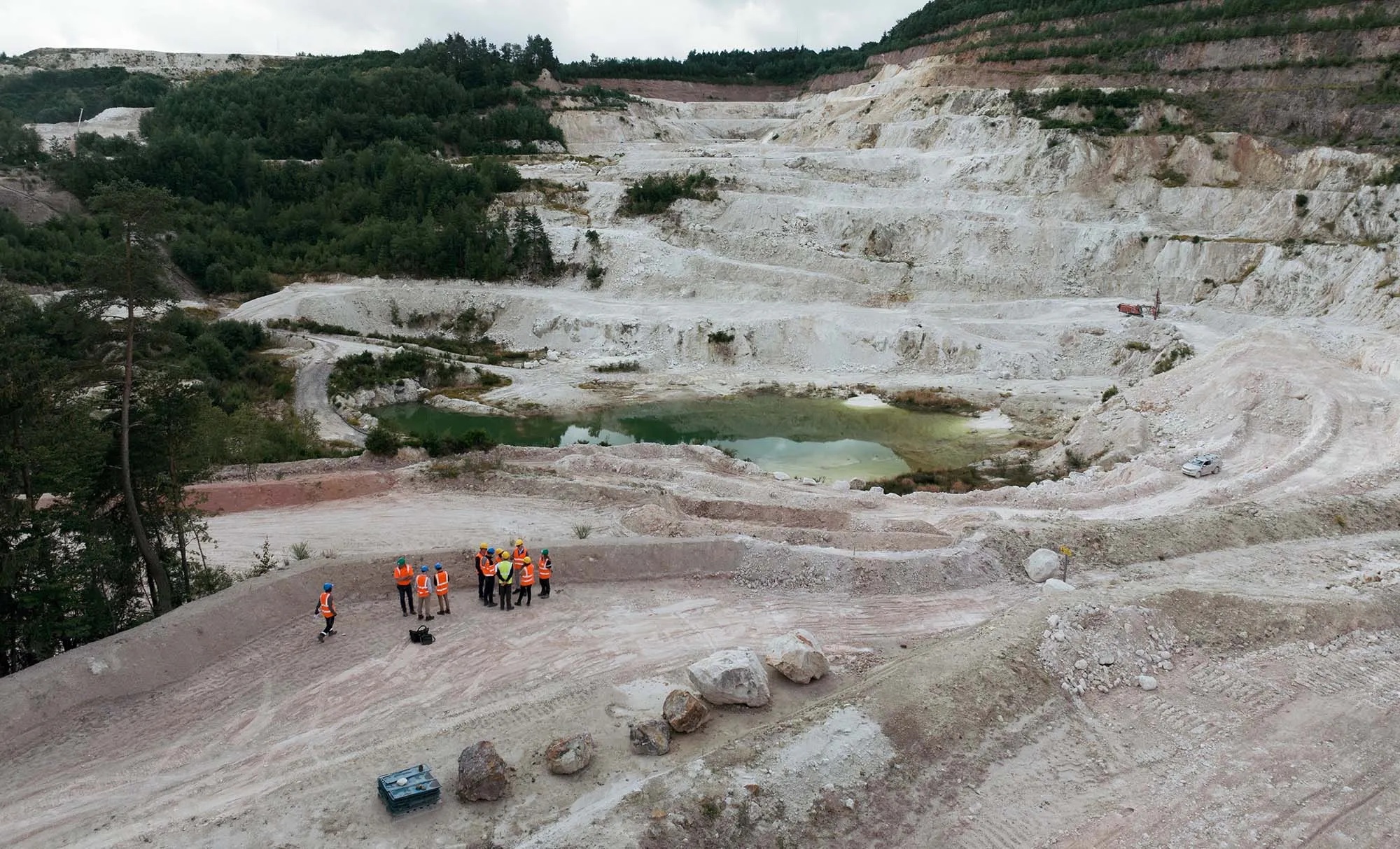
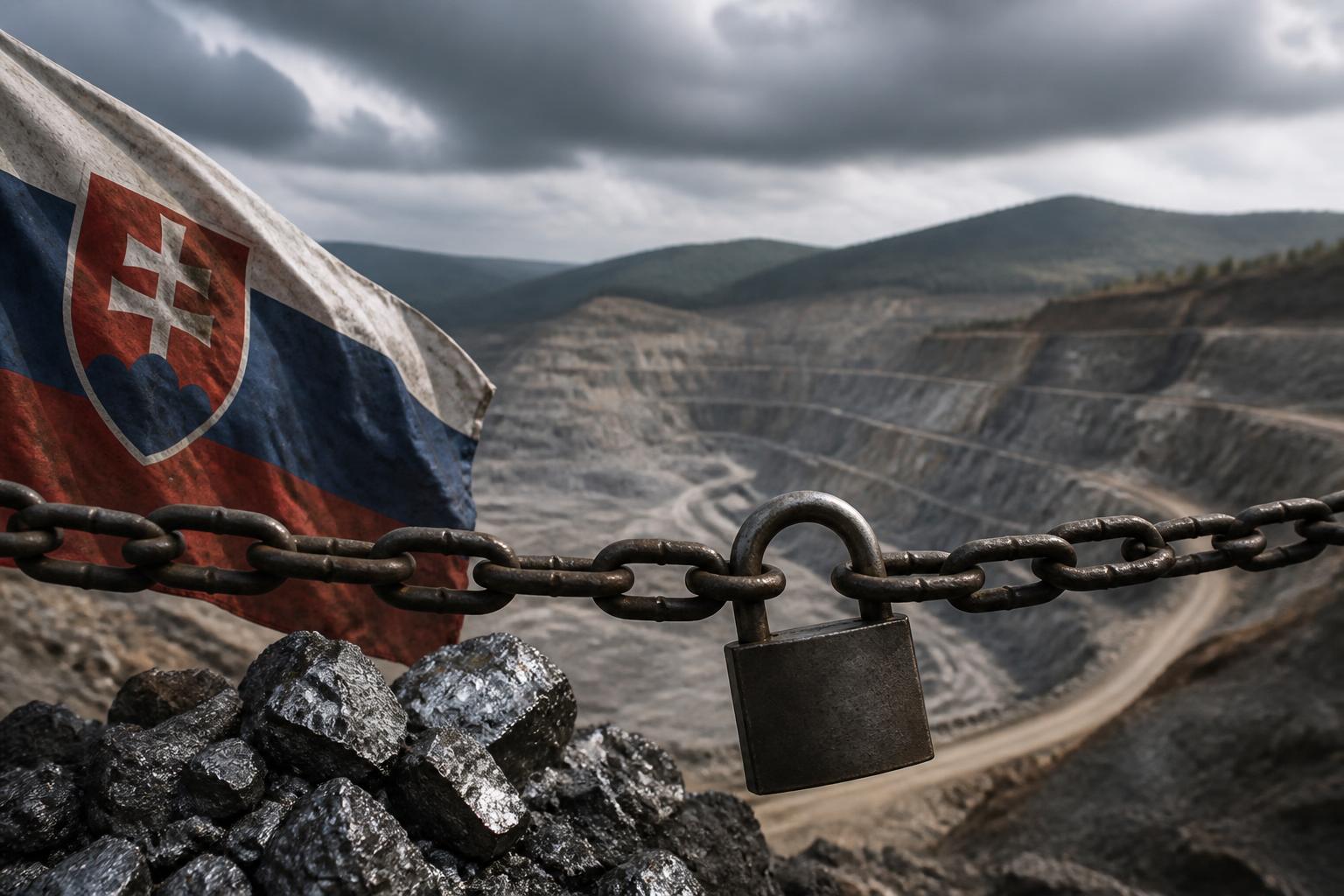
    Slovakia’s decision to cancel the exploration license for the Trojarova Antimony-Gold Project has ignited a significant political and economic crisis. The project, located in the Small Carpathian mountains, was poised to become Europe’s largest compliant antimony resource, with an independent estimate of 67,000 tonnes of contained antimony and 222,000 ounces of gold. This cancellation, executed by the Slovak Environment Ministry, has not only sent shockwaves through the market, causing Military Metals Corp’s share price to plummet by 43%, but it has also raised alarms about Europe’s strategic autonomy in critical mineral supplies.

    The abrupt cancellation was justified by the ministry on environmental and public health grounds, but many see it as a politically motivated move amidst a turbulent domestic landscape. The Slovak government is facing internal strife, with Environment Minister Tomáš Taraba under pressure from his own party and opposition. In a bid to bolster his political standing, Taraba has leveraged the cancellation as a way to position himself as an eco-friendly leader, despite previously supporting the project.

    The geopolitical implications of this decision are profound. Antimony is crucial for military applications and high-tech industries, and the Trojarova project was expected to supply up to 30% of Europe’s demand. The cancellation not only jeopardises this supply but also highlights the fragility of Europe’s critical mineral supply chains, which are under increasing scrutiny as the continent seeks to enhance its military capabilities.

    Military Metals Corp is not taking the cancellation lightly and has initiated legal actions to challenge the decision. The company argues that the project was included in Slovakia’s National Program for the Exploration of Critical Mineral Raw Materials, which contradicts the ministry’s sudden reversal. This situation illustrates the complexities of navigating regulatory environments where political agendas can override economic necessities.

    As the political landscape in Slovakia continues to evolve, the outcome of this legal battle will be closely watched by investors and industry stakeholders alike. The stakes are high, not just for Military Metals Corp, but for Europe’s broader ambitions to secure its own critical mineral resources amidst growing global competition.


  • Nyrstar Budel Completes Major Turnaround to Enhance Zinc Refining Operations

    Nyrstar Budel Completes Major Turnaround to Enhance Zinc Refining Operations

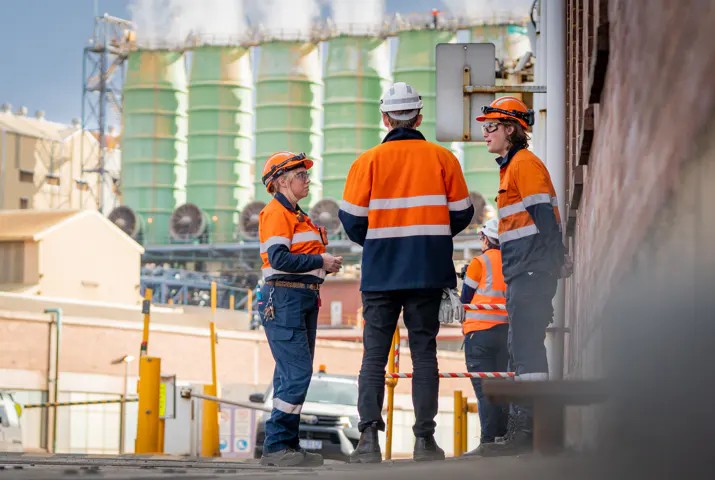
    Nyrstar Budel, located in the Netherlands, has successfully completed one of its most significant turnarounds in decades, involving over 700 contractors and 71 days of dedicated work. This extensive project was undertaken amidst rising energy and operational costs, with a focus on maintaining safety, efficiency, and reliability at the site for the long term. The turnaround included the installation of a new roaster, replacing equipment that had been in use for over 50 years, showcasing the technical expertise required to hoist a 150-tonne section into place. Additionally, new absorption towers for sulphuric acid have been installed, alongside enhancements to the sulfuric acid plant.

    As a vital component of the Dutch metals industry, Nyrstar Budel supports approximately 1,700 jobs in North Brabant and employs a fully electrified electrolysis process for zinc refining. The team is now positioned to scale up the output of critical materials as by-products of their existing operations. In light of this transformation, Nyrstar is urging government support for long-term capital expenditure (CAPEX) initiatives, advocating for measures such as strategic stockpiling, offtake agreements, and price support mechanisms to alleviate structural energy cost challenges.

    The company’s commitment to industrial resilience is encapsulated in their #KeepBuildProtect campaign, which emphasises that the actions taken today will shape the future of the industry. The successful completion of this turnaround not only enhances operational capabilities but also reinforces Nyrstar’s role in the sustainable production of critical minerals, essential for various industries and technologies.

  • Skouries Project: A Landmark Copper-Gold Mine Set to Transform Greece’s Mining Landscape

    Skouries Project: A Landmark Copper-Gold Mine Set to Transform Greece’s Mining Landscape

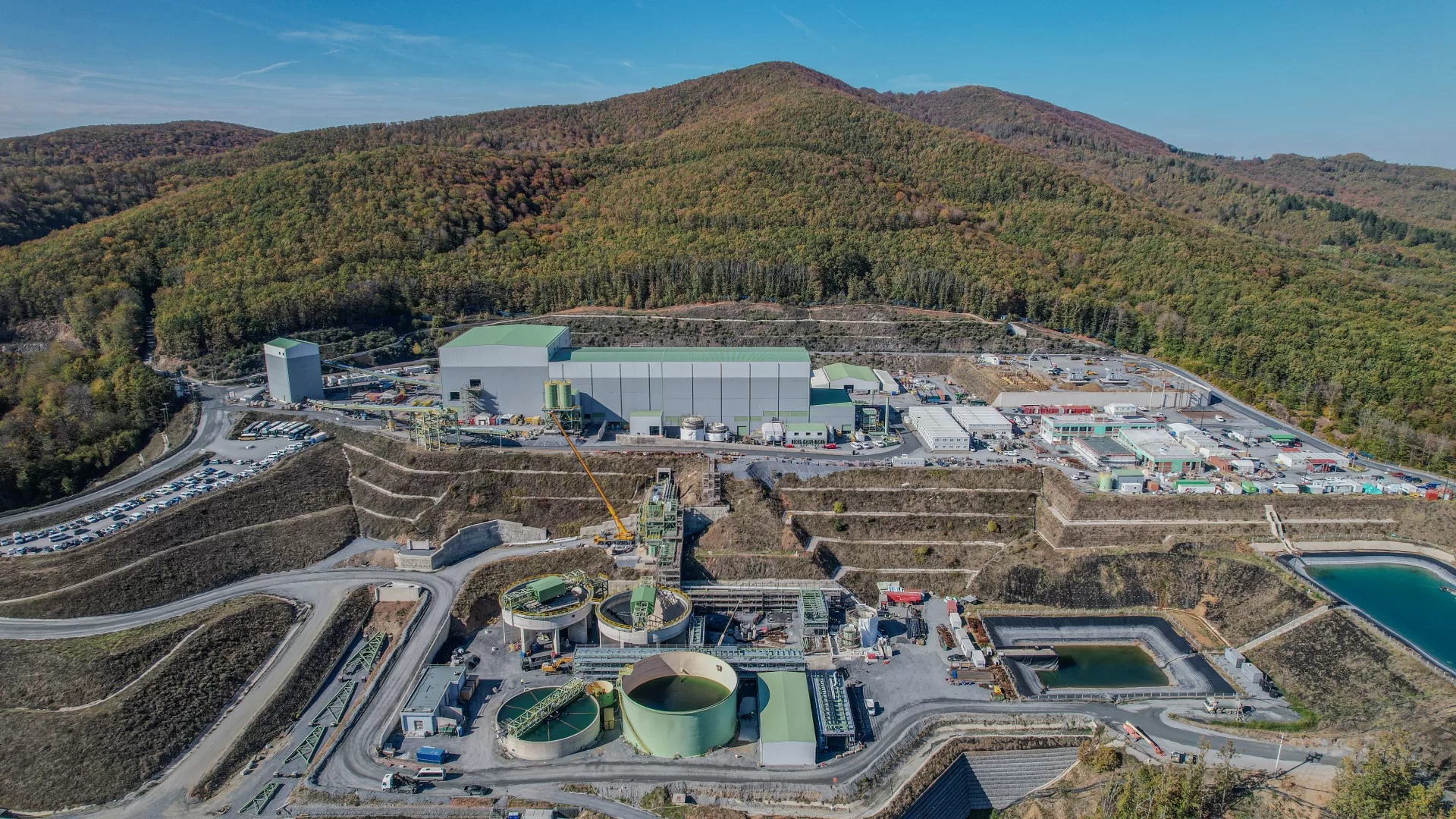
    Hellas Gold S.A. has announced that the Skouries project, located in northeastern Halkidiki, Greece, is entering its final stages of development. This state-of-the-art copper-gold mine is not only significant on a national level but also holds considerable importance for Europe as a whole. The Skouries project is being developed with advanced technologies and adheres to the principles of responsible mining, ensuring that environmental and social considerations are at the forefront of its operations.

    The Skouries mine is expected to play a pivotal role in enhancing Greece’s position on the European mining map. It is projected to create numerous job opportunities, bolster exports, and contribute significantly to state income. Moreover, the mine will provide a new source of copper, a metal that is increasingly essential for the energy transition, renewable energy initiatives, electric mobility, and future technological advancements.

    With the first production of copper-gold concentrate anticipated in the third quarter of 2026 and commercial production expected to commence by the fourth quarter of the same year, the Skouries project is transitioning from the construction phase to a focus on long-term value creation. This development is expected to have a lasting impact on the local economy and the broader European mining sector, positioning Greece as a key player in the supply of critical minerals necessary for the green economy.

    As the project progresses, stakeholders are optimistic about the potential benefits that Skouries will bring, not only in terms of economic growth but also in establishing a model for sustainable mining practices in the region. The successful implementation of this project could set a precedent for future mining ventures in Greece and beyond, highlighting the importance of balancing resource extraction with environmental stewardship.

  • EU Grants €116 Million to EMILI Project for Lithium Supply Enhancement

    EU Grants €116 Million to EMILI Project for Lithium Supply Enhancement

    The EMILI project has secured a significant grant of €116 million from the European Union’s Innovation Fund, aimed at bolstering the EU’s domestic lithium supply chain. This funding initiative is part of the EU’s broader strategy to promote innovative low-carbon technologies and reduce greenhouse gas emissions. The Innovation Fund, which is one of the largest funding programmes globally, is financed through revenues generated by the EU Emissions Trading System. It prioritises projects that demonstrate substantial European added value and contribute to the transition towards a sustainable economy.

    The EMILI project has been identified as a strategic initiative under the EU’s ‘Critical Raw Material Act’, highlighting its importance in ensuring a secure and resilient supply of lithium, which is essential for various applications including electric vehicle batteries and renewable energy technologies. By strengthening domestic capacities for lithium extraction and processing, the project aims to reduce the EU’s reliance on external sources of this critical raw material.

    The grant specifically supports the construction of a conversion plant in Saint-Victor, which is a key component of the EMILI project. This facility will play a crucial role in the EU’s clean tech manufacturing sector, contributing to the development of innovative technologies in energy-intensive industries, renewable energy, and carbon capture.

    As the EU continues to push for a green transition, projects like EMILI are vital in driving forward the agenda for sustainable resource management and climate action. The funding not only underscores the EU’s commitment to reducing emissions but also its recognition of the strategic importance of securing critical raw materials for future technological advancements.

  • EBRD Finances Romania’s First Hybrid Solar and Battery Storage Project

    EBRD Finances Romania’s First Hybrid Solar and Battery Storage Project

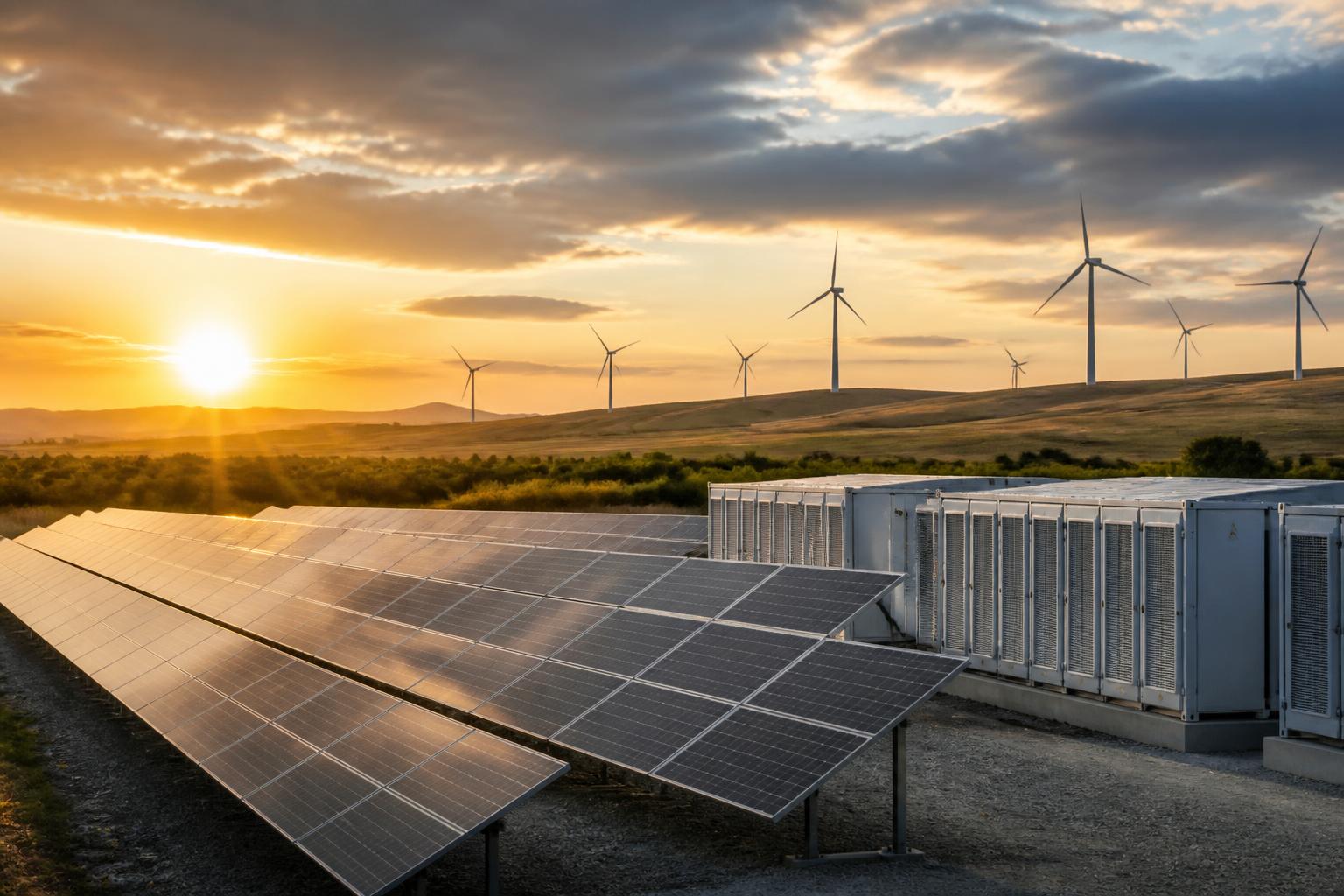
    The European Bank for Reconstruction and Development (EBRD) is making significant strides in Romania’s clean energy transition by financing the Părău 2 project, a pioneering hybrid solar photovoltaic and battery storage initiative. This project, developed by Econergy, combines 342 MW of solar capacity with a 150 MW/300 MWh battery energy storage system located in Brașov. The EBRD has committed up to €120 million to support the development, construction, and operation of this innovative project, marking the first instance of the bank financing a hybrid renewable energy project in Romania.

    The financing package consists of an EBRD A loan of up to €57 million and an EBRD B loan of up to €63 million, which includes a €3.6 million debt service reserve facility provided by commercial banks. The total debt financing for the project amounts to €229 million, with additional support from the Black Sea Trade and Development Bank, OTP Bank, and Exim Banca Românească. The European Union is also backing this initiative through the InvestEU programme, which provides a first-loss guarantee to mitigate risks associated with the project’s exposure to merchant revenue.

    Georgios Gkiaouris, the EBRD’s Head of Energy Europe, highlighted the significance of the Părău 2 project in enhancing Romania’s energy security and promoting a more resilient electricity system. The project is expected to increase renewable energy generation, improve grid flexibility, and reduce reliance on fossil fuels. Eyal Podhorzer, CEO of Econergy, expressed that securing €229 million for Părău 2 is a milestone for both the company and the Romanian market, showcasing the confidence of international lenders in their operational capabilities.

    The project is further supported by Romania’s Contract for Difference scheme, which aims to unlock 5 GW of solar and onshore wind capacity. The solar plant has already secured a 125 MWac allocation at a competitive strike price for 15 years, while the remaining capacity will operate on a merchant basis. Additionally, Intesa Sanpaolo and Exim Banca Românească will provide facilities to support the project’s Contract for Difference requirements.

    By integrating solar generation with battery storage, the Părău 2 project will facilitate the incorporation of more variable renewable energy into Romania’s electricity system. The battery storage component will enable the shifting of solar output to meet higher demand periods, thereby enhancing the grid’s flexibility and reducing dependence on fossil fuels for peak capacity. This investment underscores the EBRD’s commitment to supporting Romania’s green transition and energy security, having invested over €12.7 billion in the country through more than 600 projects to date.


  • Digitisation of Historic Mineral Exploration Reports Boosts UK Mining Potential

    Digitisation of Historic Mineral Exploration Reports Boosts UK Mining Potential

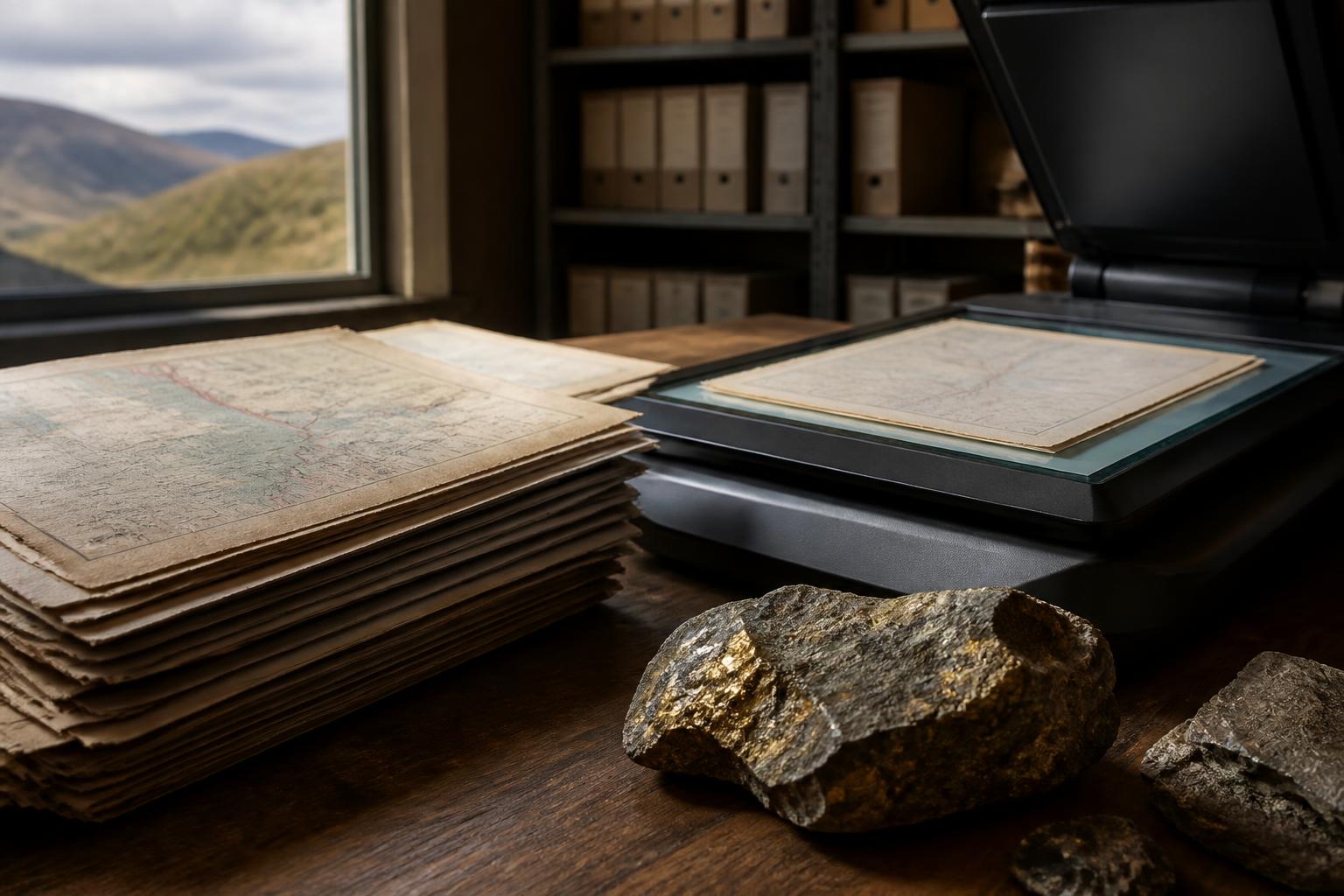
    The Mineral Exploration and Investment Grants Act 1972 (MEIGA) has historically stimulated mineral exploration in the UK by providing grants for non-ferrous metals, fluorspar, barium minerals, and potash through the Government’s Department of Trade and Industry. Reports compiled during the 1970s and 1980s contain a wealth of information, including geological mapping, soil and stream sediment geochemistry, geophysical surveys, drillcore logs, and assay data. Until recently, these reports were only accessible in hard copy through the British Geological Survey’s (BGS) National Geoscience Data Centre (NGDC).

    In 2023, a digitisation programme, in collaboration with the UK Critical Minerals Intelligence Centre (CMIC), released an initial batch of over 200 mineral exploration reports. The ongoing digitisation efforts have now added an additional 660 reports to the accessible collection, making data collected over forty years ago relevant for identifying critical and precious metal resource potential within the UK. This initiative is particularly significant for the Ardlochan area in south-west Scotland, where Western Gold Exploration completed a shallow drilling programme at the end of 2025, discovering a large breccia pipe system rich in gold. The company utilised MEIGA materials generated by Noranda Mining Limited and Phelps Dodge in the 1970s to complement their own surveys and target other areas of interest.

    The MEIGA dataset is proving crucial in refining exploration targets, especially those associated with gold-rich porphyry-breccia systems. The historical reports provide insights into exploration concepts and decision-making processes used by major operators decades ago, allowing for a more confident reconstruction of Ardlochan’s geological story. By integrating these historic insights with modern techniques, companies can accelerate target development and reduce the uncertainty and costs associated with exploration.

    The digitisation of BGS archive documents represents a significant effort to valorise legacy datasets, which can greatly impact the exploration sector at minimal cost. The BGS, through CMIC and the NGDC, aims to enhance accessibility to these documents by employing machine learning methods for data extraction and developing large language models for personalised interactions with the archives. The renewed impact of the MEIGA archive underscores the importance of long-term stewardship of geoscience data, ensuring that historic materials can inform modern exploration efforts and unlock new scientific and economic opportunities. The success seen at Ardlochan exemplifies how well-curated archives can facilitate contemporary discoveries, proving that the past can indeed inform the future of mineral exploration in the UK.


  • Poland’s Critical Minerals Potential: A Key Player in Europe’s Supply Chain Strategy

    Poland’s Critical Minerals Potential: A Key Player in Europe’s Supply Chain Strategy

    As Europe seeks to reduce its reliance on Chinese imports of rare-earth elements (REE) and critical minerals, Poland emerges as a promising candidate to bolster the continent’s supply chain. With significant untapped reserves of critical raw materials, Poland could provide the EU with a strategic advantage in the clean energy, defense, and digital infrastructure sectors, especially as demand for these resources surges due to the rise of electric vehicles, wind turbines, semiconductors, and military hardware.

    The timing is politically advantageous for Poland, as the European Union has openly expressed its desire to diminish dependence on Chinese mineral imports. The Polish government is actively shaping policies and offering state support to attract industrial investment in the critical minerals sector. However, the transition from geological potential to operational mines is fraught with challenges. Industry experts caution that the process of converting known deposits into commercially viable mining operations is technically complex and capital-intensive.

    Poland faces significant hurdles, including a lack of specialized labor and processing infrastructure necessary to develop a robust supply chain. Additionally, any new extraction projects must comply with the EU’s stringent environmental and sustainability regulations, which can complicate and delay development efforts. This regulatory landscape has previously hindered mining initiatives across Europe, necessitating a careful approach to meet high standards.

    Despite these challenges, Poland’s unique combination of geological potential, political support from the EU, and an engaged national government positions it as a potential key player in Europe’s critical minerals landscape. If Poland can successfully navigate the financial, technical, and regulatory obstacles, it may play a crucial role in diversifying Europe’s supply chains, providing a viable alternative to Chinese sources. The mining industry will be closely monitoring whether Poland’s ambitions translate into operational mines or if its rare-earth potential remains largely unfulfilled for the time being.


  • Tungsten West Secures £71 Million Investment to Revive Hemerdon Mine

    Tungsten West Secures £71 Million Investment to Revive Hemerdon Mine

    Tungsten West (AIM:TUN) has announced a significant investment of up to $97 million (£71 million) from the UK Government to restart production at the historic Hemerdon tungsten and tin mine located in Devon. This funding, which encompasses both equity and debt, is sourced from the National Wealth Fund (NWF) and is aimed at revitalising the mine to achieve full production capacity, thereby establishing a secure domestic supply of tungsten—a critical mineral vital for high-technology supply chains, aerospace, energy, and defence sectors.

    The Hemerdon mine has a storied history, having supplied essential tungsten for military and defence efforts during both World Wars. Mining activities persisted intermittently until 1944, when operations ceased. The recent government investment is seen as a strategic move to bolster the UK’s mineral supply chain, particularly in the context of national security and economic growth. Chancellor of the Exchequer, John Healey, emphasised that this initiative will not only provide crucial minerals to British industries but also safeguard well-paid jobs across the UK, aligning with the government’s commitment to stimulate growth in all regions.

    In conjunction with the investment, Tungsten West and the NWF have established a shareholder relationship agreement, allowing the NWF to nominate a non-executive director to Tungsten West’s board. This partnership is expected to facilitate the resumption of full production at Hemerdon, which is projected to create approximately 350 direct jobs.

    Production at the Hemerdon site is set to commence soon, with tungsten and tin concentrates already being produced in the past month as final tests are conducted. The company is also in discussions with a major downstream tungsten refiner to enhance its operational capabilities. Jeff Court, CEO of Tungsten West, remarked on the significance of the Hemerdon resource, describing it as a world-class, low-cost, and long-life tungsten and tin asset that will support the UK’s national interests in the long term.

    Despite previous challenges in restarting the mine, including cost overruns and fluctuating prices, the recent investment has invigorated Tungsten West’s stock, which surged by approximately 17% to 50.25 pence per share, valuing the company at around £627 million ($855 million) as of midday trading in London. This positive market response indicates strong investor confidence in the future of the Hemerdon mine and its role in the UK’s critical minerals landscape.


  • LKAB Introduces 120-Tonne Electric Trucks for Underground Iron Ore Mining

    LKAB Introduces 120-Tonne Electric Trucks for Underground Iron Ore Mining

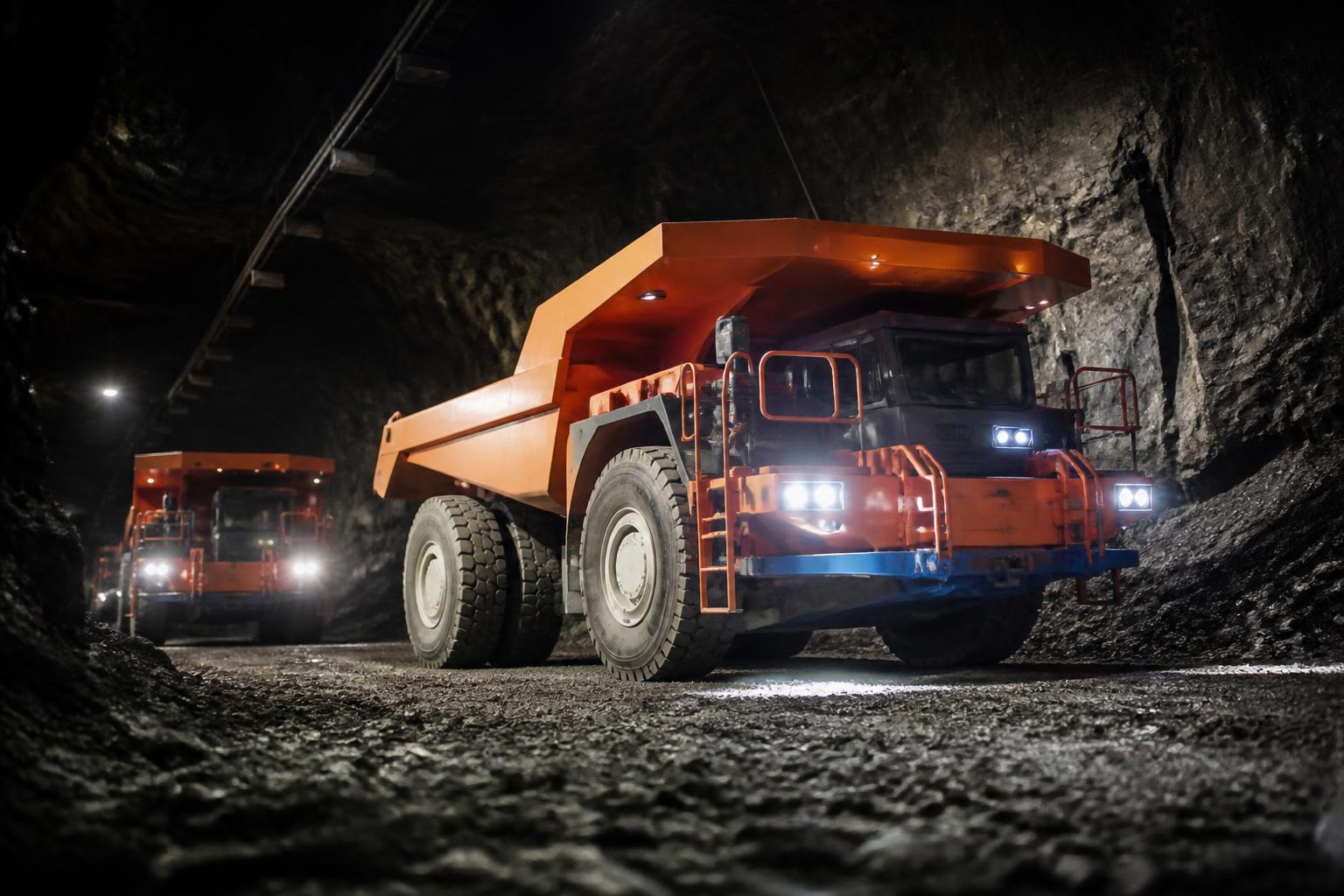
    Swedish mining giant LKAB has taken a significant step towards sustainable mining by deploying two 120-tonne battery-electric trucks at its Malmberget iron ore mine. These trucks, developed in collaboration with Scania, are designed to operate at depths of up to 1,250 metres and have already transported over 100,000 tonnes of iron ore since their introduction. Each truck boasts a payload capacity of just over 70 tonnes and is equipped with a 624 kWh battery, allowing for approximately seven hours of operation on a single charge.

    The deployment of these electric trucks marks a pivotal moment in the mining industry, particularly for underground operations where electrification poses unique challenges. LKAB’s Malmberget mine moves more than 50,000 tonnes of iron ore daily, and the new trucks have completed around 1,500 round trips, transporting roughly 3,200 tonnes per charge. The charging infrastructure supports rapid charging at up to 375 kW, enabling a full charge in about 80 minutes.

    One of the key challenges for LKAB is ensuring that these battery-electric trucks can match the productivity and availability of traditional diesel trucks. As the company continues to innovate, another battery-electric model, the Sleipner, is entering its next testing phase. This 8×4 heavy-duty tipper is designed for continuous operation and will be evaluated for its ability to replace diesel trucks in ongoing production scenarios.

    The partnership between LKAB and Scania has been ongoing for several years, with previous tests of a 6×4 battery-electric tipper demonstrating promising results. By 2027, LKAB aims to electrify 30 per cent of its mining fleet, targeting the extraction and handling of at least five million tonnes of material annually without local emissions. This ambitious goal underscores the company’s commitment to reducing its environmental footprint while maintaining operational efficiency in one of the most demanding sectors of the economy.