Website: Europe.com

  • Sibanye-Stillwater’s Keliber Lithium Project Achieves Key Operational Milestones in Finland

    Sibanye-Stillwater’s Keliber Lithium Project Achieves Key Operational Milestones in Finland

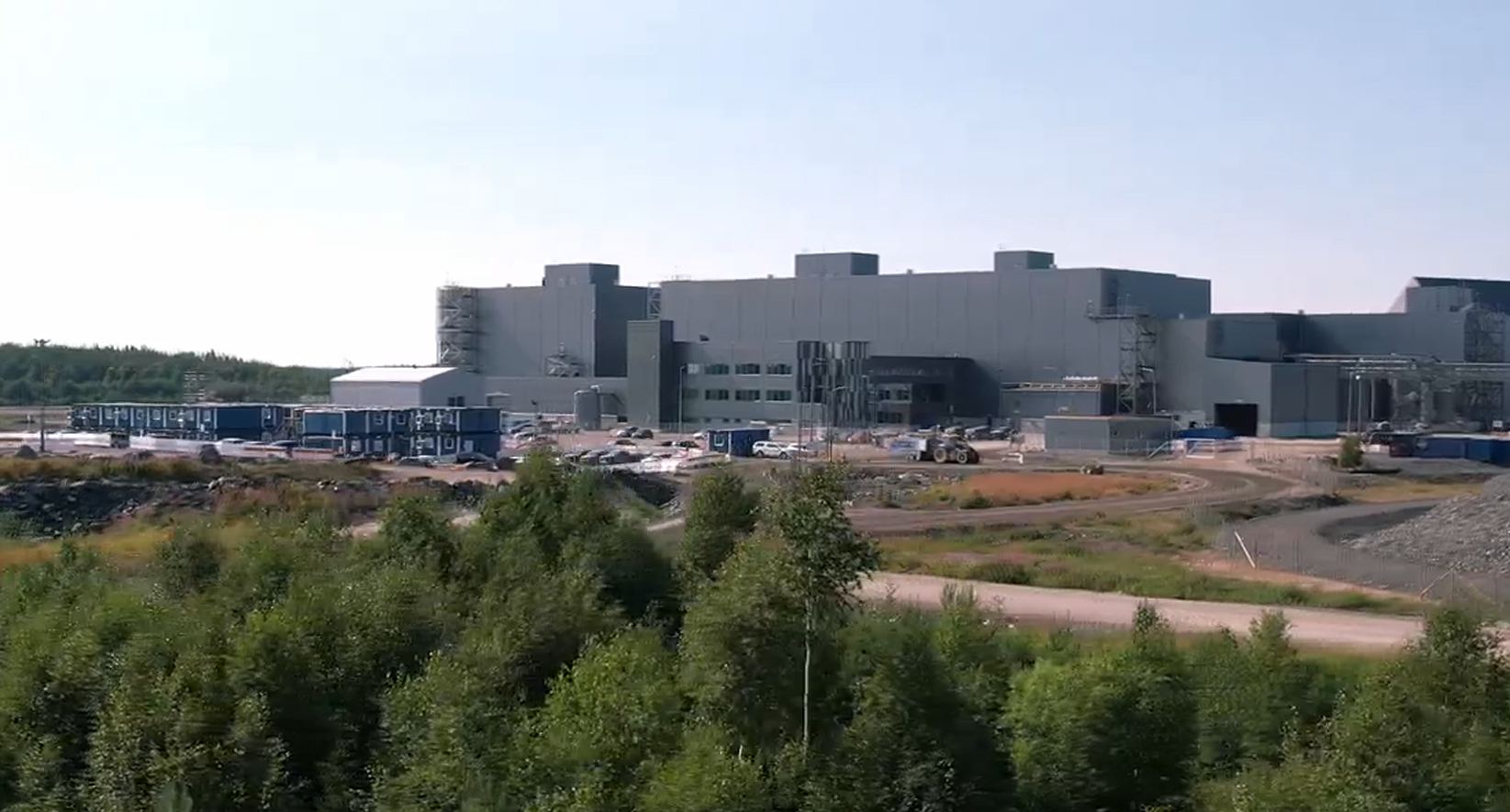
    Sibanye-Stillwater’s Keliber lithium project in Finland is making significant strides in its operational ramp-up, marking a pivotal moment in the company’s efforts to enhance lithium production. Following the successful commencement of the Syväjärvi open-pit mine earlier in 2026, the project has now seen the Päiväneva concentrator achieve an impressive 142 hours of continuous testing. This phase is crucial as it aims to safely scale up the production of high-quality spodumene concentrate, a key material in the lithium battery supply chain.

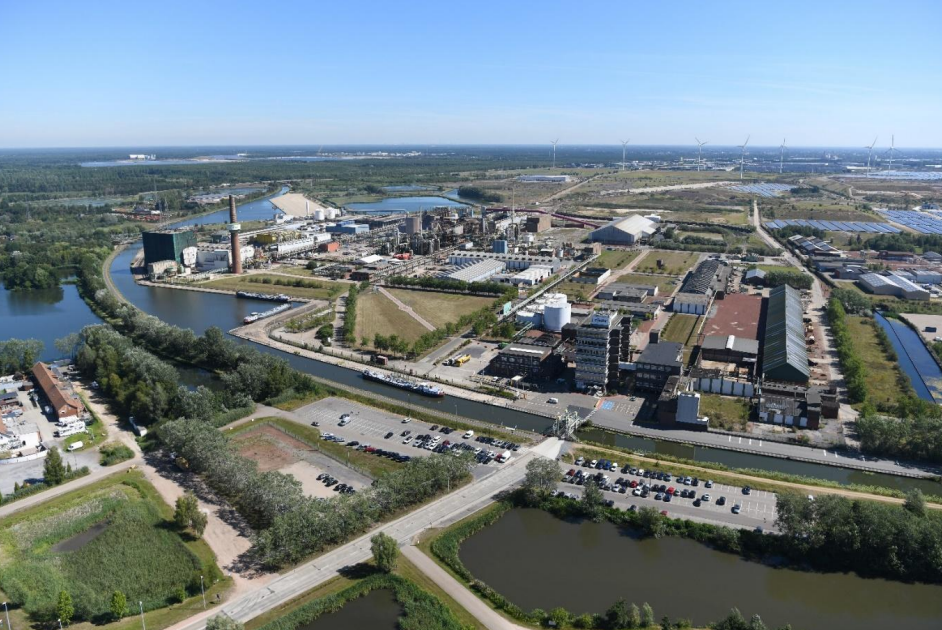
    The ongoing infrastructure development at the Kokkola Industrial Park lithium refinery is also noteworthy. The area has been recently asphalted, signalling progress as teams undertake essential preparatory work to initiate production. This development is expected to bolster the overall efficiency and output of the Keliber project, which is strategically positioned to meet the growing demand for lithium in electric vehicle batteries and other applications.

    Sibanye-Stillwater has made it a priority to keep stakeholders informed about the project’s progress. Interested parties can view the rapid advancements and layout of the facilities through the official project updates available on the Sibanye-Stillwater Keliber Video Gallery. Additionally, the construction timeline is accessible via the Keliber Project Progress Playlist on YouTube, providing a visual representation of the project’s evolution.


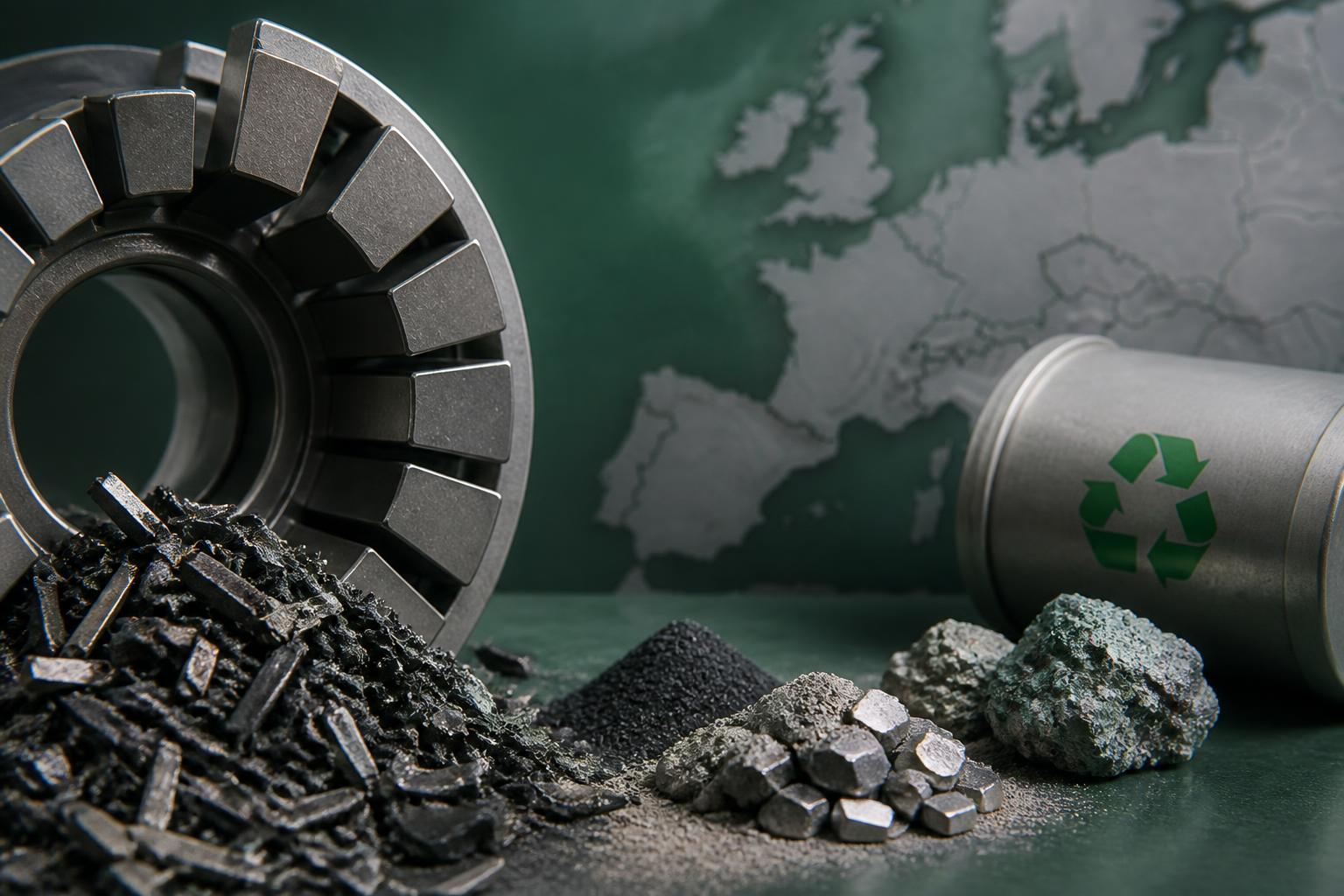
  • Europe’s Battery Future: Closing the Gap on Raw Materials, Manufacturing and Innovation

    Europe’s Battery Future: Closing the Gap on Raw Materials, Manufacturing and Innovation

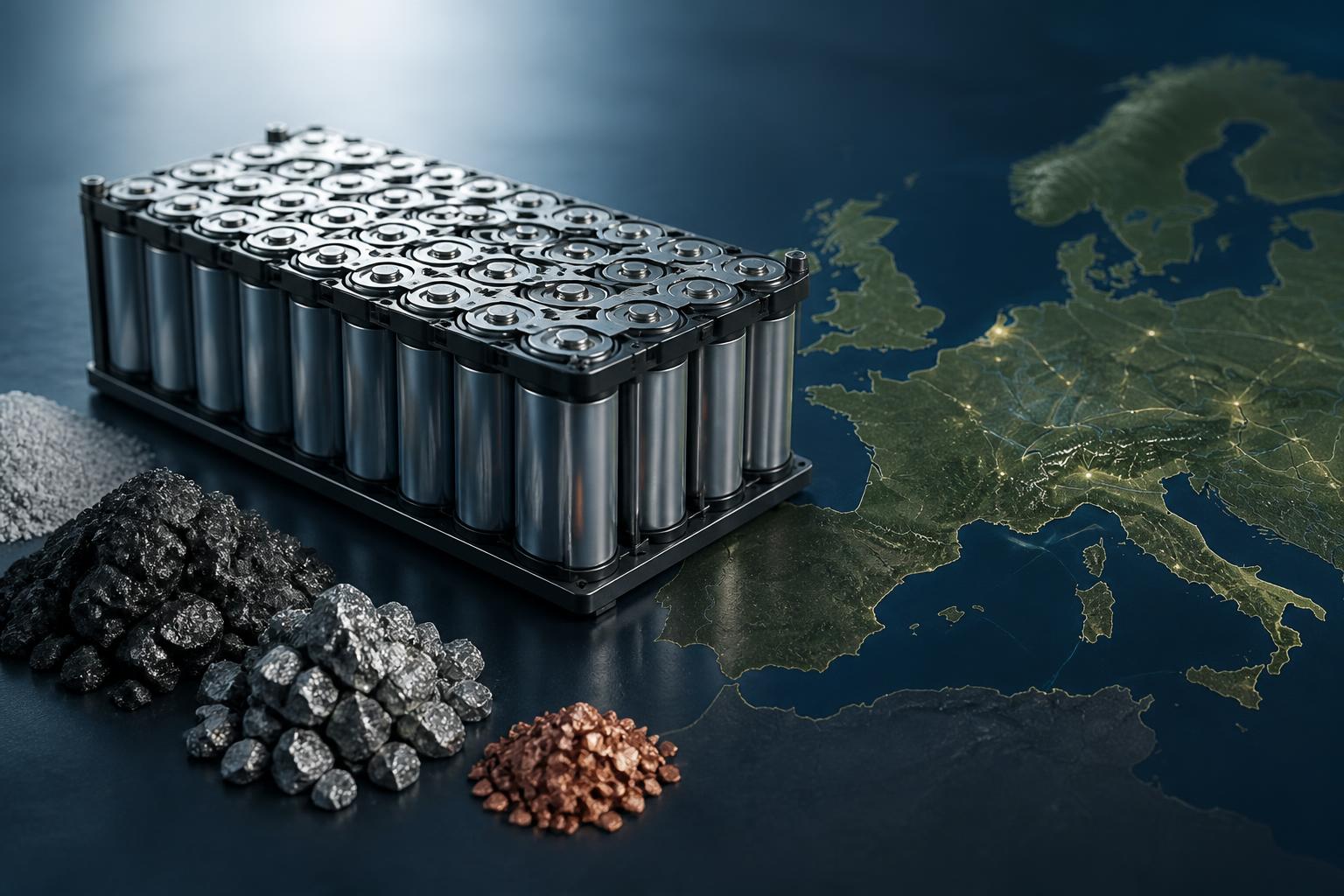
    Europe’s battery sector stands at a decisive juncture, caught between real opportunity and mounting exposure to external dependencies. The Battery R&I Blueprint sets out a roadmap for the continent to build genuine leadership in battery technology — a capability now central not just to automotive, but to energy systems, defence, and electronics alike. With demand accelerating on the back of transport electrification and renewable energy integration, Europe faces a hard truth: it remains heavily reliant on non-European supply chains and continues to lag Asian producers on cost, nowhere more acutely than at the raw materials stage.

    Michael Lippert, Chairman of the Batteries European Partnership Association (BEPA), frames unity — across research, industry and policymakers — as the precondition for progress, warning that fragmented effort will only deepen Europe’s disadvantage. The Blueprint organises the challenge around four interlinked pillars: scope, scale, speed and sustainability, each demanding a coordinated R&I response that spans the full value chain, from mining and refining through to end-use deployment.

    Raw materials and critical minerals sit at the sharpest edge of this challenge. China currently controls more than 90% of global refining capacity for many battery-critical materials, and the IEA estimates that a single month’s disruption to Chinese battery supply exports could wipe out roughly USD 17 billion in EV production globally — with European factories bearing the brunt. Yet this same segment is also where Europe’s opportunity is greatest: raw and advanced materials account for around half of the projected EUR 450 billion global battery value pool by 2030, and upstream margins (20–40% EBITDA) dwarf the thin 5–10% margins typical of cell manufacturing. Europe’s established chemicals and materials base gives it a genuine foundation to compete here, provided R&I investment follows.

    The report calls for deliberate diversification — of both chemistries and applications — to reduce Europe’s overreliance on automotive as its sole commercial anchor. Sodium-ion chemistry, for instance, is highlighted as a route to cobalt-free, lower-cost batteries that eases pressure on critical mineral demand. On the materials side, the Blueprint pushes for low-footprint lithium extraction, refining processes for next-generation raw materials, and flexible recycling capable of handling mixed and low-value feedstocks — alongside design-for-recycling principles that improve recovery rates at end of life. It also flags a specific policy obstacle: the current regulatory classification of black mass restricts its cross-border movement within Europe, hampering the recycling economy the sector needs.

    To carry this forward, the Blueprint proposes a dedicated Batteries Partnership under the next Multiannual Financial Framework (MFF), building on BATT4EU, to close gaps in both production capacity and technological readiness. It also identifies industrial-scale recycling and refining facilities — particularly for black mass processing and critical material recovery — as priority targets for the European Competitiveness Fund and Innovation Fund, given the scale of capital required and the strategic supply-chain sovereignty at stake. National consultations across 13 countries reinforce this: refining and battery-waste processing rank as “High” to “Very High” priorities in most surveyed markets, with Sweden, Denmark, Portugal and Finland placing particular emphasis on this segment.

    Beyond materials, the Blueprint underscores the need for Europe to build domestic manufacturing capacity to meet demand without deepening import reliance — while pursuing next-generation technologies in parallel with scaling today’s production. This dual sprint-and-marathon approach, the report argues, is what will let Europe close the competitiveness gap while building lasting technological independence.
     

  • Zinc of Ireland Secures €734,000 Grant for ARGO Technology Development

    Zinc of Ireland Secures €734,000 Grant for ARGO Technology Development

    Zinc of Ireland Limited (ASX: ZMI) has announced the successful acquisition of a development grant worth approximately A$1.2 million (€734,000) from the Flanders Innovation & Entrepreneurship (VLAIO) agency. This funding is aimed at accelerating the development of ZMI’s ARGO technology, which is designed to recover critical minerals such as germanium, gallium, and indium from zinc leach residue (ZLR) produced during primary zinc smelting and refining. The grant will facilitate the transition of ARGO from its current Technology Readiness Level (TRL) 4 to TRL 7, which involves pilot plant testing.

    The funding will primarily support a major test work program at Solvomet, a renowned metallurgical research and innovation centre in Belgium. ZMI’s CEO, Greg Ross, highlighted the importance of this grant, especially in light of recent climate challenges in Europe, including heatwaves and wildfires, which have intensified the focus on emissions reduction. The ARGO technology promises to replace traditional high CO2 emitting processes with a more sustainable, low-energy solution, thereby aligning with the industry’s push towards greener practices.

    Ross expressed gratitude to VLAIO for their support, noting that the grant comes at a crucial time as ZMI expands its workplan for ARGO based on industry feedback. The funding will enable ZMI to establish a European headquarters and laboratory in the Flanders region, further enhancing its product development and marketing efforts. The company anticipates significant progress towards commercialisation, with pilot plant testing expected to commence by early 2027.

    The ARGO technology is part of ZMI’s broader strategy to develop innovative metallurgical processes that recover valuable metals from industrial residues and recycling streams. The Flanders region, known for its production of zinc and lead, is home to major players in the industry, including Nyrstar, with whom ZMI has a cooperation agreement for feedstock and testing facilities. This collaboration is expected to bolster ZMI’s efforts in advancing sustainable practices within the sector.

    In summary, the VLAIO grant not only underscores the strategic importance of the ARGO technology for the zinc smelting industry but also positions ZMI as a key player in the transition towards more sustainable mining practices in Europe. The company is committed to leveraging this funding to drive innovation and meet the growing demand for critical minerals in a low-emission context.

  • Belgian Initiative Aims to Recover Critical Minerals from Zinc Production Residues

    Belgian Initiative Aims to Recover Critical Minerals from Zinc Production Residues

    A new research initiative in Belgium is set to explore the recovery of critical minerals (CRMs) from industrial residues, particularly zinc production waste. The project, known as VLAIO O&O, is a collaborative effort involving Meclex (ZMI), the SOLVOMET Research and Technology Centre at KU Leuven, and the metal processing company Nyrstar. This innovative approach aims to develop a hydrometallurgical flowsheet that can effectively extract valuable by-products from zinc leach residues.

    As Europe faces increasing pressure to reduce its reliance on imported critical minerals, this project highlights the importance of innovation in metallurgical processing and resource recovery. By focusing on the recovery of CRMs from existing industrial waste, the initiative not only seeks to bolster Europe’s supply of these essential materials but also promotes strategic autonomy in resource management. The project underscores the potential of utilising resources already available within Europe, thus contributing to a more sustainable and self-sufficient industrial landscape.

    The collaboration between academic institutions and industry players exemplifies a proactive approach to addressing the challenges posed by the global demand for critical minerals. With the ongoing transition towards greener technologies and renewable energy, the need for a reliable and local supply of CRMs has never been more crucial. This Belgian-led initiative is a significant step towards achieving that goal, showcasing how innovative research can lead to practical solutions in the mining and metallurgical sectors.

    As the project progresses, it will be interesting to see the outcomes of the research and how it may influence future policies and practices regarding resource recovery in Europe. The focus on hydrometallurgical processes could pave the way for similar initiatives across the continent, further enhancing Europe’s capabilities in critical mineral production and sustainability efforts.

  • Finland’s Strategic Vision for Sustainable Mining and Minerals Development

    Finland’s Strategic Vision for Sustainable Mining and Minerals Development

    Finland is positioning itself as a global leader in responsible and sustainable mining practices, particularly through the integration of artificial intelligence (AI) in its mineral operations. The country is exploring ways to enhance its capabilities in the minerals and metals sector, which is deemed a strategic asset for economic growth. This sector not only fosters innovation and creates high-quality jobs but also strengthens Finland’s export capabilities. However, the complexity of the value chains associated with mining necessitates a comprehensive understanding of the interdependencies that exist throughout the production sequence, including the roles of investors, end-users, and decision-makers.

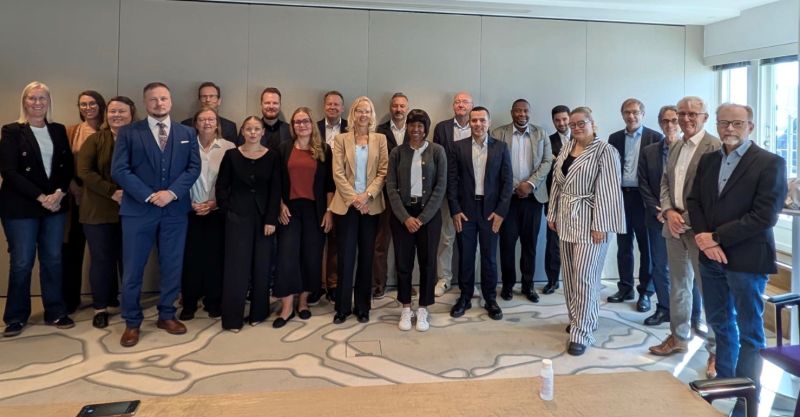
    In a recent brainstorming session involving key Team Finland organisations, stakeholders discussed how to unlock more sustainable and value-adding projects and investments, both domestically and in international markets. The discussions highlighted the importance of maximizing economic impact and maintaining a sustainable competitive advantage by delivering clear value to customers at every stage of the mining process. The session also acknowledged the growing influence of geopolitical and geo-economic factors on the sector, which can significantly affect investments, supply chain resilience, and overall market dynamics.

    Participants identified several prospective actions to address the challenges faced by the sector, including increasing awareness and showcasing Finland’s unique strengths to an international audience. The collaborative effort aims to enhance the visibility of Finland’s capabilities in sustainable mining and to foster partnerships that can lead to innovative solutions and projects. The enthusiasm and commitment expressed during the session suggest a promising future for Finland’s mining sector, with further actions and initiatives expected to emerge in the coming months.

    The event was hosted by the Technology Industries of Finland and included representatives from various organizations, including the Ministry for Foreign Affairs of Finland, the Geological Survey of Finland, and Mining Finland. The collaborative spirit and the quality of discussions indicate a strong foundation for advancing Finland’s position in the global mining industry.

  • Nordx Metals: Pioneering the Future of Critical Minerals in the Nordic Region

    Nordx Metals: Pioneering the Future of Critical Minerals in the Nordic Region

    Nordx Metals Corp. has released a comprehensive corporate presentation outlining its strategic vision and operational framework as it positions itself at the forefront of the Nordic critical minerals sector. The presentation provides an overview of the company’s current affairs and highlights its commitment to responsible mineral exploration and development in Sweden and Finland, two countries renowned for their stable political environments and rich mining heritage.

    The company emphasizes its focus on uranium and lithium, two critical minerals that are increasingly vital for energy transition and technological advancements. With a portfolio that includes several promising projects, Nordx aims to leverage its first-mover advantage in the underexplored Nordic belt, which is supported by world-class infrastructure and a skilled workforce. The presentation outlines the company’s disciplined exploration strategy, which aligns with the European Union’s Critical Raw Materials Act, aiming to bolster the continent’s battery and energy supply chains.

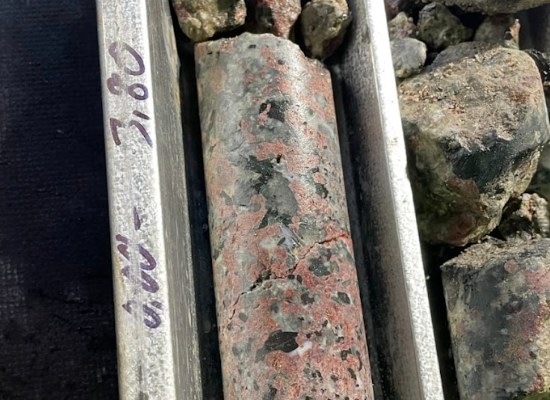
    Nordx Metals boasts a strong management team with a proven track record in mineral discovery and development, further enhancing its credibility in the industry. The company has reported significant historical non-compliant mineral resources, particularly in uranium, across its various projects, including the Bergby Lithium Property and the Kietyönmäki Lithium Project. These assets are strategically located near major infrastructure, facilitating efficient operations and potential future expansions.

    The presentation also addresses the challenges and uncertainties inherent in the mining sector, particularly regarding regulatory compliance and market fluctuations. Nordx Metals cautions prospective investors about the risks associated with forward-looking statements, urging them to conduct thorough due diligence before making investment decisions. The company remains optimistic about the future, citing growing demand for uranium in Europe and the potential for resource expansion across its projects.

  • Mkango Resources Completes Acquisition of Remloy Rare Earth Magnet Recycling Business

    Mkango Resources Completes Acquisition of Remloy Rare Earth Magnet Recycling Business

    Mkango Resources Ltd. has successfully completed its acquisition of the Remloy rare earth magnet recycling business from Heraeus Amloy Technologies GmbH for €8 million (approximately US$9.3 million). This strategic move, announced on 31 August 2026, marks a significant step in Mkango’s efforts to enhance its position within the rare earth supply chain in Europe. The transaction includes an initial payment of €5 million, with the remaining €3 million due on 28 August 2028.

    Remloy operates a fully commissioned recycling facility in Bitterfeld, Germany, which utilises a melting process to recycle end-of-life rare earth magnets into neodymium-iron-boron (NdFeB) alloy powders. This process complements Mkango’s existing recycling initiatives, including the short loop recycling process of HyProMag and the long loop recycling process of Mkango Rare Earths UK. With a target capacity of at least 500 tonnes per year, Remloy is poised to play a crucial role in the production of high-demand magnet materials.

    The acquisition comes at a time when the demand for rare earth materials is surging, driven by their critical applications in various high-tech industries. Mkango’s CEO, William Dawes, expressed optimism about the transaction, highlighting the potential for strengthening the rare earth supply chain and enhancing recycling capabilities in Germany and its neighbouring countries. He noted that Mkango is now uniquely positioned across the entire rare earth supply chain, with operations spanning recycling, magnet and alloy manufacturing in the UK, Germany, and the USA, as well as rare earth separation in Poland and mining activities in Malawi.

    David Bender, the newly appointed Managing Director of Remloy, emphasised the company’s readiness to scale up production and meet customer demands. He stated that the synergies within the Mkango Group would enhance their ability to provide a comprehensive range of products, thereby contributing to supply chain resilience and security of supply in the rare earth sector.

    As Mkango Resources continues to expand its operations, the integration of Remloy is expected to facilitate growth and innovation in rare earth magnet recycling, positioning the company as a key player in the European market. The strategic acquisition aligns with global trends towards sustainability and the circular economy, as industries increasingly seek to recycle and reuse materials to reduce environmental impact and ensure a stable supply of critical resources.

  • Slovalco Resumes Aluminium Production After Three-Year Hiatus

    Slovalco Resumes Aluminium Production After Three-Year Hiatus

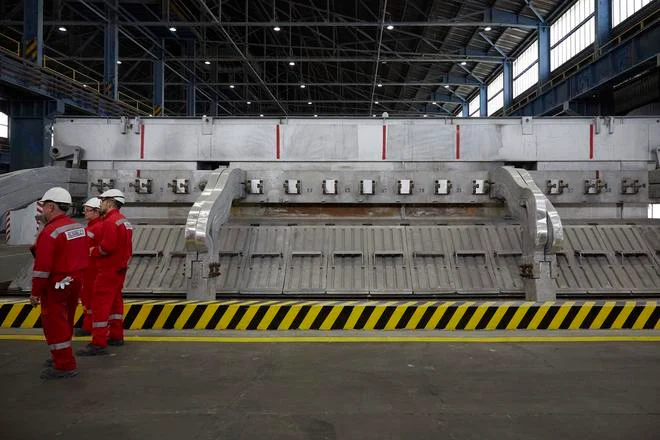
    Slovalco, a prominent aluminium producer in Slovakia, has announced the gradual restart of its aluminium furnaces after a three-year suspension. The company is set to reactivate 100 of its 226 furnaces at its smelter located in Žiar nad Hronom, with the first furnaces being heated as of Saturday, 28 August 2026. This restart is expected to provide an annual production capacity of 75,000 tonnes, significantly lower than the plant’s full capacity of 175,000 tonnes.

    The decision to resume operations comes after a substantial investment of approximately €100 million and an agreement between Slovalco and the Slovak government aimed at enhancing support for energy-intensive industries. This agreement includes a notable increase in compensation for indirect costs associated with the EU’s emissions trading system, positioning Slovalco as the primary beneficiary of these measures.

    Additionally, Slovalco has secured a 10-year electricity contract with the state-owned operator of the Gabčíkovo hydropower plant on the Danube, alongside additional supplies from Slovenské elektrárne. While the specific pricing details of the state contract remain undisclosed, the arrangement is expected to stabilise the company’s energy costs, which have been a significant factor in its previous production halt.

    Jaroslav Haščák, co-founder of Penta Investments, which holds a 44.7 percent stake in Slovalco, emphasised that the support received is not a mere gift but a strategic investment that will ultimately benefit the state through taxes and social contributions. He highlighted the importance of aluminium as a strategic raw material for Europe, noting that domestic production reduces reliance on imports from countries with larger environmental footprints. Hydro, the Norwegian company that co-owns Slovalco, also asserts that the aluminium produced at this facility has significantly lower carbon emissions compared to the global average.

    The restart of production marks a significant shift for Slovalco, which had ceased primary aluminium production in 2022 due to soaring electricity prices that rendered operations uneconomical, although the company continued its aluminium recycling activities. The renewed production efforts are expected to bolster the local economy and contribute to Slovakia’s industrial landscape, as the government seeks to support energy-intensive industries in a challenging economic environment.

  • Critical Metals Corp Advances Acquisition of European Lithium Limited

    Critical Metals Corp Advances Acquisition of European Lithium Limited

    Critical Metals Corp (Nasdaq: CRML), a prominent player in the critical minerals sector, has provided an update regarding its proposed acquisition of European Lithium Limited (ASX: EUR, FRA: PF8, OTC: EULIF). The acquisition aims to secure 100% of the issued share capital of European Lithium, alongside its listed options, through court-approved schemes of arrangement under the Australian Corporations Act 2001. This strategic move is designed to enhance Critical Metals’ portfolio and strengthen its position in the critical minerals market.

    The process commenced with the lodgement of a draft explanatory statement, known as the Scheme Booklet, with the Australian Securities and Investments Commission (ASIC) on August 26, 2026. This document is crucial as it will provide European Lithium’s securityholders with essential information regarding the proposed schemes. The first court hearing is set for September 15, 2026, where European Lithium will seek orders from the Supreme Court of Western Australia to convene meetings for shareholders and optionholders to consider and vote on the schemes.

    If the court grants the necessary approvals, the Scheme Meetings are expected to take place in mid-October 2026, followed by a general meeting of shareholders to discuss resolutions related to the schemes. The implementation of these schemes is anticipated for early November 2026, contingent upon the satisfaction of all conditions, including approvals from shareholders and the court.

    Mike Hanson, a board director at Critical Metals Corp, expressed optimism regarding the progress of the acquisition, highlighting the importance of the Scheme Booklet’s lodgement as a significant step forward. He noted that both companies are making steady progress towards the completion of the transaction, which aims to integrate European Lithium and its assets into the Critical Metals group.

    Critical Metals Corp is focused on developing critical minerals essential for electrification and next-generation technologies. Its flagship project, Tanbreez, located in Southern Greenland, is one of the largest rare earth deposits globally, with advantageous shipping access. Additionally, the Wolfsberg Lithium Project in Austria is poised to become a major producer of lithium products, further solidifying Critical Metals’ role as a key supplier in the European market.

    This acquisition aligns with the growing demand for critical minerals, driven by the clean energy transition and advancements in technology. As the mining industry continues to evolve, Critical Metals Corp is strategically positioning itself to meet the needs of the Western world, ensuring a reliable and sustainable supply of essential resources.

  • London Stock Exchange Overhauls AIM Rules to Benefit Junior Mining Companies

    London Stock Exchange Overhauls AIM Rules to Benefit Junior Mining Companies

    The London Stock Exchange (LSE) has enacted the most significant revision of its AIM Rules for Companies in two decades, effective from August 5, 2026. This comprehensive overhaul aims to better serve early-stage, growth-oriented businesses, particularly in the exploration and junior mining sectors. The updated regulations significantly reduce the regulatory burden, lower admission costs, and simplify the process for secondary capital raises, marking a pivotal shift for junior resource companies.

    One of the key changes is the removal of the traditional working capital statement from admission documents. This rigid requirement has been replaced with a more flexible disclosure that covers available capital resources, 12-month fundraising needs, and associated risk factors. This alteration is particularly beneficial for pre-revenue exploration companies, which often struggle to demonstrate a definitive working capital runway, thus reducing both the cost and complexity of the financial processes required for listing.

    Additionally, the introduction of the new “Express Market” admission route streamlines the process further by cutting the Schedule One Announcement period to just three business days. This fast-track option allows junior miners from major jurisdictions like Australia and Canada to pursue a secondary listing in London with minimal duplication, thereby enhancing access to UK and European capital markets.

    The LSE has also raised the class test threshold for substantial transactions from 10% to 25%. This change means that exceeding 100% on class tests will no longer automatically trigger a reverse takeover unless there is a fundamental shift in business or board control. This adjustment is crucial for junior mining companies that often rely on joint ventures and rapid asset transactions, allowing them to act swiftly without the burden of extensive formal disclosures or shareholder approvals.

    Another significant innovation is the introduction of a “Capital Access Window,” which permits AIM companies to request a temporary voluntary suspension during equity fundraising. This mechanism is designed to facilitate quicker access to capital for exploration firms, enabling them to engage in dilutive or non-dilutive secondary raises without risking market volatility during the fundraising process.

    Finally, the LSE has shifted towards a lighter-touch corporate governance model, moving away from the strict “comply or explain” requirement. This change allows junior mining companies, which often operate with smaller management teams, to save on legal and administrative costs associated with compliance to governance codes that were originally designed for larger entities. Overall, these reforms are expected to significantly enhance the operational landscape for junior mining and exploration companies, fostering growth and investment in the sector.