Website: Europe.com

  • Bridging Reserves and Refinement: Türkiye’s Strategic Role in the Global Critical Minerals Race

    Bridging Reserves and Refinement: Türkiye’s Strategic Role in the Global Critical Minerals Race

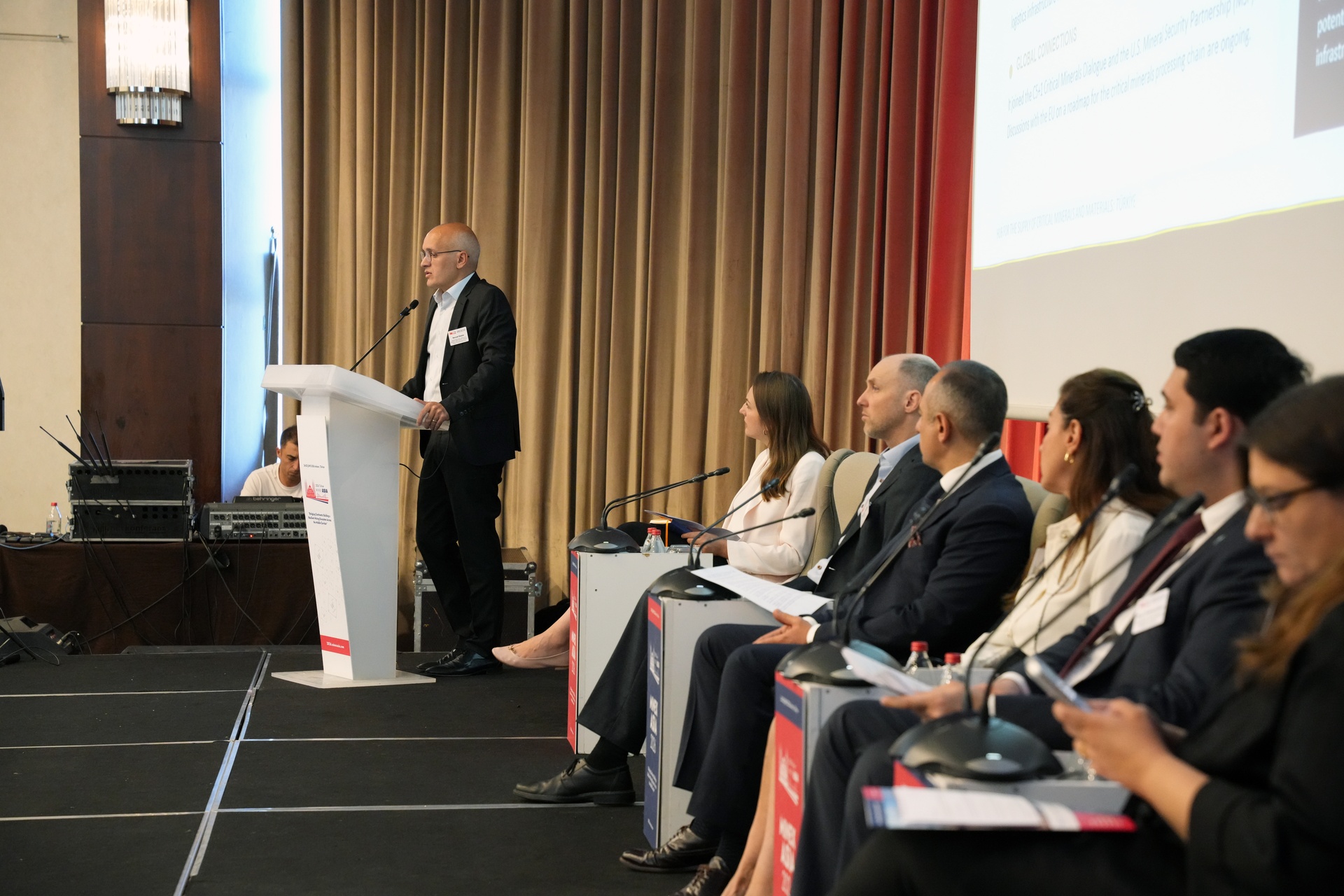
    Başlar opened his presentation by framing the scale of the challenge facing Western supply chains: China’s overwhelming dominance in critical minerals processing, which he placed somewhere in the range of 60–90% of the global market depending on the mineral in question. Rather than treating this as an abstract policy problem, he positioned Turkey as the country with the most realistic pathway to erode that dominance within a meaningful timeframe, provided the right strategic and institutional steps are taken.

    His central argument rested on Turkey’s geographic and cultural position as a bridge between Europe and Asia. He pointed to Turkey’s demonstrated agility and track record of success in small- and medium-scale mining operations, arguing that this operational experience is directly transferable to mining projects in Kazakhstan, given the two countries’ shared “Turkic world” identity and long-standing cultural affinity. He referenced a shared long-term vision between Turkic states as a foundation for deeper cooperation in critical minerals specifically.

    Başlar then broadened the geopolitical frame by invoking Turkey’s historical relationships with South Korea and Japan. He cited a 75-year relationship of trust between Turkey and South Korea dating to the Korean War, and a 135-year relationship of friendship with Japan tracing back to the Ertuğrul frigate disaster of 1890. He proposed that these historic bonds of loyalty could be reactivated commercially, forming the basis for a technology and processing partnership among Turkey, South Korea, and Japan in critical minerals.

    He then addressed the definitional question of what makes a mineral “critical,” identifying three overlapping criteria: strategic importance to the economy or national security, difficulty finding substitutes, and supply concentrated among a limited number of countries such that disruption would cause serious economic damage. He described critical minerals as sitting at the intersection of mining, geopolitics, and national security — three domains that, in his view, are increasingly inseparable.

    Much of his presentation was structured as a set of institutional recommendations for the Turkish state. His central proposal was the creation of a dedicated Mining Industry Presidency, modeled explicitly on Turkey’s Defense Industry Presidency (SSB). He argued that although the sectors differ, the defense presidency’s accumulated experience in policy design, technical management, and commercial strategy is directly transferable to mining. Establishing such a body, he argued, would transform Turkey’s currently fragmented mining sector into a coordinated public-private ecosystem. Alongside this, he proposed appointing ambassadors specifically tasked with mining diplomacy, whose role would be to monitor strategic mining developments abroad and foster international cooperation from a position of expertise rather than generalist diplomacy.

    On the question of capital, Başlar argued that establishing mining and processing capacity is an inherently capital-intensive undertaking, and proposed the creation of a dedicated mining finance fund under the new Mining Industry Presidency, complemented by a separate mining finance vehicle based at the Istanbul Financial Center. These funds, he said, should be capable of providing rapid-response financing at both the exploration and operational stages of mining projects.

    He devoted a significant portion of his talk to labor and education, describing a paradox in which the mining sector currently suffers from a severe shortage of skilled labor even as interest in mining education programs has declined sharply. He called for an investigation into the root causes of this decline, identifying the sector’s negative public image — driven by high-profile workplace fatalities — as one of the primary obstacles. He argued that university curricula for mining-related degrees need to be modernized to reflect the sector’s future needs rather than its historical ones.

    On exploration specifically, he invoked a Turkish proverb — that even a mountain cannot withstand something that is fully prepared — to emphasize the value of readiness and groundwork. He noted a clear shortage of both exploration companies and exploration projects in Turkey, attributing this partly to insufficient investment in exploration over the past decade and partly to mining companies’ preference for lower-risk, shorter-term ventures over the higher-risk, longer-horizon work that exploration requires. He called for public-sector incentives specifically targeted at exploration companies to correct this imbalance.

    Başlar also surveyed the broader regional and international landscape relevant to Turkey’s ambitions. He discussed South Korea’s position as a global leader in processing and refining technology, driven by the fact that its roughly $1.8 trillion economy is directly dependent on uninterrupted flows of critical materials for semiconductor production, electric vehicle manufacturing, and advanced metallurgical processes — a vulnerability that has pushed South Korea to invest heavily in downstream processing capability. He made a similar point about Japan, noting that despite lacking rich domestic mineral reserves, Japan has built a position as a key player in advanced processing and circular-economy metal recycling, producing high-quality metals and chemicals that feed sectors from electronics to defense.

    Turning to Kazakhstan, Başlar argued that assessing its position in the critical minerals sector requires looking beyond the raw size of its reserves to factors including geology, mineability, technological capability, regulatory environment, logistics, and geopolitical context. He highlighted Kazakhstan’s Soviet-era mining legacy — an established ecosystem including mining engineering traditions in cities historically built around the sector, along with existing rail and energy infrastructure. However, he noted that this Soviet-era infrastructure creates friction with Western logistics: because Soviet rail systems differ structurally from Western ones, cargo transshipment requires additional coordination, and this is part of the rationale behind ongoing efforts to improve the Middle Corridor’s logistics infrastructure to mitigate geopolitical risk. He noted Kazakhstan’s participation in the C5+1 critical minerals dialogue with the US and in discussions with Europe, while flagging regulatory and investment climate stability, cost, technology, and standards gaps as unresolved issues limiting Kazakhstan’s ability to fully capture the value of its mineral wealth.

    He raised similar dynamics for Uzbekistan, noting large gold, copper, and iron reserves alongside legacy infrastructure and an experienced workforce, but also citing inefficiencies in energy infrastructure and ongoing logistics bottlenecks. He pointed out a technical compliance issue shared across many post-Soviet states: their continued reliance on the Soviet-era ABC1/C2 reserve classification system, which does not map directly onto internationally recognized reporting standards such as JORC or NI 43-101. This mismatch, he explained, requires additional verification steps before international investors can rely on local reserve estimates, although he noted that some governments have begun preparing reserve estimates for specific minerals like lithium, copper, graphite, and tantalum in accordance with international standards.

    Başlar then pivoted to describing the competitive posture of Europe and the United States. He described the EU’s Critical Raw Materials Act as a comprehensive strategy aimed at ensuring no single country accounts for more than 65% of the EU’s annual consumption of any strategic material. On the US side, he referenced the 2025 critical minerals list published in November 2025 (updated on a two-year cycle), and noted that under the 2025 national security strategy, the Pentagon has allocated significant funding — he cited a figure of $7.5 billion — toward critical minerals initiatives, alongside a broader supply-chain security initiative launched in December 2025.

    He argued that these developments open specific avenues of cooperation for Turkey across finance and investment, strategic and cooperative collaboration, technology and expertise transfer, and trade facilitation. He situated the current moment historically, noting that China’s restriction of rare earth exports to Japan during the 2010 diplomatic crisis could be considered the true beginning of the “critical minerals era.” He offered a memorable framing: that the supply and processing of critical minerals are as inseparable as hydrogen and oxygen in water, and that a country’s ability to achieve economic sustainability is directly proportional to its capacity to both supply and process the minerals it produces.

    He closed with a call to action, arguing that after 15 years of global discussion about the importance of critical minerals, what matters now is not the volume of ideas but the speed of implementation — a speed he compared to the urgency required to repair a collapsed bridge on a busy highway. His concluding recommendations synthesized the presentation: establish a Turkish Mining Industry Presidency; appoint mining diplomacy ambassadors; create a mining capital market; address mining education and labor shortages; encourage government-supported mineral exploration; extend Turkey’s small- and medium-scale mining expertise into Kazakhstan and Uzbekistan via Turkish contracting companies already active in Central Asia; ensure governments provide the transportation and energy infrastructure that mining depends on (which he described as one of three “inseparable siblings” alongside minerals and mining itself); ensure technology transfer is a sustained process rather than a one-time event; establish a standing, government-independent technical mechanism linking Turkey, Korea, and Japan; and create both a critical minerals materials center and a mineral processing technology zone within Turkey.
  • US Government Invests $500 Million to Boost Domestic Lithium and Cobalt Processing. Views from Ukraine.

    US Government Invests $500 Million to Boost Domestic Lithium and Cobalt Processing. Views from Ukraine.

    In a significant move to bolster its domestic supply chain for strategic materials, the United States government has announced a $500 million investment aimed at enhancing the processing capabilities for lithium and cobalt, essential components in battery production. This initiative comes in the wake of recent export restrictions on ‘black mass’—a waste product from lithium-ion batteries that contains valuable metals such as lithium, nickel, and cobalt. The rationale behind these restrictions is to prevent the U.S. from becoming reliant on foreign processing facilities for materials critical to its technological and energy sectors.

    The U.S. Department of Energy has allocated funds to seven private companies that are engaged in various aspects of lithium extraction, cobalt processing, and battery recycling. Notably, $100 million has been awarded to Lilac Solutions for direct lithium extraction in Utah, while Jervois has received a similar amount to develop an integrated cobalt mining and processing complex. Another $100 million is going to Nth Cycle, a company focused on processing black mass into high-purity metals and battery-grade materials, directly addressing the materials that the U.S. has sought to keep within its borders.

    This strategic funding is not merely a financial boost for these companies; it reflects a broader shift in U.S. industrial policy towards a more interventionist approach. The government is actively identifying vulnerabilities in its supply chain and taking steps to mitigate them through direct investment and support. This includes an additional $150 million earmarked for projects that focus on recovering cathode materials, developing battery electrolytes, and creating silicon anodes to reduce dependence on imported graphite.

    The overarching theme of this initiative is clear: the U.S. is committed to maintaining control over its strategic resources and ensuring that the necessary infrastructure is in place to process these materials domestically. This shift in policy indicates that the government is no longer relying solely on market mechanisms to address supply chain issues, but is willing to intervene directly to safeguard national interests.

    As the U.S. takes these steps, it raises questions about how other nations, particularly those like Ukraine, might respond to similar challenges in their own industrial sectors. The implications of this investment could resonate beyond American borders, influencing global supply chains and the dynamics of the mining and battery industries.


  • UK Launches £50 Million Critical Minerals Accelerator Programme

    UK Launches £50 Million Critical Minerals Accelerator Programme

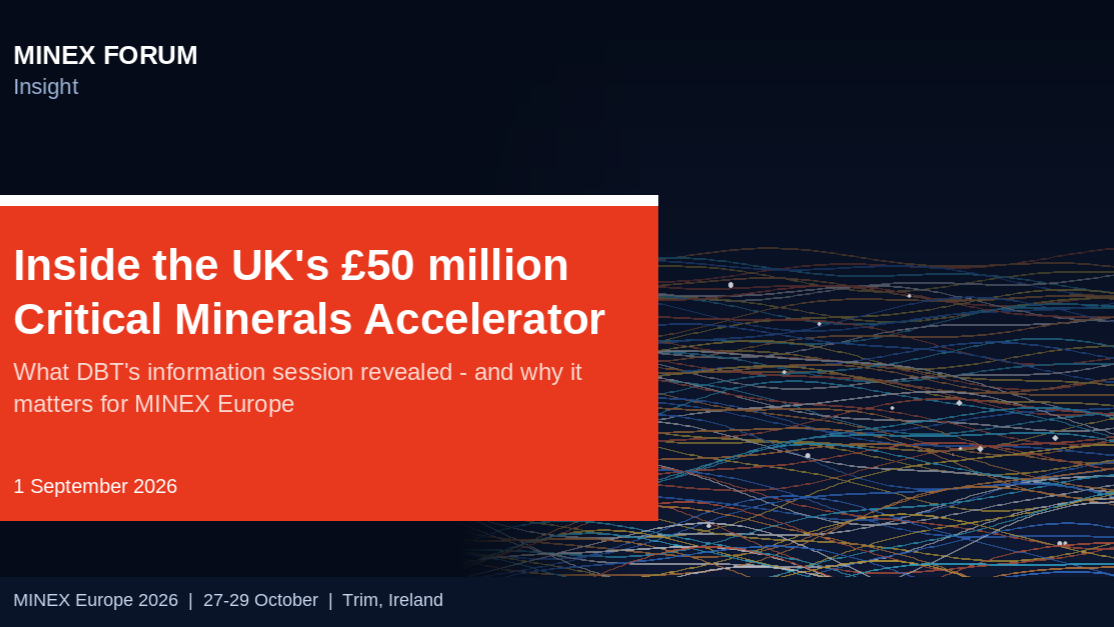
    The UK government has unveiled the Critical Minerals Accelerator, a £50 million initiative aimed at bolstering domestic production, processing, and recycling of critical minerals as part of its Vision 2035 strategy. On 1 September, the Department for Business and Trade (DBT) hosted an information session detailing the programme’s funding structure, eligibility criteria, and application process, chaired by Grace Humphries, Head of Critical Minerals (Strategy and Domestic).

    The programme allocates £25 million in competitive grants across two funding streams. Projects classified as Pilot to Pre-Commercial, which are at Technology Readiness Level (TRL) 6 and above, can receive between £1 million and £3 million over an 18 to 36-month period. Meanwhile, Demonstrator to Commercialisation projects, which are further along at TRL 8 and above, can secure grants ranging from £150,000 to £1 million over a shorter timeframe of 6 to 18 months. Importantly, applicants must be UK-registered companies, and even if extraction occurs overseas, the funded activities must take place within the UK.

    The application process is designed to be accessible, with match funding requirements varying based on company size—ranging from 50% for small firms to 70% for larger organisations. Notably, applicants are not required to have full funding secured at the application stage, only sufficient evidence to sustain project delivery for the first six months.

    During the session, Wilkie Briggs, Policy Advisor on the Critical Minerals Team, and Alice Kaiser, Scheme Delivery Manager, addressed various questions from potential applicants, clarifying aspects such as TRL definitions, project structuring, and funding intensity. The application window closes on 30 September 2026, with funding decisions expected by December and grant agreements signed by January 2027.

    The programme is framed around three strategic priorities: driving economic growth, enhancing economic security, and fostering domestic resilience. This aligns with broader UK and European goals concerning critical raw materials. The Accelerator particularly encourages projects that build on existing UK value chains and demonstrate commercial viability through partnerships and collaborations.

    The Q&A session revealed ongoing uncertainties among applicants regarding TRL thresholds, consortium structures, and grant funding limits. The DBT has indicated a willingness to assist applicants in navigating these complexities, emphasising the importance of aligning projects with the programme’s objectives.

    As the UK seeks to establish a robust critical minerals sector, the Critical Minerals Accelerator represents a significant step towards achieving self-sufficiency and sustainability in this vital industry. The conversation surrounding these initiatives will continue at the upcoming MINEX Europe Forum in Ireland, where industry stakeholders will discuss the intersection of UK and European critical minerals policies and the necessary investment frameworks to support them.


  • AMG Critical Materials to List Shares on Frankfurt Stock Exchange

    AMG Critical Materials to List Shares on Frankfurt Stock Exchange

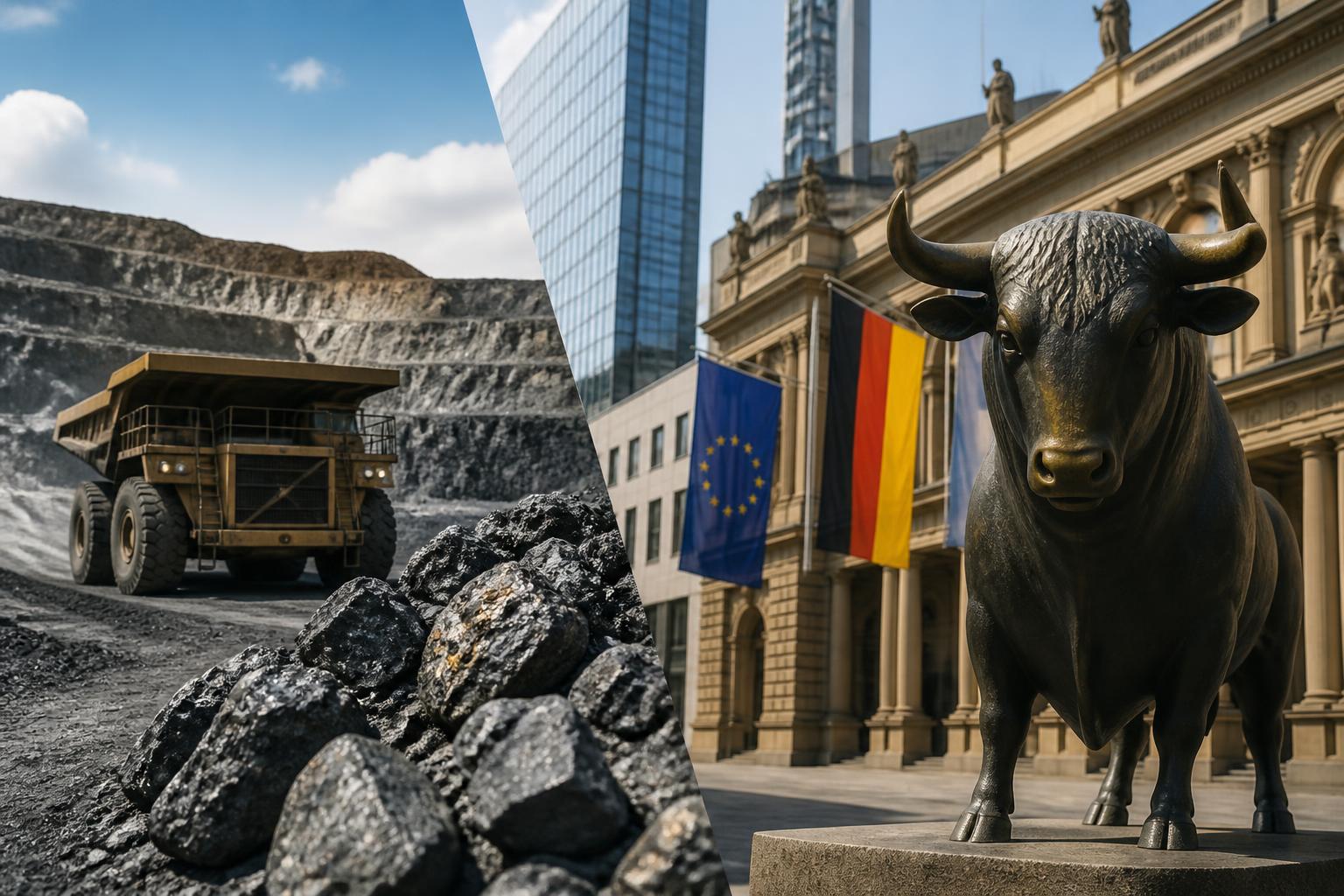
    AMG Critical Materials N.V. has announced plans to apply for a secondary listing of its shares on the Frankfurt Stock Exchange, expected to take effect in 2026. This strategic move aims to broaden the company’s investor base and enhance liquidity for its shares. Dr. Heinz Schimmelbusch, Chairman and CEO of AMG, highlighted that Germany has been integral to AMG’s industrial and technological heritage for over a century. The company operates nine production sites in Germany and has invested significantly in critical materials and technologies, including lithium and catalyst recycling. The Frankfurt listing will complement AMG’s existing primary listing on Euronext Amsterdam, where it has been publicly traded since 2007. AMG does not intend to issue new shares in conjunction with this secondary listing. The company is committed to providing critical materials and technologies to support a less carbon-intensive world, focusing on energy storage materials and advanced metallurgy. With approximately 3,500 employees and operations worldwide, AMG continues to strengthen its position in the critical materials sector, particularly in the lithium and vanadium markets. The company will also provide an information document in compliance with EU regulations regarding the listing.


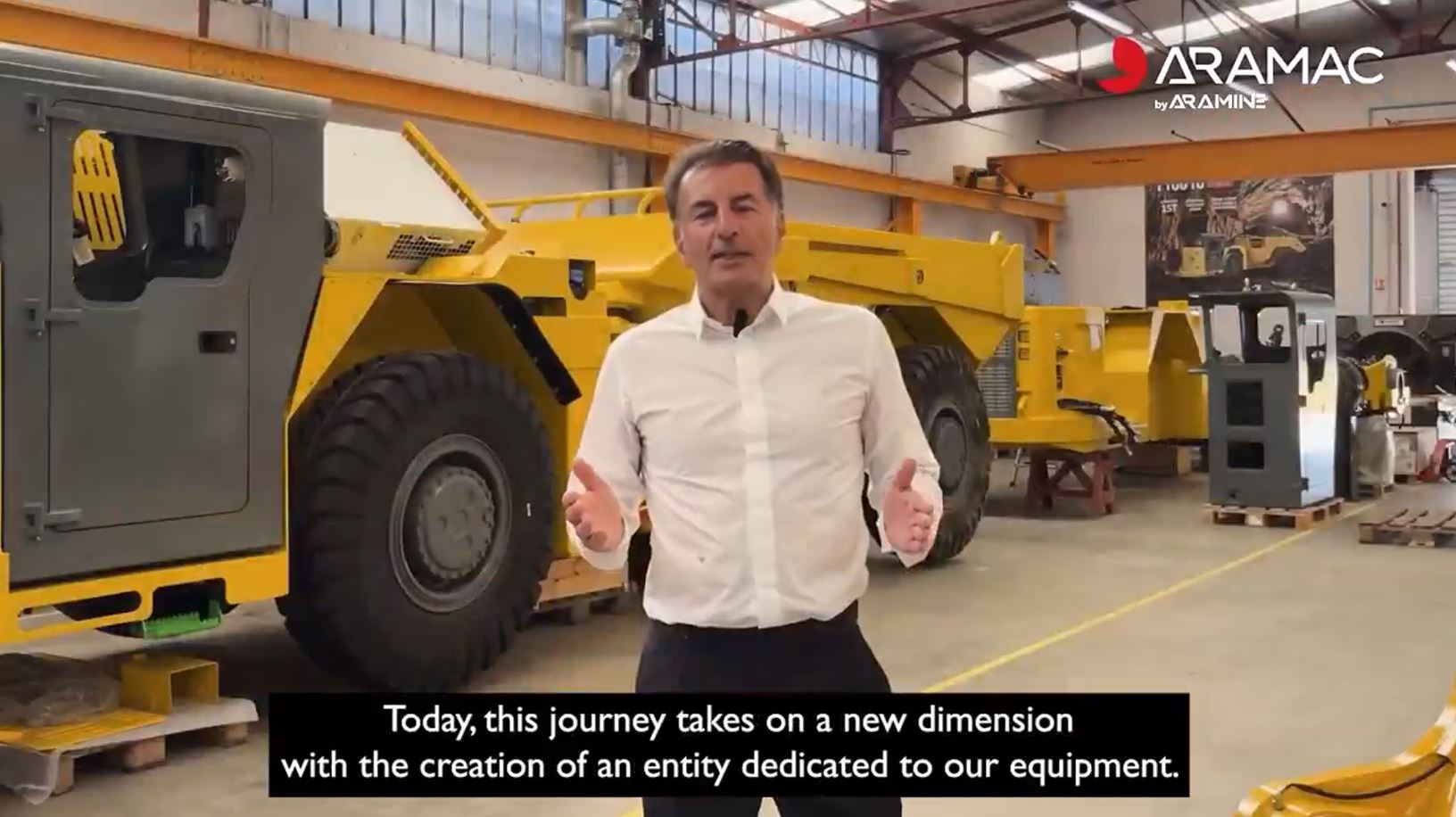
  • Aramin Launches Aramak: A New Era in Underground Mining Equipment

    Aramin Launches Aramak: A New Era in Underground Mining Equipment

    Aramin, a company with over 50 years of experience in supporting underground mines globally, has announced the launch of a new entity, Aramak, dedicated to the development of innovative mining equipment. This venture builds on Aramin’s extensive expertise in spare parts and after-sales service, providing a unique understanding of the needs of underground mining operations worldwide.

    Initially focused on narrow vein mining, Aramin’s journey began with the introduction of the L130A machine in 2008, which aimed to revolutionise the industry with its innovative cable electric technology. Since then, the company has successfully manufactured and delivered over 500 machines across five continents, continuously expanding its product range to meet the evolving demands of its customers. Today, Aramin offers a comprehensive selection of equipment for underground mines, capable of operating in spaces as narrow as 16 metres.

    Innovation remains at the core of Aramin’s operations. In 2016, the company launched its first battery-powered machine, the L140B, which marked a significant milestone in the electrification of underground mining equipment. The current battery-powered range includes three loaders with capacities ranging from 1.3 to 6.2 tons, and the company is set to introduce a new 16-ton capacity battery-powered truck soon. Furthermore, Aramin has already deployed autonomous machines for several clients, showcasing its commitment to leading the future of mining technology.

    The company’s vision extends beyond just equipment manufacturing; it aims to redefine the underground mining landscape with reliable, competitive, and innovative solutions. To support this ambition, Aramin has begun constructing a new headquarters that will integrate offices, a warehouse, and a production facility, significantly increasing its manufacturing capacity. This facility is strategically located on a former mine shaft in Gardan, symbolising a deep-rooted connection to the mining industry.

    As Aramak positions itself as a leader in the narrow vein mining sector, it aspires to become an essential partner for the mines of the future, driving advancements in technology and operational efficiency. With a clear focus on innovation and customer support, Aramin is poised to shape the next generation of underground mining.


  • Metso Partners with GTK to Develop New Pilot Plant for Minerals Processing in Finland

    Metso Partners with GTK to Develop New Pilot Plant for Minerals Processing in Finland

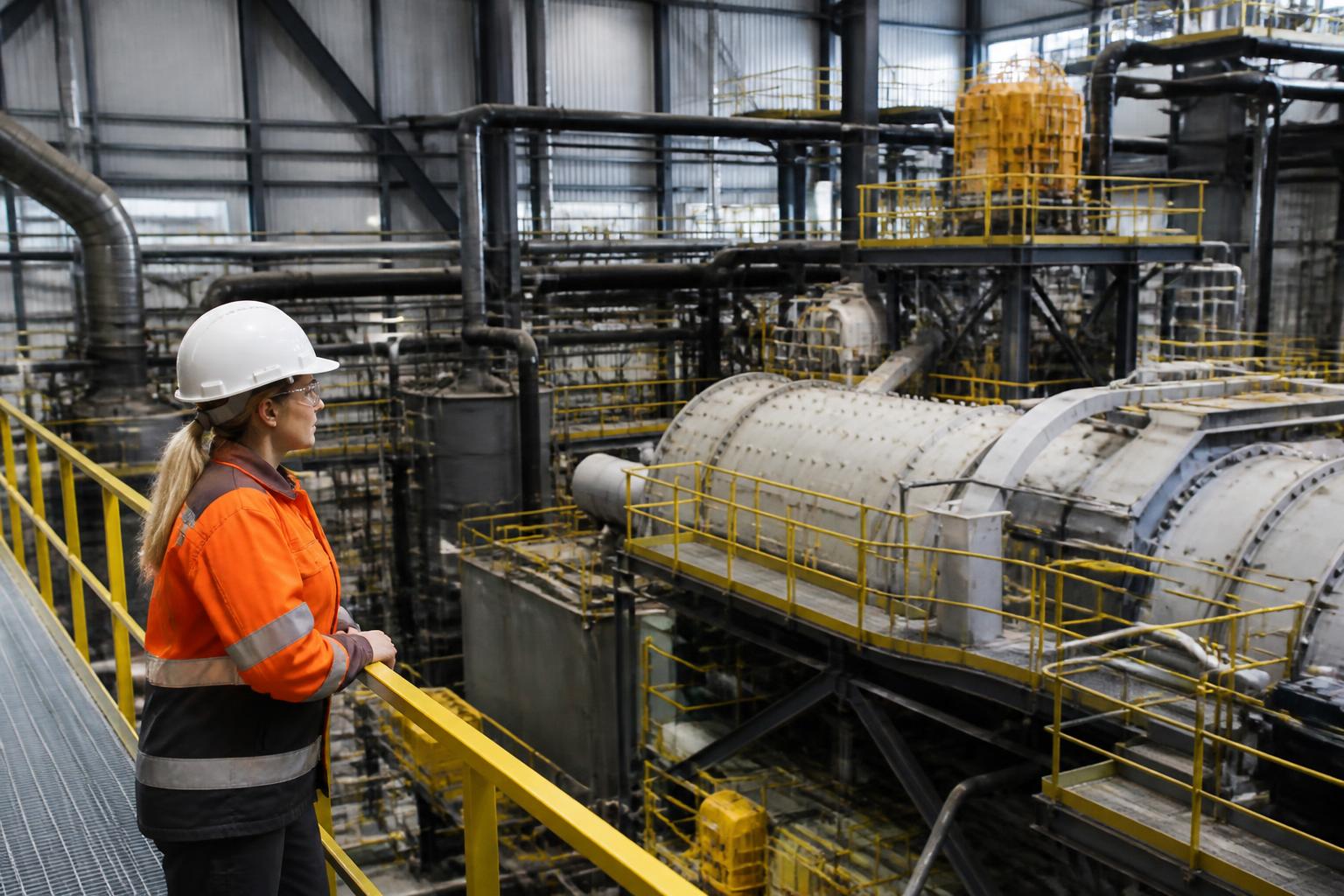
    Metso, a leading industrial machinery and engineering company, has entered into a significant agreement with the Geological Survey of Finland (GTK) to engineer and deliver process technology for GTK Mintec’s new pilot plant located in Outokumpu, Finland. This pilot plant is set to enhance GTK’s research and service offerings for the mining and minerals industry, particularly in the realm of circular economy materials.

    The collaboration between Metso and GTK has been characterised by a long-standing partnership, with the design of the process lines being developed in close cooperation with GTK experts. While the financial details of the order remain undisclosed, it has been recorded in the Minerals segment’s orders for the third quarter of 2026. GTK Mintec aims to have the pilot plant operational by the end of 2028, reinforcing its position as a prominent developer of circular economy and minerals processing solutions on an international scale.

    Saku Vuori, the director-general of GTK, highlighted the importance of this initiative, stating that GTK Mintec is a strategic focus for the organisation. He emphasised that the minerals processing research services are crucial for advancing the circular economy, and this agreement marks a significant advancement in enhancing the services provided to the industry.

    Piia Karhu, president of Metso minerals, echoed these sentiments, noting that the new pilot plant builds upon decades of collaboration between the two entities in developing minerals processing solutions. The facility will serve as an excellent environment for the development and testing of innovative processing and circular economy solutions, aimed at improving resource and energy efficiency within the industry.

    The pilot plant will feature modern facilities for pilot-scale testing and optimisation of various process technologies. It will not only accommodate conventional beneficiation technologies but also focus on energy-efficient solutions that minimise water and chemical consumption. Key technologies to be tested include high pressure grinding rolls, ore sorting, primary grinding circuits, fine grinding technologies, and flotation applications.

    Moreover, the facility will enable the piloting of advanced solutions for side-stream processing, dry stacking of tailings, and closed-loop process water circuits, utilising cutting-edge water treatment and filtration technologies. Metso has confirmed that two process lines with varying capacities will be constructed, allowing for both large-scale plant testing and smaller-scale test work, such as studies using drill core samples in the early stages of mining projects.

    An advanced digitalisation and automation environment will also be integrated into the pilot plant, where process data will be automatically collected from equipment and measurement points throughout the facility. This innovation is expected to expedite the analysis of test results, enhance data quality, and provide customers with more comprehensive reporting capabilities, ultimately supporting the industry’s goals for sustainable and efficient mineral processing.


  • Lithium Ark Secures European Patent for Innovative Lithium Refining Process

    Lithium Ark Secures European Patent for Innovative Lithium Refining Process

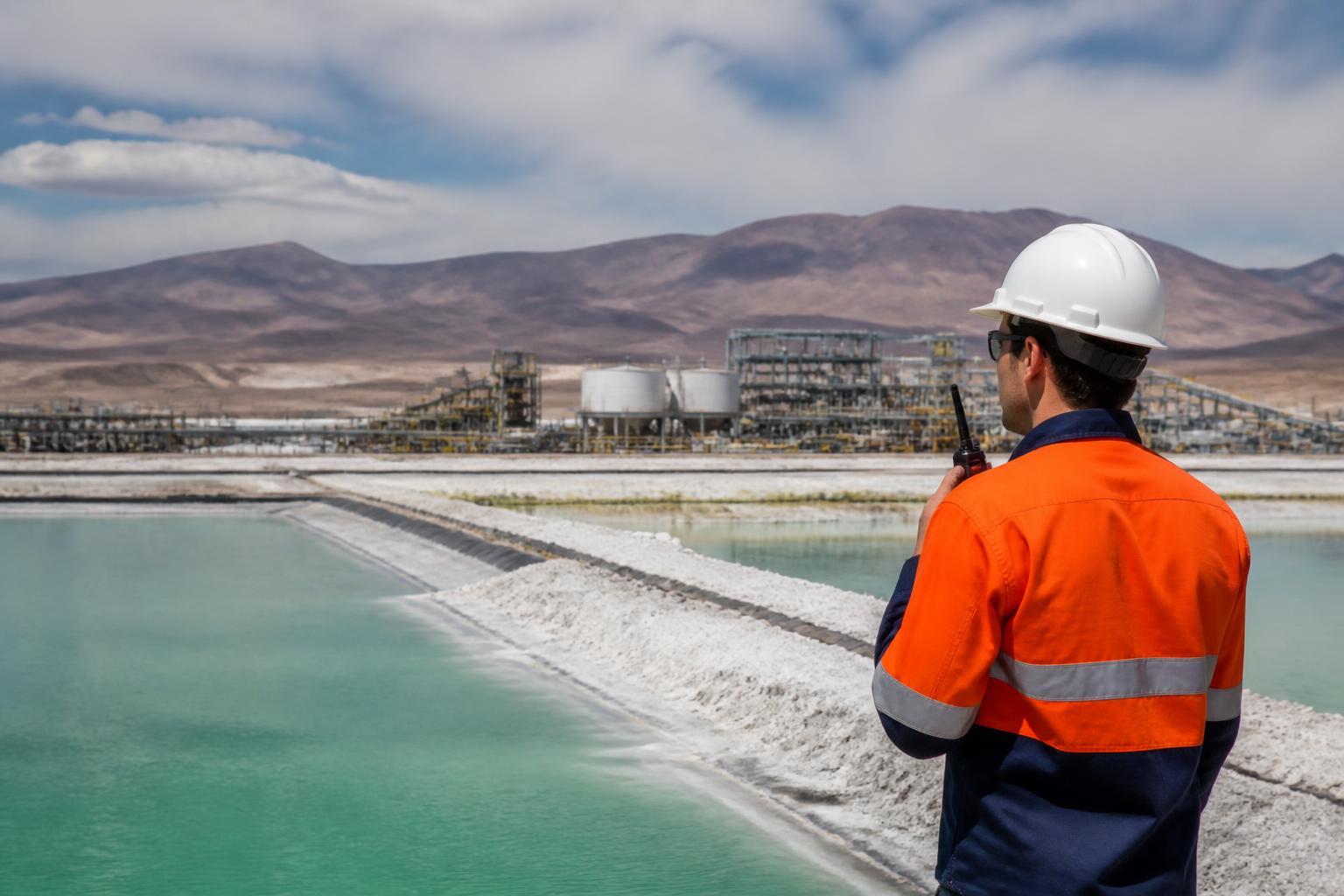
    Lithium Ark, a pioneering technology company in the lithium refining sector, has successfully obtained a European patent for its innovative “Ark Loop” process. This proprietary technology is designed to produce battery-grade lithium hydroxide directly from lithium chloride, whether in solution or crystal form. The significance of this patent lies in its ability to simplify the lithium value chain by eliminating the need to produce, transport, and reconvert lithium carbonate, while still allowing for the production of battery-grade lithium carbonate as required by customers.

    The Ark Loop process not only streamlines operations but also enhances sustainability. By employing a closed-loop system that recycles potassium and eliminates the need for external reagents, the process contributes to a more self-sustaining refining pathway. According to Peter Ehren, co-founder and CTO of Lithium Ark, the re-engineered refining process results in up to 89% lower carbon emissions, a 75% reduction in water consumption, and a 49% decrease in energy use. Additionally, it can cut operational and capital expenditure costs by up to 50%, facilitating faster and more scalable deployment.

    Lithium Ark has also secured patents for its technology in the United States and Chile, making the European patent a crucial milestone as the company progresses towards commercial deployment. The first commercial facility is set to be developed in Antwerp, Belgium, where the Ark Loop technology will be demonstrated at an industrial scale, paving the way for future global expansion.

    The naming of the technology as Ark Loop not only reflects its connection to Lithium Ark but also highlights the circular nature of its underlying chemistry. The removal of soda ash from the refining process is a key factor in achieving significant emissions reductions, further solidifying the importance of this innovation in the lithium refining landscape. As Lithium Ark moves closer to commercial deployment, the Ark Loop process is poised to deliver cleaner, lower-cost, and more efficient lithium refining solutions on a global scale.


  • Mundoro Capital Inc. Reports Positive Exploration Results and Financial Update for Q2 2026

    Mundoro Capital Inc. Reports Positive Exploration Results and Financial Update for Q2 2026

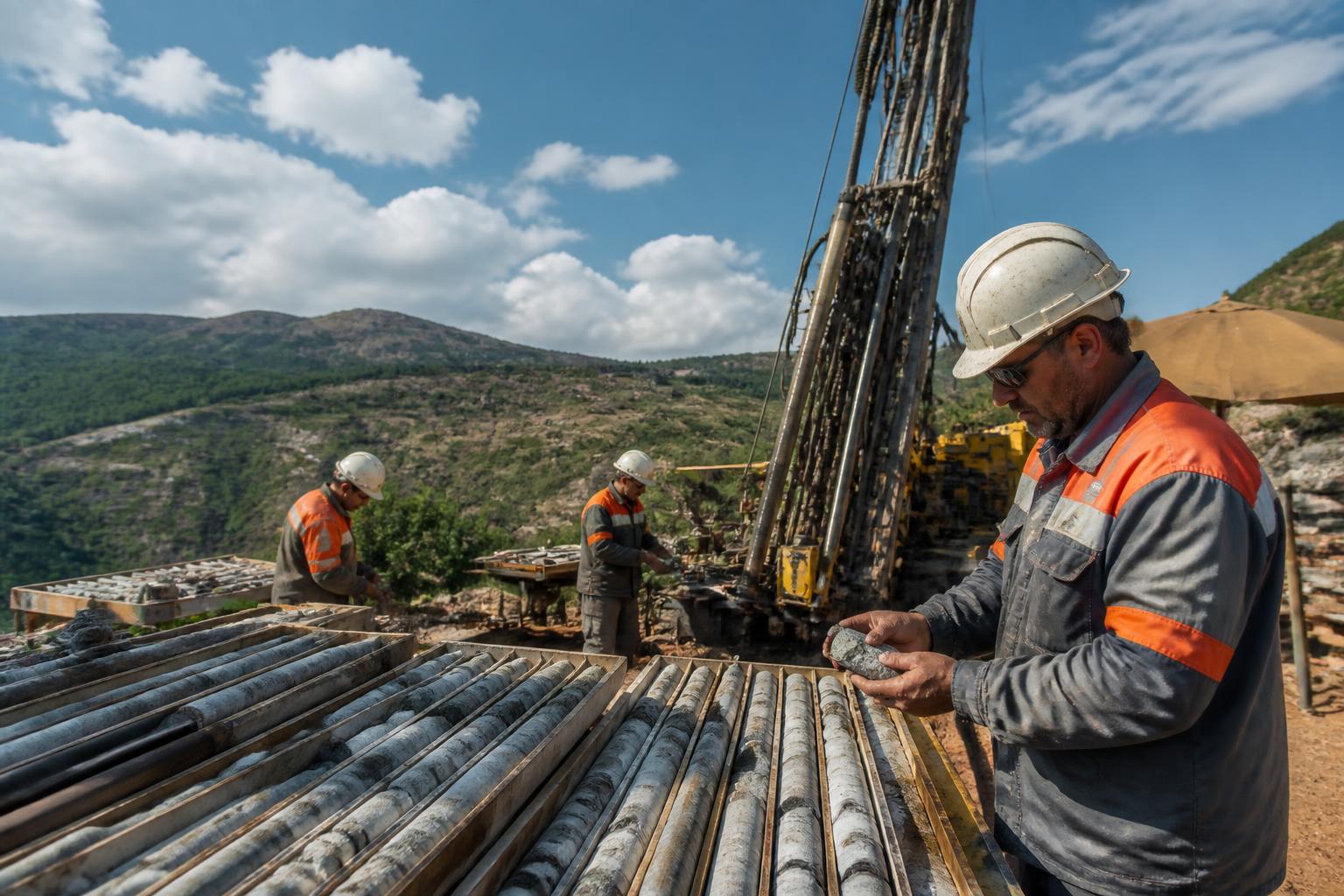
    Mundoro Capital Inc., a Vancouver-based mining company, has released an update on its exploration program results and financial performance for the second quarter and six-month period ending June 30, 2026. The company is focusing on generating new property opportunities, particularly in Serbia, while also reducing corporate expenses by 24%. CEO Teo Dechev highlighted the strategic shift towards their Arizona copper assets, with upcoming drill tests planned for the Vitanovac target and advancements in the Borsko drill target in Bulgaria.

    The exploration highlights include the completion of drilling at Skorusa East, with assays received for two significant drill holes, 26-SKO-08 and 26-SKO-09. The company has also initiated new hyperspectral core scanning and petrophysical sampling to enhance their geological understanding. Formal drill proposals have been established for three prospective areas: Borsko, Skoursa East, and Skorusa West, with a focus on refining targets and delineating potential porphyry sources.

    In terms of financial performance, Mundoro reported a fee income of $251,009 for Q2 2026, a significant increase compared to $120,497 in the same quarter of the previous year. Exploration expenditures rose to $2,513,992, reflecting the company’s commitment to advancing its exploration projects. Corporate expenses decreased to $281,162, contributing to a net loss of $325,340 for the quarter, which is an improvement from the previous year’s loss of $540,377.

    Mundoro’s exploration efforts are primarily concentrated in Eastern Serbia, particularly within the Timok Magmatic Complex, known for its copper-gold deposits. The company is also advancing its projects in Arizona, where it has identified several prospective intrusions. The ongoing generative work aims to create long-term royalty opportunities and further property payments through the optioning of mineral projects.

    The company remains focused on refining its geological models and establishing formal drill proposals for its various targets, including the Borsko, Trstenik, and South Timok Corridor projects. Despite facing delays in the permitting process for its EE1 Project in Bulgaria, Mundoro is committed to advancing its exploration initiatives and unlocking the potential of its mineral properties.


  • JENNMAR Partners with Outokumpu to Enhance Operations at Kemi Mine in Finland

    JENNMAR Partners with Outokumpu to Enhance Operations at Kemi Mine in Finland

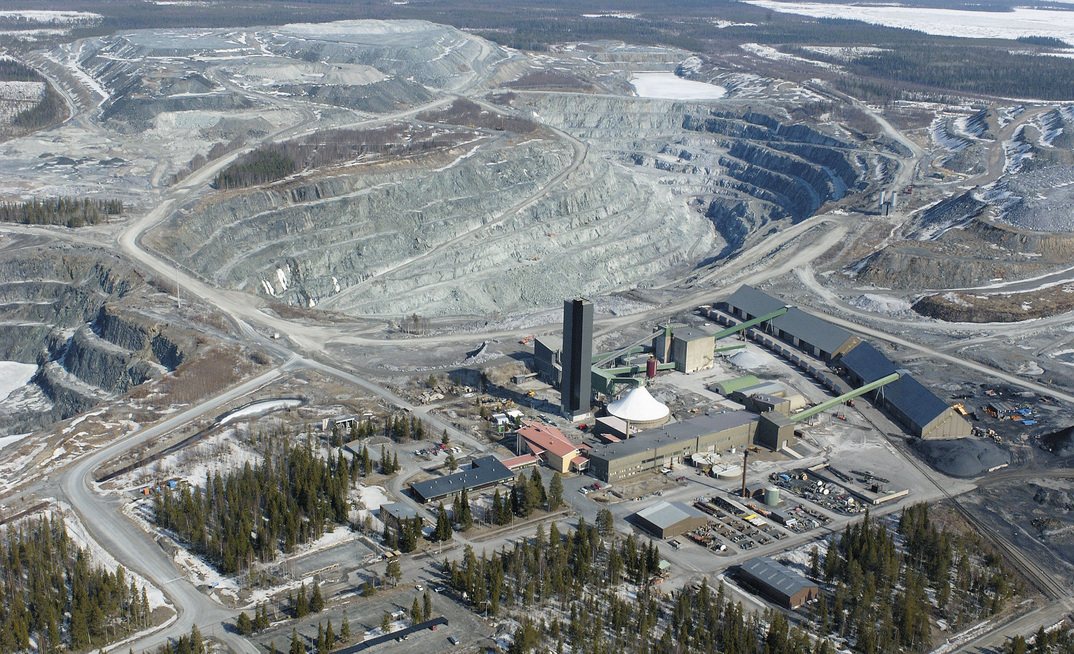
    JENNMAR, a prominent services and infrastructure provider, has announced a significant long-term partnership with Outokumpu, a leading stainless steel manufacturer and miner, to supply ground control products for the Kemi Mine. This mine is not only the largest underground mine in Finland but also holds the distinction of being Europe’s only operational chrome mine. The collaboration aims to enhance operational efficiency and streamline commercial transactions between JENNMAR and Outokumpu’s management teams.

    To facilitate this partnership, JENNMAR has established a new entity, Jennmar Finland, which is specifically designed to improve the efficiency of business dealings related to the Kemi Mine. This strategic move underscores JENNMAR’s commitment to supporting one of Europe’s most significant mining operations. Mike Petkovich, President of Jennmar Europe, expressed enthusiasm about the partnership, highlighting the Kemi Mine’s stature as an impressive mining operation and an excellent opportunity for JENNMAR to showcase its extensive range of products and technical capabilities in the region.

    The Kemi Mine, known for its rich chrome deposits, plays a crucial role in the European mining landscape. The partnership with JENNMAR is expected to bolster Outokumpu’s operational capabilities, ensuring that the mine continues to meet the growing demand for chrome in various industries. As the mining sector increasingly focuses on efficiency and sustainability, collaborations like this one are vital for driving innovation and enhancing productivity in the industry.

    Overall, this partnership marks a significant development in the Finnish mining sector, reflecting the ongoing evolution of mining operations in Europe and the importance of strategic alliances in achieving operational excellence. JENNMAR’s expertise in ground control products will be instrumental in supporting the Kemi Mine’s operations, paving the way for future advancements in mining technology and practices.


  • Minrex Resources Reports High-Grade Gold Discoveries at Barje Deposit in Serbia

    Minrex Resources Reports High-Grade Gold Discoveries at Barje Deposit in Serbia

    Minrex Resources has announced promising initial assay results from its 2026 drilling programme at the Barje deposit, a key component of the Tlamino gold-silver project in Serbia. The results highlight the potential for low-cost, high-margin growth, confirming the presence of shallow, high-grade gold and silver mineralisation. All nine holes drilled within the resource envelope intersected gold-silver, with the deposit estimated to contain 670,000 ounces of gold equivalent. The company has expanded its drill programme to approximately 9,000 metres to further explore both resource delineation and greenfield opportunities.

    CEO Max Piirto expressed confidence in the results, stating that they validate the geological model and demonstrate the continuity of high-grade mineralisation. Significant intercepts include 11.4 metres at 1.09 grams per tonne (g/t) gold equivalent from surface, and 10.6 metres at 4.04 g/t from a depth of 37.1 metres. The Barje deposit’s high-grade zone, which contains 470,000 ounces at 4.7 g/t, is particularly noteworthy, as it represents around 70% of the total resource despite comprising only 45% of the tonnage.

    The drilling results have also revealed that most mineralisation is located within 60 vertical metres of the surface, which is advantageous for future mining operations. Minrex is currently drilling into the deeper, thicker parts of the deposit and has expanded its greenfield programme to test the Barje-Liska corridor, a promising area that has not been systematically drilled before.

    In addition to the drilling activities, Minrex has initiated an environmental baseline study to support its permitting process, which is crucial for the development timeline of the project. The company is moving quickly, having only recently acquired the Barje asset, and aims to confirm the continuity of the mineralised system along the corridor.

    As the drilling programme progresses, assays for fourteen additional holes are pending, with results expected in September. The company’s strategic approach aims to replicate the success of the Barje deposit along the corridor, marking a significant step forward in Minrex’s exploration efforts in Serbia.