Website: Europe.com

  • Ukraine: NGZ transferred to state management

    Ukraine: NGZ transferred to state management

    Mykolaiv Alumina Plant, which used to belong to Rusal, has been transferred to the management of the State Property Fund of Ukraine.

    “The nationalization of another asset of the Russian oligarch Oleg Deripaska has been completed,” the Fund said.

    Deripaska has been controlling NGZ since the early 2000s. This is one of the largest enterprises of non-ferrous metallurgy in Europe. Since 2022, its operation has been suspended.

  • The China Chamber of Commerce response to the Approval of the Critical Raw Materials Act (CRMA)

    The China Chamber of Commerce response to the Approval of the Critical Raw Materials Act (CRMA)

    The China Chamber of Commerce to the European Union (CCCEU) on Tuesday urged the EU not to disrupt global critical raw materials supply chains and value chains through non-market measures following the bloc’s approval of the Critical Raw Materials Act.

    The Act, adopted by the Council of the EU on Monday, identifies two lists of materials including 34 critical ones and 17 strategic ones. It aims for the EU to extract 10 per cent, recycle 25 per cent, and process 40 per cent of its annual needs for the materials, which notably encompass lithium and nickel, by 2030.

    The CCCEU said that while understanding the EU’s aim to enhance supply chain resilience, it urged the bloc not to disrupt global critical raw materials supply chains and value chains through non-market means to not affect the green and digital economic transformation.

    The chamber highlighted the vast room for cooperation between China and the EU, stressing that “dependence is mutual.”

    It urged the EU to objectively evaluate both sides’ positions in the global supply chain, refrain from politicizing trade issues, reduce market access barriers, encourage dialogue and cooperation, and provide a fair, non-discriminatory business environment for Chinese enterprises.

    The Brussels-based CCCEU represents over 1,000 Chinese companies operating across the EU, with chambers in EU member states.

  • Serbia Initiates Development of Mineral Resource Management Strategy for 2025-2040

    Serbia Initiates Development of Mineral Resource Management Strategy for 2025-2040

    Serbia has commenced the formulation of a comprehensive Strategy spanning from 2025 to 2040 aimed at managing the nation’s mineral and geological resources. Dubravka Djedovic Handanovic, the Minister of Energy, led the inaugural meeting in Belgrade, engaging with representatives from the Geology faculty to kickstart this pivotal initiative, as reported by the “Beta” press agency. Minister Djedovic Handanovic emphasized the necessity for the forthcoming document to conduct a thorough analysis of the current state of all mineral resources, outlining a trajectory from present circumstances towards future aspirations. The objective is to propose measures that enhance control and management of mineral development, ensuring maximal economic benefits while minimizing environmental damage.

    According to the minister, the Strategy is slated for completion “in the next nine months,” signifying a commitment to expedited progress in this critical area. Djedovic Handanovic highlighted Serbia’s historical reliance on mining for development, noting the absence of a coherent contemporary strategy in this domain. To address this gap, the drafting process will engage 50 professors and collaborators from the Faculty of Geology, tasked with integrating global best practices and cutting-edge technological solutions to foster sustainable mining practices.

    Minister Djedovic Handanovic stressed the importance of empowering professionals throughout this process, emphasizing their expertise and pivotal role in shaping the Strategy’s outcomes.

  • European Union Enacts Critical Raw Materials Act Amid Controversy Over Social and Environmental Impact

    European Union Enacts Critical Raw Materials Act Amid Controversy Over Social and Environmental Impact

    In a move towards achieving strategic autonomy, the European Union has implemented the Critical Raw Materials Act (CRMA) after facing significant delays in the final stages. However, lead legislators from the European Parliament express dissatisfaction with the ultimate provisions governing social and environmental considerations. The CRMA, adopted by the Council of the EU, aims to secure and sustainably diversify critical raw material supplies, aligning with Brussels’ vision of strategic autonomy.

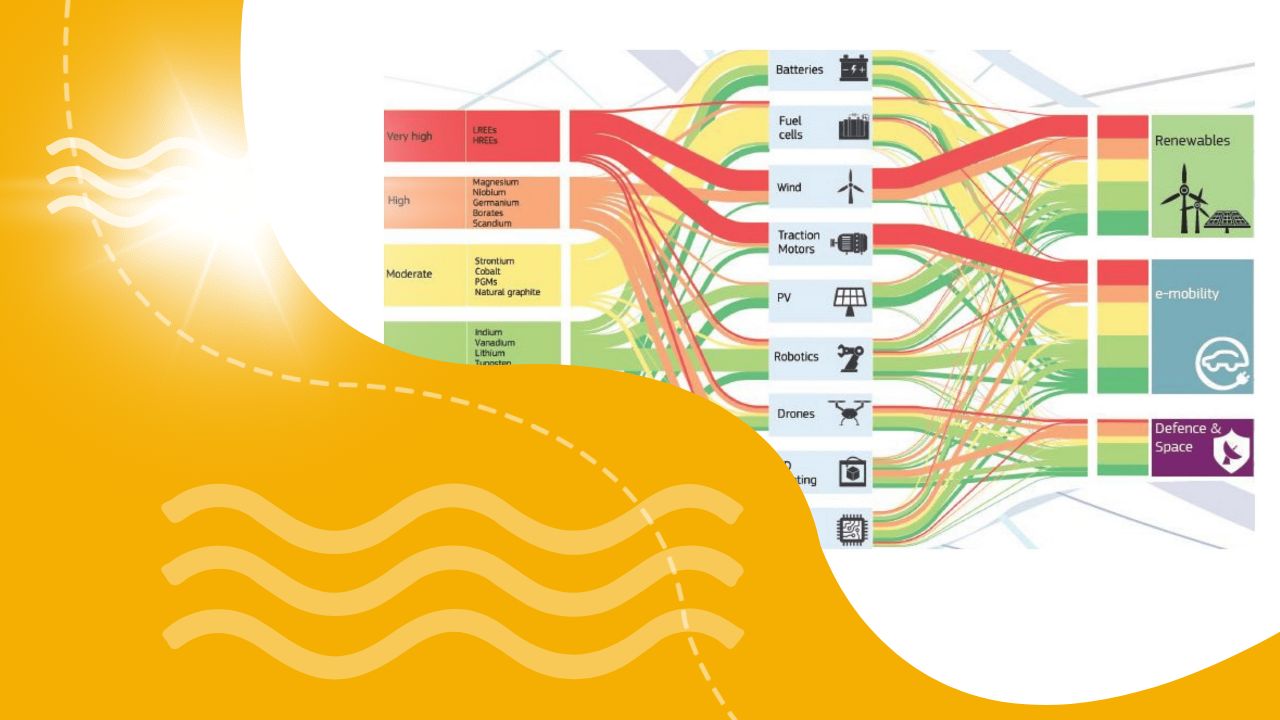
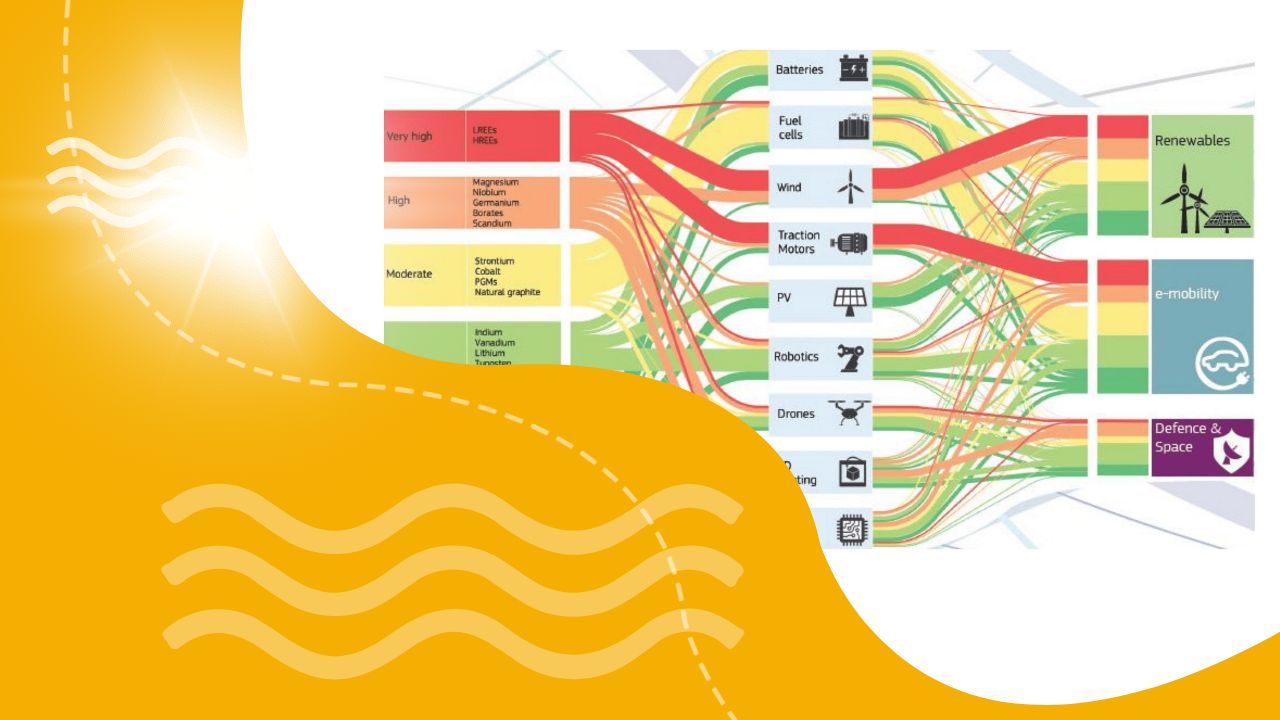
    Critical raw materials, characterized by their economic significance and vulnerability to supply disruptions, are essential for various industrial sectors. The legislation, which includes measures to bolster circularity and recycling, underscores the EU’s ambition for reindustrialization and technological advancement, particularly in areas such as renewable energy and defense.

    While proponents of the CRMA highlight its potential to advance climate and environmental objectives, critics raise concerns about potential ecosystem damage and adverse impacts on local communities, both within the EU and in supplier nations. Despite attempts to incorporate safeguards for community involvement and indigenous rights, certain provisions, such as explicit recognition of free, prior, and informed consent (FPIC), remain contentious due to resistance from the council.

    The CRMA sets ambitious benchmarks for the EU’s consumption, including targets for local extraction, processing within the bloc, and utilization of recycled materials. However, the EU acknowledges its dependence on external sources for critical materials, with some, like heavy rare earth elements, heavily reliant on single countries such as China.

    Notably, the Act streamlines permitting processes for strategic projects, setting a deadline of 27 months for extraction proposals. This expedited timeline contrasts with shorter deadlines for recycling and processing initiatives.

    The CRMA also fosters strategic partnerships with select countries to mitigate reliance on specific suppliers. Already, agreements have been signed with several nations, including Chile, Ukraine, and Canada, while negotiations with others, such as Norway and Serbia, are underway.
  • Poland Requests Extension of EU Coal Plant Subsidies Until 2028 Amid Transition to Nuclear Energy

    Poland Requests Extension of EU Coal Plant Subsidies Until 2028 Amid Transition to Nuclear Energy

    Poland, in a bid to facilitate its transition to nuclear energy by the next decade, is seeking an extension of EU rules permitting coal plant subsidies until 2028. Maciej Bando, the deputy climate minister responsible for strategic energy infrastructure, emphasized the necessity of coal power generation until nuclear facilities become operational. With coal currently contributing 60% of electricity output and serving as a backup for intermittent renewable sources, Warsaw aims to have its first large-scale nuclear plant operational by 2033. Bando highlighted the potential collaboration among EU nations seeking support for their energy assets, citing Germany’s pursuit of EU approval for gas plant subsidies. Despite plans for a floating liquefied natural gas terminal in Gdansk, Bando suggested its expansion might not be necessary until after 2030 due to lower demand projections.

  • EU Approves Critical Raw Materials Act to Boost Domestic Mining

    EU Approves Critical Raw Materials Act to Boost Domestic Mining

    In a significant move aimed at securing critical raw materials for green technologies, European Union governments have given their nod to the Critical Raw Materials Act (CRMA), despite some reservations from lawmakers regarding community protection. The CRMA, proposed by the European Commission to lessen reliance on foreign suppliers and propel the European Green Deal, designates 34 critical and 17 strategic raw materials as essential for the EU’s green and digital transitions, as well as for defense and space industries.

    Under the CRMA, extraction projects will be fast-tracked with permits to be issued within a maximum of 27 months, while recycling and processing projects will receive permits within 15 months. While MEPs like Henrike Hahn acknowledge the urgency of securing critical materials for industries producing essential goods, concerns remain over the lack of explicit community consent provisions.

    Lawmakers like Cornelia Ernst express mixed feelings about the final legislation, emphasizing the need to balance domestic mining with environmental and social concerns. Despite these reservations, Flemish Minister Jo Brouns lauds the CRMA as a crucial step towards strategic autonomy, highlighting its potential to bolster the mining sector, create jobs, and align industries with green and digital transitions.

    However, Roger Doome of the Industrial Minerals Association Europe suggests broadening the CRMA’s scope and enhancing permitting procedures to ensure swift implementation. Meanwhile, the European Commission is actively pursuing partnerships with mineral-rich nations like Chile, Greenland, and Ukraine to diversify supply and bolster the continent’s critical raw materials inventory.

  • EU Commission President Visits Greenland Amid Rising Strategic Importance

    EU Commission President Visits Greenland Amid Rising Strategic Importance

    Ursula von der Leyen, President of the European Commission, is embarking on a significant journey to Greenland, reflecting the escalating significance of the region due to factors like melting Arctic ice, the demand for green-technology raw materials, and growing competition from China. Despite not being a part of the EU, Greenland holds substantial interest for Brussels, particularly for its abundance of raw materials, believed to encompass 25 out of the 34 materials deemed essential by the EU.

    Von der Leyen’s visit, alongside Danish Prime Minister Mette Frederiksen, entails stops in the Faroe Islands before heading to Greenland to inaugurate a new EU Commission office in Nuuk. This diplomatic excursion aligns with Von der Leyen’s reelection aspirations and follows calls for accelerated green efforts within the EU after recent elections, as highlighted by the EU’s climate chief, Wopke Hoekstra.

    Tomas Baert, Von der Leyen’s special adviser on trade and international partnerships, emphasized Greenland’s significance in providing critical raw materials essential for the EU’s green transition. He underscored the need for partnerships to harness Greenland’s vast potential, acknowledging the geopolitical implications of China’s extraction-focused approach in contrast to the EU’s collaborative model.

    The establishment of the EU Commission office in Greenland underscores the EU’s commitment to bilateral cooperation, as articulated by Naaja H Nathanielsen, Greenland’s minister for business, trade, and raw materials. Nathanielsen highlighted the mutual benefits of cooperation, emphasizing Greenland’s need for external support to develop its mineral sector, crucial for economic diversification alongside traditional sectors like fishing.

    Amidst this geopolitical backdrop, the visit also coincides with critical developments in Denmark’s relationship with Greenland, amidst a growing independence movement and concerns over historical violations, including the forced sterilization of women and girls. While addressing these sensitive issues remains unresolved, the trip underscores the complex dynamics shaping the region’s future.

  • Poland’s Turów Coal Mine Closure Sparks Debate on Environmental Policy and Economic Stability

    Poland’s Turów Coal Mine Closure Sparks Debate on Environmental Policy and Economic Stability

    Poland finds itself at a critical juncture as it grapples with the impending closure of the Turów coal mine, a decision fraught with implications for both environmental sustainability and economic prosperity. Prominent Members of the European Parliament from Poland’s Law and Justice party, Anna Zalewska and Dominik Tarczyński, have vehemently opposed a recent court ruling mandating the mine’s closure, attributing it to the stringent environmental regulations of the European Green Deal. This development has ignited a heated debate, highlighting the intricate balance between judicial decisions, environmental policy, and economic interests.

    Unveiling the Controversy: Turów Mine’s Closure The closure order stems from a court decision that invalidated the environmental permit for the Turów coal mine in Poland’s Dolnośląskie region. Central to the ruling was the absence of a Polish-Czech agreement within the permit, raising concerns over the potential influence of political agendas on judicial proceedings. This decision not only raises doubts about Poland’s energy security but also triggers discussions on the judiciary’s role in shaping environmental policy amidst the backdrop of the European Green Deal’s demands.

    Political Rhetoric vs. Action: A Closer Look at the Opposition The Law and Justice party’s opposition extends beyond the mine’s closure, accusing opposition parties of hypocrisy regarding environmental concerns. They criticize what they perceive as a gap between public statements advocating for Polish farmers and energy security and actions taken in the European Parliament, particularly concerning trade policies with Ukraine. This exposes the complexities of domestic politics conflicting with international obligations, further complicating discussions surrounding the European Green Deal’s implications for Poland.

    Energy Security and Economic Interests at Stake Amidst these challenges, Zalewska and Tarczyński call for urgent measures to safeguard Poland’s energy security and economic stability. Their demands resonate with a considerable portion of the population and industry stakeholders who fear the economic fallout of stringent environmental regulations. The ongoing debate underscores the uncertainty surrounding Poland’s energy policy and its alignment with environmental sustainability objectives, posing critical questions about balancing economic growth with environmental protection.

  • Serbia’s Mining and Energy Minister Unveils Ambitious Energy Plans

    Serbia’s Mining and Energy Minister Unveils Ambitious Energy Plans

    Serbia’s Minister of Mining and Energy, Dubravka Đedović Handanović, has announced a significant investment of EUR 400 million in the rejuvenation of four state-owned hydropower plants operated by the power utility EPS. In addition, international financial institutions are posing challenges to gas investments, prompting the government to focus on renewable energy sources such as wind and solar power, with auctions scheduled for when the market is deemed ready.

    Handanović recently engaged in discussions with a delegation from the International Monetary Fund (IMF) to review Serbia’s standby agreement, emphasizing the importance of investments, energy sector reforms, and strategies to enhance energy security and diversify energy sources.

    “In our commitment to the decarbonization of the energy sector, it’s crucial for the government to act responsibly and ensure supply security while enhancing energy independence,” Handanović emphasized. She stressed the necessity of significant government investment to achieve decarbonization goals set forth in international agreements.

    Furthermore, Handanović highlighted the imminent completion of the desulfurization system at the TENT A coal-fired power plant, marking a significant environmental milestone. She also disclosed ongoing negotiations with Hyundai Engineering and UGT Renewables for a strategic partnership aimed at improving energy enterprise efficiency.

    Anticipating the commissioning of the new coal plant, Kostolac B3, Handanović outlined plans for additional renewable energy projects, including the construction of solar power plants with battery storage, with intentions to transfer these systems to EPS.

    The minister’s vision includes the swift completion of the Kostolac B3 coal plant and the inauguration of EPS’s first wind park in Kostolac by the first half of the following year. Additionally, progress has been made in preparing for the construction of the Bistrica pumped storage hydropower plant.

    Handanović also addressed plans for gas interconnections with North Macedonia and Romania as a priority for natural gas supply diversification. Despite challenges in securing financing for gas projects, collaboration with energy entities like Elektroprivreda Srbije and Srbijagas is ongoing to develop flexible pricing methodologies in response to market dynamics.

  • Министерство промышленности и строительства запускает пилотный проект по отчетности

    Министерство промышленности и строительства запускает пилотный проект по отчетности

    В значимом шаге по оптимизации процессов отчетности Министерство промышленности и строительства Республики Казахстан начало пилотный проект 5 марта 2024 года. Этот проект направлен на упрощение подачи отчетов со стороны пользователей недр через единую платформу “Minerals.gov.kz”, как сообщает DKNews.kz. В рамках этой инициативы пользователи недр обязаны предоставлять отчеты о своих операциях по разведке и добыче в соответствии с Правилами предоставления отчетов пользователями недр во время операций по разведке и добыче, утвержденными Министром по инвестициям и развитию Республики Казахстан 24 мая 2018 года приказом № 374.

    Пилотный проект позволяет пользователям недр, занимающимся операциями по разведке и добыче, представлять различные виды отчетов в электронном виде. Эти отчеты включают отчеты о соблюдении лицензионных обязательств по разведке твердых минеральных ресурсов в соответствии с формой, предусмотренной в Приложении 1 к Правилам, а также отчеты о соблюдении лицензионных обязательств по добыче твердых минеральных ресурсов в соответствии с формой, предусмотренной в Приложении 2 к Правилам. Пользователи недр должны заполнять электронные формы на электронной платформе “Minerals.gov.kz” и подтверждать их с помощью электронной цифровой подписи уполномоченного представителя, уполномоченного предоставлять такую ​​информацию.