Website: Europe.com

  • Ministry of Industry and Construction Launches Pilot Project

    Ministry of Industry and Construction Launches Pilot Project

    In a significant move towards streamlining reporting processes, the Ministry of Industry and Construction of the Republic of Kazakhstan initiated a pilot project on March 5, 2024. This project aims to facilitate the submission of reports by subsoil users through a unified platform known as “Minerals.gov.kz”. Under this initiative, subsoil users are required to submit reports concerning their exploration and extraction operations in accordance with the Regulations for the Submission of Reports by Subsoil Users During Exploration and Extraction Operations, approved by the Minister for Investments and Development of the Republic of Kazakhstan on May 24, 2018, under Order No. 374.

    The pilot project enables subsoil users engaged in exploration and extraction operations to submit various types of reports electronically. These reports include compliance reports on exploration of solid minerals, as per the format outlined in Appendix 1 of the Regulations, and compliance reports on extraction of solid minerals, as per the format outlined in Appendix 2 of the Regulations. Subsoil users are required to fill out electronic forms available on the “Minerals.gov.kz” e-platform and authenticate them using the electronic digital signature of an authorized representative empowered to provide such information.

  • Eurobattery Minerals AB Confirms Favorable Bedrock Conditions for Mining Operations in Finnish Hautalampi Project

    Eurobattery Minerals AB Confirms Favorable Bedrock Conditions for Mining Operations in Finnish Hautalampi Project

    Eurobattery Minerals AB, a mining company listed on the Swedish Nordic Growth Market (BAT) and German Börse Stuttgart (EBM), has announced positive research results regarding the bedrock conditions at its Hautalampi battery minerals mine project in Finland.

    The research, conducted as part of the environmental permit process, aimed to assess potential risks associated with groundwater movement in shear zones within the mine and deposit area. The analysis concluded that the shear zones align with the bedrock geology and revealed no significant dominant shear zones, indicating favorable conditions for future mining operations at Hautalampi.

    CEO Roberto García Martínez expressed confidence in the project’s prospects, citing the favorable geology as a key factor. He emphasized that the results further support Eurobattery Minerals’ goal of responsibly mining battery minerals to contribute to Europe’s self-sufficiency in critical raw materials for cleaner energy solutions.

    Eurobattery Minerals focuses on advancing nickel-cobalt-copper projects across Europe to address the growing demand for battery minerals and support the transition to sustainable energy.

  • Ukrainian Steel Industry Embraces Digital Transformation for Environmental Sustainability

    Ukrainian Steel Industry Embraces Digital Transformation for Environmental Sustainability

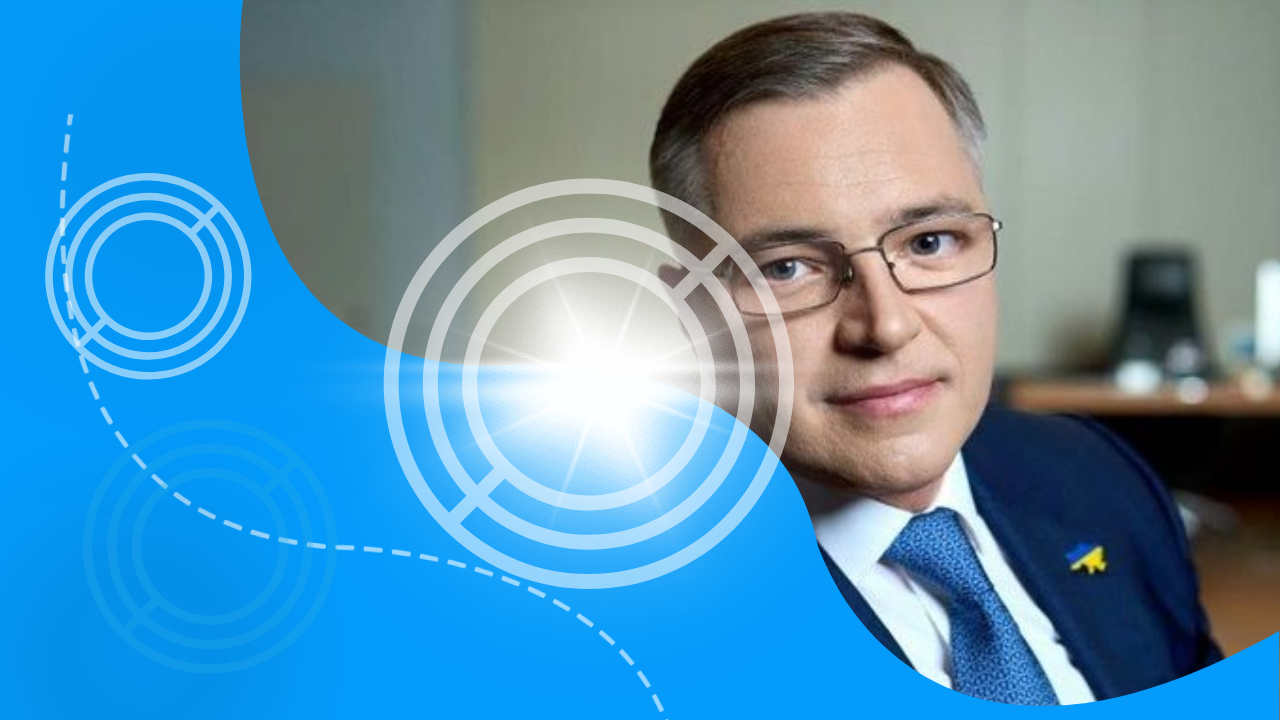
    In a bid to enhance environmental sustainability, Yuriy Ryzhenkov, CEO of Metinvest Group, emphasizes the pivotal role of digital technologies in revolutionizing the Ukrainian steel industry. Speaking at the B7 Italy 2024 conference, Ryzhenkov highlighted the transformative potential of IT and artificial intelligence (AI) in steering traditional sectors towards greener practices.

    Ryzhenkov underscored the remarkable strides made by the Ukrainian steel sector, leveraging AI and analytics to bolster process efficiency. Notably, Azovstal surpassed competitors in 2021, courtesy of AI applications, while augmented reality expedited maintenance tasks and advanced computer vision systems elevated product quality standards. Despite the challenges posed by geopolitical tensions, internal data management systems ensured operational continuity during tumultuous times.

    Acknowledging the global momentum towards environmental initiatives like the Green Deal, Ryzhenkov emphasized the indispensable role of metallurgy in this trajectory. While the industry grapples with traditional frameworks, digitalization emerges as a catalyst for fostering sustainability, efficiency, and competitiveness. Ryzhenkov stressed the necessity of integrating digital and green transitions within heavy industries to align with evolving global paradigms.

    However, Ryzhenkov cautioned against the inherent challenges in navigating this transition, citing a shortage of IT specialists adept at facilitating transformation. The evolving landscape necessitates a paradigm shift in talent acquisition, with Metinvest now training IT professionals to spearhead green and digital initiatives, marking a significant departure from conventional recruitment strategies.

    The B7 Italy 2024 conference, hosted by Confindustria, provided a platform for dialogue among G7 nations’ businesses and governments, amplifying discussions on sustainable industrial practices. Amidst geopolitical uncertainties, Ryzhenkov reaffirmed Metinvest’s unwavering commitment to green strategies, aligning with Ukraine’s accelerated pursuit of EU integration.

  • U.S. House Passes Ban on Russian Uranium Imports: What’s at Stake?

    U.S. House Passes Ban on Russian Uranium Imports: What’s at Stake?

    The U.S. House of Representatives has greenlit a ban on imports of Russian uranium, shedding light on America’s reliance on foreign nuclear fuel. The bill, now pending Senate approval, amplifies discussions on energy security and geopolitical tensions.

    Visualizing U.S. Dependence on Russian Uranium: Utilizing data from the United States Energy Information Administration (EIA), we present a visual depiction of the extent to which the U.S. leans on Russian uranium imports, underscoring the significance of the legislative move.

    U.S. Uranium Suppliers and Global Dependencies: Despite sanctions imposed on Russian oil and gas post-Ukraine invasion, the U.S. continues to import Russian-enriched uranium, highlighting complex geopolitical dynamics. Russia stands as the principal foreign supplier of nuclear fuel to the U.S., with its imports fueling a substantial portion of America’s commercial reactors. While European nations and the Urenco consortium contribute, a significant share of global allies also rely on Russian uranium, complicating diplomatic relations.

    Financial Implications and Energy Landscape: In 2023, the U.S. nuclear sector disbursed over $800 million to Russia’s Rosatom, emphasizing the economic entanglement. Notably, nuclear power accounts for 19% of U.S. electricity, magnifying the significance of secure fuel sources. The roots of this dependence trace back to the 1990s, emphasizing historical contexts.

    Plans for Domestic Expansion: To mitigate reliance on Russian imports, the Biden administration proposes allocating $2.2 billion for expanding domestic uranium enrichment capacities—a strategic maneuver amid escalating tensions.

  • Landmark Court Decision Reverberates Through Poland’s Energy Landscape

    Landmark Court Decision Reverberates Through Poland’s Energy Landscape

    In a groundbreaking decision with far-reaching implications for Poland’s energy sector, the Voivodeship Administrative Court (WSA) in Warsaw has overturned an environmental ruling concerning the Turów lignite coal mine, operated by PGE GiEK. While the ruling doesn’t immediately halt mine operations, it underscores the delicate balance between energy demands and environmental preservation, prompting state-owned power company PGE GiEK to contemplate future strategies.

    Background and Court Ruling: The court’s ruling follows a lawsuit challenging the environmental impacts of the Turów mine, situated near the Polish-Czech border. Criticizing the lack of consideration for a bilateral agreement with the Czech Republic addressing cross-border mining effects, the WSA’s decision resonates beyond legal realms. Despite the verdict, Turów’s operations, vital for Poland’s electricity supply, remain unaffected. PGE GiEK vows compliance with environmental standards and continues investing in mitigating measures.

    Environmental Measures and Investments: PGE GiEK’s substantial investments target minimizing Turów mine’s environmental footprint. Initiatives include constructing an underground anti-filtration screen to safeguard Czech water resources and implementing various ecological and noise-reduction endeavors. These efforts underscore Poland’s struggle to balance energy demands with environmental obligations, shaping the nation’s energy transition trajectory.

    Implications for Future Energy Policy: Although subject to further legal proceedings, the court ruling prompts reflection on Poland’s coal mining future and its broader energy policy. Amidst efforts to diversify energy sources and reduce coal dependency, the Turów case epitomizes the challenges of transitioning towards sustainable energy while ensuring energy security. Beyond Turów, the discourse resonates with Poland’s energy direction and environmental legacy considerations.

  • Gabriel Resources’ Legal Battle Casts Uncertainty on Future Amid Mining Ambitions

    Gabriel Resources’ Legal Battle Casts Uncertainty on Future Amid Mining Ambitions

    Gabriel Resources Ltd., based in Yukon, Canada, once envisioned establishing a significant gold and silver mine in Romania’s Carpathian Mountains, a region steeped in mining history spanning over 2,000 years. However, its aspirations have hit a roadblock as the proposed mining area finds itself listed on the UNESCO World Heritage register, following an eight-year legal dispute with Romania that has clouded the company’s prospects.

    The company’s trajectory serves as a cautionary tale, shedding light on the evolving dynamics surrounding resource extraction and the complexities of the global financial landscape. Gabriel’s focus for over a decade had been its arbitration claim against Romania at the International Centre for Settlement of Investment Disputes, seeking $4.4 billion in damages for hindering its mine project.

    Investors had eagerly anticipated a resolution to the legal impasse, driving Gabriel’s stock price to double in recent months. However, sentiments quickly soured after the arbitration panel’s decision on March 8, rejecting Gabriel’s claim and awarding Romania $10 million in legal fees and expenses. The aftermath was swift and severe, with Gabriel witnessing one of the most significant single-day market cap losses for a Canadian junior mining company in recent memory.

    Richard Brown, Gabriel’s CFO, refrained from commenting on the ruling, although the company criticized the decision, denouncing it as unjust and flawed. Despite contemplating an annulment, Gabriel faces financial uncertainty, with dwindling cash reserves and impending financial obligations.

    Regardless of the outcome, Gabriel’s prolonged legal battle underscores the profound impact of investor protection treaties, which have ramifications on the global economy. Over the past two decades, Canadian investors have initiated numerous arbitration claims, reflecting a broader trend shaping international commerce.

  • Ferronickel temporarily stops production

    Ferronickel temporarily stops production

    NewCo Ferronikeli has decided to temporarily halt production due to high production costs resulting from low prices in the global nickel market and the anticipated recession for commodities in 2024. The company aims to resume production once a more favourable climate for the industry is established.

    In 2013, NewCo Ferronikeli produced 7,700 tons of nickel. The company has demonstrated a long-term commitment to sustainable development through its activities in previous years.

    During this production hiatus, NewCo Ferronikeli will focus on developing projects to reduce production costs and update technology to increase efficiency, ensuring readiness for the future restart of production. The company is working with its employees to navigate this challenging period and prevent negative impacts on its 1,000 employees.

    The nickel industry, including NewCo Ferronikeli, has faced severe challenges due to high production costs and significant discounts in the metal market. However, the company remains optimistic about the prospects of nickel and is committed to resuming production when conditions improve.

    In the past, the company monitored energy and nickel prices to make production decisions. NewCo Ferronikeli will likely continue this practice to determine the best time to restart production.

  • PM Fiala Vows To Review Impact of Polish Turow Lignite Mine

    PM Fiala Vows To Review Impact of Polish Turow Lignite Mine

    Prime Minister Petr Fiala (ODS) promised during a visit to Jablonec nad Nisou yesterday that he would review the impact of mining in the Turow lignite mine in Poland, situated near the Czech border.

    He was reacting to a court decision in Warsaw that invalidated the environmental impact assessment (EIA) of the Turow mine, which had allowed the operation of the mine to be extended.

    The current Czech-Polish treaty is not working, said Milan Starec of the Uhelna association, who asked the prime minister before the cabinet meeting to reopen the issue during the talks with his Polish counterpart.

    Residents on the Czech side are mainly worried about groundwater loss.

    “We who live in the immediate vicinity know that the agreement is not working,” said Starec. “There will definitely have to be one. We have never said that the mine should be closed overnight, but there definitely has to be a final agreement. It should be on the basis of some compromises over timing and territory, not that the Polish government will just send some money and mining will continue indefinitely.”

    At the same time, he handed the prime minister a document detailing the fate of people living close to the mine on the Czech, Polish and German sides of the border.

    The agreement on measures responding to the impact of lignite mining in the Turow mine was signed by the prime ministers of the Czech Republic and Poland in February 2022. Poland and PGE, which owns the mine and the neighbouring power plant, then paid 45 million euros (roughly CZK 1.14 billion) in compensation for the damage, of which 35 million euros went into the transparent account of the Turow Fund, managed by the Liberec Region. This account currently contains over CZK 917 million after interest.

    According to Fiala, all expert opinions indicated that the agreement was desirable, which is why he did everything he could to unblock negotiations with Poland after taking office. “We agree that the deal is correct. If the court rules so, we will look at the results and continue to discuss it,” Fiala promised.

    According to Liberec Region Governor Martin Puta (Mayors for Liberec), the court ruled on a lawsuit filed by the German town of Zittau claiming the Polish side did not take their comments into account when preparing the assessment.

    “I welcome the decision, I think that in such a sensitive place, where the mining does not concern only one state, but the inhabitants of three countries, it is important to address the legitimate objections that have been raised,” Puta said.

    The Turow mine near the Czech-Polish border supplies coal mainly to the neighbouring power plant. PGE Group, which owns the mine and the power plant, plans to mine there until 2044. The mine is to be gradually expanded to 30 square kilometres along the road from Zittau to Bogatynia.

    Residents on the Czech side of the border are particularly worried about the loss of groundwater and increased dust and subsidence.

    Starec, who lives in the settlement closest to the mine, welcomed the court’s decision to cancel the EIA. “The court has de facto given us the benefit of the doubt,” he said.

    However, the Polish administrative court also said its decision was not a reason to stop mining, the PAP Polish news agency reported.
  • Metinvest on the use of AI in green metallurgy

    Metinvest on the use of AI in green metallurgy

    Metinvest, a Ukrainian metallurgical company, has been utilizing artificial intelligence (AI) and analytics to improve its processes and become more environmentally friendly. In 2021, Azovstal Iron & Steel Works, a subsidiary of Metinvest, outperformed its competitors in terms of process efficiency thanks to AI. Ukrainian specialists were also able to perform maintenance twice as fast as their counterparts in neighbouring countries using augmented reality. The company has implemented a computer vision system that has improved the quality of its products. Metinvest’s CEO, Yuriy Ryzhenkov, stated that the company is undergoing a “green” and digital transition and that IT specialists are needed to implement these changes. The company plans to invest $9 billion in its green transformation, which includes modernizing its factories to produce low-carbon steel and building a new rolling plant in Italy. The green transformation of Metinvest’s Ukrainian assets could cost about $9 billion, according to Ryzhenkov. The company is also planning to replace four coal-fired blast furnaces with new equipment to cut carbon emissions, which will require an investment of $20-30 billion in the coming years. Metinvest aims to cut greenhouse gas emissions by 15% by 2030 and by 40% by 2040.

  • EU policies on critical raw materials: Evolution and action plan

    EU policies on critical raw materials: Evolution and action plan

    In 2008, the European Commission initiated the Raw Materials Initiative, marking the inception of a comprehensive strategy aimed at securing access to raw materials on equal footing with global competitors. This initiative laid the groundwork for subsequent policy measures focused specifically on critical raw materials (CRMs) and the circular economy.

    The journey evolved with the publication of the first CRM list in 2011, followed by refinements in assessment methodologies in 2014 and 2017. Over time, the number of assessed materials increased, underscoring the growing recognition of their strategic importance. The 2020 EU CRM action plan outlined a holistic strategy to bolster the resilience, sustainability, and security of the CRM value chain, emphasizing supply diversification, demand reduction, and enhanced circularity.

    A significant milestone came with the introduction of the EU Critical Raw Materials Act (CRMA) in 2023. This legislation introduced a new list of strategic raw materials, elevating the focus on materials crucial for advancing key sectors like energy transition. The CRMA set ambitious targets for domestic production, processing, and recycling capacities, alongside measures to ensure supply diversification and streamline permit processes.

    To support these objectives, substantial investments are proposed in research, innovation, and circularity initiatives. Circularity Hubs, coupled with revisions to directives like the End-of-Life Vehicles Directive, aim to accelerate CRM recovery and recycling efforts, reinforcing sustainability goals.

    The CRMA represents a pivotal step towards achieving strategic autonomy and sustainability in CRM supply chains. By fostering strategic partnerships, enhancing circularity, and investing in innovation, the EU aims to navigate challenges and seize opportunities in the dynamic landscape of raw materials governance.