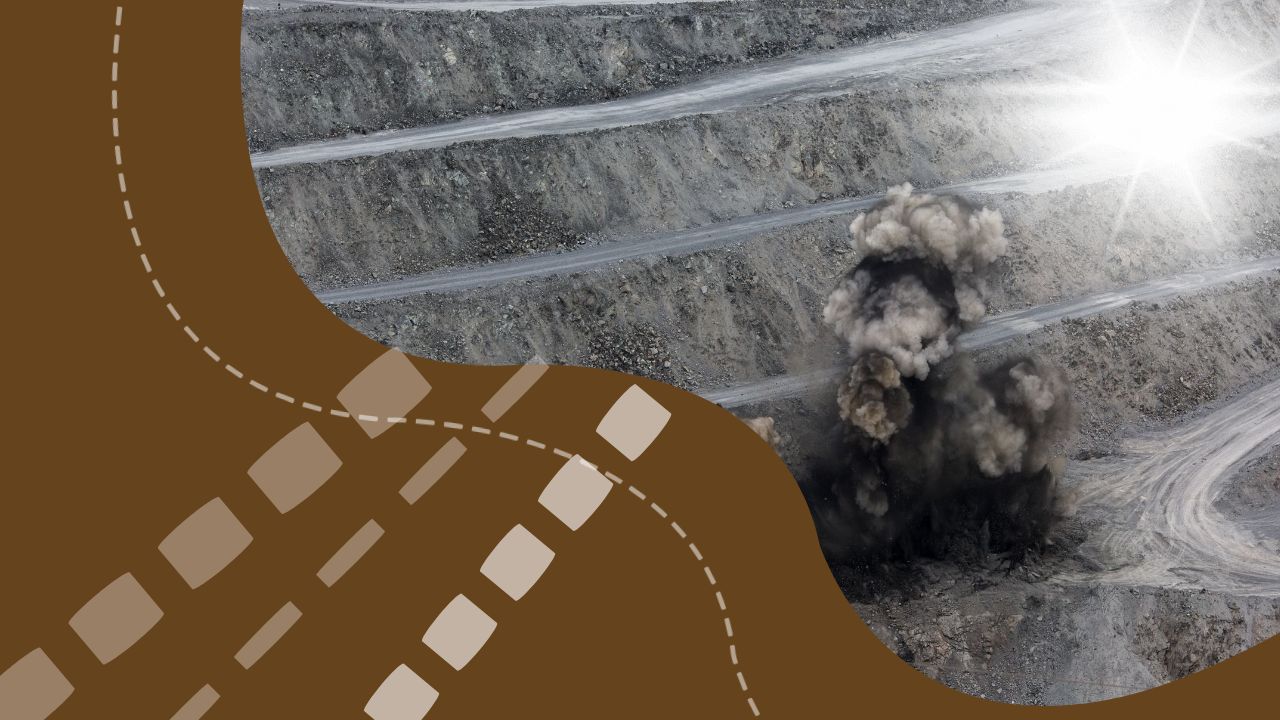
Germany is set to decommission seven lignite-fired power plant units with a total capacity of 3.1 gigawatts by the end of March, as reported by the news agency dpa in Süddeutsche Zeitung. Originally delayed due to the energy crisis, these closures come as part of efforts to conserve natural gas amidst supply concerns. Five units were removed from the security reserve, while two others continued operation beyond the planned shutdown date. All units were permitted to sell electricity on the wholesale market, a privilege now rescinded. The Federal Network Agency (BNetzA) assured that these shutdowns won’t jeopardize supply security, emphasizing meticulous planning to accommodate the closures in supply forecasts.
Website: Europe.com
-
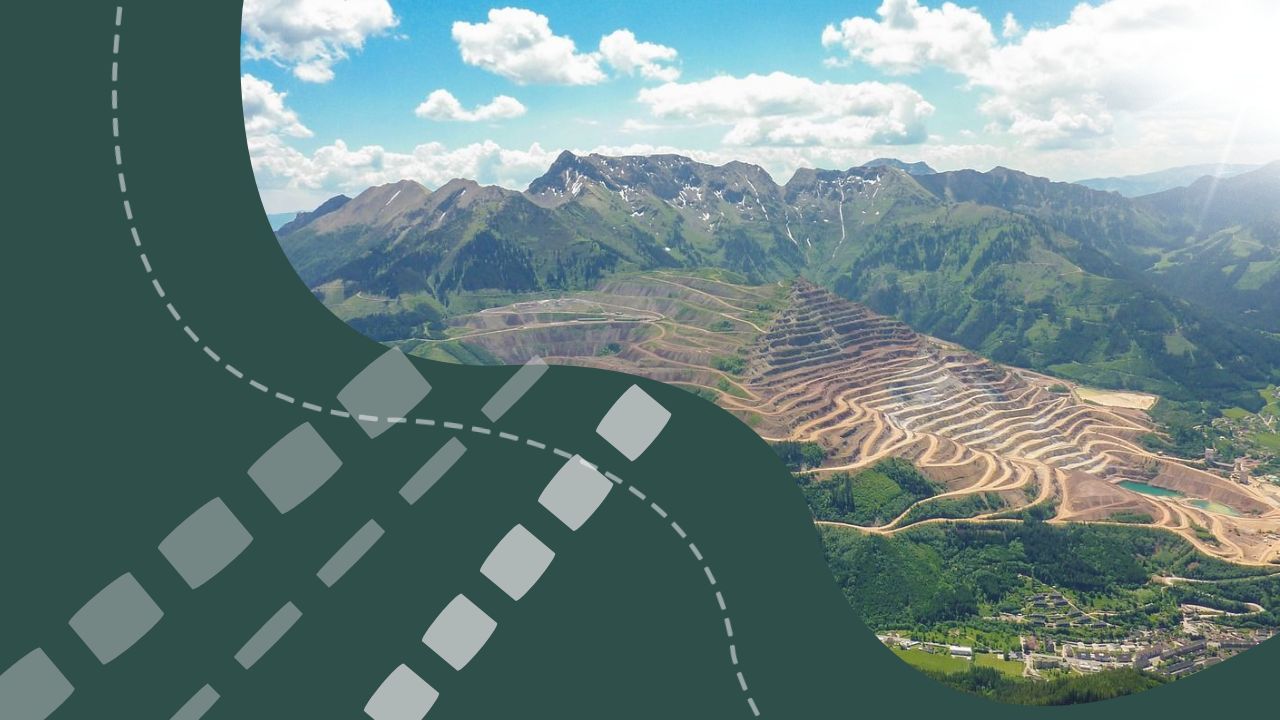
Euro Manganese’s Chvaletice Project Positioned to Support EU’s Critical Raw Materials Act
Euro Manganese Inc. issued follow-up remarks today regarding the European Commission’s recently approved Critical Raw Materials Act (CRMA), aimed at ensuring a sustainable supply of essential materials for the energy transition. With the Council of the EU granting final endorsement to the CRMA, Euro Manganese’s Chvaletice Manganese Project in the Czech Republic emerges as a pivotal asset, poised to become the sole European source of high-purity manganese crucial for the battery supply chain. The Act, officially adopted on March 18, 2024, identifies high-purity manganese as a strategic raw material vital for Europe’s decarbonization objectives and defense applications, while also designating manganese as a critical raw material due to its economic importance and supply risk. Dr. Matthew James, President & CEO of Euro Manganese, hailed the EU’s approval of the CRMA as a significant step towards securing critical materials for the energy transition, underscoring the potential of the Chvaletice Project to address these needs.
-
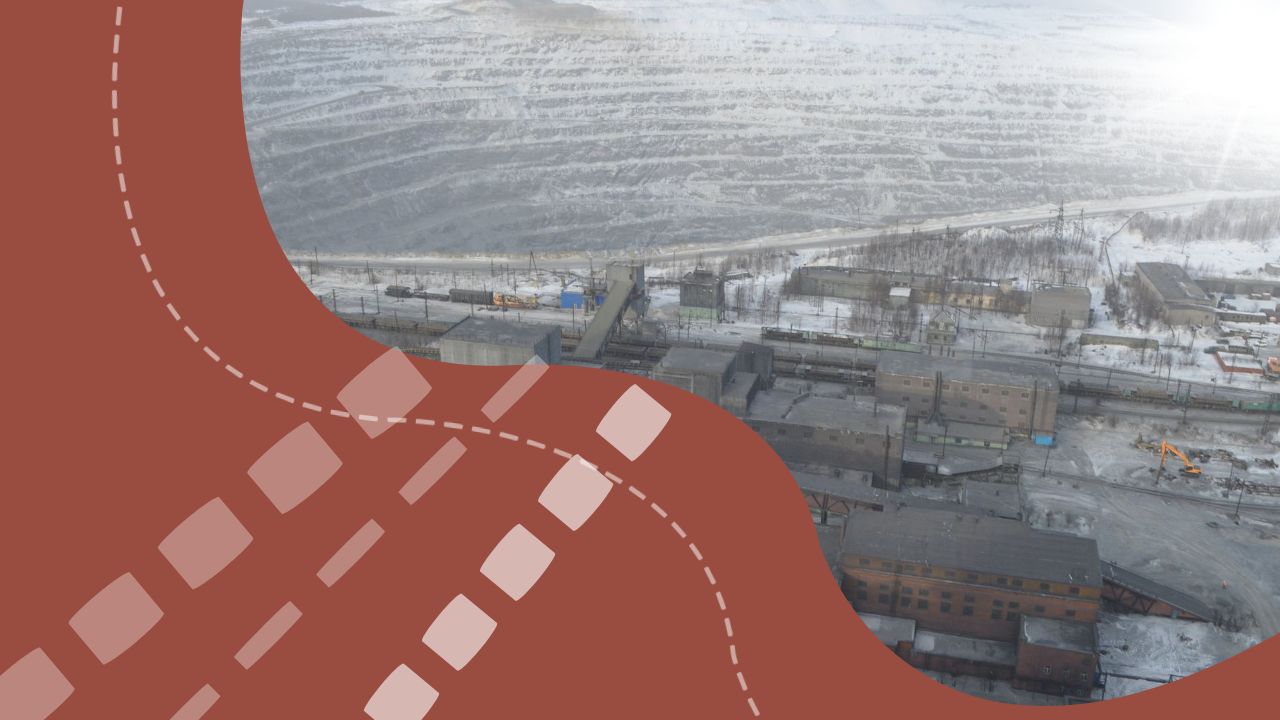
Poland’s PGE Vows to Ensure Turow Lignite Mine’s Operations Amid Environmental Concerns
In response to a recent setback, Poland’s prominent utility company, PGE, pledged on Monday to undertake all necessary measures to sustain the operations of its Turow lignite mine and power plant situated near the Czech border. CEO Dariusz Marzec emphasized the company’s commitment to rectifying past shortcomings, prioritizing ecological considerations, and safeguarding the region’s safety. The announcement follows a local court’s decision on March 13, which annulled an environmental permit issued in 2022 for the Turow project but permitted the continuation of mining activities for the time being. Environmental advocacy groups have consistently raised concerns about the mine’s detrimental environmental impact, particularly on the adjacent power plant, prompting legal challenges against the operating license extending until 2044. PGE disclosed that it is presently awaiting a formal rationale for the court’s ruling and intends to pursue legal recourse accordingly to defend the continuity of the mine and power complex. Marzec expressed optimism regarding a favorable resolution of the matter.
-
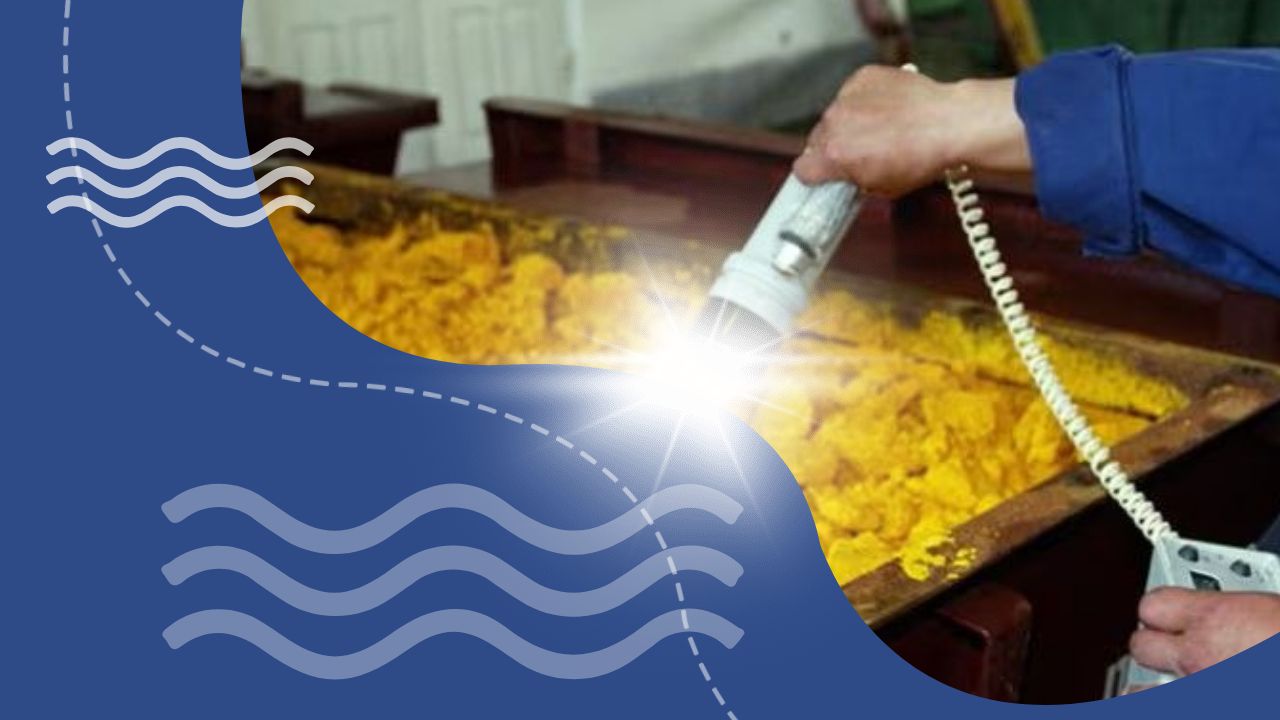
Norway and EU Forge Industrial Partnership to Advance Sustainable Value Chains
Norway and the European Union have formalized an agreement aimed at strengthening cooperation on sustainable value chains, with a specific focus on land-based raw materials and batteries. Minister of Trade and Industry, Jan Christian Vestre, emphasized the significance of this collaboration, highlighting its pivotal role in accelerating climate and green transition goals. He further emphasized the potential for economic growth, increased investments, and the creation of green jobs in Norway as a result of this partnership. Executive Vice-President Maroš Šefčovič echoed these sentiments, underlining the strategic importance of the agreement in fostering business and research opportunities while solidifying industrial and political ties between Norway and the EU. As a cornerstone of the Green Alliance established last year, the industrial partnership aims to enhance climate, environmental, energy, and industrial cooperation, serving as the inaugural initiative under the Green Alliance framework. Minister Vestre stressed the agreement’s significance for Norwegian businesses and its role in facilitating dialogue with the EU regarding green value chains. He highlighted its alignment with Norway’s Green Industrial Initiative, particularly focusing on critical raw materials and batteries. Given Norway’s pivotal role as a supplier of critical raw materials, the partnership aims to address vulnerabilities in global supply chains by promoting closer collaboration between Norway and the EU. Batteries, identified as a crucial technology for renewable energy transition, are at the forefront of this collaboration, with the partnership aiming to address concerns raised by Norwegian battery players regarding market access. Norway’s participation in ministerial meetings within the European Battery Alliance will further facilitate dialogue on establishing the European battery value chain. Overall, the partnership provides a framework for discussions on potential disruptions in regional value chains, including the application of rules of origin for battery components traded between the EU and the UK.
-
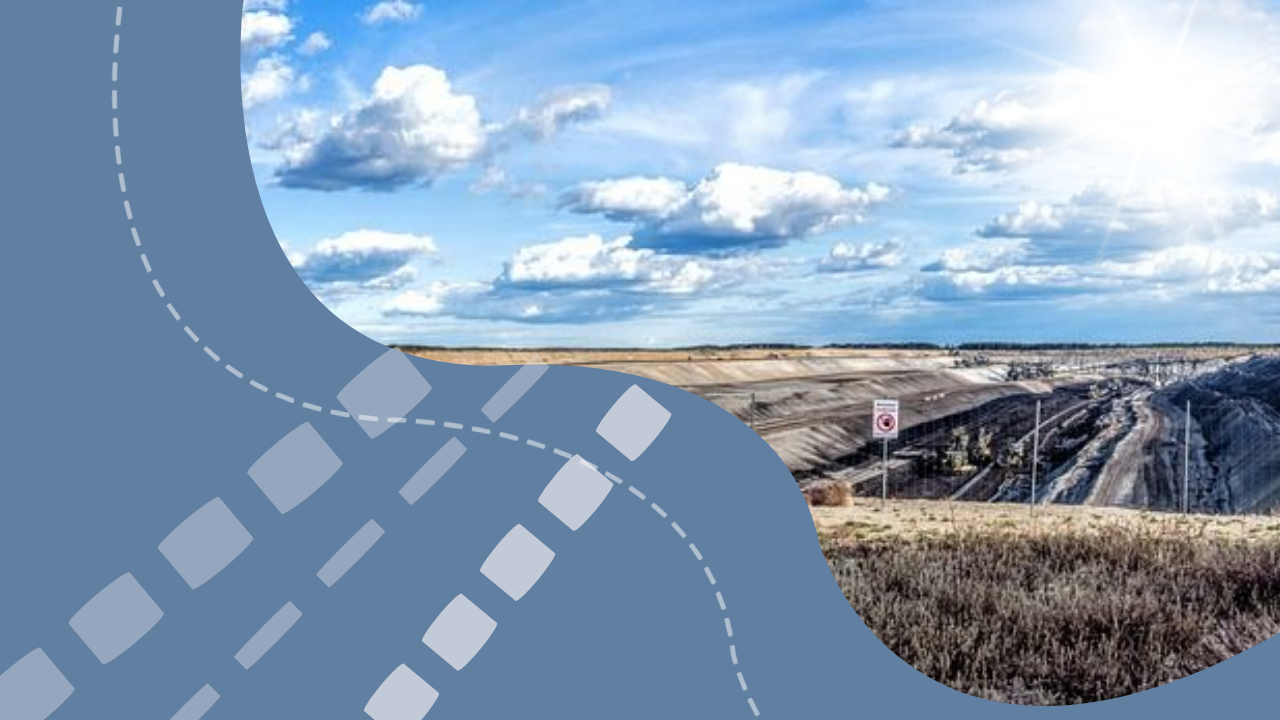
Rio Tinto Affirms Commitment to Jadar Project Amid Environmental Concerns
Rio Tinto’s Country Head for Serbia, Marijanti Babic, expressed unwavering confidence in the Jadar project, emphasizing its potential to meet the highest environmental standards. In an interview with Novosti, she stressed the project’s significance, positioning it as one of Europe’s most promising lithium deposits, poised to elevate Serbia’s role in the global green transition. Babic underscored the necessity of adhering to Serbian laws and European Union regulations, particularly highlighting the introduction of a “battery passport” in Europe to ensure the sustainability of materials used in electric vehicle batteries. Addressing investment and job creation prospects, Babic revealed that the planned investment for the project amounts to 2.55 billion euros, with potential to create 3,500 jobs based on 2011 data. Moreover, she estimated that the state could earn approximately 180 million euros annually from taxes and mining rent, constituting about one percent of state budget revenues. While Babic clarified that no agreement on the project’s realization has been signed yet, only a memorandum of 2017 exists, outlining a framework for cooperation in its implementation.
-
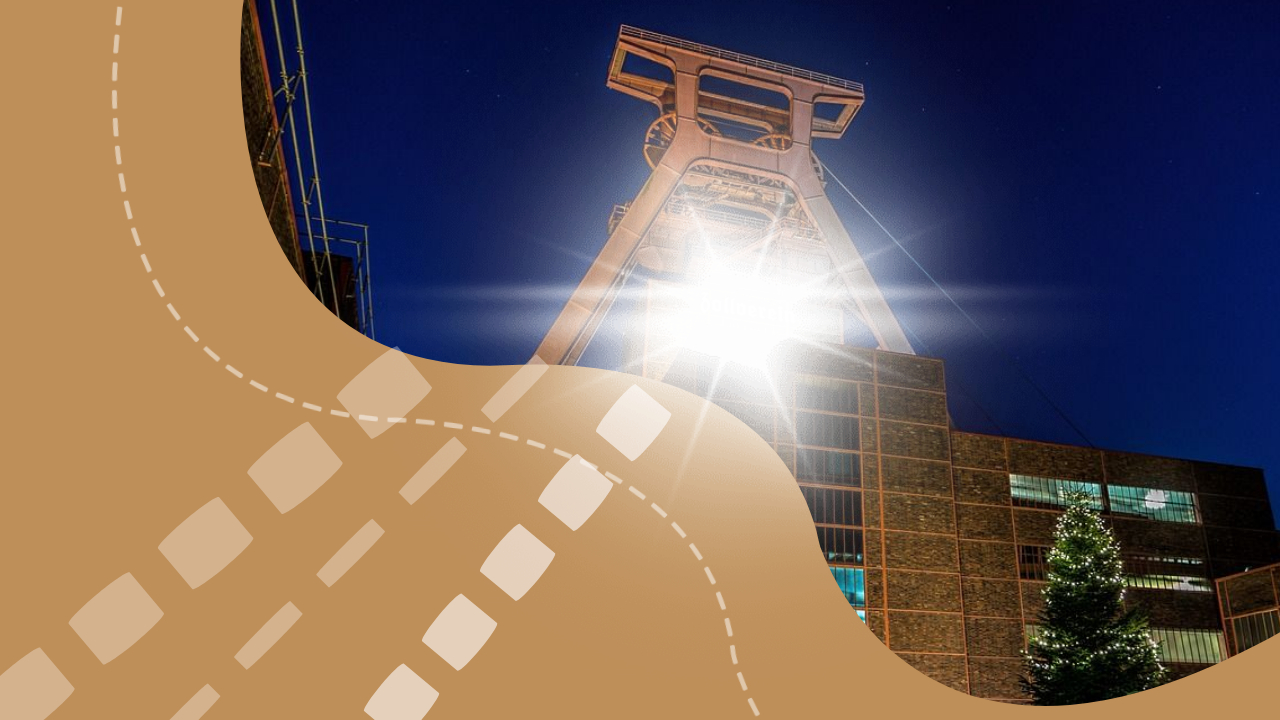
Rockfire Resources Unveils Rare Metal Deposits in Greece, Signaling Potential Shift in Global Supply Chains
Rockfire Resources, an exploration company, gained attention last summer after confirming deposits of scarce metals, germanium, and gallium, in Greece. Located in Molaoi, Peloponnese, drilling by the London-listed company revealed high-grade germanium and elevated gallium, significantly enhancing the value of its Molaoi project. Presenting to officials from the Greek Energy Ministry, Rockfire Resources outlined plans for further exploratory drilling and a viability study on the newfound resource, scheduled to begin post-summer. Notably, silver is also present in the Molaoi asset. Germanium and gallium, critical minerals on US and EU lists due to their geological rarity, have gained global significance, especially after recent export restrictions imposed by China. David Price, CEO of Rockfire Resources, expressed satisfaction at the findings, particularly highlighting the robust germanium results and the unexpected presence of gallium, which is expected to bolster the project’s economic prospects. Germanium, priced at $2,856.30 per kg, demonstrated grades ranging between 9.0 and 40.0 grams per ton (g/t), with individual assays peaking at 73.8 g/t. Gallium, currently trading at $765.30 per kg, exhibited grades between 9.7 and 19.0 g/t, with the highest assay recorded at 33.3 g/t. These metals are crucial in modern technology, finding applications in electronics, solar cells, semiconductors, and military equipment, making the discovery in Greece highly significant. With the global supply chain for germanium and gallium vulnerable to disruption, particularly due to their scarcity, the find in Greece presents a significant development. The European Union is actively seeking alternatives to Chinese supply, urging aluminum and zinc companies to explore gallium production. Mytilineos Energy & Metals, a Greek aluminum producer, has been approached for potential gallium production at its Agios Nikolaos refinery, aiming to reduce reliance on Chinese sources. Overall, the confirmation of germanium and gallium deposits in Greece marks a milestone in the country’s mineral exploration landscape, potentially impacting global supply chains and economic dynamics.
-
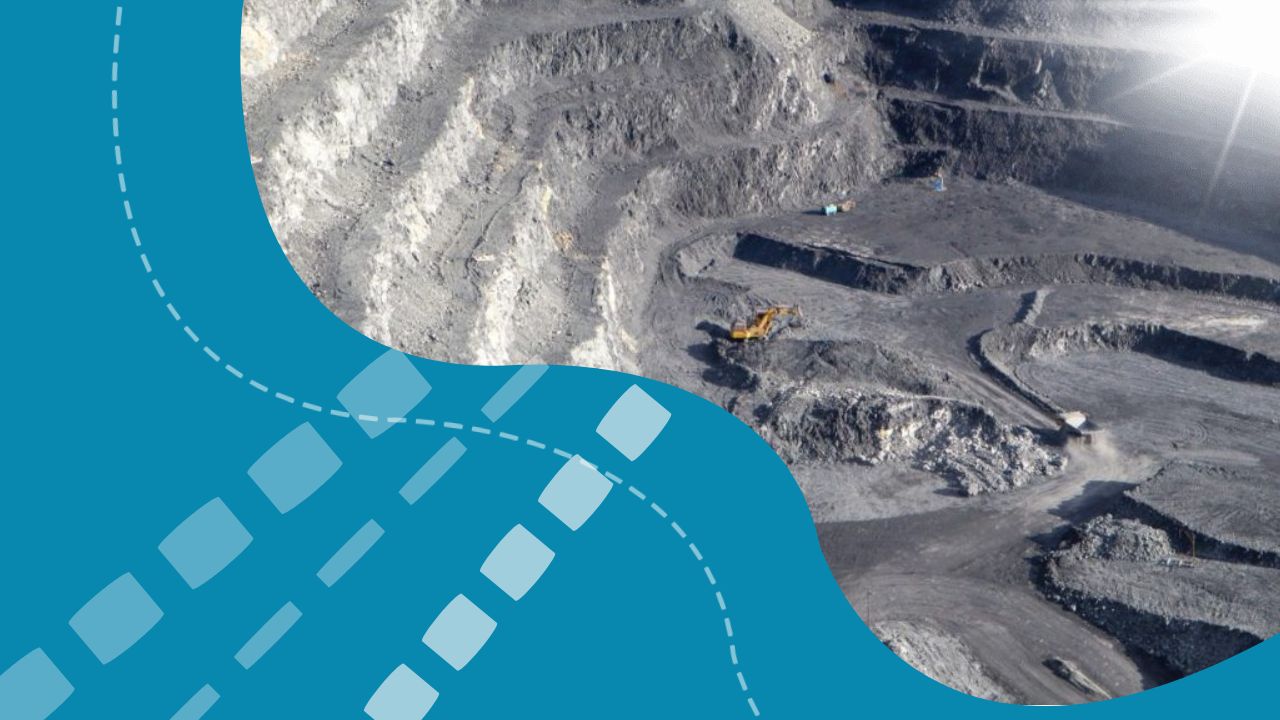
AM Resources Expands Portfolio with Acquisition of Extensive Land Package in Austria
AM Resources has significantly expanded its portfolio through the acquisition of a vast 1,500km² land package situated in Austria, with a strategic focus on the renowned Austrian Pegmatite Belt nestled within the Austroalpine Nappes. Recognized for its geological richness and abundant mineral reservoirs, the newly acquired region presents a promising prospect for exploration and resource development. CEO David Grondin expressed enthusiasm for the strategic move, emphasizing the company’s commitment to seizing opportunities in a proven mining-friendly jurisdiction. Grondin highlighted AM Resources’ meticulous approach, citing successful exploratory endeavors that confirmed the presence of spodumene on acquired properties. Building upon these findings, the company has staked additional claims within the Austrian Pegmatite Belt, with particular attention given to the Frederick property, which boasts 112 identified pegmatites across a sprawling 52.25km² area. Grondin underscored the significance of this acquisition, positioning it as a pivotal moment in the company’s growth plan and solidifying its presence in one of Europe’s most prospective mineral regions. Leveraging the geological diversity and extensive pegmatite systems within the acquired land, AM Resources aims to capitalize on the potential for significant mineral discoveries in Austria’s Pegmatite Belt.
-
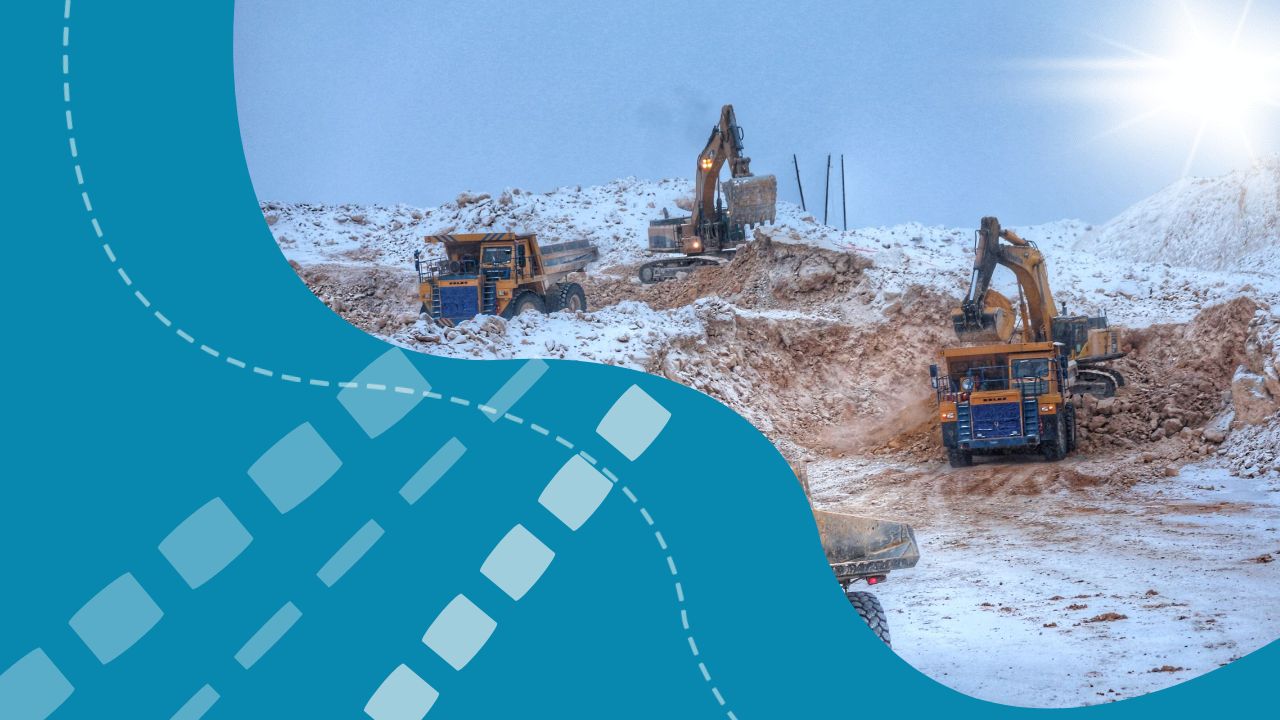
Montenegrin Government Grants Ultimatum to Swiss Company Over Brskovo Zinc Mine Project
In a significant development concerning the Brskovo Zinc Mine project located in Mojkovac, Montenegro, the Montenegrin government has issued a 60-day ultimatum to Tara Resources, a Swiss company, to rectify all deficiencies associated with the project. Emphasizing the urgency of the situation, the government has suggested that mutual termination of the contract would be the most favorable resolution for both parties involved.
The Brskovo Zinc Mine, situated approximately 100 kilometers north of the capital, Podgorica, has been a focal point of contention, drawing strong opposition from environmental activists and local residents. Originally operational from 1975 to 1991, the mine’s proposed restart has reignited concerns, particularly regarding environmental impact and safety measures.
Minister of Energy and Mining, Saša Mujovic, underscored the gravity of the situation, citing systemic irregularities that pose significant challenges to addressing future safety concerns, particularly regarding tailings disposal and mercury separation. Mujovic expressed skepticism regarding the feasibility of rectifying these issues effectively, highlighting potential risks to public health.
The government’s proposal for mutual termination of the contract reflects the seriousness of the situation and the need for decisive action. Tara Resources, which took over the project in 2018, had ambitious plans to develop Brskovo into one of Europe’s largest zinc mines, with an estimated investment value of approximately 180 million euros.
However, opposition from civic initiatives such as “Za zdravi Mojkovac” (For a Healthy Mojkovac) underscores widespread concerns regarding the environmental and health implications of the project. The initiative has repeatedly urged the government to terminate the contract, equating the potential consequences of the mine to a catastrophe akin to the Chernobyl disaster.
-
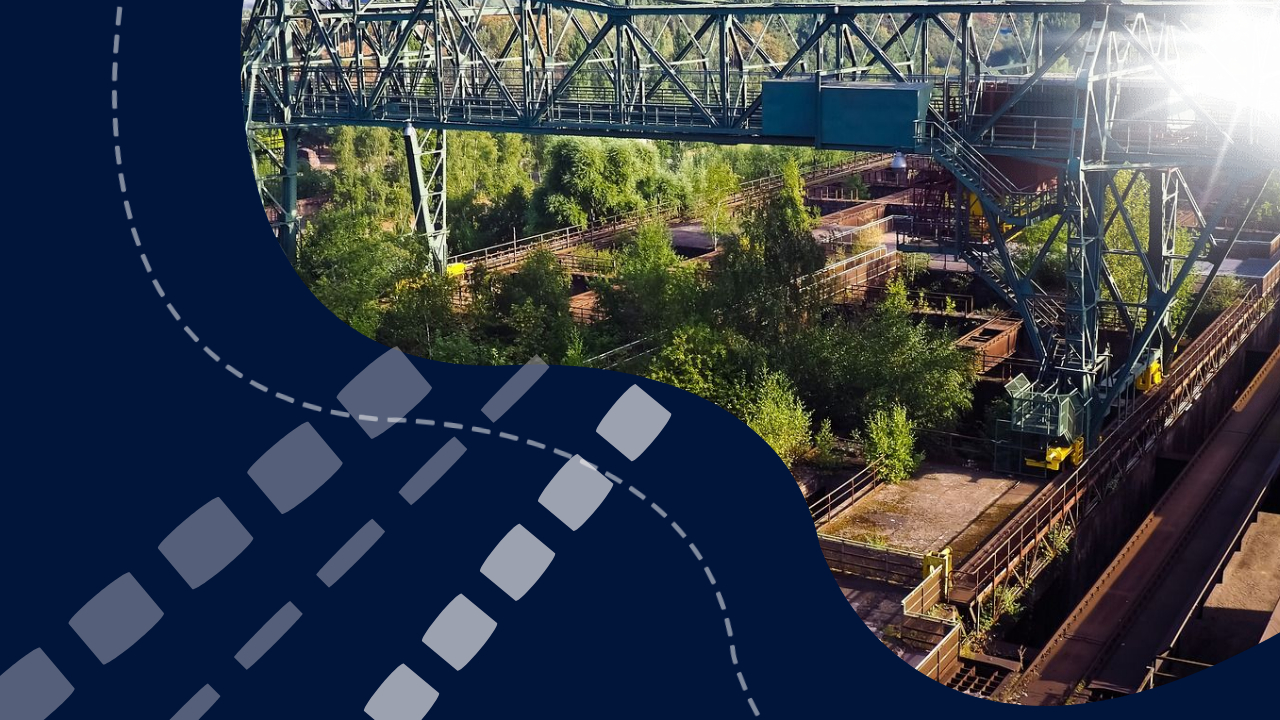
European Council Boosts Fleets’ Long-Term Access to Electric Vehicles with Critical Raw Materials Act
The European Council’s recent adoption of the Critical Raw Materials Act (CRMA) marks a significant step toward enhancing fleets’ sustained access to electric vehicles (EVs) across the continent. Aimed at ensuring a secure and sustainable supply chain for crucial raw materials vital to the green economy, this legislation addresses the growing demand for materials like lithium, cobalt, graphite, manganese, platinum, and tantalum. With the global demand for lithium, essential for EV batteries and energy storage, projected to surge by up to 89-fold by 2050, the CRMA sets out provisions to safeguard the availability and sourcing of such critical resources.
Under the CRMA, 34 raw materials are designated as critical and 17 as strategic, establishing benchmarks for local extraction, processing within the EU, and utilization of recycled materials. The Act seeks to diversify the EU’s sources of raw materials, ensuring that no single country accounts for more than 65% of its strategic material supply by 2030. This move comes in response to concerns raised by the European Commission regarding supply risks and vulnerabilities stemming from over-reliance on non-EU countries for key materials, exacerbated by recent geopolitical and economic challenges.
The COVID-19 pandemic, semiconductor crisis, and energy price fluctuations have underscored the EU’s susceptibility to supply chain disruptions, prompting calls for greater self-sufficiency and resilience. Failure to secure a stable supply of critical materials poses significant risks to industries, including automotive manufacturing, and jeopardizes the EU’s ambitious green objectives. Acknowledging the importance of the CRMA, automotive manufacturers represented by ACEA view it as vital support for decarbonizing transportation, particularly as electric propulsion becomes increasingly dominant.
While the CRMA aims to enhance supply chain resilience, reactions from external stakeholders, such as the China Chamber of Commerce to the EU (CCCEU), suggest concerns about potential disruptions to global supply chains. The CCCEU urges the EU to avoid politicizing economic matters and emphasizes the importance of maintaining open dialogue and collaboration to facilitate a fair and equitable business environment for all stakeholders involved.
-
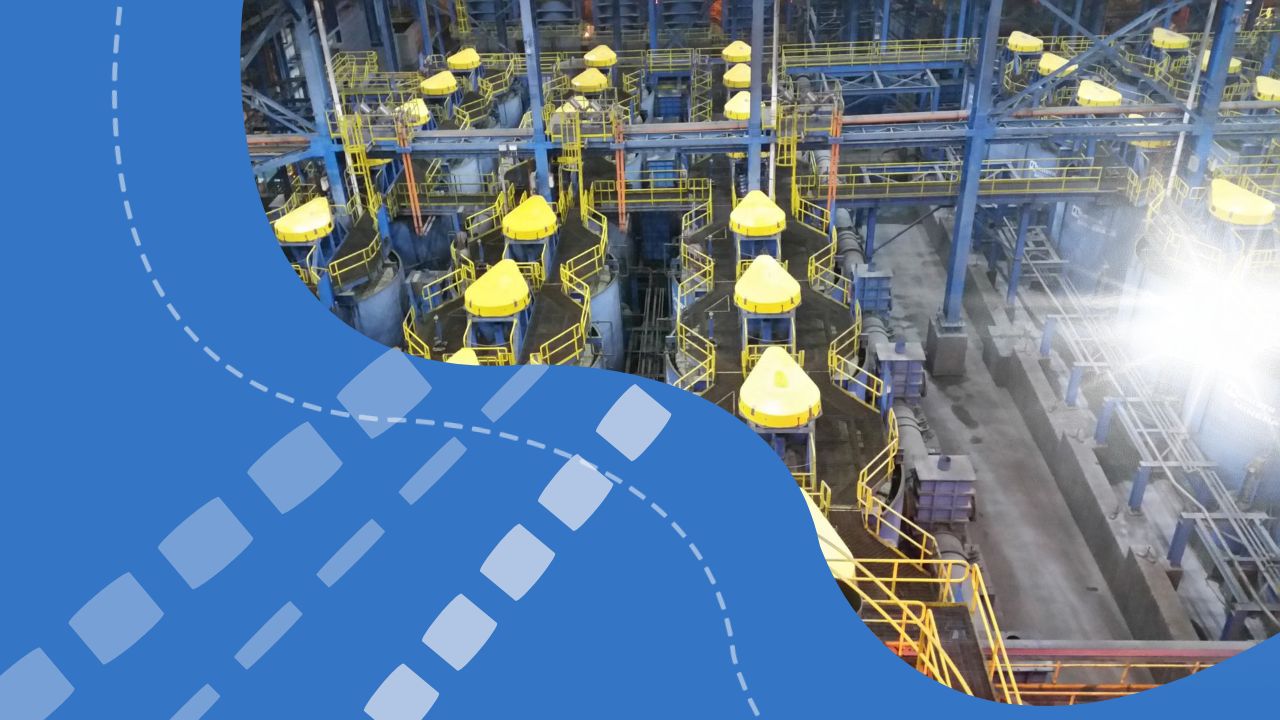
Court Decision Allows Polish Coal Mine to Continue Operations Amidst Environmental Concerns
In a recent development amidst a series of conflicting court verdicts, a Polish coal mine near the Czech border, the Turów mine, has been granted permission to continue its operations, albeit temporarily. This decision comes after a prolonged legal battle between the mine and environmentalists, highlighting the ongoing tensions between industrial interests and ecological concerns. The Voivodship Administrative Court’s ruling provides a reprieve for the mine, allowing it to operate under a temporary concession despite environmentalists’ objections.
Andra Apanasionek, the press officer for PGE GiEK S.A., emphasized that the court’s decision does not imply a halt to the energy supply from the Turow complex. Apanasionek pointed out that the mine is diligently adhering to its environmental obligations as stipulated by the General Director for Environmental Protection. Measures are being undertaken to implement various investments and environmental initiatives aimed at mitigating the mine’s impact on its surroundings.
Amidst these legal and environmental debates, miners at the Turów mine are contemplating their future job prospects. Some are proactively seeking training in alternative professions, particularly in the green energy sector and wind farms. Marcin Potempa, one such miner undergoing retraining, expressed his motivation to secure an alternative career path to ensure a smooth transition in case the mine shuts down. He highlighted the similarities between his current work in the mines and potential roles in the renewable energy industry, albeit acknowledging the challenges, particularly the dangers associated with working at heights in wind energy installations.