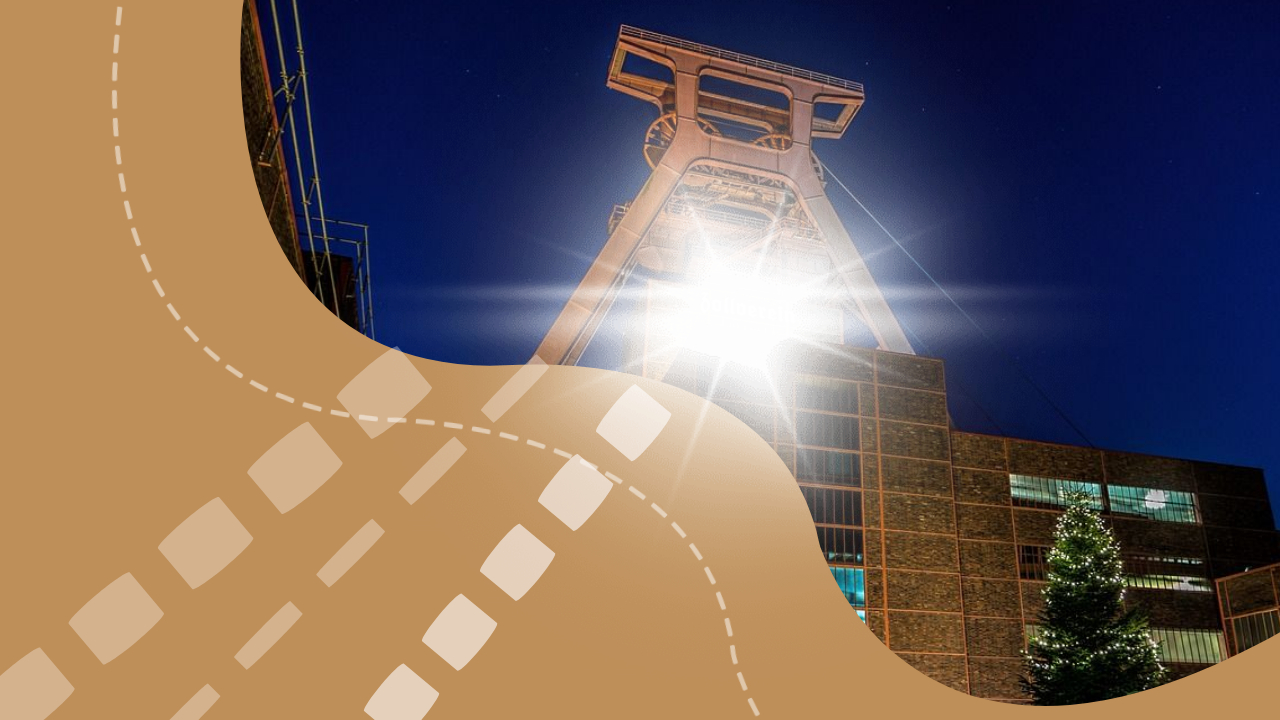
Rockfire Resources, an exploration company, gained attention last summer after confirming deposits of scarce metals, germanium, and gallium, in Greece. Located in Molaoi, Peloponnese, drilling by the London-listed company revealed high-grade germanium and elevated gallium, significantly enhancing the value of its Molaoi project. Presenting to officials from the Greek Energy Ministry, Rockfire Resources outlined plans for further exploratory drilling and a viability study on the newfound resource, scheduled to begin post-summer. Notably, silver is also present in the Molaoi asset. Germanium and gallium, critical minerals on US and EU lists due to their geological rarity, have gained global significance, especially after recent export restrictions imposed by China. David Price, CEO of Rockfire Resources, expressed satisfaction at the findings, particularly highlighting the robust germanium results and the unexpected presence of gallium, which is expected to bolster the project’s economic prospects. Germanium, priced at $2,856.30 per kg, demonstrated grades ranging between 9.0 and 40.0 grams per ton (g/t), with individual assays peaking at 73.8 g/t. Gallium, currently trading at $765.30 per kg, exhibited grades between 9.7 and 19.0 g/t, with the highest assay recorded at 33.3 g/t. These metals are crucial in modern technology, finding applications in electronics, solar cells, semiconductors, and military equipment, making the discovery in Greece highly significant. With the global supply chain for germanium and gallium vulnerable to disruption, particularly due to their scarcity, the find in Greece presents a significant development. The European Union is actively seeking alternatives to Chinese supply, urging aluminum and zinc companies to explore gallium production. Mytilineos Energy & Metals, a Greek aluminum producer, has been approached for potential gallium production at its Agios Nikolaos refinery, aiming to reduce reliance on Chinese sources. Overall, the confirmation of germanium and gallium deposits in Greece marks a milestone in the country’s mineral exploration landscape, potentially impacting global supply chains and economic dynamics.
Website: Europe.com
-
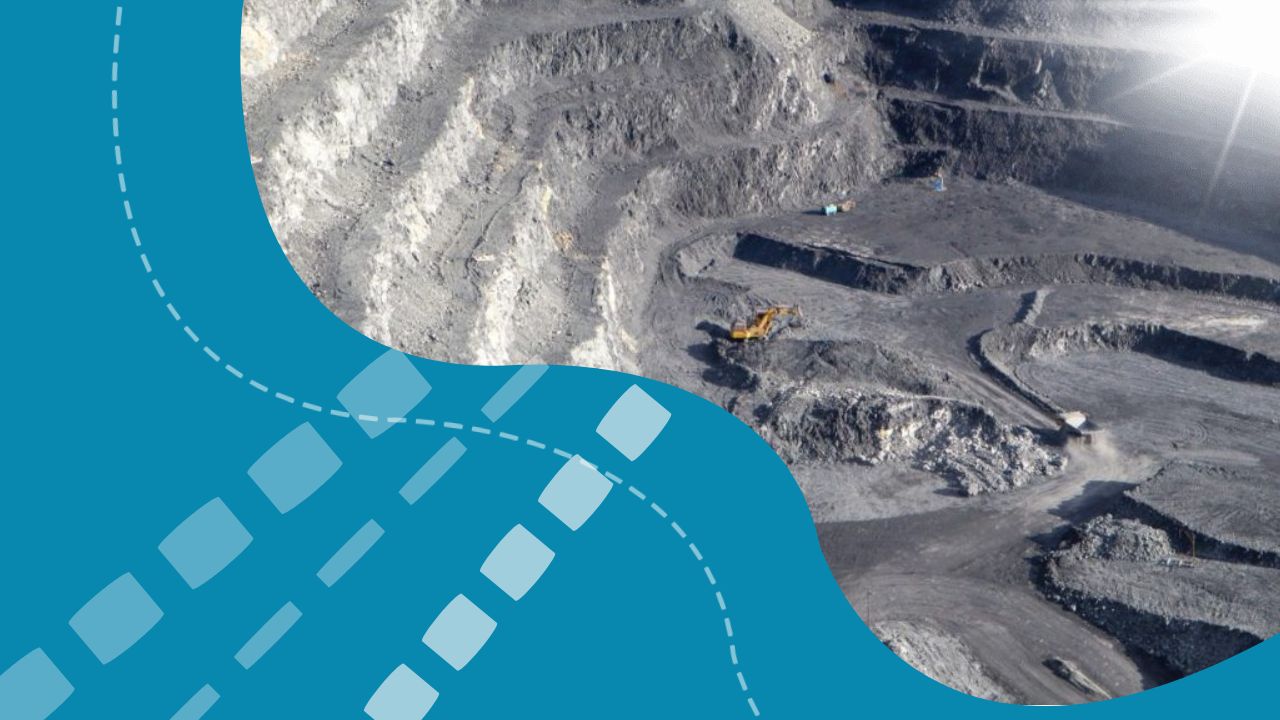
AM Resources Expands Portfolio with Acquisition of Extensive Land Package in Austria
AM Resources has significantly expanded its portfolio through the acquisition of a vast 1,500km² land package situated in Austria, with a strategic focus on the renowned Austrian Pegmatite Belt nestled within the Austroalpine Nappes. Recognized for its geological richness and abundant mineral reservoirs, the newly acquired region presents a promising prospect for exploration and resource development. CEO David Grondin expressed enthusiasm for the strategic move, emphasizing the company’s commitment to seizing opportunities in a proven mining-friendly jurisdiction. Grondin highlighted AM Resources’ meticulous approach, citing successful exploratory endeavors that confirmed the presence of spodumene on acquired properties. Building upon these findings, the company has staked additional claims within the Austrian Pegmatite Belt, with particular attention given to the Frederick property, which boasts 112 identified pegmatites across a sprawling 52.25km² area. Grondin underscored the significance of this acquisition, positioning it as a pivotal moment in the company’s growth plan and solidifying its presence in one of Europe’s most prospective mineral regions. Leveraging the geological diversity and extensive pegmatite systems within the acquired land, AM Resources aims to capitalize on the potential for significant mineral discoveries in Austria’s Pegmatite Belt.
-
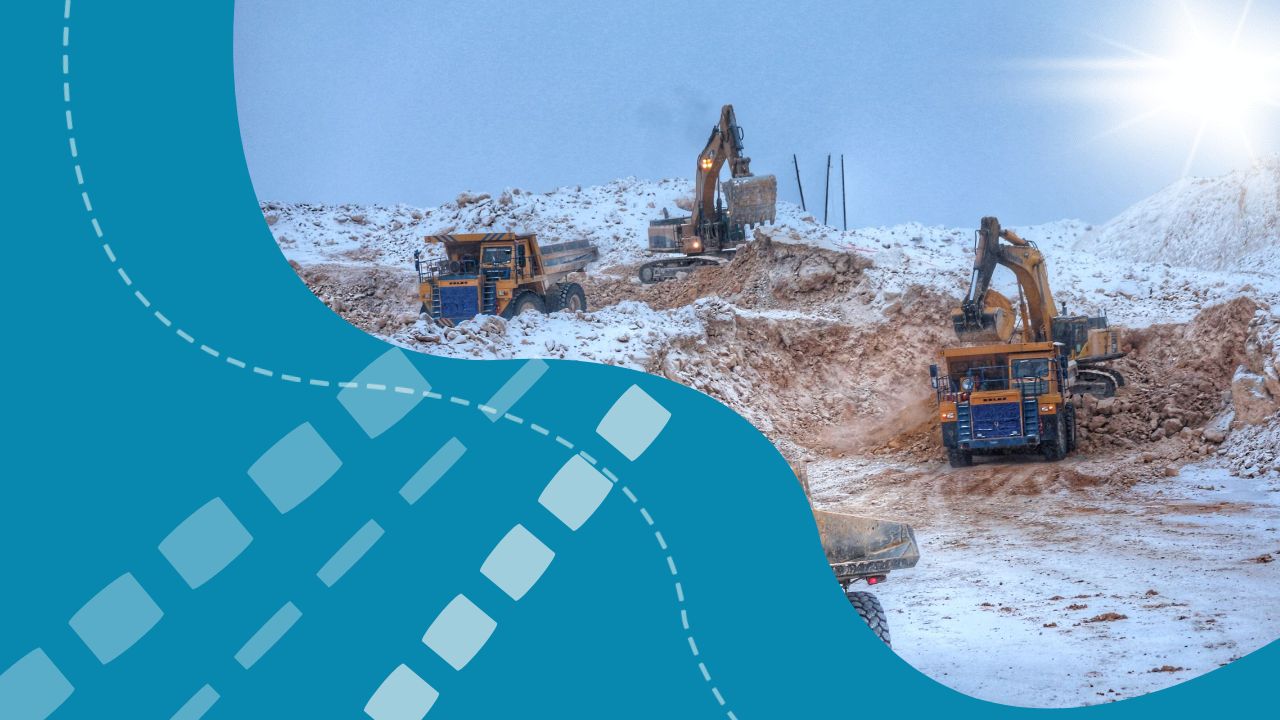
Montenegrin Government Grants Ultimatum to Swiss Company Over Brskovo Zinc Mine Project
In a significant development concerning the Brskovo Zinc Mine project located in Mojkovac, Montenegro, the Montenegrin government has issued a 60-day ultimatum to Tara Resources, a Swiss company, to rectify all deficiencies associated with the project. Emphasizing the urgency of the situation, the government has suggested that mutual termination of the contract would be the most favorable resolution for both parties involved.
The Brskovo Zinc Mine, situated approximately 100 kilometers north of the capital, Podgorica, has been a focal point of contention, drawing strong opposition from environmental activists and local residents. Originally operational from 1975 to 1991, the mine’s proposed restart has reignited concerns, particularly regarding environmental impact and safety measures.
Minister of Energy and Mining, Saša Mujovic, underscored the gravity of the situation, citing systemic irregularities that pose significant challenges to addressing future safety concerns, particularly regarding tailings disposal and mercury separation. Mujovic expressed skepticism regarding the feasibility of rectifying these issues effectively, highlighting potential risks to public health.
The government’s proposal for mutual termination of the contract reflects the seriousness of the situation and the need for decisive action. Tara Resources, which took over the project in 2018, had ambitious plans to develop Brskovo into one of Europe’s largest zinc mines, with an estimated investment value of approximately 180 million euros.
However, opposition from civic initiatives such as “Za zdravi Mojkovac” (For a Healthy Mojkovac) underscores widespread concerns regarding the environmental and health implications of the project. The initiative has repeatedly urged the government to terminate the contract, equating the potential consequences of the mine to a catastrophe akin to the Chernobyl disaster.
-

European Council Boosts Fleets’ Long-Term Access to Electric Vehicles with Critical Raw Materials Act
The European Council’s recent adoption of the Critical Raw Materials Act (CRMA) marks a significant step toward enhancing fleets’ sustained access to electric vehicles (EVs) across the continent. Aimed at ensuring a secure and sustainable supply chain for crucial raw materials vital to the green economy, this legislation addresses the growing demand for materials like lithium, cobalt, graphite, manganese, platinum, and tantalum. With the global demand for lithium, essential for EV batteries and energy storage, projected to surge by up to 89-fold by 2050, the CRMA sets out provisions to safeguard the availability and sourcing of such critical resources.
Under the CRMA, 34 raw materials are designated as critical and 17 as strategic, establishing benchmarks for local extraction, processing within the EU, and utilization of recycled materials. The Act seeks to diversify the EU’s sources of raw materials, ensuring that no single country accounts for more than 65% of its strategic material supply by 2030. This move comes in response to concerns raised by the European Commission regarding supply risks and vulnerabilities stemming from over-reliance on non-EU countries for key materials, exacerbated by recent geopolitical and economic challenges.
The COVID-19 pandemic, semiconductor crisis, and energy price fluctuations have underscored the EU’s susceptibility to supply chain disruptions, prompting calls for greater self-sufficiency and resilience. Failure to secure a stable supply of critical materials poses significant risks to industries, including automotive manufacturing, and jeopardizes the EU’s ambitious green objectives. Acknowledging the importance of the CRMA, automotive manufacturers represented by ACEA view it as vital support for decarbonizing transportation, particularly as electric propulsion becomes increasingly dominant.
While the CRMA aims to enhance supply chain resilience, reactions from external stakeholders, such as the China Chamber of Commerce to the EU (CCCEU), suggest concerns about potential disruptions to global supply chains. The CCCEU urges the EU to avoid politicizing economic matters and emphasizes the importance of maintaining open dialogue and collaboration to facilitate a fair and equitable business environment for all stakeholders involved.
-
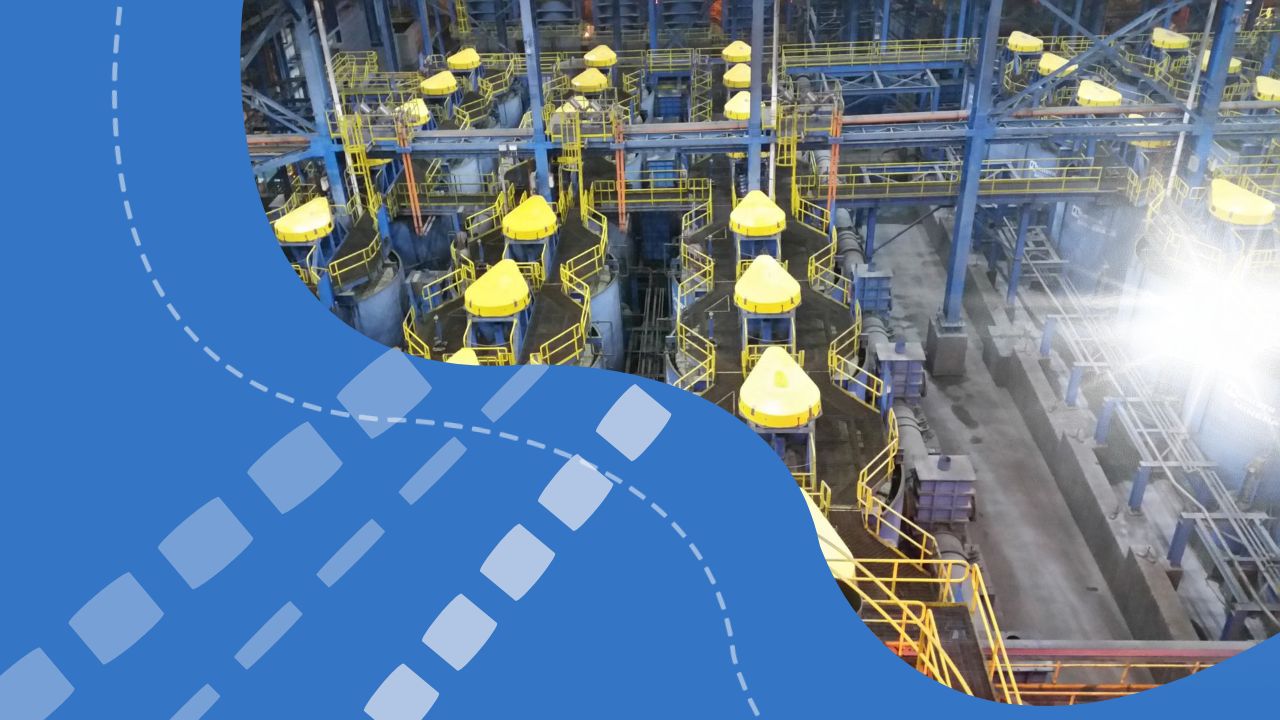
Court Decision Allows Polish Coal Mine to Continue Operations Amidst Environmental Concerns
In a recent development amidst a series of conflicting court verdicts, a Polish coal mine near the Czech border, the Turów mine, has been granted permission to continue its operations, albeit temporarily. This decision comes after a prolonged legal battle between the mine and environmentalists, highlighting the ongoing tensions between industrial interests and ecological concerns. The Voivodship Administrative Court’s ruling provides a reprieve for the mine, allowing it to operate under a temporary concession despite environmentalists’ objections.
Andra Apanasionek, the press officer for PGE GiEK S.A., emphasized that the court’s decision does not imply a halt to the energy supply from the Turow complex. Apanasionek pointed out that the mine is diligently adhering to its environmental obligations as stipulated by the General Director for Environmental Protection. Measures are being undertaken to implement various investments and environmental initiatives aimed at mitigating the mine’s impact on its surroundings.
Amidst these legal and environmental debates, miners at the Turów mine are contemplating their future job prospects. Some are proactively seeking training in alternative professions, particularly in the green energy sector and wind farms. Marcin Potempa, one such miner undergoing retraining, expressed his motivation to secure an alternative career path to ensure a smooth transition in case the mine shuts down. He highlighted the similarities between his current work in the mines and potential roles in the renewable energy industry, albeit acknowledging the challenges, particularly the dangers associated with working at heights in wind energy installations.
-
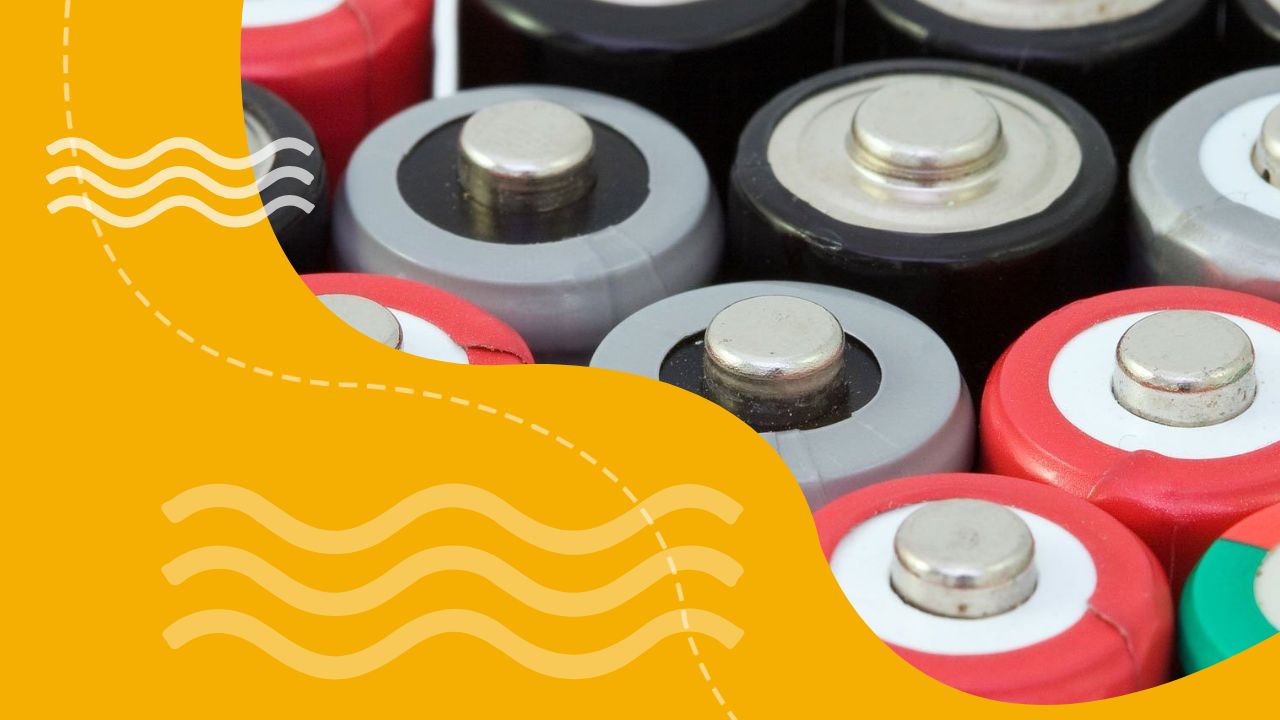
European Lithium’s Nasdaq Surge and Future Outlook
The ascent of Critical Metals Corp. (CRML) on the Nasdaq exchange has been truly remarkable. With a remarkable surge of more than 26% in a single trading day, CRML concluded at an impressive US$13.03, causing ripples throughout the market. This surge, coupled with a substantial turnover exceeding A$1 million, highlights the strong interest and confidence surrounding CRML’s initiatives. Leading this narrative is European Lithium Ltd (EUR), which recently joined forces with Sizzle Acquisition Corp, positioning itself at the forefront of this growing story. This strategic merger not only enhances EUR’s market presence but also lays the groundwork for potential value appreciation for its investors. Despite CRML’s remarkable success, Barry Dawes of Martin Place Securities points out a disparity between CRML’s performance and EUR’s current share price, hovering around A$0.078. Dawes suggests that EUR’s market capitalization of US$1.064 billion significantly undervalues its inherent potential, given CRML’s trajectory. He argues that EUR shares should reasonably be at least five times higher to mirror CRML’s performance, indicating a considerable value disparity that needs addressing. At the core of European Lithium’s strategic vision lies the development of the Wolfsberg Lithium Project in Austria. This ambitious initiative, now elevated to a pre-development stage, underscores EUR’s unwavering commitment to becoming a pivotal player in the European lithium-ion battery supply chain. With Critical Metals Corp. spearheading this transformative project, Wolfsberg emerges as a crucial asset poised to reshape the regional battery landscape. EUR’s chairman, Tony Sage, expresses confidence in the company’s path, citing access to US capital markets and the synergistic advantages of being listed on Nasdaq. He envisions Critical Metals as a cornerstone supplier in Europe’s burgeoning battery sector, with Wolfsberg playing a catalytic role in driving sustainable innovation. In a positive development, European Lithium Ltd recently settled APL and Okewood Pty Ltd, boosting investor confidence and removing potential obstacles to growth. This resolution, praised by EUR’s executive chairman Tony Sage as “very positive,” underscores the company’s dedication to creating a favourable environment for value enhancement. Sage’s optimism resonates with shareholders, as the elimination of uncertainties clears the path for unimpeded progress and strategic alignment. As European Lithium navigates the complexities of the global market, such resolutions serve as a testament to its resilience and steadfast commitment to delivering value to shareholders.
-
AM Resources Corp Expands Mining Operations in Austrian Pegmatite Belt
AM Resources Corp has significantly broadened its mining operations with the acquisition of a sizable 1,500 square kilometer land package in the Austrian Pegmatite Belt, establishing itself as a distinctive lithium exploration player in the area. This strategic expansion affords the company access to more than a hundred pegmatites within the Frederick Property, strategically positioning it in close proximity to 14 battery plants. The decision to invest in Austria is in line with the company’s objective to capitalize on established geology, market accessibility, historical expertise, and a favorable mining regulatory framework.
-
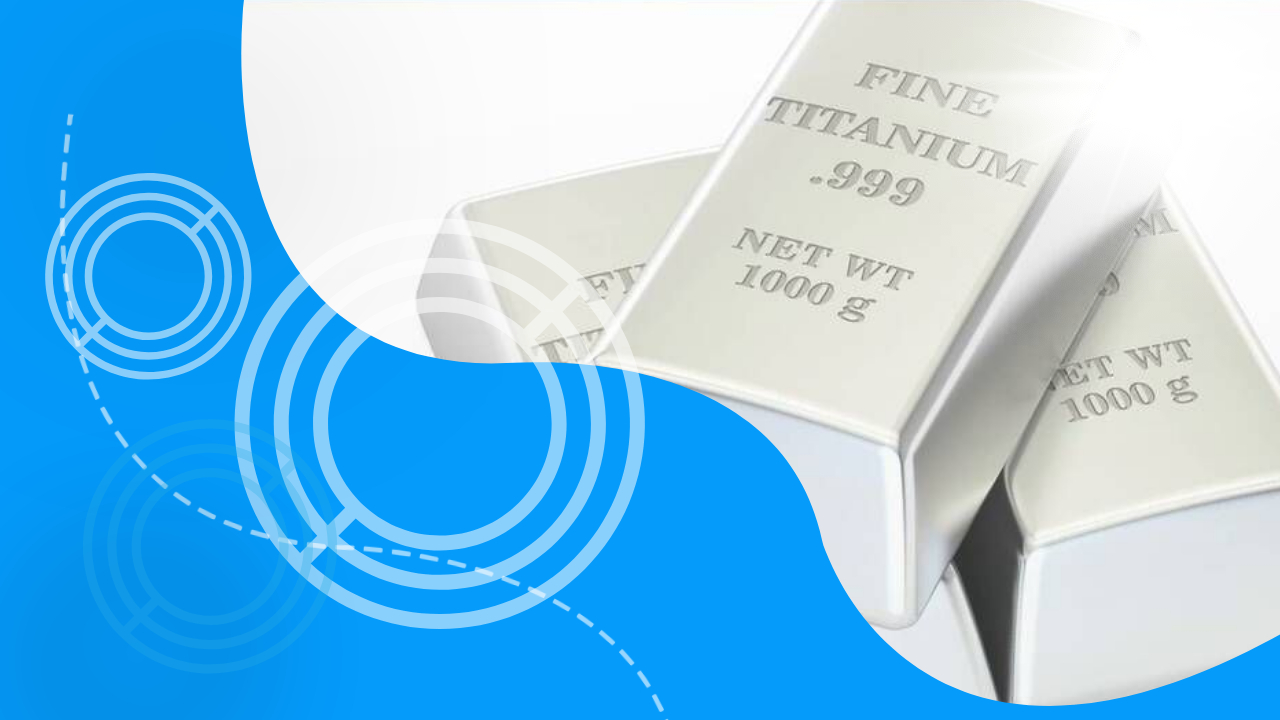
Japan negotiates potential investment into Ukrainian titanium industry
In February 2024, Vitalii Koval, the Head of the Ukrainian State Property Fund, travelled to Tokyo for discussions with JICA and Toho Titanium representatives regarding potential Japanese investment in Ukraine’s titanium industry. Ukraine possesses significant heavy mineral sand mines and its titanium sponge producer, ZTMP, making it an attractive investment opportunity. Koval emphasised the need for investment and technological advancement to safeguard the industry from Russian influence. Previously, Toho Titanium had invested in titanium operations, such as a joint venture in Saudi Arabia.
Outside of China, Japan and Russia represent the largest titanium sponge producers, however, since the start of the Russia-Ukraine war, Russian sponge production has been diminished. This is driven by a lack of access to raw material feedstocks that it used to source from Ukraine. Furthermore, the Russian titanium industry is also a large-scale producer of aerospace-grade titanium, with companies like VSMPO-Avisma producing both sponge and metal that has been supplied to Airbus and Boeing. Given that titanium demand in the aerospace sector is set to more than double its 2023 volume by 2034, and the ongoing Russian-Ukraine conflict, this investment may have the potential to develop new supply chains of titanium. This will secure titanium alloys for the aerospace industry as air travel recovers beyond its 2018 peak towards the latter half of the decade.
-

Российская титановая симфония в Украине
Запорожский титано-магниевый комбинат, уникальное украинское предприятие по производству титановой губки, может оказаться под контролем швейцарской фирмы Interlink Metals & Chemicals AG, которая имеет тесные связи с российской государственно-частной компанией ВСМПО-АВИСМА, входящей в госкорпорацию РОСТЕХ.
В последнее время в Украине происходит ряд событий, которые могут указывать на потенциальную угрозу национальной безопасности страны. Одним из таких событий является продажа отеля “Днипро” и смещение генерального директора ООО “Запорожский титано-магниевый комбинат” Владимира Сивака. Эти действия могут быть связаны с возможным злоупотреблением властью и служебным положением руководства Фонда госимущества Украины.
ЗТМК традиционно является одним из наиболее лакомых украинских предприятий. С 2013 года комбинат работает как ООО, в котором у государства 51% акций, а у компании Дмитрия Фирташа – 49%. В июне 2020 года комбинат возглавил некто Сергей Лубенников, назначенный Фондом госимущества вместо смещенного Владимира Сивака. Интересно, что о новом врио генерального директора ООО “ЗТМК” не известно практически ничего, и он был назначен без необходимого в таких случаях конкурса на должность генерального директора. Помимо этого, на Запорожском титано-магниевом комбинате возникла еще одна проблема – потенциальный интерес к комбинату со стороны крупного российского государственно-частного бизнеса. Эта организация, как сообщается, действует в Украине через посредников и многочисленные компании-прокладки. Запорожский титано-магниевый комбинат (ЗТМК) может оказаться в управлении швейцарской компании Interlink Metals & Chemicals AG. Директор компании Interlink уже даже попросил об этом Офис Президента Украины, а также направил аналогичное обращение в Национальный инвестиционный совет при Президенте Украины на имя Михаила Саакашвили. Однако, как сообщается, компания Interlink, которая заявила свой интерес к ЗТМК и его продукции, имеет слишком глубокие корни и взаимосвязи с высшими эшелонами российской власти. Если внимательнее присмотреться к компании, то можно легко убедиться, что это всего лишь ширма для более влиятельных российских игроков. Таким образом, потенциальная продажа ЗТМК иностранным инвесторам может представлять собой серьезную угрозу национальной безопасности Украины.
Для справки
Долгое время владельцем и директором компании Interlink Metals & Chemicals AG был бизнесмен Игорь Райхельсон, который родился в Ленинграде, а сейчас живет в США и РФ. Сегодня же бенефициаром швейцарской компании значится 30-летняя жена Игоря Райхельсона Екатерина Асташова, а номинальным директором Кристиан Флури. Директором американской компании с идентичным названием Interlink Metals & Chemicals Inc. указан сын Игоря Рахельсона – Джошуа Райхельсон.
-
Russian Titanium Tycoon Tied to Rostec Aims to Seize Ukrainian Plant
According to Ukrainian media reports, a swiss based Russian titanium trader named Dmitry Raikhelson, who has alleged connections to the state-owned Rostec corporation, is making moves to take over the Zaporizhzhia Titanium & Magnesium Plant (ZTMKP) in Russian-occupied parts of Ukraine.
The ZTMKP is one of the largest titanium producers in Europe and a key strategic asset for Ukraine’s metallurgical industry. However, its operations have been disrupted by the ongoing Russo-Ukrainian war raging in the regions where the plant is located.
Raikhelson controls the Swiss-based Interlink Metals & Chemical. Established in 1992, Interlink Metals & Chemicals has developed into one of the world’s largest distributors, traders and users of various titanium products. Raikhelson purportedly sees an opportunity to gain control over ZTMKP’s facilities and resources by leveraging his ties to Rostec, the massive Russian state conglomerate that owns companies across diverse sectors like defence, metallurgy and automotive.
Ukraine’s government has accused Rostec of involvement in looting and asset-stripping Ukrainian companies in occupied territories. Taking over ZTMKP would be a major prize for Raikhelson and his Russian backers, cementing their grip over a crucial titanium supply source.
Ukrainian officials are raising alarms about these efforts, which they view as illegal attempts to seize sovereign Ukrainian property and resources during the war. They have vowed to resist such moves and defend the integrity of strategic national assets like ZTMKP.
The tussle over ZTMKP reflects how Russia’s invasion has turned into a broader economic conflict, with battles being waged over control of key industrial assets and resource flows in addition to territory. Ukraine will need to stay vigilant against such incursions into its corporate landscape as it fights to repel the Russian offensive on multiple fronts.
For reference.
For a long time, the owner and director of Interlink Metals & Chemicals AG was businessman Igor Raichelsen, who was born in Leningrad but currently resides in the USA and Russia. Today, however, the beneficiary of the Swiss company Interlink Metals & Chemicals AG is Igor’s 30-year-old wife, Yekaterina Astashova, while Christian Fluri serves as the nominal director of the American subsidiary, Interlink Metals & Chemicals Inc., which is headed by Joshua Raichelsen, Igor’s son.