Website: Europe.com

  • Building Trust in Mining: Workshops at MINEX Europe 2026 to Address Risk Management and Communication Challenges

    Building Trust in Mining: Workshops at MINEX Europe 2026 to Address Risk Management and Communication Challenges

    In the evolving landscape of the mining industry, a critical theme has emerged that transcends geology, policy, and capital: trust. Governments, investors, and local communities increasingly demand transparency and resilience in supply chains, as well as clear communication from mining companies. Without this trust, even the most promising mineral deposits in Europe can face significant delays and obstacles. The core issue is not a lack of awareness about the strategic importance of mining but rather a deficiency in the capability to navigate the complexities of the sector.

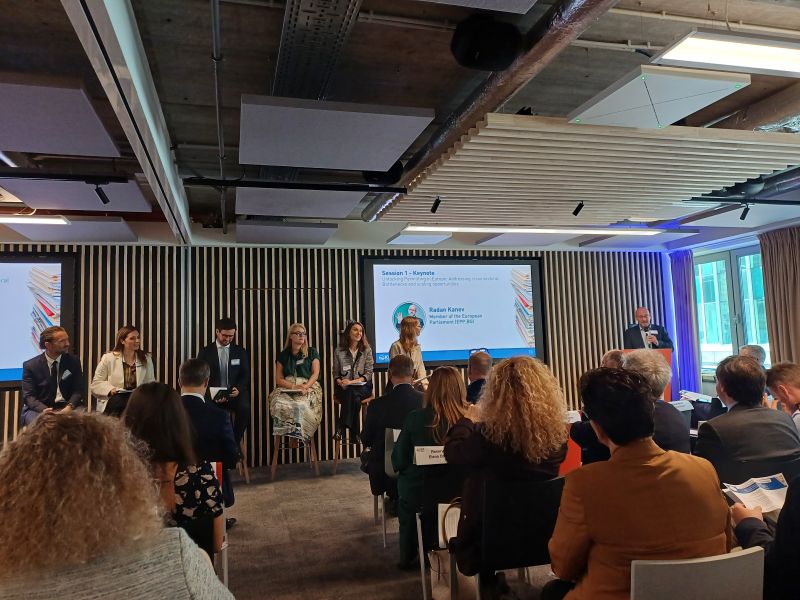
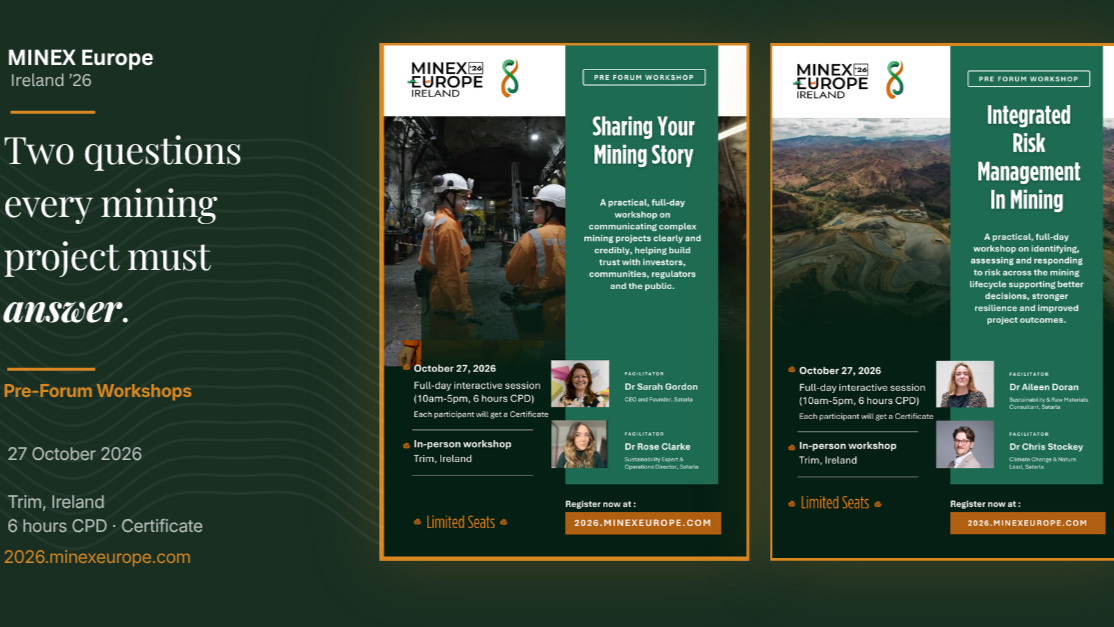
    To address these challenges, MINEX Europe 2026, scheduled for 27 October in Trim, Ireland, will feature two comprehensive workshops led by Satarla, a consultancy specialising in risk management and sustainability. The first workshop, titled ‘Integrated Risk Management in Mining’, will focus on the necessity of holistic decision-making in the face of uncertainty. Participants will learn how to build an integrated risk framework that connects various risk factors—technical, environmental, and financial—allowing for more informed decision-making that considers the interplay of these elements.

    Facilitated by Dr Aileen Doran and Dr Chris Stockey, this interactive session aims to equip attendees with the tools to embed risk thinking into their planning and investment decisions. The second workshop, ‘Sharing Your Mining Story’, tackles the communication challenges faced by the industry. Despite having a strong technical and commercial case, projects can fail due to a disconnect between the information presented and the diverse concerns of stakeholders, including investors, regulators, and local communities.

    Led by Dr Sarah Gordon and Dr Rose Clarke, this workshop will help participants craft compelling narratives that resonate with various audiences, emphasising the importance of integrity and transparency in building trust. As scrutiny over greenwashing intensifies and regulatory requirements evolve, effective communication is becoming a strategic necessity rather than a mere compliance function.

    The urgency of these workshops is underscored by recent geopolitical shifts, including China’s export controls on critical minerals, which have heightened awareness of the need for reliable supply chains in Europe. The CRMA’s Strategic Projects designation and the emerging role of the Middle Corridor in diversifying supply chains further illustrate the pressing need for quality decision-making and stakeholder engagement within mining companies.

    As the industry grapples with these dynamics, the workshops at MINEX Europe 2026 present a timely opportunity for professionals to enhance their capabilities in risk management and communication, ultimately fostering the trust necessary for the successful development of Europe’s critical minerals sector.

  • Eldorado Gold Achieves First Copper-Gold Concentrate Production at Skouries Project

    Eldorado Gold Achieves First Copper-Gold Concentrate Production at Skouries Project

    Eldorado Gold Corporation has announced the successful production of its first copper-gold concentrate at the Skouries Project in northern Greece, marking a pivotal milestone in the project’s transition from construction to operational status. This achievement, reported on September 8, 2026, signals a significant step towards commercial production, which is anticipated to commence in the fourth quarter of 2026.

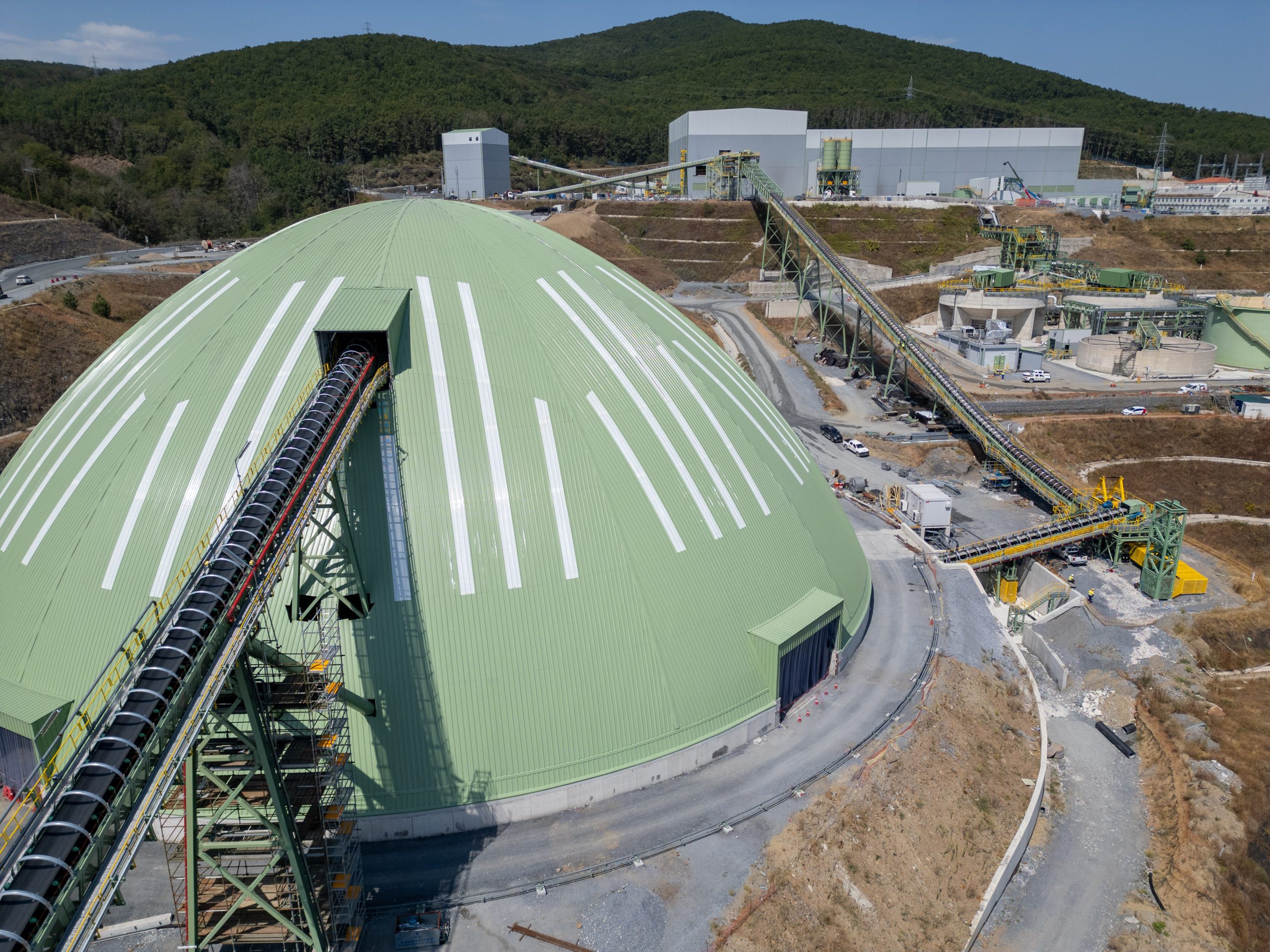
    The initial concentrate was produced as part of the ongoing commissioning and ramp-up of the processing plant, following the introduction of the first ore to the crusher in July. The successful commissioning of critical plant systems—including crushing, grinding, flotation, and tailings thickening circuits—has laid the groundwork for this achievement. Currently, the ore stockpile exceeds 4.6 million tonnes above reserve grade, ensuring a robust foundation for the ramp-up and supporting over seven months of processing throughput and concentrate production.

    George Burns, CEO of Eldorado Gold, described this moment as a defining milestone for the company, emphasising that the first concentrate production at Skouries represents the culmination of years of development and construction. He highlighted the project’s significance not only for Eldorado but also as one of the most substantial investments in Greece and one of Europe’s largest copper-gold projects. Alongside the McIlvenna Bay project in Saskatchewan, Skouries is set to transform Eldorado into a more diversified producer of precious metals and critical minerals, enhancing its production base and free cash flow generation.

    The commissioning of key infrastructure has progressed steadily, with successful operations in crushing, grinding, flotation, tailings thickening, and concentrate thickening systems. Temporary on-site power generation is currently supporting early operations and ramp-up until the connection to the national power grid is completed, which is expected to occur in September 2026, pending final inspections and testing by the Greek transmission authority.

    The Skouries Project is projected to yield an average of 140,000 ounces of gold and 67 million pounds of copper annually over its operational lifespan, positioning Eldorado Gold for significant growth and long-term value creation in the region. The company expresses pride in its collaborative efforts with the Greek government, local communities, and other stakeholders, aiming to deliver lasting benefits for Greece and all involved parties for decades to come.


  • European Aluminium Industry Urges Action on Export Duty for Scrap Aluminium

    European Aluminium Industry Urges Action on Export Duty for Scrap Aluminium

    The European Aluminium industry has expressed its profound disappointment and frustration following the withdrawal of a proposed Council Regulation aimed at establishing an export duty on aluminium scrap. This announcement, made on 7 September 2026, has left industry leaders shocked, particularly given the strategic importance of aluminium scrap as a critical raw material for Europe’s goals of circularity, decarbonisation, and economic security. The European Commission had previously committed to introducing targeted measures on aluminium scrap as part of the RESource EU Action Plan, with expectations set for a proposal in Spring 2026.

    Industry representatives, including Paul Voss, Director General of European Aluminium, and Chair Paul Warton, have voiced on behalf of the industry their concerns, highlighting the significant investments made by the sector in developing secondary production technologies in anticipation of these measures. The abrupt withdrawal of the proposal has raised questions about the EU’s commitment to supporting the aluminium industry and maintaining its competitiveness in a global market.

    The industry leaders have called for an urgent meeting with key EU officials, including President von der Leyen and Executive Vice President Séjourné, to discuss the implications of this decision and to urge the Commission to reinstate the export duty proposal. They argue that while alternative policy instruments may be considered, they should complement the trade measure rather than replace it. The urgency of the situation has prompted a united front from the European aluminium sector, demanding immediate action to address the challenges posed by global imbalances in the aluminium market.

    As Europe strives for strategic autonomy and a sustainable future, the aluminium industry remains a pivotal player in achieving these objectives. The withdrawal of the proposed export duty not only undermines the confidence of industry stakeholders but also poses risks to the progress made towards a circular economy. The call for urgent dialogue reflects the industry’s commitment to collaboration with EU policymakers to ensure that the necessary measures are put back on the agenda as soon as possible.


  • Portugal Unveils Comprehensive Mineral Deposit Maps

    Portugal Unveils Comprehensive Mineral Deposit Maps

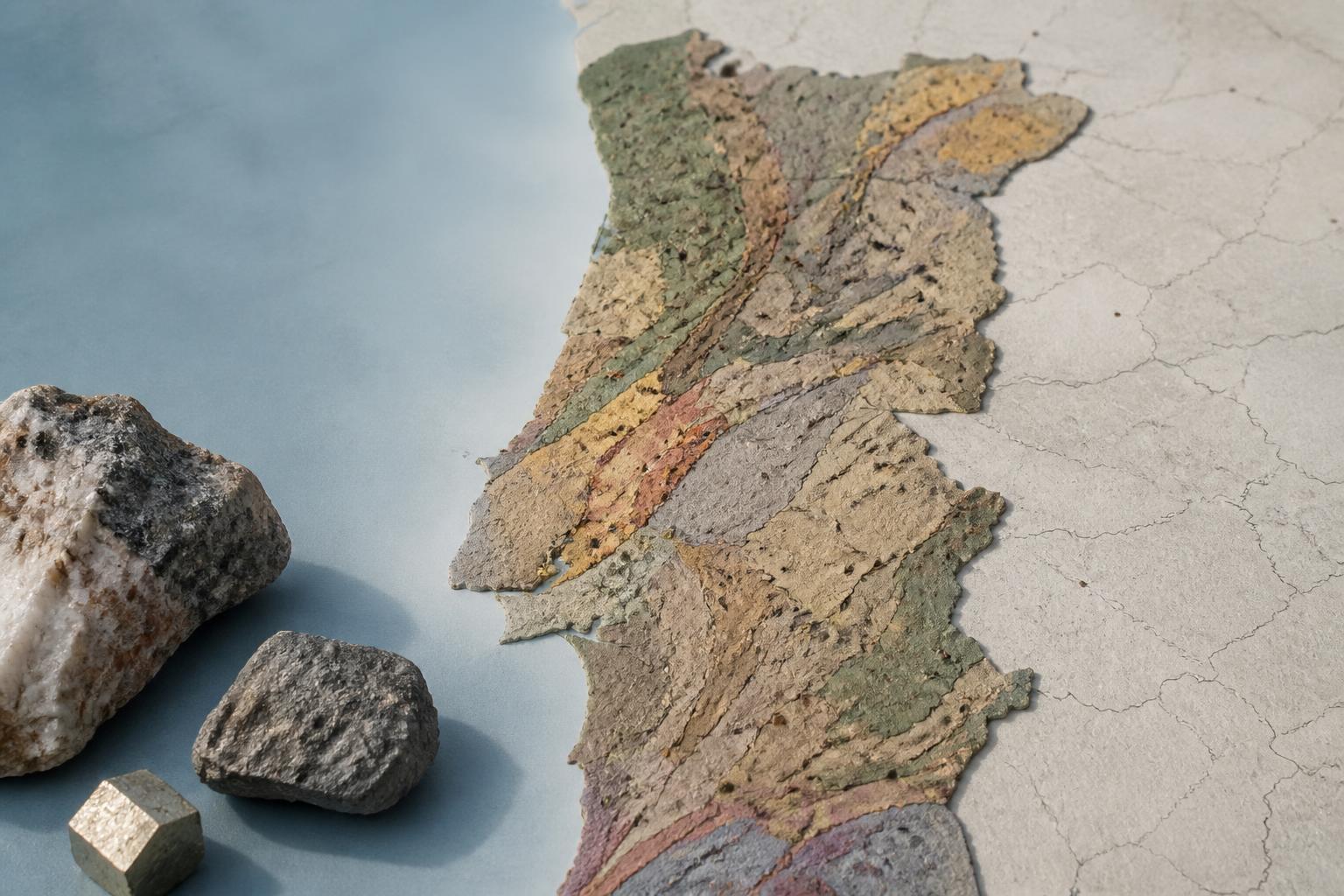
    On 27 October, the National Laboratory of Energy and Geology (LNEG) in Portugal will unveil a significant resource for the mining and geological sectors: the new Mineral Deposit Maps of Portugal. This set of nine meticulously crafted map sheets, available in scales of 1:200,000 and 1:500,000, documents a total of 2,443 identified mineral deposits across the entire national territory.

    The introduction of these maps is a pivotal development for various stakeholders, including researchers, policymakers, and industry players, as they provide critical insights into the distribution of mineral resources. The maps are expected to play a vital role in supporting research, spatial planning, and the valorisation of mineral resources, which are increasingly crucial for the ongoing energy, digital, and industrial transitions. As the demand for minerals continues to rise, especially in the context of green technologies and digital innovation, these maps will serve as an essential tool for guiding exploration and investment in Portugal’s mineral sector.

    The unveiling of the Mineral Deposit Maps aligns with global trends towards sustainable resource management and the need for comprehensive data to inform decision-making in the mining industry. With the growing emphasis on responsible sourcing and environmental stewardship, the availability of detailed geological information is more important than ever. Stakeholders are encouraged to attend the presentation to gain insights into the maps’ utility and the potential opportunities they present for the mining sector in Portugal.

    This initiative marks a significant step forward in enhancing the visibility and accessibility of Portugal’s mineral resources, paving the way for future exploration and development efforts.


  • Romania’s MPI Secures Exploitation License for Major Magnesium Project in Sibiu County

    Romania’s MPI Secures Exploitation License for Major Magnesium Project in Sibiu County

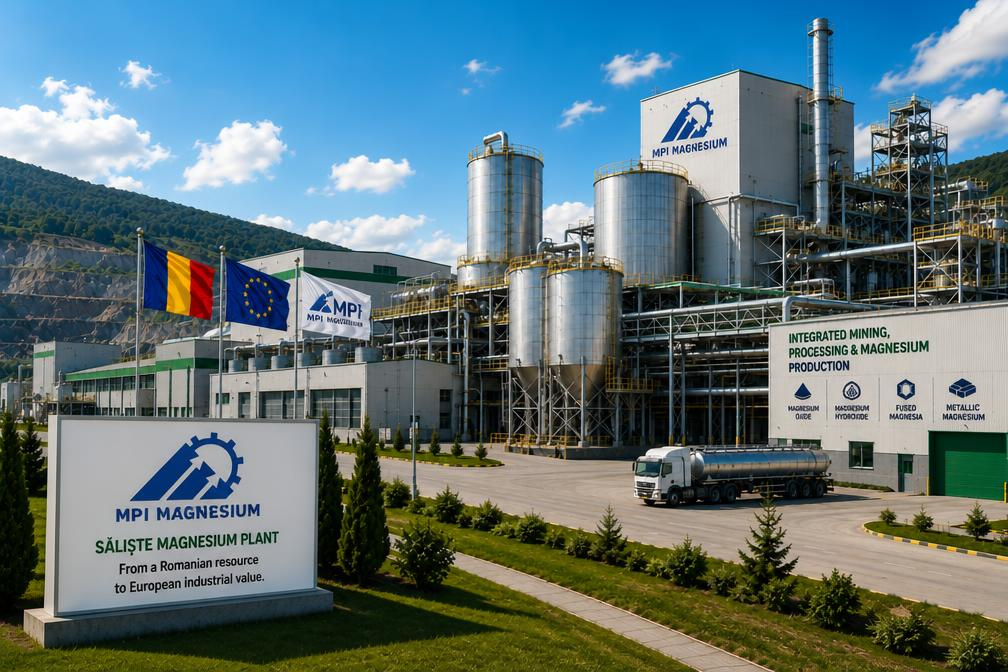
    Mineral Proiect Invest S.A. (MPI), a fully Romanian-owned company, has announced the award of a Concession License for the exploitation of magnesian rock resources in the Valea Dobra area of Sibiu County. This significant development, approved under Order No. 529 on September 3, 2026, marks a pivotal moment for the Integrated Magnesium Project, which aims to establish a complete industrial value chain in Romania, from resource extraction to the production of high-value magnesium products. With cumulative investments projected to exceed €400 million, the project is positioned as the first integrated industrial magnesium initiative in the European Union, facilitating the processing of locally sourced materials to create added value within the region.

    The Valea Dobra deposit is estimated to hold over 50 million tonnes of magnesian serpentines, a resource that is critical for various industrial applications, including automotive, aerospace, and electronics. The project is particularly timely as the European Union seeks to bolster its access to critical raw materials through the Critical Raw Materials Act, aiming to reduce reliance on external suppliers. MPI’s initiative promises to contribute significantly to the development of new production and processing capacities within the EU, ensuring that the added value of the extracted resources is realised domestically rather than exported as raw ore.

    The project is designed to be environmentally sustainable, with plans to transport ore using a funicular system and 100% electric dump trucks, thereby minimising the environmental impact associated with traditional mining logistics. This approach aligns with MPI’s commitment to a modern green mining model, which integrates environmental considerations from the outset of the project.

    As the first phase of development unfolds, MPI will focus on establishing the mining operation and constructing a processing plant in Săliște, which will initially produce magnesium oxide (MgO) and magnesium hydroxide (Mg(OH)₂). Future expansions may include the production of fused magnesia and other high-value products. The project is expected to generate employment opportunities and contribute to local economic growth, while also addressing the European Union’s vulnerability in magnesium supply chains.

    Andrei Degeratu, President and CEO of MPI, emphasised the importance of creating a full industrial chain in Romania, stating that the exploitation license is a crucial step towards transforming the country’s natural resources into high-value products that can reduce European strategic dependencies. Petru Văduva, Vice-President of MPI, echoed this sentiment, highlighting the necessity for Europe to not only access resources but also to develop the capacity to process them within the EU. With the backing of experienced Romanian engineering and infrastructure companies, MPI is poised to make a significant impact on the European magnesium market.


  • Balancing Raw Materials Security with Environmental Stewardship

    Balancing Raw Materials Security with Environmental Stewardship

    Balancing Raw Materials Security with Environmental Stewardship

    Position Overview

    Euromines has articulated a strategic position on the critical challenge of industrial permitting in Europe, emphasising the fundamental tension between securing essential raw materials for economic competitiveness and maintaining rigorous environmental protections.

    Core Argument

    Euromines contends that European policymakers face a false binary choice. The organisation rejects the notion that either accelerated permitting or strict environmental standards must prevail; instead, both can be achieved through institutional redesign. The central thesis is that Europe’s competitive position and climate ambitions depend on establishing a predictable permitting environment that does not compromise environmental integrity.

    Key Policy Positions

    The Resource Autonomy Imperative
    Euromines emphasises that Europe’s industrial growth and reduced dependency on external resources cannot occur without reliable access to domestically sourced raw materials. However, this requirement cannot come at the cost of air and water quality—a position the organisation frames as non-negotiable.

    Beyond Centralised Solutions
    Euromines argues that permitting reform cannot be achieved through Brussels-led directives alone. Effective change requires coordinated action from Member States, supported by technology-neutral regulatory approaches and realistic implementation timelines that enhance rather than undermine competitiveness.

    Permitting Complexity as Economic Drag
    Euromines identifies excessive complexity in permitting processes as a primary barrier to investment. This complexity feeds prolonged litigation, creates unpredictability, and disrupts Engineering, Procurement, and Construction contracts—ultimately deterring the capital investment necessary for industrial development.

    Local-Level Incentives
    The organisation advocates for regional and local incentive structures that encourage approval of industrial projects, arguing that decentralised decision-making frameworks can foster innovation and growth in resource-intensive sectors.


  • EU Faces Environmental Complaint Over Water Law Revisions Amid Mining Industry Pressure

    EU Faces Environmental Complaint Over Water Law Revisions Amid Mining Industry Pressure

    Environmental campaign groups have lodged a formal complaint against the European Commission, accusing it of proceeding with an overhaul of water protection and management laws without adequate evidence or stakeholder consultation. This complaint highlights growing tensions between environmental groups and the EU’s strategy to simplify regulations, known as the ‘omnibus’ approach, which aims to alleviate burdens on industries, including mining and metals companies. These industries argue that existing environmental safeguards are hindering their ability to secure permits for new critical raw materials mines and other industrial projects.

    The complaint, filed with the European Ombudsman, includes notable organisations such as the World Wildlife Fund and the European Environmental Bureau. They assert that the Commission’s actions represent a significant deviation from established due process, adversely affecting citizens’ rights. The NGOs contend that the current EU water laws are not the primary obstacle to obtaining mining permits and do not warrant revision.

    The Ombudsman will evaluate whether to initiate an inquiry into the complaint, a process that could take several weeks. While the Ombudsman lacks enforcement powers, their recommendations can influence future EU lawmaking and increase scrutiny of the Commission’s actions. Last year, the Ombudsman compelled the Commission to justify its expedited proposals to relax sustainability laws without assessing their compliance with Europe’s climate commitments.

    This situation underscores the ongoing conflict between the EU’s environmental objectives and the demands of the mining sector, which is increasingly viewed as essential for securing critical raw materials necessary for the green transition. As the EU navigates this complex landscape, the outcome of this complaint could have significant implications for both environmental policy and the mining industry’s future in Europe.


  • Euro Sun Mining Secures Non-Binding MoU for $400 Million Debt Facility and $3 Million Equity Investment

    Euro Sun Mining Secures Non-Binding MoU for $400 Million Debt Facility and $3 Million Equity Investment

    Euro Sun Mining Inc., a Toronto Stock Exchange-listed mining company, has announced a significant step forward in its financing strategy for the Rovina Valley Gold-Copper Project in Romania. On September 3, 2026, the company entered into a non-binding Memorandum of Understanding (MoU) with Macquarie Bank Limited and Trafigura PTE LTD, aimed at establishing a senior project finance facility of up to $400 million. This facility is intended to support the development of the Rovina Valley Project, which is notable for being home to the second largest copper and gold deposit in Europe.

    The MoU outlines an 18-month mandate during which Macquarie and Trafigura will conduct due diligence and develop a financing structure necessary for arranging and underwriting the proposed facility. While the MoU signifies a collaborative effort between the parties, it does not guarantee financing, as the arrangement is contingent upon successful due diligence and internal approvals.

    In addition to the MoU, Euro Sun has also agreed to a term sheet with Urion Investments Holdings Limited, a subsidiary of Trafigura, for a strategic equity investment of $3 million. This investment will involve the subscription of approximately 21.5 million units at C$0.19 per unit, with each unit comprising one common share and one-half of a common share purchase warrant. The warrants will allow the purchase of additional shares at C$0.40 each for a period of 48 months following the closing of the offering.

    The proceeds from this offering are earmarked for the Rovina Valley Project and general corporate purposes, reinforcing Euro Sun’s commitment to advancing the project towards construction. The company has stated that these agreements represent a significant milestone in securing the necessary financing framework, which is crucial for the project’s development.

    Grant Sboros, CEO of Euro Sun, expressed optimism regarding the MoU and the strategic equity investment, highlighting their importance in establishing a substantial portion of the financing needed to advance the Rovina Valley Project. The project has already been granted European strategic status, which is expected to unlock vital investment and job creation in the region, contributing to Europe’s green energy transition.

    Euro Sun Mining continues to navigate the complexities of project financing while addressing the inherent risks associated with the mining industry. The company remains focused on its goal of advancing the Rovina Valley Project, which is poised to play a critical role in meeting Europe’s demand for essential minerals.


  • Euro Sun Mining Advances Environmental Impact Assessment Framework for Rovina Valley Project

    Euro Sun Mining Advances Environmental Impact Assessment Framework for Rovina Valley Project

    Euro Sun Mining (ESM) is making significant strides in its Rovina Valley Project with the finalisation of its Environmental Impact Assessment (EIA) framework, a crucial step towards securing a Construction Permit. With European strategic status and strong financial backing, ESM is well-positioned to transition from exploration to development. The completion of the EIA framework will outline necessary studies before the final permit submission, including detailed engineering drawings, which are essential for regulatory compliance under Romanian mining laws.

    The EIA, conducted by the accredited firm Ocon Ecorisc, aims to identify potential environmental risks early, ensuring that the project adheres to strict regulations concerning air, water, soil quality, and local wildlife. This proactive approach not only mitigates risks but also helps avoid unexpected costs associated with environmental harm. The EIA report will encompass comprehensive evaluations, including risk assessments, pollution response plans, and waste management strategies, thereby confirming that ESM’s mining methodology is among the most advanced and least intrusive in Europe.

    Moreover, the EIA process provides an opportunity for ESM to engage with local communities and stakeholders, fostering trust and addressing concerns. In light of the socio-economic challenges faced by surrounding communities, ESM plans to prioritise skills development and social upliftment programmes, which have been on hold due to economic decline. These initiatives will include investments in social welfare, recreational upgrades, and the restoration of national heritage sites.

    Finalising the EIA is not merely a regulatory obligation; it is integral to ESM’s commitment to responsible and sustainable mining practices. By ensuring compliance and securing a social licence to operate, ESM aims to protect its reputation and reduce the risk of project delays. The completion of the EIA will also align with the terms of a US$200 million facility offered by Trafigura Pte Ltd, further validating the project’s strategic status under the EU’s Critical Raw Materials Act.

    Ultimately, the EIA report will serve as a public-facing document that underscores ESM’s dedication to transparency and accountability in mining. With a focus on long-term sustainability and cost management, the EIA will guide environmental planning and ensure that the Rovina Valley Project delivers lasting benefits to the communities of Hunedoara County. As ESM progresses with its EIA framework, it is poised to become a leading supplier of critical raw materials for Europe, reinforcing its commitment to responsible development and community partnership.


  • Imerys Engages Cornwall Students with Career Opportunities in Mining

    Imerys Engages Cornwall Students with Career Opportunities in Mining

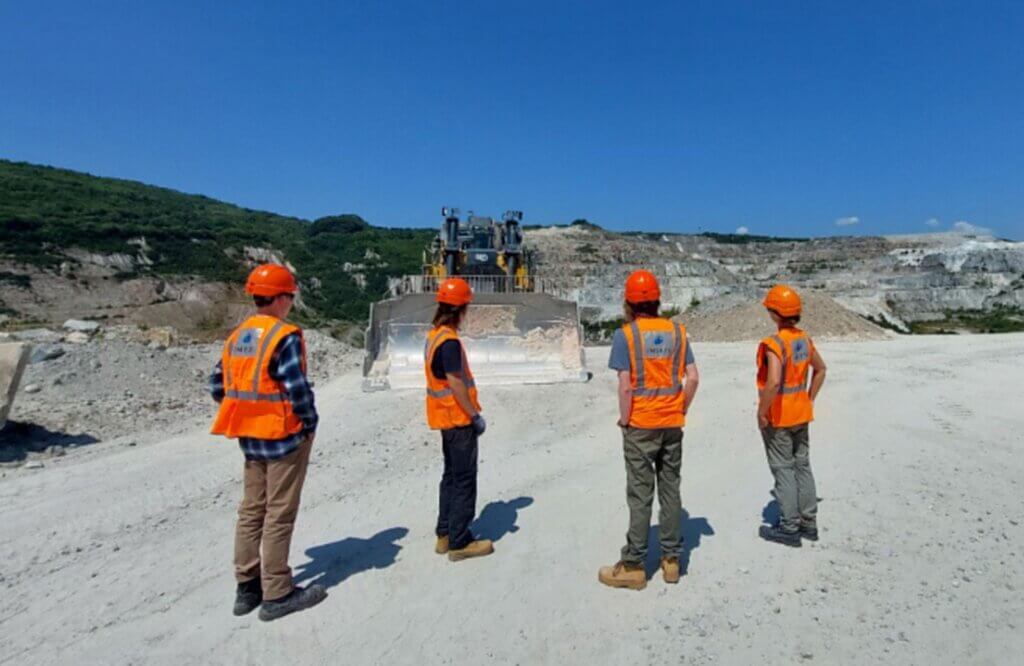
    In a concerted effort to inspire the next generation of professionals in the mining industry, Imerys, the largest mineral mining and extraction company in Cornwall, has actively engaged with local students throughout the first half of 2026. The company has hosted a series of educational events and work experience placements aimed at connecting young people with real career opportunities in geology, engineering, and other related fields.

    So far this year, Imerys has participated in 15 educational events, reaching hundreds of students at local schools and colleges. These events showcase various specialisms within the company, with the overarching goal of raising awareness about the mineral extraction and processing industry. Imerys believes that such initiatives benefit not only those who may pursue careers in mining but also the wider community by fostering a better understanding of the industry.

    In addition to school visits, Imerys has welcomed 33 work experience students since January. These placements have allowed students to gain insights into various departments, including engineering, mining, geology, restoration, finance, IT, and science labs. Clare Sleeman, Imerys’ talent and learning manager, emphasised the importance of these experiences, stating that they provide invaluable real-world insights and hands-on experience, which can significantly influence students’ career choices.

    Feedback from students who participated in the work experience placements has been overwhelmingly positive. Many expressed gratitude for the opportunity and shared how the experience shaped their future career aspirations. For instance, one geology and engineering student expressed a desire to apply for a maintenance engineer apprenticeship after their placement, while another highlighted their enjoyment of surveying work. Additionally, an engineering student noted how the supportive environment and the people they worked with inspired them to pursue a career as an electrician.

    Imerys’ commitment to engaging with local communities and fostering talent in the mining sector is a testament to its role as a leader in the industry. By investing in the education and development of young people, Imerys not only cultivates a skilled workforce for the future but also strengthens its ties to the community, ensuring that the benefits of the mining industry are shared more broadly.