Website: Europe.com

  • Rethinking Mining: Strategies for Sustainable Development in the Critical Minerals Sector

    Rethinking Mining: Strategies for Sustainable Development in the Critical Minerals Sector

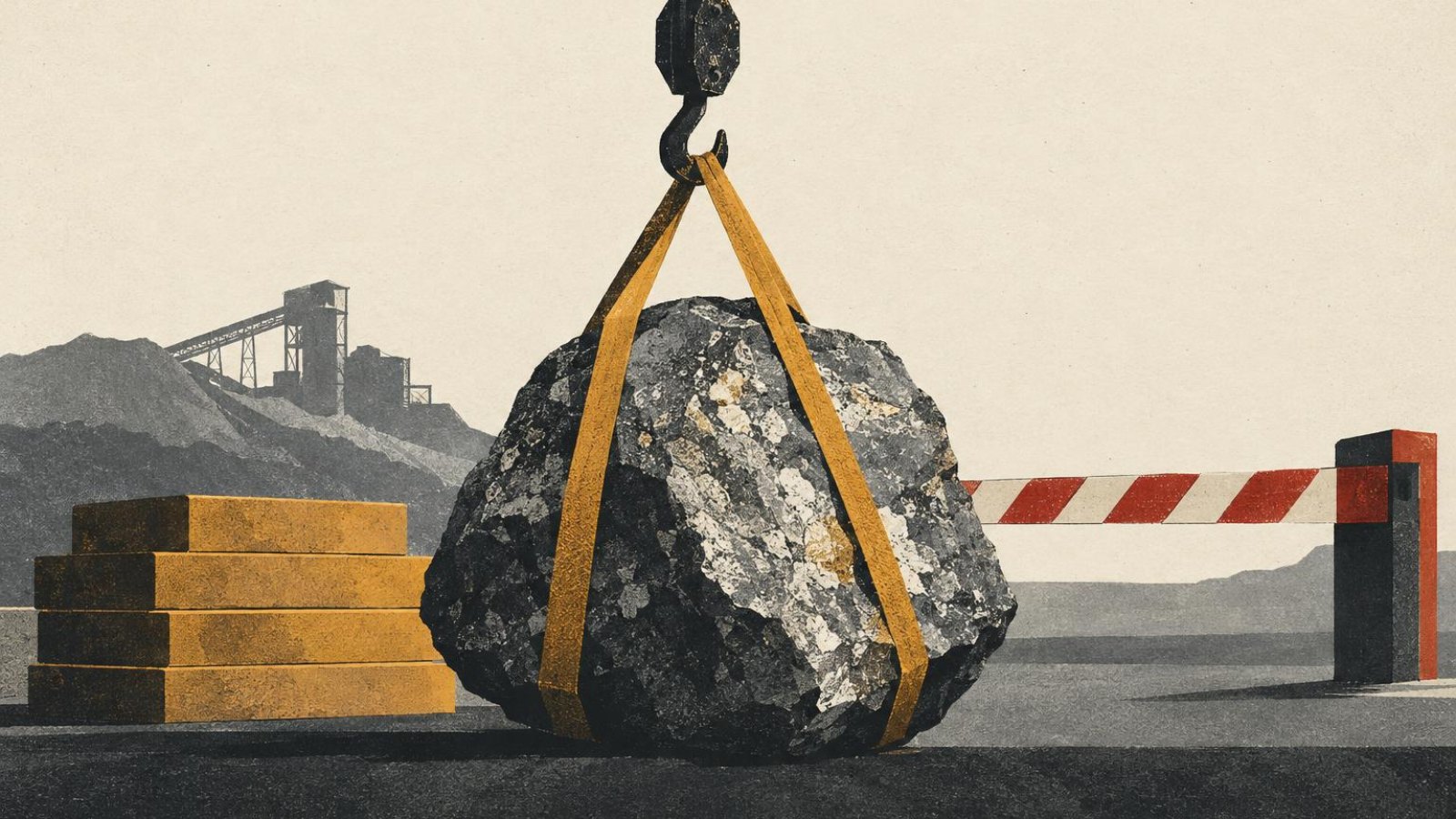
    The mining industry is currently facing a pivotal moment as the demand for critical minerals continues to surge. This demand necessitates a comprehensive re-evaluation of how mining projects are designed, financed, and executed, with a strong emphasis on minimising environmental impacts and rebuilding trust within communities. In a recent discussion featuring Dr. Sarah Gordon, a risk management expert and geologist at Satarla, Josephine Weston, an environmental engineer at Worley, and Darryn Quayle, Vice President at Worley, the future of mining was explored through the lens of innovation and collaboration.

    The conversation highlighted the pressing question: can the mining sector transform quickly enough to meet the future’s demands? The participants underscored the importance of integrating new technologies and making better early-stage decisions to enhance project outcomes. They also discussed the significance of collaboration among engineers, financiers, industry leaders, and local communities to address the multifaceted challenges facing the industry.

    A key initiative, ‘Capital Matters’, aims to revolutionise the way mining projects are approached. The initiative seeks to bring together various stakeholders to engage in candid discussions about the systemic issues plaguing the industry, such as projects frequently exceeding budgets and timelines. Currently, new mining projects can face cost overruns of up to 50% and take as long as 15 years to complete. By fostering trust and transparency, ‘Capital Matters’ believes that project delivery times could be significantly reduced, potentially from 15 years to just 5.

    The dialogue emphasised that the challenges faced by the mining industry are not solely technical; they are deeply rooted in trust issues. As the industry grapples with its reputation and the need for sustainable practices, rebuilding trust with communities is paramount. This trust is essential for the successful implementation of mining projects that are not only economically viable but also socially responsible and environmentally sound.

    The insights shared during this conversation are part of a broader effort to reshape the mining industry, making it faster, fairer, and more sustainable for the planet. As the world increasingly relies on raw materials for clean energy, technology, and healthcare, the mining sector must adapt to ensure it can meet these demands responsibly. The ongoing discussions and initiatives like ‘Capital Matters’ are crucial for paving the way towards a more sustainable future in mining, one that prioritises the needs of communities and the environment alongside economic growth.


  • Eldorado Gold Holds Site Tour of Greek Mining Assets for Investors

    Eldorado Gold Holds Site Tour of Greek Mining Assets for Investors

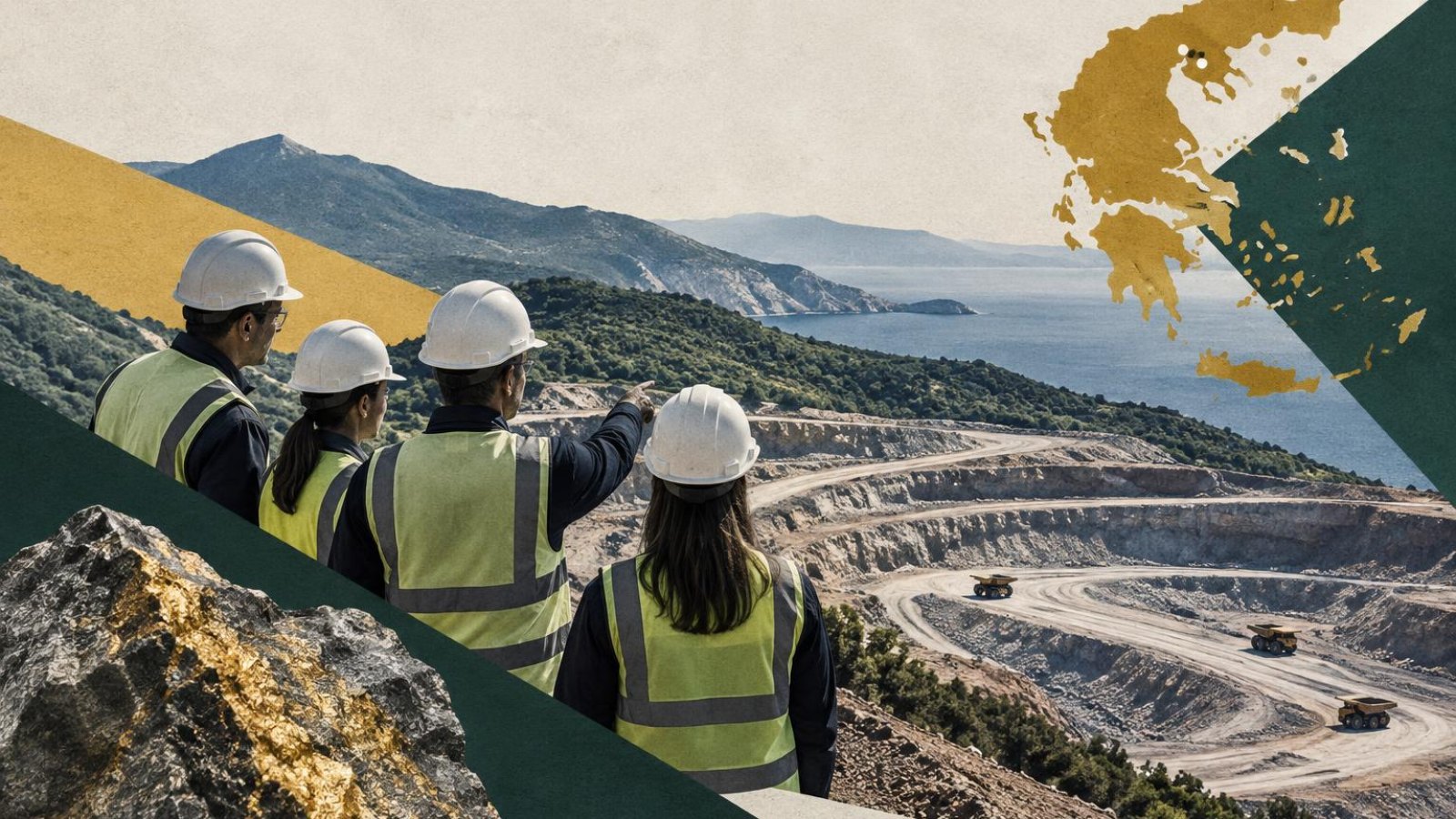
    Eldorado Gold Corporation, a prominent player in the mining sector, has announced a site tour of its Kassandra Mines assets located in Greece, specifically focusing on the Skouries and Olympias mines. Scheduled from September 15 to 18, 2026, this event is aimed at analysts and institutional investors, providing them with an opportunity to gain firsthand insight into the company’s exploration activities and operational strategies in the region.

    The tour will showcase Eldorado’s commitment to responsible mining practices and its ongoing exploration efforts in Greece, a country rich in mineral resources. Participants will have the chance to observe the company’s operations and engage with its management team, thereby enhancing their understanding of Eldorado’s strategic direction and the potential of its Greek assets.

    Eldorado Gold is known for its diversified portfolio, which includes gold, copper, and base metals production across Canada, Türkiye, and Greece. The company prides itself on maintaining a highly skilled workforce and fostering long-term partnerships with local communities, ensuring that its operations are both safe and sustainable.

    The presentation materials for the site tour are available for download on Eldorado’s official website, allowing interested parties to review the company’s plans and achievements prior to the event. This initiative underscores Eldorado’s transparency and commitment to keeping stakeholders informed about its activities and future prospects.

    As the mining industry continues to evolve, Eldorado Gold’s proactive approach in engaging with investors and analysts reflects its dedication to growth and innovation within the sector. The upcoming site tour is expected to bolster investor confidence and highlight the company’s strategic initiatives in one of its key operational regions.


  • UMCC Plans $70 Million Investment to Stabilise Operations Amid Export Challenges

    UMCC Plans $70 Million Investment to Stabilise Operations Amid Export Challenges

    United Mining and Chemical Company (UMCC), a key player in Ukraine’s titanium ore mining sector, is set to draw approximately $70 million from NEQSOL Holding B.V. over the next two years, contingent on improvements in the regulatory environment. Since its privatisation in October 2024, UMCC has invested over UAH 2 billion in operational and capital improvements, with a strategic plan aimed at achieving breakeven by 2028.

    The company’s management has highlighted that the successful implementation of this investment plan is heavily reliant on the lifting of export controls on rutile and zirconium concentrates. Currently, these restrictions hinder UMCC’s ability to fully capitalise on its production capabilities, as around 50% of its gross value products cannot be sold in external markets. Rishad Aliyev, head of investor relations at NEQSOL Holding, noted that the company has already lost approximately $35 million in potential foreign currency revenue since its privatisation due to these export limitations.

    In the first half of 2026, UMCC’s production output exceeded 84% of its total output for 2025, indicating a strong recovery post-privatisation. The company has successfully re-established its customer base in the U.S., Mexico, and EU countries. However, logistical challenges remain, particularly in exporting products from its Vilnohirsk mining and metallurgical plant to the U.S. The ongoing conflict has complicated shipping routes, prompting UMCC to explore alternative rail routes through Romania or Poland, which significantly increases transportation costs and diminishes profit margins.

    UMCC’s CEO, Dimitri Kalandadze, emphasised the need for the company to stabilise production and modernise its operations, with a long-term goal of transitioning from raw material exports to producing higher value-added products domestically. The company is also preparing to commence extraction at the “Phase II” section of the Yurske deposit in Zhytomyr region, while three quarries are currently active at “Phase I.”

    Despite a challenging financial landscape, with a net loss of UAH 745.4 million reported in the first half of 2026, UMCC’s revenue rose by 34.8% to UAH 1.1171 billion. The company experienced a significant net loss of UAH 2.1182 billion in 2025, attributed to its transition to international financial accounting standards and the write-off of previous liabilities. The privatisation of UMCC by Tsemin Ukraine LLC for nearly UAH 4 billion has positioned the company under the umbrella of NEQSOL Holding, which operates across various sectors globally.

    As UMCC navigates these operational hurdles, the State Property Fund of Ukraine has expressed its willingness to collaborate with businesses and government bodies to address the regulatory challenges that currently affect the company’s investment appeal and operational efficiency.


  • Future Mining Forum & Expo Highlights Critical Role of Coking Coal in European Industry

    Future Mining Forum & Expo Highlights Critical Role of Coking Coal in European Industry

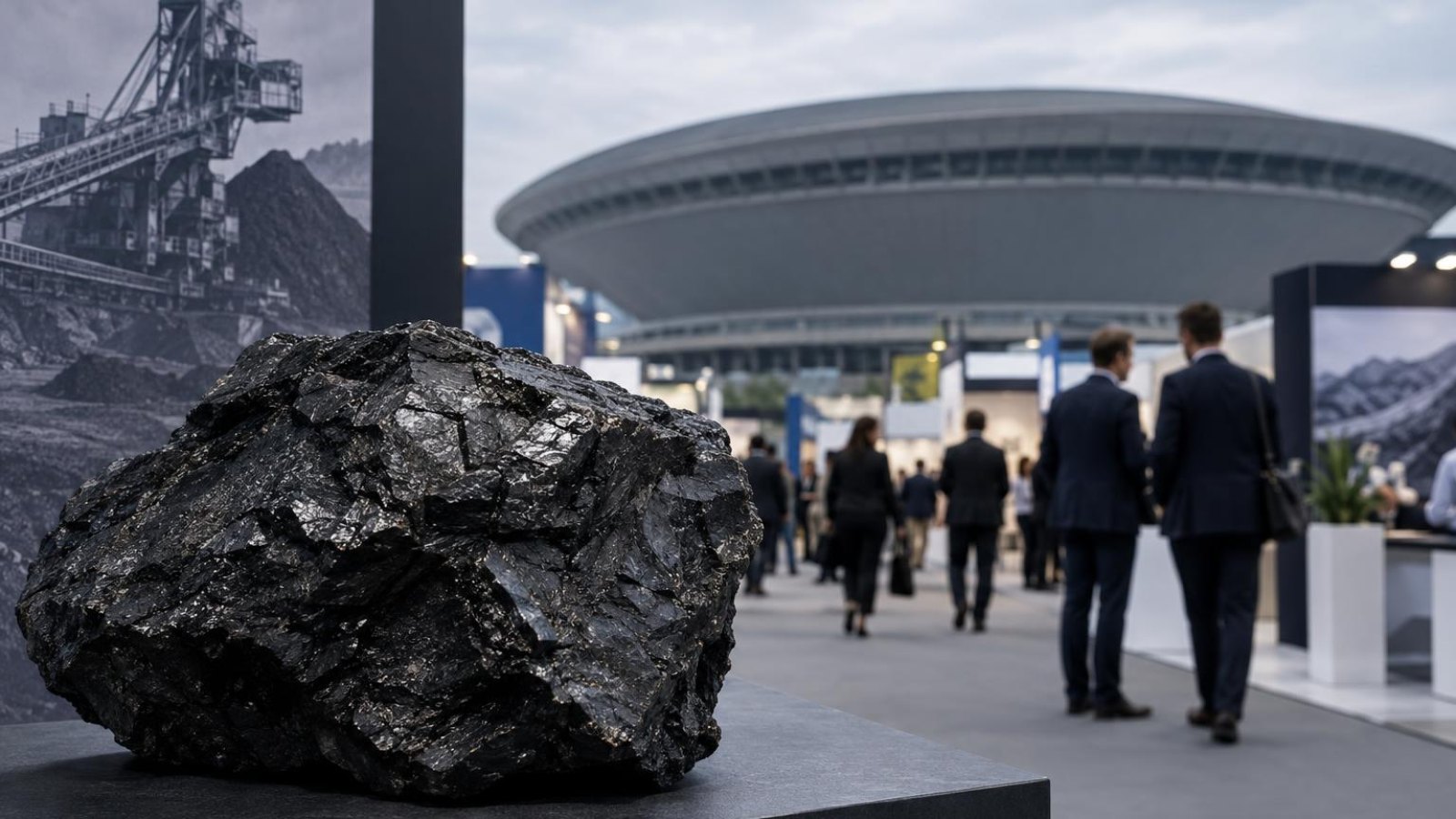
    The Future Mining Forum & Expo, held in Katowice, Poland, recently concluded with a strong emphasis on the pivotal role of mining in modern economies. The event brought together key stakeholders from the mining sector, industry leaders, and government officials to discuss pressing issues related to raw materials, technological advancements, and the future of industrial Silesia. A recurring theme throughout the three-day conference was the assertion that ‘a modern economy starts with mining,’ underscoring the sector’s foundational importance.

    One of the central topics addressed was the significance of critical raw materials, particularly coking coal, which is included on the European Union’s list of 34 critical raw materials. Prof. Jerzy Buzek highlighted the necessity of making coking coal extraction profitable, given its importance to the EU’s industrial landscape. Bogusław Oleksy, President of Jastrzębska Spółka Węglowa (JSW), echoed these sentiments, pointing out the lack of sufficient support for coking coal despite its critical status. He stressed that while discussions about energy sovereignty are prevalent, they often lack the necessary backing in terms of concrete support mechanisms.

    The need for a coherent industrial, raw materials, and energy policy within the EU was a key point raised by Oleksy, who warned that without clear direction, Europe risks losing its competitiveness in the global market. Wojciech Balczun, head of the Ministry of State Assets, also addressed JSW’s current challenges, particularly in maintaining liquidity and securing financing amidst ongoing restructuring efforts. He noted that approximately 7,000 jobs may be lost in the industry due to these changes, highlighting the scale of the transformation underway.

    Balczun outlined systemic solutions being developed to support JSW through this transition, including amendments to mining legislation that would facilitate workforce optimization. Adam Rozmus, Vice-President of JSW, emphasized the need for improved work organization and planning to maintain production levels with a reduced workforce.

    Despite the challenges, there is cautious optimism regarding market conditions for coking coal and coke, with expectations of a market rebound by 2030. The Future Mining Forum & Expo also showcased innovative technologies aimed at transforming the mining sector, including advancements in automation, robotics, and artificial intelligence, which are essential for the industry’s evolution.

    Overall, the conference served as a crucial platform for dialogue on the future of mining in Europe, highlighting both the challenges and opportunities that lie ahead for the sector as it adapts to changing market dynamics and regulatory landscapes.


  • Savannah Resources Progresses Barroso Lithium Project with Final Drilling and Community Engagement

    Savannah Resources Progresses Barroso Lithium Project with Final Drilling and Community Engagement

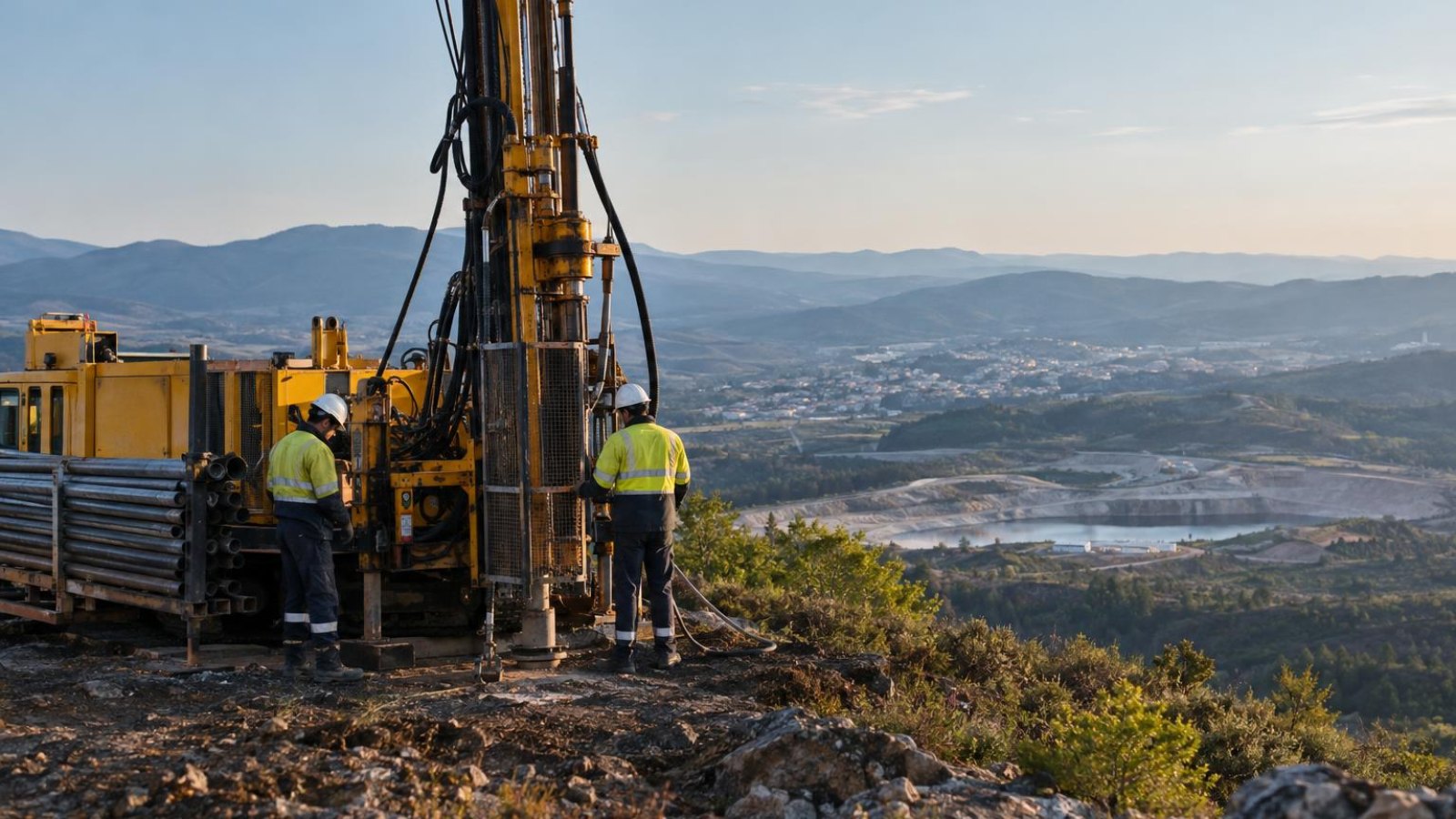
    Savannah Resources has initiated the final pre-construction drilling phase at its Barroso Lithium Project located in northern Portugal. This significant step follows the recent publication of a definitive feasibility study and an initial JORC reserve statement over the summer, marking a crucial milestone for the project. The drilling programme, which employs multiple rigs, aims to gather essential geotechnical and groundwater data that will inform the detailed engineering of vital infrastructure components, including water reservoirs and tailings storage facilities. This data is critical for the project’s financing and construction readiness.

    In addition to the drilling activities, Savannah Resources is advancing its technical work related to project financing and has expanded its project team to support these efforts. The company is also focused on strengthening its relationships within the local community and the wider industry. Notably, Savannah has signed a memorandum of understanding with the parish church of Boticas, which will facilitate cultural and social support, integrating the parish into its local consultative committee. Furthermore, the company is sponsoring an international ore deposits symposium to underscore the importance of lithium in Europe’s energy transition.

    The Barroso Lithium Project is classified as a Strategic Project under the EU Critical Raw Materials Act and is supported by a Portuguese state grant of up to €110 million. Once operational, the project is expected to produce approximately 183,000 tonnes per year of spodumene concentrate, sufficient to supply lithium for around 500,000 vehicle battery packs annually. Savannah Resources is committed to responsible development, aiming to minimise environmental impacts while maximising socio-economic benefits for stakeholders in Portugal and contributing to Europe’s burgeoning lithium ecosystem.

    Despite the promising developments, analysts have expressed mixed sentiments regarding Savannah Resources’ stock performance. The company currently faces challenges, including no revenue and ongoing losses, which have led to a neutral rating from analysts. However, the strong balance sheet and recent corporate developments related to the project provide some optimism for investors.

    Overall, Savannah Resources is making significant strides in advancing the Barroso Lithium Project, which is poised to play a pivotal role in supplying lithium for Europe’s battery market, thereby supporting the region’s transition to sustainable energy solutions.


  • Poland Invests PLN 185.7 Million in National Critical Raw Materials Exploration Program

    Poland Invests PLN 185.7 Million in National Critical Raw Materials Exploration Program

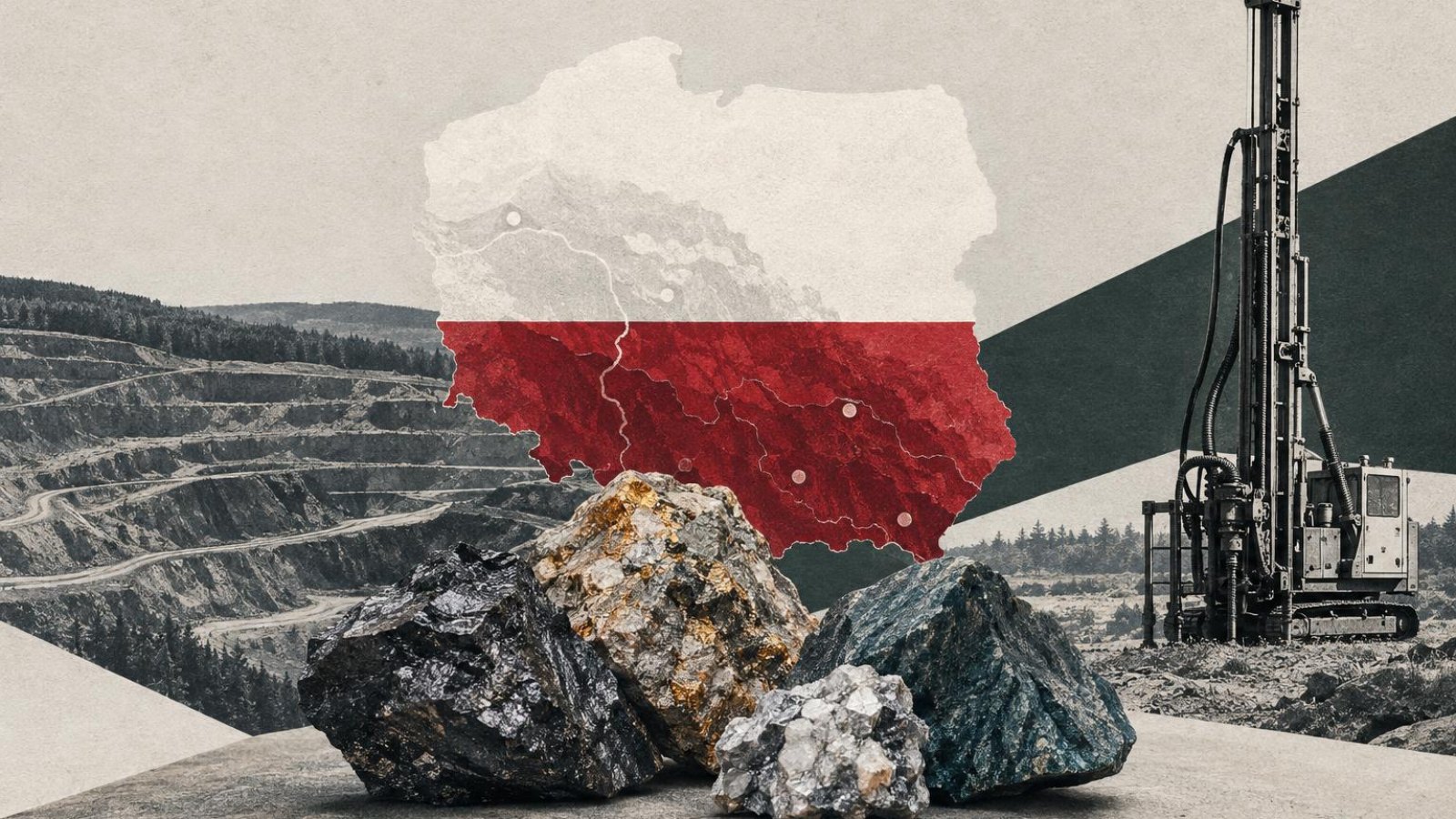
    Poland is set to allocate approximately PLN 185.7 million to enhance the assessment of its domestic critical raw material resource base through the newly adopted National Critical Raw Materials Exploration Program (KPPSK). Officially approved by the Council of Ministers on September 2, 2026, this initiative will span from 2026 to 2033 and will be executed by the Polish Geological Institute under the oversight of the minister responsible for environmental affairs, with support from the Chief National Geologist. The funding for this ambitious program will be sourced from the National Fund for Environmental Protection and Water Management.

    The KPPSK program is designed to focus on the exploration and research of various critical raw materials, including copper, platinum group metals, graphite, fluorite, tungsten, and mineral resources containing rare earth elements (REEs). The program will encompass a range of activities such as geophysical surveys, geochemical analyses, geological mapping, and core drilling. The scope of subsequent work will be contingent upon the results obtained from these initial studies, which aim to provide a clearer understanding of geological structures, the distribution of mineralized zones, and the overall mineral resource potential of the investigated areas.

    This initiative marks a significant step forward for Poland, as the KPPSK will enhance the country’s geological understanding of its critical raw material occurrences. The data generated from this program will be crucial for informing future investment decisions in both mining and processing sectors. A comprehensive knowledge of Poland’s resource base is essential for securing supplies, developing geological and mining expertise, and bolstering the resilience of value chains across various sectors, including manufacturing, energy, and defense.

    In summary, the KPPSK represents a proactive approach by the Polish government to strengthen its position in the global mining landscape and ensure the sustainable management of its critical raw materials. The program is expected to not only improve the country’s geological knowledge but also contribute to the overall economic stability and security of supply chains in key industries.


  • EU Investigates Anglo-American’s Nickel Sale to Chinese Firm MMG Amid Supply Chain Concerns

    EU Investigates Anglo-American’s Nickel Sale to Chinese Firm MMG Amid Supply Chain Concerns

    The European Commission (EC) is currently scrutinising a significant $500 million acquisition of Anglo American’s Brazilian nickel business by China-backed MMG, a move that could have far-reaching implications for European supply chains and geopolitical dynamics. The investigation focuses on whether the deal could enable MMG to divert ferronickel supplies away from Europe, potentially increasing costs for stainless steel producers in the region. This case represents a critical test of how far European regulators will go to limit Chinese influence over strategic resource supply chains, particularly in light of recent export restrictions imposed by Beijing on various materials.

    MMG, which is controlled by state-owned China Minmetals, is advocating for the approval of the acquisition, arguing that the Directorate-General for Competition (DG COMP) should base its decision on data rather than geopolitical considerations. Troy Hey, MMG’s executive general manager of corporate relations, expressed confidence that the commission would evaluate the transaction objectively. However, the EC has raised concerns that the acquisition could undermine the competitiveness of European stainless steel producers by limiting their access to essential ferronickel supplies.

    The acquisition, which includes two ferronickel operations and two greenfield projects in Brazil, is not classified as involving critical minerals. Nonetheless, European steelmakers are apprehensive that increasing Chinese ownership of overseas production could expose them to supply disruptions or economic pressures. MMG has countered the commission’s assessment, asserting that independent data shows there is no ability or incentive to restrict market access.

    Anglo American has also defended the transaction, suggesting that the growing production of ferronickel from other suppliers and the ability of European customers to switch sources should allow the deal to proceed without conditions. They argue that EU restrictions on Chinese steel imports further mitigate any competitive threat posed by the acquisition.

    The implications of this deal extend beyond Europe, as Brazil’s competition authority has initiated its own investigation following a complaint from CoreX Holding, a regional competitor. Critics of the acquisition argue that regulators should consider the broader context of competition among major economies for control of raw materials, particularly amid escalating trade tensions between the US and China.

    This situation presents European authorities with a complex dilemma: they must evaluate the market effects of the transaction while simultaneously striving to reduce strategic dependencies and bolster domestic industrial supply chains. A decision to block or impose conditions on the acquisition could indicate that geopolitical supply risks are becoming increasingly significant in European resource deals, while an unconditional approval would reinforce the argument that concerns over Chinese control do not outweigh the competitive landscape for ferronickel.


  • UMCC Titanium and SPFU Discuss Ukraine’s Titanium Industry Development and Export Expansion

    UMCC Titanium and SPFU Discuss Ukraine’s Titanium Industry Development and Export Expansion

    On 9 September, UMCC Titanium’s Irshansk branch hosted a delegation from the State Property Fund of Ukraine (SPFU), led by Head Dmytro Natalukha. The visit included representatives from Expertise France and Ukrainian media, who were briefed on the company’s post-privatisation results, operational status, social programmes, challenges, and future plans. CEO Dimitri Kalandadze highlighted the company’s commitment to stability and support for its workforce, even amidst the ongoing conflict in Ukraine.

    UMCC Titanium, which employs over 4,000 people, has seen 565 of its staff members join the Armed Forces. Since the completion of privatisation, the company has contributed nearly UAH 620 million in taxes and mandatory contributions, ensuring timely salary payments and maintaining social infrastructure. The company’s stable operation is viewed as a responsibility to its employees and local communities.

    Rishad Aliyev, First Deputy CEO and Group Director of Investor Relations at NEQSOL Holding, discussed the investor’s role in the company’s performance. Following NEQSOL’s acquisition of UMCC Titanium in 2024 for approximately UAH 4 billion, the investor has injected nearly UAH 2 billion in additional financing for production and modernisation efforts. Despite facing a loss of UAH 2.1 billion in 2025, largely due to accounting impairments, the first half of 2026 has shown positive trends with a production increase of over 68,000 tonnes and revenues exceeding UAH 1.1 billion.

    The meeting also addressed the state export control procedures for rutile and zircon concentrates, which comprise over 90% of UMCC Titanium’s products. Lengthy permitting processes have hindered contract fulfilment and weakened the company’s international market position, leading to an estimated loss of USD 35 million in potential revenue since the new investor’s arrival. The company advocates for maintaining strict sanctions while streamlining export mechanisms.

    Dmytro Natalukha emphasised the significance of UMCC Titanium’s privatisation as a signal to international investors, reinforcing Ukraine’s potential for investment even during wartime. The delegation toured the production facilities, including the open-pit mine and processing plant, fostering dialogue among the company, state, investors, and society. UMCC Titanium’s priorities include stable production, facility modernisation, resource base expansion, and the development of higher-value-added production in Ukraine.


  • Polish Delegation Explores Investment Opportunities in Rwanda’s Mining Sector

    Polish Delegation Explores Investment Opportunities in Rwanda’s Mining Sector

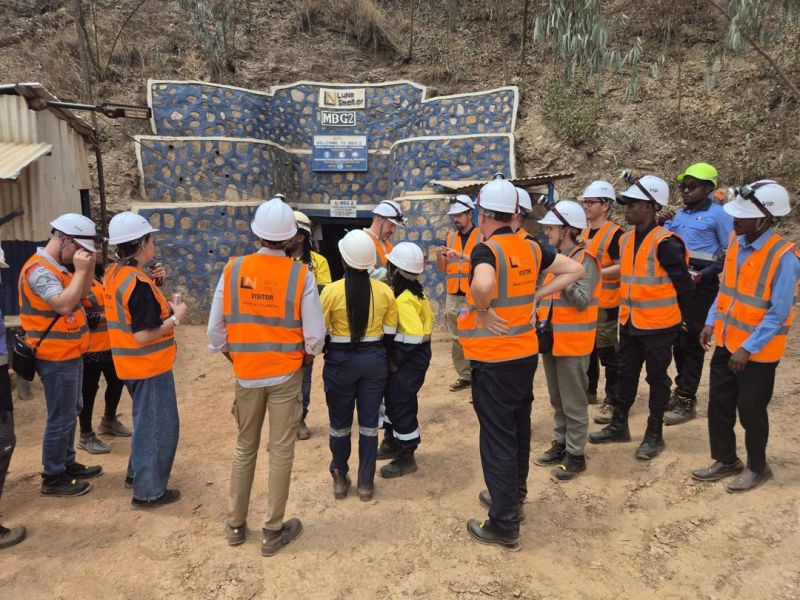
    A delegation led by Marcin Sypniewski, a Member of the European Parliament, recently visited Rwanda to assess the country’s mining and mineral-processing sector, specifically focusing on LuNa Smelter and Mbogo Mine. This visit highlights the significant Polish investment in Rwanda, which aims to enhance local value addition and promote responsible mineral production. The delegation included key figures from the European Parliament and Africee Group Limited, showcasing a collaborative effort to strengthen economic ties between Poland and Rwanda.

    At Mbogo Mine, the delegation observed the extraction of cassiterite, a key mineral, and learned about the responsible mining practices employed at the site. Following this, they toured LuNa Smelter, where cassiterite is refined into high-purity tin. This integrated mine-to-metal model exemplifies the importance of traceability and responsible sourcing in the mining industry, demonstrating how investments can extend beyond mere extraction to include mineral processing.

    Sustainability and the circular economy are central to LuNa’s operations. The mine is actively repurposing mining tailings into construction materials, while the smelter is committed to achieving a zero-waste production model. This approach maximises resource recovery and maintains a low carbon footprint, aligning with global sustainability goals.

    The delegation also discussed LuNa’s expansion projects, which aim to enhance processing capacity and efficiency, thereby increasing the value derived from Rwanda’s mineral resources. Such visits are crucial for providing international visibility to Rwanda’s mining sector, allowing policymakers and investors to witness the progress and opportunities available for investment in sustainable critical-mineral supply chains.

    LuNa Smelter’s role as a Polish investment in Rwanda underscores the potential for strengthening economic cooperation between the two nations. The hope is that this partnership will pave the way for increased investment, technology exchange, and industrial collaboration within the global critical-minerals value chain, further enhancing Rwanda’s position in the mining industry.


  • Europe’s Nickel Waste: A Hidden Resource in Industrial Wastewater

    Europe’s Nickel Waste: A Hidden Resource in Industrial Wastewater

    Europe’s nickel supply chain faces a significant challenge, as highlighted by Marco Bersani, who reveals that 50% of the nickel processed in Europe ends up in landfills. This alarming statistic underscores the inefficiencies in the current system, where nickel is imported from Indonesia, refined, and then discarded without ever being used. The crux of the problem lies in the wastewater generated during various industrial processes, which contains high concentrations of dissolved nickel and other metals.

    Bersani’s company, Circular Materials, is addressing this issue by extracting valuable metals from wastewater, turning a potential environmental hazard into a profitable resource. The European Commission has recognised this initiative as a Strategic Project under the Critical Raw Materials Act, highlighting its importance in the context of Europe’s critical minerals strategy. With facilities in Padova and plans for a larger site in Ferrara, Circular Materials aims to recover significant amounts of nickel and other critical metals that are currently lost in industrial processes.

    The scale of the problem is staggering, with estimates suggesting that Europe loses between 12,000 to 15,000 tonnes of mixed critical metals annually through wastewater. In comparison, the United States may be losing three to four times that amount. This situation raises critical questions about the management of resources in manufacturing and plant engineering sectors. Many facilities may not even be aware of the valuable metals present in their wastewater, focusing solely on meeting discharge limits rather than recovering these resources.

    As the mining industry grapples with permitting timelines for new mines, the potential for recovering metals from wastewater presents a more immediate and sustainable solution. The conversation around resource management must shift to include the exploration of wastewater as a viable source of critical metals, ensuring that Europe can better utilise its existing resources while reducing environmental impact.