Website: Europe.com

  • Portugal Investigates Compressed-Air Energy Storage as a Renewable Energy Solution

    Portugal Investigates Compressed-Air Energy Storage as a Renewable Energy Solution

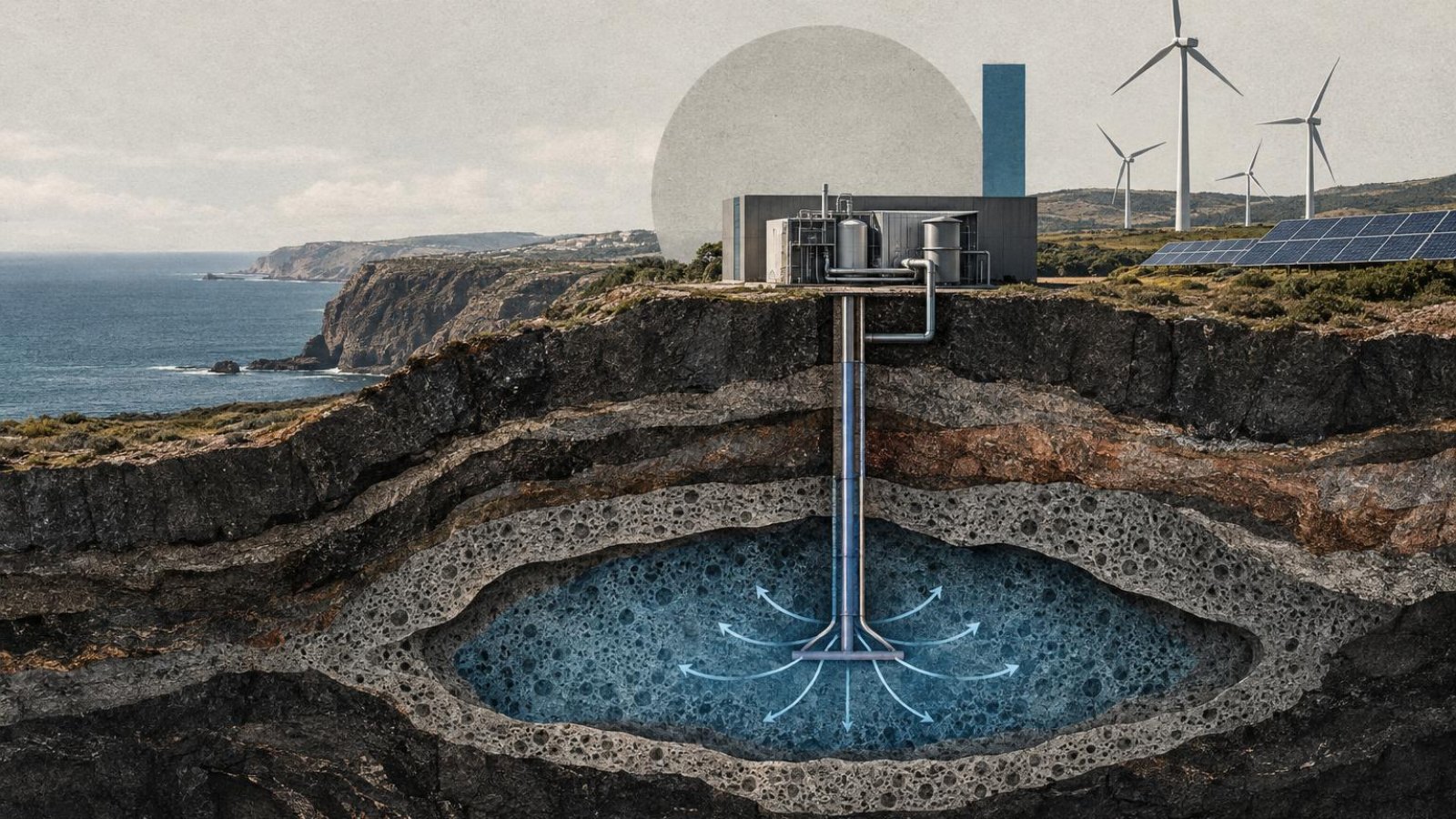
    Portugal is currently exploring the potential of deep layers of porous rock for storing surplus renewable electricity, which could serve as a large-scale alternative to conventional battery systems. According to a report by Euronews, researchers from NOVA University Lisbon and the University of Lisbon have been investigating a technology known as compressed-air energy storage (CAES). This innovative approach aims to tackle one of the significant challenges faced by wind and solar power: the limited capacity to store excess electricity generated during peak production times.

    The researchers’ modelling indicates that under optimal theoretical conditions, a single reservoir located at depths of up to 3,000 meters could provide approximately 1 terawatt-hour (TWh) of storage capacity. The concept involves harnessing excess wind and solar energy to compress air, which is then injected into suitable geological formations located hundreds or even thousands of meters underground. This method could prevent clean energy from being wasted when electricity generation surpasses demand.

    When there is a need for electricity, energy companies could release the pressurised air from underground storage, using it to drive turbines and generate power. This system has the advantage of being able to store large quantities of energy over extended periods, thereby enhancing grid stability compared to traditional lithium-ion batteries.

    Interestingly, Kazakhstan has experience with a similar principle, albeit for a different purpose. The country has been utilising underground geological formations for large-scale storage of natural gas, ensuring stable supplies during the winter months. By 2028, Kazakhstan aims to expand the capacity of its Bozoi underground gas storage facility to 4 billion cubic meters, showcasing the viability of underground storage solutions in managing energy resources effectively.

    As Portugal investigates this promising technology, it could pave the way for more sustainable energy practices and contribute to the global transition towards renewable energy sources. The success of such initiatives may inspire other countries to explore innovative methods of energy storage, further enhancing the reliability and efficiency of renewable energy systems.

  • BGV Group Initiates First Water Treatment Project in Ukraine

    BGV Group Initiates First Water Treatment Project in Ukraine

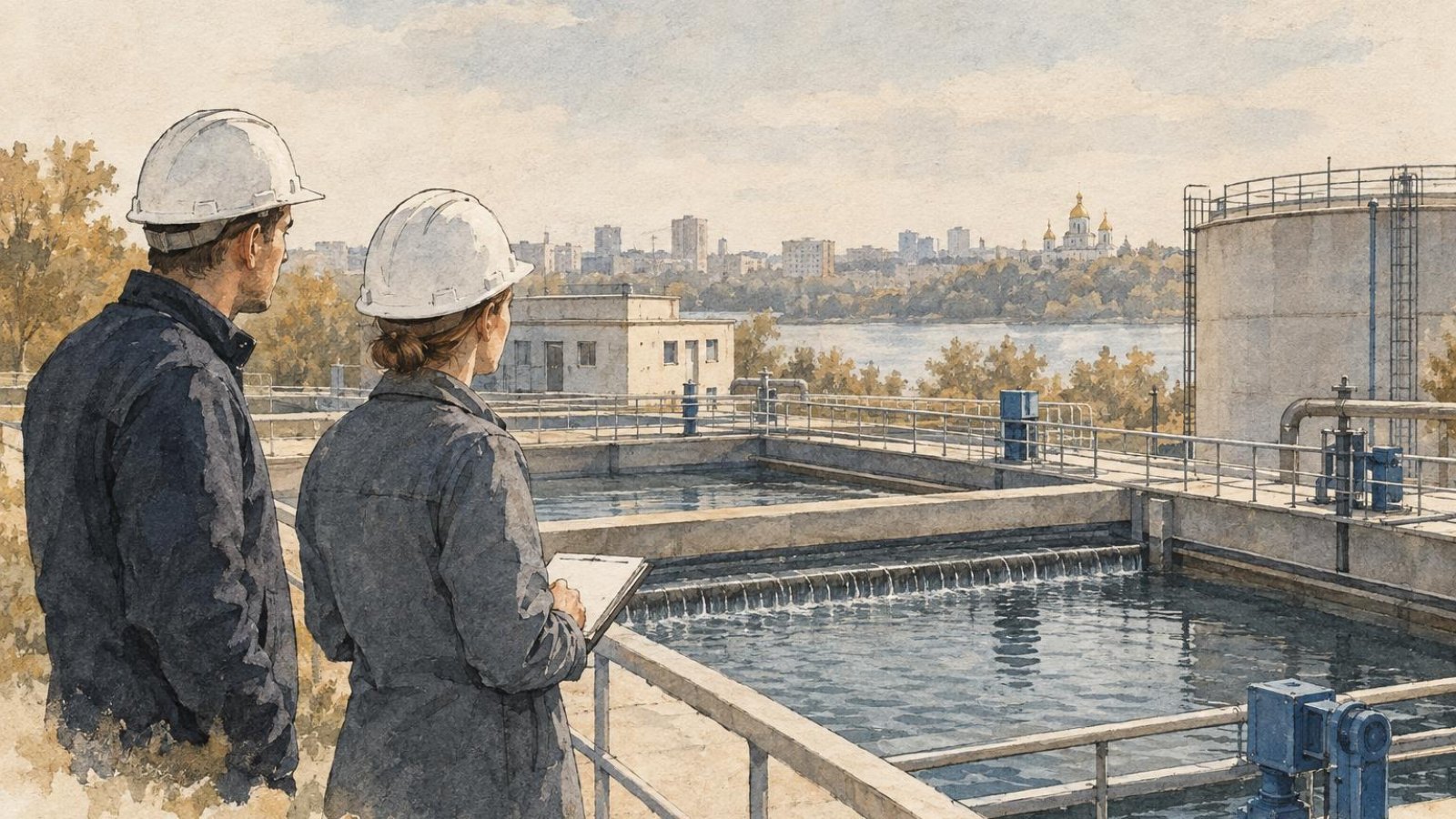
    BGV Group Management is embarking on a significant initiative to modernise urban water systems in Ukraine, leveraging private investment, advanced European technology, and local expertise. The company’s inaugural project, part of its Energy and Infrastructure division, aims to address the pressing challenges faced by Ukraine’s water supply and wastewater infrastructure, which is largely outdated and underdeveloped. According to the Danube Water Program by the World Bank and UNICEF, only about one-third of Ukraine’s population has access to wastewater treatment systems, a stark contrast to over 80% in the European Union. The majority of the country’s wastewater treatment facilities were constructed between the 1960s and 1980s and are no longer compliant with current treatment standards.

    Oleksii Tymofieiev, a member of the BGV Group Management Board, acknowledged the sector’s challenges and the inherent risks of investing in Ukraine. He emphasised the necessity for local businesses and communities to spearhead these improvements, stating, “If we don’t start this work from the ground up, nothing will ever change.” BGV has committed to investing its own capital, which allows for greater flexibility and a quicker response than traditional funding methods. After more than a year of preparation, including discussions with city officials and site assessments, BGV is ready to launch its first project in Kalush.

    The Kalush project will feature a wastewater treatment plant capable of processing up to 10,000 cubic metres of wastewater per day. Construction is anticipated to take two years, with a payback period of up to ten years, funded through a tariff that incorporates an investment component. The contract for wastewater treatment services will span 25 years.

    Utilising WTR technology, a proven solution already implemented in over 200 projects globally, the Kalush facility aims to set a benchmark for future projects. Prior to selecting this technology, BGV conducted an independent expert analysis to ensure it met the necessary performance criteria. Maksym Habriichuk, director of NOVA-KOS LLC, the project company established by BGV to manage the construction and operation of wastewater treatment facilities, expressed optimism about the potential for similar projects across Ukraine, highlighting Kalush’s readiness to collaborate and the project’s solid economic and technological foundation.

    In parallel, BGV is actively seeking additional projects in various Ukrainian cities and is exploring opportunities to establish a comprehensive water infrastructure operator, signalling a broader commitment to enhancing the country’s water management capabilities.


  • Metinvest Warns of Critical Situation in Ukrainian Metallurgy Amid Ongoing Challenges

    Metinvest Warns of Critical Situation in Ukrainian Metallurgy Amid Ongoing Challenges

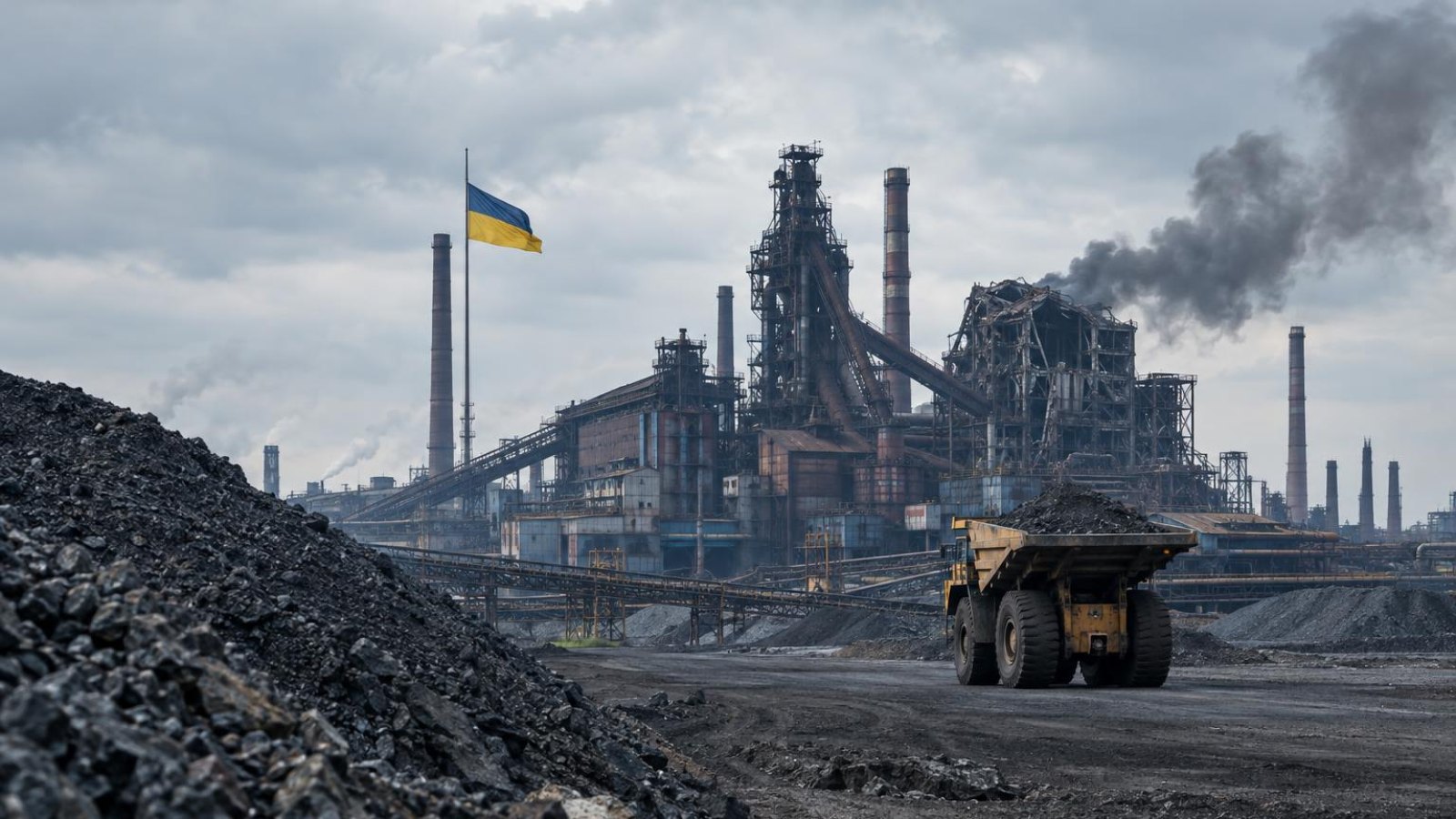
    Ukrainian metallurgy is facing a critical situation due to ongoing Russian attacks on enterprises, the blockade of Black Sea ports, high logistics costs, soaring electricity prices, and restrictions from the EU. Alexander Mironenko, the operational director of the Metinvest Group, stated in an interview with Forbes Ukraine that the financial resilience that helped companies survive the initial years of the war has been depleted.

    In the years 2022-2023, Metinvest had a buffer built from pre-war operations, but that safety net has now vanished, not just for them but for all companies in the sector. Without state support and assistance from foreign partners, Mironenko warned that survival is becoming increasingly difficult. Currently, only the Central and Northern Mining and Processing Plants are operational, running at approximately 50% capacity. The Southern Mining and Processing Plant is idle due to port closures, while the Ingulets Mining and Processing Plant has been shut down due to high electricity costs.

    The crisis has escalated beyond individual companies; without ports, accessible logistics, and support from the government and partners, Ukrainian metallurgy risks losing a significant portion of its production capacity. Mironenko highlighted the blockade of ports as one of the industry’s primary challenges. Without the resumption of maritime exports, even restored enterprises will struggle to operate at full capacity. The blockade has resulted in a loss of approximately 1.5 million tonnes of iron ore exports per month. Additionally, the company now imports around 250,000 tonnes of coking coal monthly, with logistical costs increasing by 50-60% due to the need to reroute through Poland and Constanța.

    The EU has become the main accessible external market due to the port blockade, but quotas and the Carbon Border Adjustment Mechanism (CBAM) limit exports to about half of last year’s volume. Over the past year, Metinvest’s production costs have risen by approximately 30%, primarily due to logistics and electricity expenses. Mironenko believes that the government should establish recovery mechanisms for the industry similar to those available for other sectors affected by Russian strikes.

    He pointed out that while there are funds for the energy sector to support recovery, no such funds exist for metallurgists or other industries, which is a significant oversight given that metallurgy is a major export-oriented sector that has consistently paid taxes. From 2022 to 2025, Metinvest has invested 43.6 billion UAH in enterprise development and paid over 82.2 billion UAH in taxes. Since the onset of the war, the company has allocated over 10 billion UAH to assist Ukraine and its citizens, with 7.3 billion UAH directed towards the needs of the Defence Forces under the ‘Steel Front’ initiative. Additionally, the company has adapted its production to supply goods for the front lines, including protective equipment for military personnel and machinery.


  • Poland Allocates $1.1 Billion for Trade and Infrastructure Projects in Sub-Saharan Africa

    Poland Allocates $1.1 Billion for Trade and Infrastructure Projects in Sub-Saharan Africa

    Poland’s State development bank, Bank Gospodarstwa Krajowego (BGK), has announced a significant financing initiative exceeding $1.1 billion, aimed at fostering trade, joint ventures, and infrastructure projects across sub-Saharan Africa. Of this allocation, approximately $250 million is specifically designated for ventures in South Africa. This initiative, known as ‘Team Poland’, unites six state institutions, including BGK, the Polish Investment and Trade Agency (PAIH), and the Polish Development Fund, to provide essential financing, risk underwriting, and market advisory services for Polish companies seeking international expansion.

    The initiative aligns with the EU’s Global Gateway agreement, which focuses on enhancing both digital and physical infrastructure. Wioletta Reimer, BGK’s director for international business relations, highlighted that over 50% of the bank’s budget is now dedicated to African projects, indicating a strategic pivot in Poland’s foreign investment strategy. This funding mechanism allows BGK to extend financing to African importers purchasing Polish equipment, support local-Polish joint ventures, and co-finance transactions alongside African commercial lenders.

    The announcement was made during the inaugural Polish-South African Business Forum held in Johannesburg, marking a significant step in strengthening bilateral relations. Currently, bilateral trade between Poland and South Africa is valued between $1.5 billion and $1.6 billion, primarily focused on basic imports and exports. Notably, Poland ranks as South Africa’s seventh largest supplier of automotive components, contributing significantly to the local manufacturing sector.

    Kasia Muzyk, head of the PAIH Johannesburg foreign trade office, noted that while transactional trade has reached its limits, there is substantial potential for growth through direct investment and local value addition. Poland’s advanced machinery, engineering, and clean energy solutions, combined with South Africa’s expertise in mining and critical minerals, create a robust foundation for collaboration.

    However, both nations face infrastructural challenges that hinder competitiveness. BGK and PAIH have identified issues such as inadequate municipal water supplies and freight rail lines in South Africa, which echo the structural deficiencies Poland faced in the 1990s. Addressing these bottlenecks is crucial for industrial survival, as highlighted by Nina Yose from the Industrial Development Corporation.

    The business forum also included discussions on the balance between decarbonisation and energy security, particularly in the context of South Africa’s coal belt and Poland’s Silesia region. BGK and PAIH emphasised the importance of bridging Africa’s $180 billion yearly infrastructure gap, especially in light of market risk perceptions that often disadvantage African ventures. As Polish companies mature and seek to invest in South Africa, BGK is prepared to deploy credit limits for viable projects backed by mutual collaboration, moving beyond mere diplomatic discourse to establish a concrete bilateral commercial engine.


  • MMG Faces EU Antitrust Warning Over Anglo American Nickel Acquisition

    MMG Faces EU Antitrust Warning Over Anglo American Nickel Acquisition

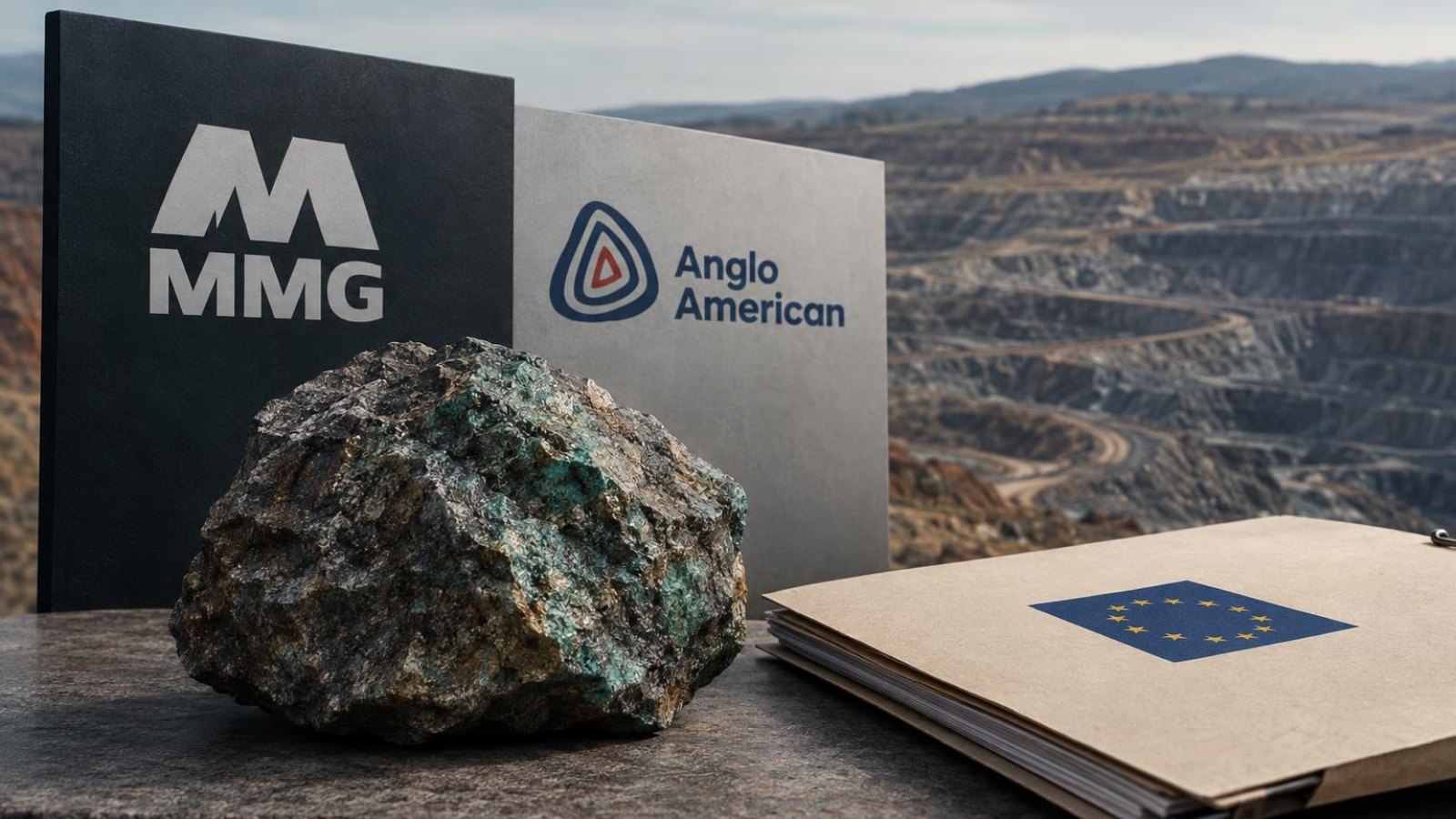
    MMG Ltd, a Hong Kong-listed mining and metals company, has received an antitrust warning from the European Commission regarding its proposed acquisition of Anglo American’s Brazilian nickel business. The Commission expressed concerns that the deal could lead to a diversion of nickel supply away from European stainless steel producers, potentially harming the market. This warning highlights the EU’s growing apprehension about its reliance on China for critical minerals essential for defence, technology, and renewable energy, particularly in light of Beijing’s export control measures.

    The Commission’s statement of objections indicates that MMG’s acquisition could negatively impact the supply of low-carbon ferronickel, a crucial component for stainless steel production. The EU’s concerns are compounded by the limited alternative sources of supply available to European producers, which could lead to increased prices and reduced resilience in the market.

    In response to the warning, MMG has been urged to offer concessions to secure clearance for the deal. However, the remedies proposed during the Commission’s preliminary review were deemed insufficient. The Commission noted that MMG might divert the target’s low-carbon ferronickel supply towards its affiliated stainless steel producers, controlled by the Chinese State-owned Assets Supervision and Administration Commission (SASAC), rather than supplying European manufacturers.

    Anglo American expressed disappointment over the EU’s warning, arguing that the acquisition would actually maintain the number of suppliers in the market. A spokesperson for the company stated that the Commission’s assessment overlooked the commercial realities of the market and the significant expansion of ferronickel supply that has occurred in the past year.

    MMG has indicated a willingness to guarantee long-term ferronickel supplies to European customers in an effort to alleviate the EU’s concerns. The outcome of this situation remains to be seen as MMG navigates the complexities of regulatory scrutiny while attempting to expand its operations in the critical minerals sector.


  • Cinovec Lithium Project Achieves Key Engineering and Regulatory Milestones

    Cinovec Lithium Project Achieves Key Engineering and Regulatory Milestones

    The Cinovec Lithium Project, operated by European Metals Holdings (EMH), has recently reported significant advancements in engineering optimisations and regulatory approvals that could enhance its financial viability and operational efficiency. In its mid-September 2026 financial and operations update, EMH announced a series of design optimisations for the planned lithium chemical plant (LCP) that are expected to substantially reduce costs. Notably, the introduction of a newly designed tunnel kiln is projected to lower capital expenditures (CapEx) by between $70 million and $110 million, while also reducing annual operating expenditures (OpEx) by $10 million. Furthermore, these optimisations are anticipated to decrease chemical reagent consumption costs by $51 million annually and cut total power usage costs by $3.4 million each year.

    In addition to these engineering breakthroughs, the project has also secured a crucial Regional Rezoning approval from the Ústí nad Labem Regional Assembly. This approval delineates the specific corridors and designated industrial zones for lithium mining and processing, establishing a framework for the necessary utility infrastructure for water, gas, and electricity across all development sites, including the Prunéřov Processing Plant.

    Financially, EMH reported an increased net loss of $3.19 million AUD for the first half of 2026, reflecting the heavy capital investments made to advance the project. Following the completion of its Definitive Feasibility Study (DFS) in late 2025, the company is now preparing for a Final Investment Decision (FID) expected by the end of 2026. With a substantial €360 million Czech state grant secured, Geomet, the project’s operating entity, aims to commence construction in 2027 and initiate production by 2028. Once operational, the Cinovec project is projected to supply approximately 5.2% of the European Union’s total lithium demand by 2030, marking a significant contribution to the region’s growing need for lithium in various applications, particularly in electric vehicle batteries and renewable energy technologies.


  • Rana Gruber’s Digital Transformation Journey: A Case Study in Modern Mining Operations

    Rana Gruber’s Digital Transformation Journey: A Case Study in Modern Mining Operations

    The upcoming on 17 September webinar will present a detailed case study on Rana Gruber, a Norwegian iron ore producer, and their significant strides in digital transformation through the implementation of Micromine Pitram. This case study outlines the practical steps taken by Rana Gruber over a 12-month period to modernise their mining operations, moving from a manual, paper-based system to a more efficient, data-driven model.

    Prior to adopting the new technology, Rana Gruber faced numerous challenges. Their operations were heavily reliant on outdated methods, including paper logs and handwritten notes, which led to inefficiencies and inaccuracies. The use of multiple disconnected spreadsheets compounded the issue, resulting in time-consuming production reports that could take hours or even days to compile. This lack of consistent data hindered teams from maintaining a current and unified view of the operation, ultimately affecting productivity and decision-making.

    To address these challenges, Rana Gruber made the strategic decision to implement Micromine Pitram across their operations. The implementation process was carefully phased over a year, focusing on early user involvement, strong leadership support, and comprehensive training for staff. This approach ensured that the transition was smooth and that all team members were equipped to utilise the new system effectively.

    The results of this digital transformation have been impressive. By integrating Micromine Pitram, Rana Gruber has successfully established a shared operational system that connects their teams, equipment, and production data. This integration has bridged the gap between operations, planning, and reporting, allowing for a more cohesive workflow.

    Moreover, the company has transitioned from cumbersome manual reporting to a real-time, data-driven operational model. This shift not only enhances efficiency but also improves the accuracy of reporting and decision-making processes. The webinar will feature insights from Magnus Staur, a Mining Engineer at Rana Gruber, alongside Credo Unamaca from Micromine, who will discuss the practical steps taken during this digitalisation journey and share valuable lessons for other mining operations looking to modernise their processes.


  • Spatial Variation of Mo–W Mineralization in the Kraków–Lubliniec Zone

    Spatial Variation of Mo–W Mineralization in the Kraków–Lubliniec Zone

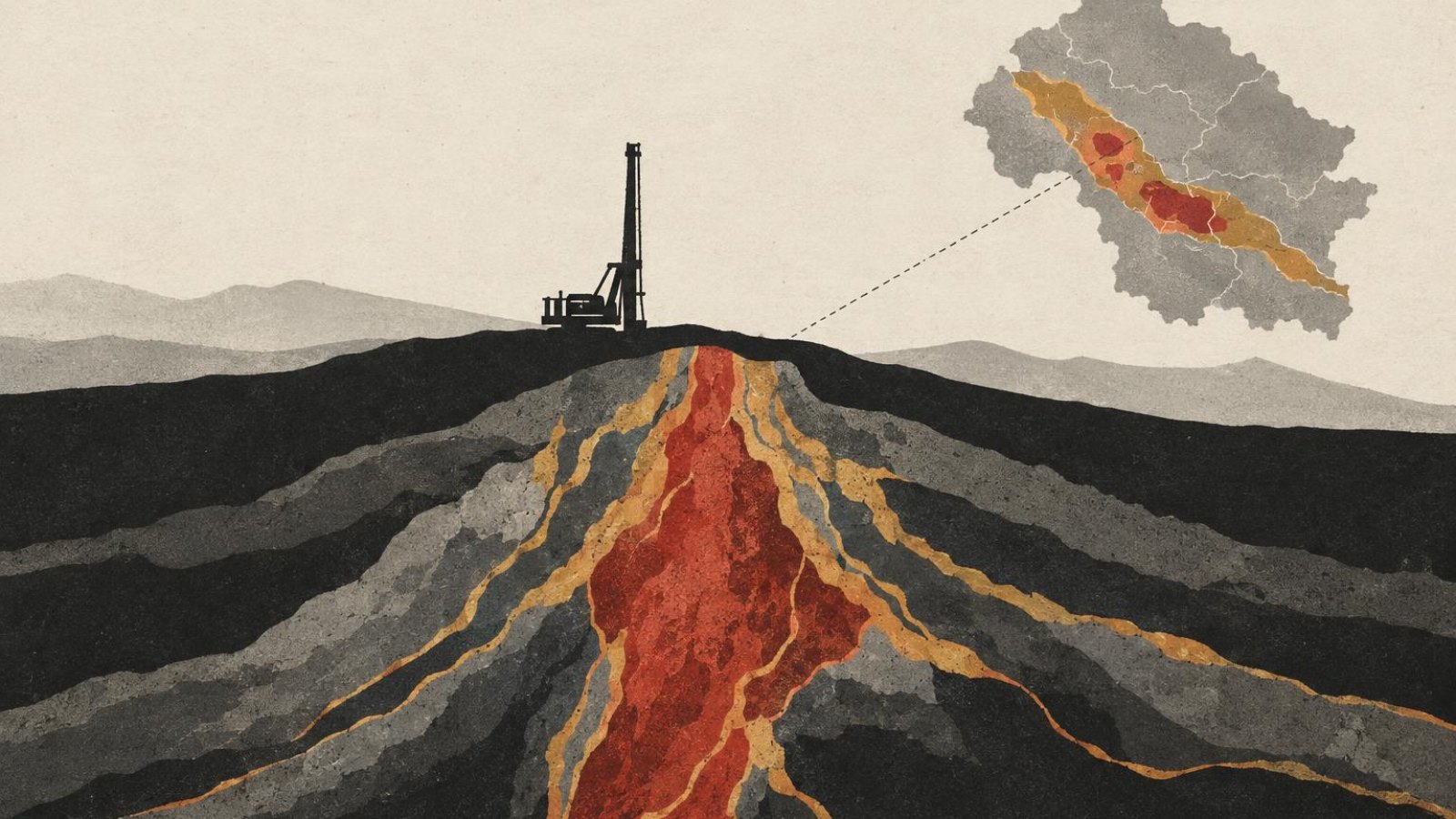
    Recent regional analysis of porphyry molybdenum (Mo), copper (Cu), and tungsten (W) mineralization within the Kraków–Lubliniec Zone has revealed significant spatial variations in the distribution of these critical minerals. The study highlights that the Nowa Wieś Żarecka–Myszków–Mrzygłód area exhibits the highest enrichment of tungsten, which is closely associated with notable concentrations of molybdenum and copper. This finding is particularly important as it underscores the potential for economic extraction of these minerals in the region.

    As the analysis progresses southeastward, a general decline in tungsten concentrations is observed; however, localised areas still show elevated molybdenum grades. This suggests that while tungsten may be diminishing in availability, molybdenum remains a viable resource in certain pockets of the zone. The Myszków area, in particular, stands out as the most significant domain for Mo–W mineralization, indicating its potential as a site for future mining activities.

    The implications of this research are considerable for the mining industry, especially in terms of understanding the by-product potential of tungsten from copper-molybdenum operations. The findings suggest that mining companies could benefit from focusing on this region not only for molybdenum but also for tungsten, which is increasingly recognised as a critical mineral due to its applications in various high-tech industries.

    The study, conducted by Oszczepalski et al. (2010), provides a comprehensive prospectivity analysis of the mineralization within the Precambrian–Paleozoic rocks at the border zone of the Upper Silesian and Małopolska blocks. This research is pivotal for guiding future exploration and investment decisions in the Kraków–Lubliniec Zone, as it identifies key areas of mineral wealth that could support the region’s economic development through mining activities.


  • Greece’s Growing Role in the European Mining Sector: A Focus on Critical Minerals

    Greece’s Growing Role in the European Mining Sector: A Focus on Critical Minerals

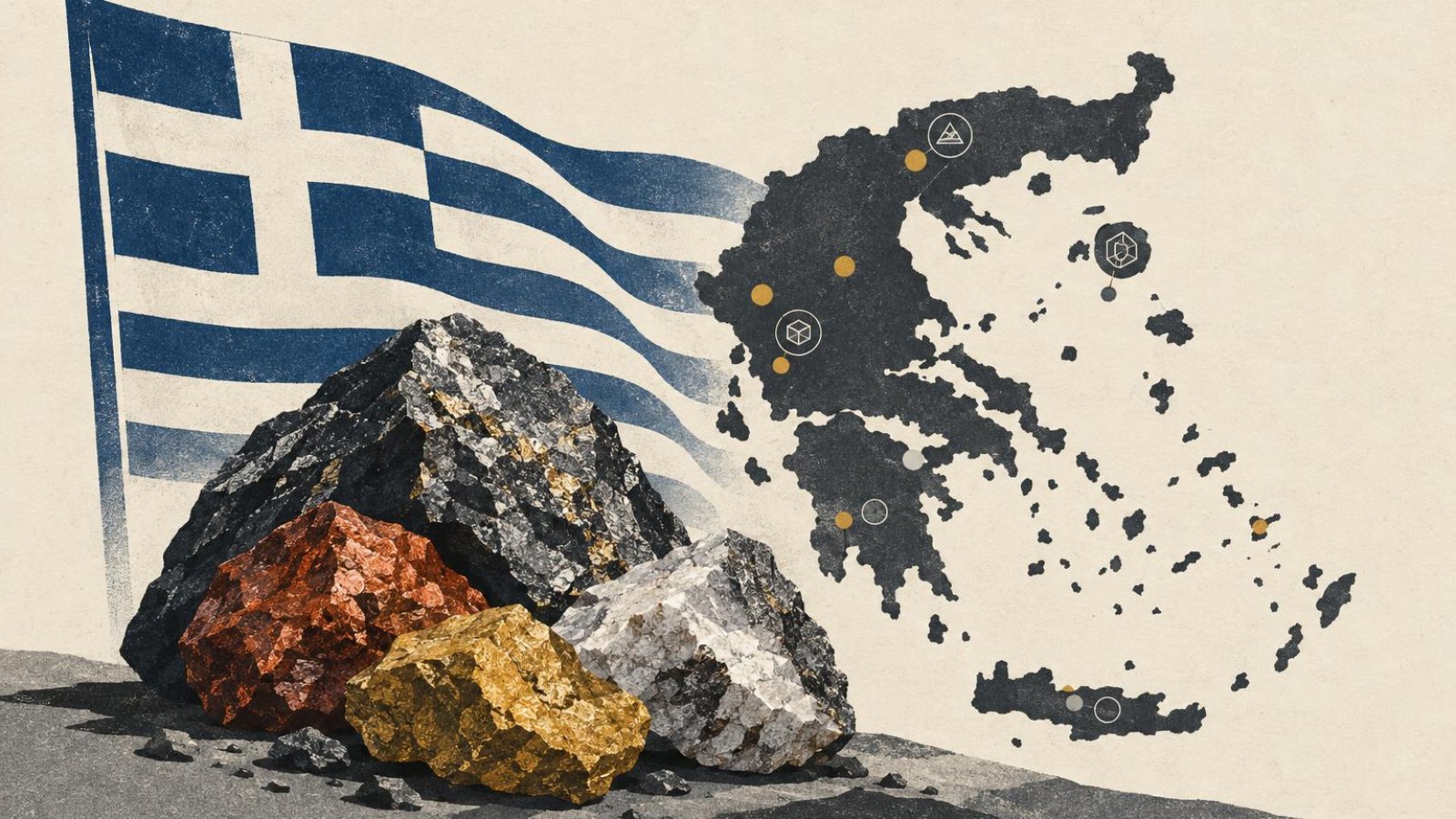
    Greece is increasingly establishing itself as a significant player in the European mining industry, particularly in the extraction of critical mineral raw materials essential for various industries. An infographic detailing the current landscape of mining and exploration operations across Greece reveals a diverse array of projects that underscore the country’s potential in this sector.

    The Halkidiki region is home to Hellas Gold, a subsidiary of Canada’s Eldorado Gold, which operates the Kassandra Mines. This includes the Skouries copper-gold project and the Olympias underground mine, which produces gold, silver, lead, and zinc. Additionally, Grecian Magnesite operates an open-cast magnesite mine and processing facility at Gerakini, contributing to Greece’s mineral output.

    In Central Greece, specifically in the Fokida region, METLEN Energy and Metals (formerly Mytilineos) is engaged in bauxite mining and is set to commence gallium production, a critical mineral, at its facilities in 2025 and 2026. Notably, LARCO, the General Mining and Metallurgical Company, has entered special administration and liquidation processes, yet Greece remains the only EU country with significant exploitable reserves of nickel laterite deposits, estimated at around 200 million tonnes, with nickel grades between 0.9% and 1.4%, along with notable cobalt concentrations.

    The Thrace region features the Perama Hill project, an epithermal gold-silver venture held by Hellas Gold and Eldorado Gold. Meanwhile, on the island of Milos, METLEN acquired bauxite assets previously owned by Imerys of France in 2024, and the island continues to provide industrial minerals such as perlite, bentonite, and kaolin.

    In the Peloponnese, Rockfire Resources of the UK and Hellenic Minerals IKE are advancing the Molaoi zinc-lead-silver-germanium project, which is characterised as a VMS-style base metal deposit. Collectively, these operations underscore Greece’s strategic importance in supplying a variety of minerals, including gold, copper, silver, lead, zinc, bauxite, magnesite, gallium, and germanium. This positioning not only enhances Greece’s role in the European mining landscape but also highlights its commitment to sustainable resource development for a stronger future.


  • Teako Minerals Corp. Positioned for Growth in Norway’s Mineral Resource Sector

    Teako Minerals Corp. Positioned for Growth in Norway’s Mineral Resource Sector

    Teako Minerals Corp., listed on the Canadian Securities Exchange under the ticker TMIN, is making waves in Norway’s burgeoning mineral resource sector. The company is led by Harald Sverdrup, a prominent figure in the precious metals industry and owner of K.A. Rasmussen Group, a respected refiner with a 150-year history. Sverdrup’s extensive background in chemical engineering and resource sustainability positions him as a key player in Teako’s narrative, which is not just about exploration but also about contributing to Norway’s economic future.

    Norway, historically known for its oil wealth, is now pivoting towards mineral resource development, and Teako holds a significant portion of the claims in this strategic jurisdiction. This shift underscores the importance of resource security in the country, as it seeks to diversify its economy and reduce reliance on fossil fuels. The company’s market capitalisation stands at approximately $8.6 million, with shares trading between $0.045 and $0.09 over the past year, indicating a volatile yet promising investment opportunity.

    Sverdrup’s involvement lends credibility to Teako’s ambitions, as he narrates the company’s story in an IMAX-level promotional video. His accolades, including being named Norway’s Entrepreneur of the Year in 2012 and his role as a professor of systems dynamics, highlight his expertise and vision for the future of resource management. As the narrative around Teako evolves, it is poised to become a significant player in the mining sector, potentially making headlines as the story of the year.

    Investors are encouraged to conduct their own due diligence, as the mining landscape is fraught with risks and opportunities. Teako’s strategic positioning in Norway’s mineral resource sector could lead to substantial growth, especially as the country prioritises resource security and sustainability. With a strong leadership team and a clear vision, Teako Minerals Corp. is set to play a pivotal role in shaping Norway’s economic landscape in the years to come.