Website: Europe.com

  • KGHM and BHP Forge New Partnership with Memorandum of Understanding

    KGHM and BHP Forge New Partnership with Memorandum of Understanding

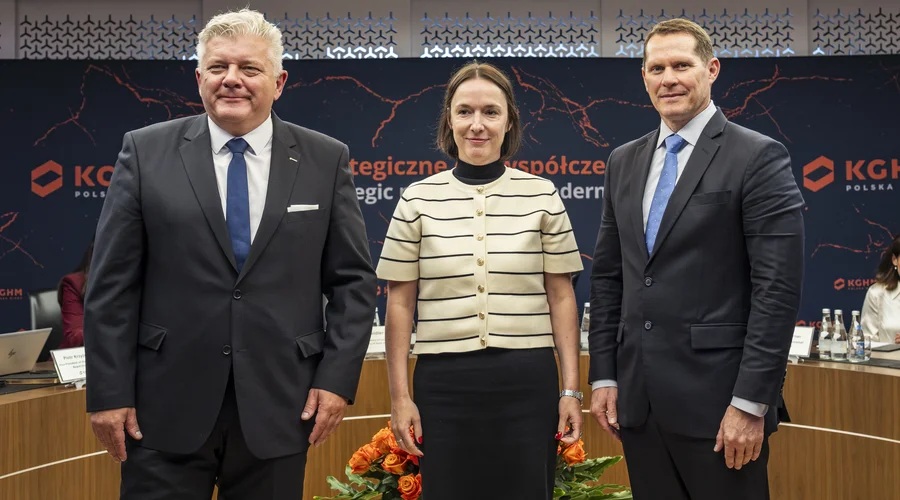
    KGHM Polska Miedź S.A. and BHP World Exploration Inc. have signed a Memorandum of Understanding (MOU) aimed at exploring cooperation opportunities in the mining sector. This agreement marks a significant step in fostering dialogue and knowledge exchange between two prominent players in the industry, reflecting a broader trend towards collaboration in mining. The MOU establishes a framework for both companies to discuss mutual interests, share operational practices, and identify potential areas for cooperation that could yield tangible benefits.

    The partnership will leverage the technical and operational expertise of both KGHM and BHP, focusing on exploration opportunities and development-stage projects. The companies aim to refine their shared priorities and explore initiatives that may extend beyond their current operational locations, thereby creating mutual value through their complementary capabilities.

    Eliza Zeidler, Secretary of State at the Ministry of State Assets, highlighted the importance of this agreement for strengthening Poland’s position in the global raw materials sector. She noted that KGHM’s strong results and technological expertise provide a solid foundation for further international expansion, which not only benefits the company but also enhances Poland’s involvement in global value chains.

    Remigiusz Paszkiewicz, President of KGHM, emphasised that the MOU offers a structured framework for further discussions, allowing both companies to compare perspectives and identify areas where shared knowledge can lead to business benefits. BHP CEO Brandon Craig expressed excitement about the partnership, particularly in the context of increasing global demand for copper driven by economic growth and the energy transition.

    The MOU is seen as a platform for open dialogue and experience exchange, which both companies believe is vital for the mining industry. Anna Sobieraj-Kozakiewicz, Vice President of KGHM, reiterated the shared interest in exploring future collaboration opportunities through this agreement.

    KGHM is a leading producer of copper and silver, with operations concentrated in Poland and international assets in the United States, Canada, and Chile. BHP, on the other hand, is a global resources company focused on producing essential commodities for modern life, anticipating strong demand for materials like copper, iron ore, and potash in the coming decades. This partnership is expected to enhance both companies’ capabilities in meeting the growing needs of the global economy.


  • Albania’s Path to Sustainable Resource Management: A Workshop on Critical Raw Materials

    Albania’s Path to Sustainable Resource Management: A Workshop on Critical Raw Materials

    This week, the United Nations Economic Commission for Europe (UNECE) collaborated with the Albanian Geological Survey (AGS), the National Agency of Natural Resources (AKBN), and EIT RawMaterials to conduct a practical workshop focused on the application of the United Nations Framework Classification for Resources (UNFC) and the United Nations Resource Management System (UNRMS) in Albania. The workshop aimed to enhance sustainable resource management practices in the country, particularly concerning its critical raw materials.

    Participants engaged in discussions about how these frameworks can facilitate improved geological information, provide credible project evidence, and promote responsible value creation from Albania’s mineral resources. The workshop included case exercises and peer exchanges that allowed attendees to apply the frameworks in real-world scenarios, thereby reinforcing the importance of sustainable practices in the mining sector.

    A highlight of the event was a visit to the AlbChrome Ferrochrome Metallurgy Plant in Elbasan, which provided a practical connection to the discussions on mining and processing. This visit underscored the workshop’s central message: sustainable resource development extends beyond merely extracting what is in the ground; it encompasses the quality of evidence, the maturity of projects, and the overall value they generate for the economy and the environment.

    The collaboration between UNECE and local agencies reflects a growing recognition of the need for sustainable practices in resource management, especially in a country like Albania, which is rich in mineral resources. By adopting these frameworks, Albania aims to position itself as a responsible player in the global mining industry, ensuring that its resource development is both economically viable and environmentally sustainable.


  • Evaluating the Impact of the Critical Raw Materials Act on European Mining Projects

    Evaluating the Impact of the Critical Raw Materials Act on European Mining Projects

    Since the Critical Raw Materials Act entered into force in May 2024, Brussels has designated 60 Strategic Projects, promised 27-month permitting clocks, and talked about a 2030 target of extracting 10% and processing 40% of the EU’s strategic mineral needs domestically. Five years on from when this push began in earnest, the scoreboard looks nothing like the policy slide decks. A handful of projects are pouring concrete and closing financings. A larger number are stuck in court, in administration, or on care and maintenance. And the pattern separating the two groups has surprisingly little to do with permits. 

    Here is what actually happened, project by project, and what it says about the four things that really decide whether a European mine gets built: geology risk, permitting, financing, and offtake. It is also, not coincidentally, the exact question MINEX Europe 2026’s opening session, Beyond Legislation — Can Europe Rebuild Its Mining Industry?, puts to the room on day one: has the CRMA changed anything real, or mainly the paperwork? 


  • Evaluating the Impact of the Critical Raw Materials Act on European Mining Projects: Successes and Setbacks

    Evaluating the Impact of the Critical Raw Materials Act on European Mining Projects: Successes and Setbacks

    Since the implementation of the Critical Raw Materials Act (CRMA) in May 2024, the European Union has aimed to bolster its domestic mining capabilities by designating 60 Strategic Projects and promising expedited permitting processes. However, five years into this initiative, the reality of project development in Europe reveals a stark contrast to the ambitious policy goals. While a few projects have successfully transitioned from planning to production, many others remain mired in legal disputes, financial challenges, or have been abandoned altogether. This article examines the factors influencing the success or failure of various mining projects across Europe, highlighting that the issues at play extend far beyond permitting delays.

    Among the projects that have made significant progress, Eldorado Gold’s Skouries copper-gold project in Greece is nearing completion, with first concentrate expected by the third quarter of 2026. Similarly, Sibanye-Stillwater’s Keliber project in Finland has become Europe’s first fully integrated lithium operation, producing lithium hydroxide locally, which has garnered support from local communities and regulators. In the Czech Republic, the Cínovec lithium project, backed by state aid, is on track for commissioning around 2031, while Sweden’s Leading Edge Materials has secured a mining lease for its Norra Kärr rare earth project after overcoming a decade of legal hurdles.

    However, the article also sheds light on notable failures. Rio Tinto’s Jadar lithium project in Serbia faced mass protests and was ultimately placed on care and maintenance due to political pressures, illustrating how local opposition can derail even strategically designated projects. Similarly, Slovakia’s Trojárová antimony project was cancelled on environmental grounds, and Portugal’s Barroso lithium project is embroiled in legal challenges that threaten its future.

    The article emphasises that successful projects often share common characteristics: they tend to involve existing infrastructure, local processing, and strong financial backing from state or state-affiliated entities. Conversely, projects that have stalled or failed frequently encounter issues related to financing, market volatility, or community opposition rather than permitting alone. This insight underscores the need for a comprehensive approach to mining project development that considers geological risk, financing, and community engagement as integral components of the process.

    As Europe continues to navigate its mining ambitions, the lessons learned from these projects will be crucial in shaping future policies and strategies. The upcoming MINEX Europe 2026 forum will further explore these themes, focusing on the real challenges facing the mining industry and the practical steps needed to enhance project viability in the region.


  • Teesside to Host One of Europe’s Largest Lithium Refineries, Creating 1,700 Jobs

    Teesside to Host One of Europe’s Largest Lithium Refineries, Creating 1,700 Jobs

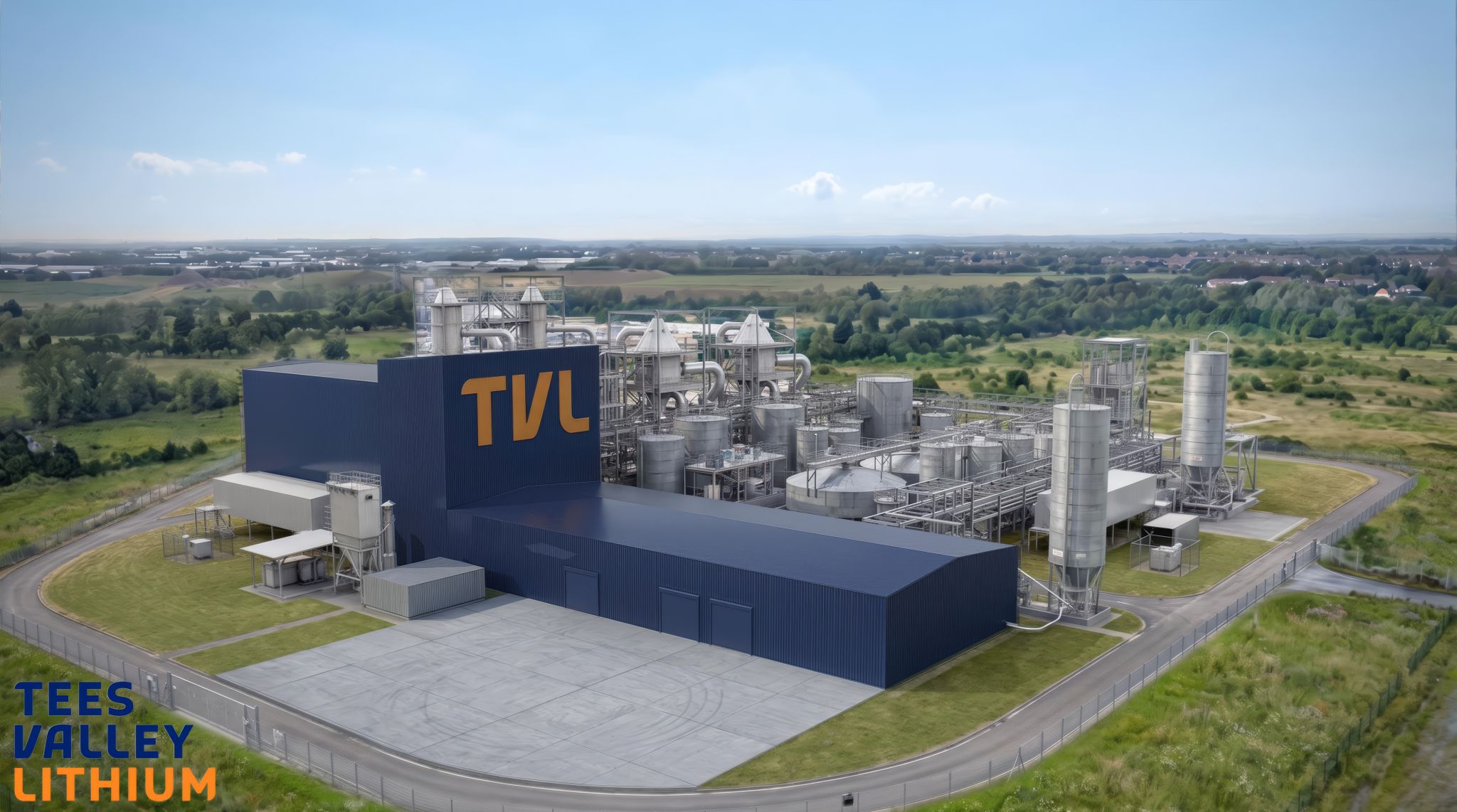
    Teesside is set to undergo a significant transformation with the establishment of one of Europe’s largest lithium refineries, a project that promises to create approximately 1,700 jobs across construction, supply chain, and operational phases. The initiative was highlighted during a roundtable discussion at the Darlington Economic Campus, attended by key stakeholders including Paul Atherley, Chairman of Tees Valley Lithium, and Jonathan Reynolds MP, Secretary of State for the Department for Business, Innovation, Science and Trade.

    The lithium refinery project is expected to contribute around £1 billion in gross value added to the Tees Valley, and approximately £2.1 billion to the wider UK economy. The first phase of the project aims to refine 25,000 tonnes of battery-grade lithium hydroxide annually, which accounts for nearly half of the UK Government’s Vision 2035 target. The design of the facility is scalable, with plans to increase production capacity to over 100,000 tonnes per year.

    Atherley emphasised the importance of this project for the region, stating that it represents a shift towards future-facing industries rather than merely rebuilding traditional sectors. He noted that the Tees Valley Lithium initiative positions the UK strategically in the global energy transition landscape, which is considered one of the most significant transitions in history.

    Support for the project has been robust, with over 320 businesses expressing their backing for the £185 million investment at Billingham. The positive response from local employers and stakeholders underscores the potential economic benefits and job creation that the lithium refinery will bring to the region. The discussions at the roundtable reflect a collective commitment to reindustrialisation that aligns with national goals for sustainable energy and economic growth.


  • Perran Moon MP Advocates for Domestic Tin Production Amid Global Shortages

    Perran Moon MP Advocates for Domestic Tin Production Amid Global Shortages

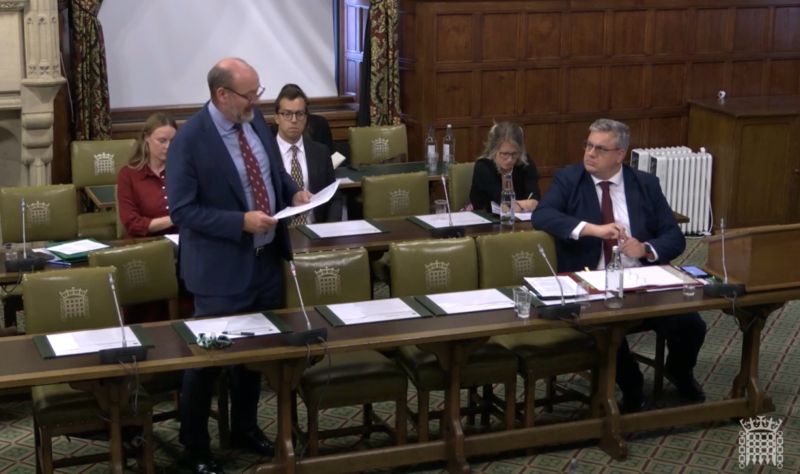
    In a recent debate held in Westminster Hall, Perran Moon, the Labour MP for Camborne, Redruth & Hayle, highlighted the critical importance of domestic tin production and processing in the UK. The debate, which garnered support from various political figures including Minister Blair McDougall and the Shadow Opposition Minister, focused on the looming global tin shortage and the rising prices that have resulted from it. Moon expressed his delight at the consensus reached among the participants regarding the significance of the tin sector, which he believes is vital not only for economic reasons but also for its cultural and historical relevance to Cornwall.

    Moon passionately articulated that Cornish tin mining is more than just an industrial activity; it is deeply intertwined with the identity and heritage of the Cornish people. He stated, “It is part of our heritage, part of who we are, not just what we did. And it is now a symbol of hope in an uncertain world.” His remarks underscore the dual role that tin mining plays in both providing employment opportunities and preserving the cultural legacy of the region.

    During the debate, Moon invited Minister McDougall to visit South Crofty, a site of ongoing regeneration efforts in Cornish tin mining, to witness firsthand the progress being made. He reiterated his commitment to advocating for the tin sector in Westminster, despite the light-hearted nickname he has earned as ‘The Tin Man.’

    The debate also featured contributions from fellow Cornish Labour MPs Noah Law and Anna Gelderd, who provided additional insights into the importance of tin mining for local communities and the economy. The discussions reflect a growing recognition of the need for strategic investment in domestic mineral production to ensure the UK can meet its future resource needs and reduce reliance on imports.

    As the global demand for tin continues to rise, driven by its essential role in various industries including electronics and renewable energy, the call for revitalising the Cornish tin mining sector is more pressing than ever. Moon’s advocacy highlights the intersection of economic development, environmental sustainability, and cultural heritage, positioning Cornwall as a key player in the future of the UK’s critical minerals landscape.


  • Leveraging Public Finance to Enhance Responsible Critical Mineral Supply Chains

    Leveraging Public Finance to Enhance Responsible Critical Mineral Supply Chains

    Based on “How Public Finance Can Help Scale Responsible Critical Mineral Supply” by Isabel Munilla, Luke Balleny and Ke Wang, published by the WRI Polsky Center for the Global Energy Transition, 19 August 2026.

    The European Union is testing whether grants, guarantees and equity stakes can succeed where markets have failed — rewarding critical mineral producers for meeting environmental and social standards rather than simply undercutting them on price.

    As demand for cobalt, copper, lithium and nickel accelerates, the bloc’s policymakers are wrestling with a familiar tension: how to scale supply quickly without repeating the environmental and social failures that have dogged mining elsewhere. The underlying problem, according to a recent analysis by Isabel Munilla, Luke Balleny and Ke Wang published on the World Resources Institute platform, is that markets have not reliably rewarded stronger performance. Lower-cost, lower-standard supply has remained competitive even as certification schemes such as the Initiative for Responsible Mining Assurance and the Copper Mark have proliferated. Europe’s answer is to put public money behind the gap.

    The CRMA as the organising framework

    The EU Critical Raw Materials Act has become the central mechanism through which Brussels is trying to align finance with responsible production. Projects seeking “strategic project” status under the CRMA — and the financing and permitting benefits that come with it — must demonstrate sustainable implementation, including environmental impact minimisation, respect for human rights and indigenous and labour rights, and transparent business practices that guard against corruption. The European Commission has not yet mandated adherence to a specific certification scheme, but plans to open a recognition process in 2027, which would give the framework more teeth.

    Strategic project status also acts as a funnel into EU and national financing programmes, and the European Investment Bank has moved to back that pipeline directly. In March 2025 the EIB adopted a Critical Raw Materials Strategic Initiative targeting €2 billion ($2.3 billion) in financing for critical raw material investments, with projects assessed against an 11-point Environmental and Social Sustainability Framework covering environmental, social, climate, community and health criteria. Mining projects must additionally comply with EU environmental directives and member-state law.

    A parallel equity channel has opened through the EU and the European Bank for Reconstruction and Development, which launched a joint facility in July 2024 aiming to mobilise €100 million ($115.5 million) for equity investments in critical mineral exploration. Projects financed through it must meet the EBRD’s Environmental and Social Policy 2024, built around ten environmental and social requirements.

    Blended finance and the Lionheart test case

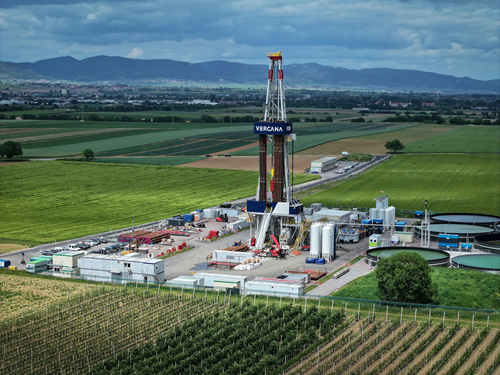
    Perhaps the clearest illustration of how Brussels intends these tools to work in practice is Vulcan Energy Resources’ €2 billion Lionheart project in Germany — billed as Europe’s first commercial integrated lithium and renewable energy project, and expected to supply around 12 per cent of the continent’s projected lithium hydroxide demand by 2030. Lionheart draws on geothermal brines to build an integrated, battery-grade lithium supply chain, and was designated an EU Strategic Project under the CRMA.

    Its first phase was financed through a blended structure: the EIB provided €250 million ($287.8 million) in debt, alongside twelve other lenders including five export credit agencies and seven commercial banks. The model reflects the logic set out in the WRI analysis — that InvestEU-style structures, which combine EU budget guarantees with EIB and national promotional bank financing, allow Brussels to absorb the riskiest tranche of capital and crowd in private lenders who would otherwise avoid early-stage exploration or unproven extraction technologies. Projects backed through InvestEU must clear environmental, social and governance screening aligned with the EU Taxonomy and the EIB’s own standards.

    Why Europe’s approach differs from elsewhere

    The report’s broader argument is that no single financial instrument fits every mineral market, and Europe’s own toolkit reflects that. For copper and lithium, where production is spread across jurisdictions with comparatively strong governance, the authors suggest conditional financing tied to existing certification systems can be applied fairly directly — which is broadly the CRMA’s approach. That contrasts with more concentrated, weaker-governance markets such as nickel, dominated by Indonesia, where the authors argue financial levers need to be paired with diplomatic and trade engagement rather than deployed alone — a reminder that Europe’s toolkit, built for its own regulatory environment, may not transfer easily to the jurisdictions that actually supply many of the minerals it needs.

    The tension between tightening and oversupplied markets also matters for how Brussels calibrates its tools. Lithium demand is currently outpacing supply, which the analysis suggests argues for ensuring new entrants — like Lionheart — build in strong ESG performance from the outset, tying access to concessional finance to compliance with recognised standards. Nickel, by contrast, is described as already oversupplied but often falling short on environmental and social performance, suggesting European finance directed there should prioritise retrofitting and emissions upgrades over expanding output.

    An unproven bet

    Brussels’s wager is that public money can shift market norms beyond the individual projects it touches — that conditioning access to grants, guarantees and equity on verifiable performance will eventually make responsible production the commercial default rather than a cost handicap. The clearest precedent for that kind of spillover comes not from Europe but from the United States: the now-expired Section 30D clean vehicle tax credit, which required automakers to prove mineral provenance and comply with restrictions on Foreign Entities of Concern, is credited with pushing traceability and chain-of-custody systems into permanent use across supply chains, even after the credit itself lapsed.

    Whether the CRMA, the EIB’s sustainability framework and the EU-EBRD equity facility can produce a comparable, lasting shift remains untested. Most of the instruments are too recent to assess on outcomes, and the report’s authors caution that public finance works only in combination with other levers — trade agreements, procurement mandates, price support — rather than as a standalone fix. For Europe, which is simultaneously trying to secure supply, cut dependency on China and hold itself to higher ESG standards than most of its competitors, the coming years of CRMA implementation will be the first real test of whether that combination adds up.
     

  • Nyrstar and VDL Groep Collaborate on Critical Minerals

    Nyrstar and VDL Groep Collaborate on Critical Minerals

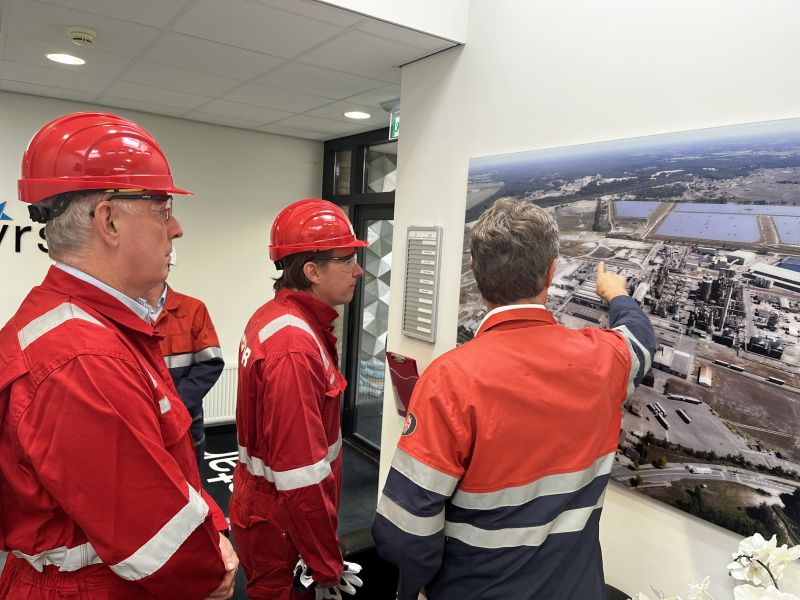
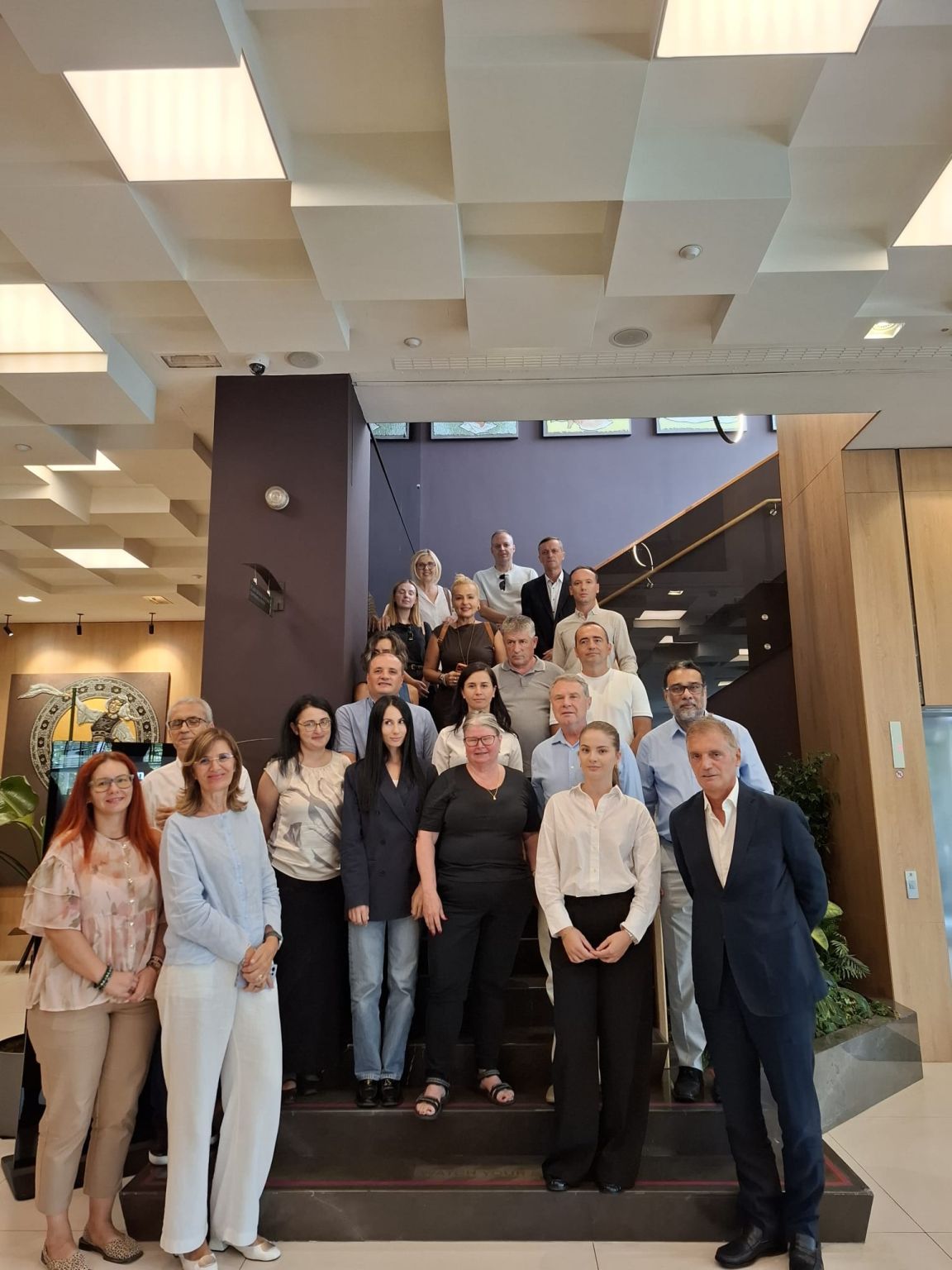
    In a bid to bolster Europe’s industrial capabilities, Nyrstar Budel in the Netherlands recently hosted Willem van der Leegte and Geert Jakobs from VDL Groep. This meeting underscored the importance of collaboration across the value chain, particularly in the processing of critical minerals essential for advanced manufacturing applications. The partnership aims to enhance Europe’s resilience by tapping into local resources and expertise.

    Nyrstar has identified an opportunity to extract valuable materials such as germanium, indium, antimony, and bismuth from its existing production streams. This initiative aligns with the European Union’s goal of achieving 40% domestic capacity for critical raw materials, which is vital for sustaining high-tech manufacturing and clean energy initiatives across the continent. The discussions with VDL highlighted the potential for these materials to support various strategic industries, including defense and green energy.

    The dialogue also explored future supply chains for germanium, which is crucial for VDL’s defense applications, as well as the integration of green hydrogen production by VDL’s partner, Alquion, into Nyrstar’s sustainable production processes. Such synergies are seen as pivotal for advancing the strategic relevance of the Noord-Brabant region and enhancing the collective expertise in critical processing within Europe.

    As the industry faces increasing demands for sustainable practices and local sourcing of materials, the cooperation between Nyrstar and VDL Groep exemplifies a proactive approach to addressing these challenges. Both companies expressed optimism about continuing their collaboration to foster innovation and strengthen the supply chains necessary for a competitive European industrial landscape.


  • Vulcan Energy Completes Preliminary Feasibility Study for Project Ludwig in Germany

    Vulcan Energy Completes Preliminary Feasibility Study for Project Ludwig in Germany

    Vulcan Energy (ASX: VUL, FSE: VUL) has announced the completion of its Preliminary Feasibility Study (PFS) for Project Ludwig, marking a significant advancement in its lithium and geothermal energy production strategy in the Ludwigshafen region of Germany. This project is set to build on the successes and learnings from Vulcan’s first phase, Project Lionheart, and aims to establish an integrated lithium chemical and renewable heat production facility within the Upper Rhine Valley Brine Field (URVBF).

    The PFS highlights robust economic metrics, projecting a pre-tax net present value (NPV8) of €2.6 billion and an internal rate of return (IRR) of 25.0% over a planned 30-year operational life. Notably, Project Ludwig is expected to produce 21,100 tonnes per annum (tpa) of battery-grade lithium carbonate (Li2CO3) while also generating 3,125 GWh per annum of renewable heat for both internal use and external sales. The capital expenditure (CAPEX) for the project is estimated at €1.26 billion, reflecting a 15% reduction in capital intensity compared to Project Lionheart, showcasing Vulcan’s commitment to capital efficiency and sustainable production practices.

    The study indicates a significant increase in mineral resources, with indicated lithium resources rising from 655 kt LCE to 1,251 kt LCE, and inferred resources increasing from 2,128 kt LCE to 2,230 kt LCE. Additionally, a maiden geothermal resource estimate of 193 PJ has been established, further solidifying the project’s potential.

    Vulcan’s Managing Director and CEO, Cris Moreno, expressed optimism about Project Ludwig, stating that it represents a strategic next step in the company’s phased development approach. The project aims to leverage Vulcan’s existing infrastructure and expertise gained from Lionheart, applying a proven integrated geothermal-lithium development model to enhance shareholder value and contribute to Europe’s critical raw materials supply chain.

    The PFS was conducted with support from Worley and JordProxa, ensuring a comprehensive evaluation of the project’s technical and economic viability. As Vulcan prepares for a Final Investment Decision (FID) post-Lionheart production commencement, it is also pursuing an asset-level financing strategy to advance Project Ludwig, with strategic partner selection processes already underway. The project aligns with the European Union’s focus on securing sustainable domestic supply chains for critical raw materials, particularly lithium, as the demand for electric vehicles and battery storage continues to rise.

    Project Ludwig not only aims to enhance Vulcan’s lithium production capabilities but also integrates renewable geothermal heat generation, positioning the company as a key player in the transition to a sustainable energy future in Europe.


  • Portugal’s Urgent Need for National Exploration Programme Under EU Critical Raw Materials Act

    Portugal’s Urgent Need for National Exploration Programme Under EU Critical Raw Materials Act

    Opinion: Daniel de Oliveira, Head of Department at Laboratório Nacional de Energia e Geologia

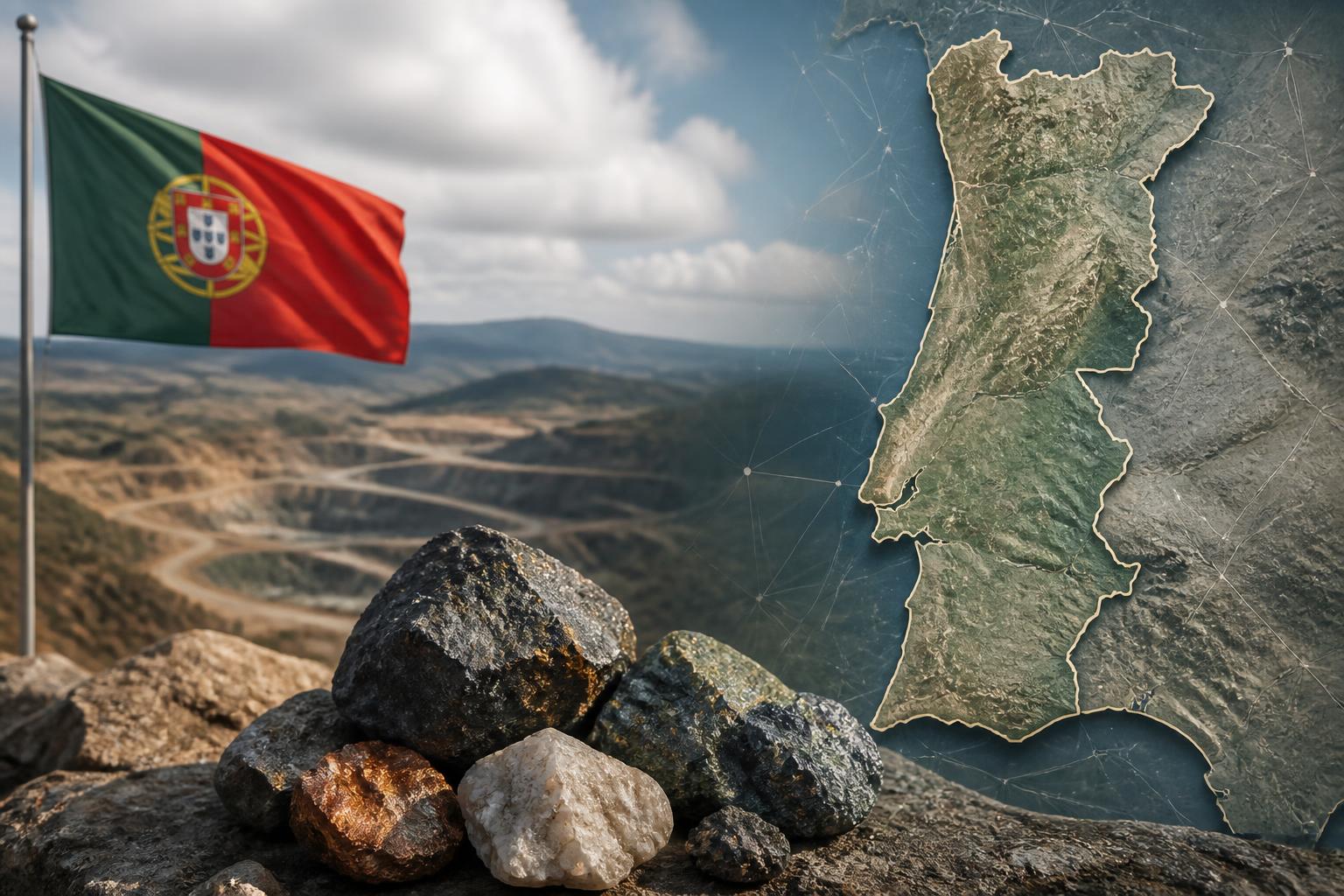
    Portugal has long been an active participant in the European Union’s mineral resources policy and geological surveying initiatives. The timely implementation of the National Exploration Programme (NEP) is not just a regulatory requirement under the EU’s Critical Raw Materials Act (CRMA), but a strategic imperative for maintaining Portugal’s competitive edge in the European critical raw materials sector. The NEP is designed to provide a robust geological knowledge base essential for identifying, assessing, and promoting future mineral resource opportunities. This framework supports evidence-based decision-making for both public authorities and private investors.

    The implications of failing to initiate or execute the NEP are significant for Portugal, encompassing legal, strategic, and financial dimensions. As the CRMA is a binding EU regulation, non-compliance would expose Portugal to legal repercussions. However, the strategic consequences could be even more detrimental. The CRMA identifies national exploration programmes as vital for enhancing geological knowledge and pinpointing occurrences of critical and strategic raw materials. Without a proactive NEP, Portugal risks having a diminished evidence base for identifying and advancing future mining projects.

    Portugal is uniquely positioned among EU nations, boasting recognized potential for critical resources such as lithium, tungsten, copper, tin, and rare earth elements. A lack of systematic geological updates could hinder the country’s ability to contribute significantly to the EU’s ambitious targets for 2030 and 2050. While the CRMA does not explicitly tie funding to the existence of the NEP, investors and project developers heavily depend on innovative, pre-competitive data generated through national exploration efforts.

    The absence of a functioning NEP could lead to several adverse outcomes for Portugal: diminished attractiveness for mineral exploration investments, fewer opportunities to develop projects that could qualify as EU Strategic Projects, and a reduced capacity to engage with European initiatives like the Geological Service for Europe (GSEU) and related critical raw materials exploration initiatives.

    Given these potential consequences, the pressing question remains: how much longer can Portugal afford to delay the implementation of its National Exploration Programme?