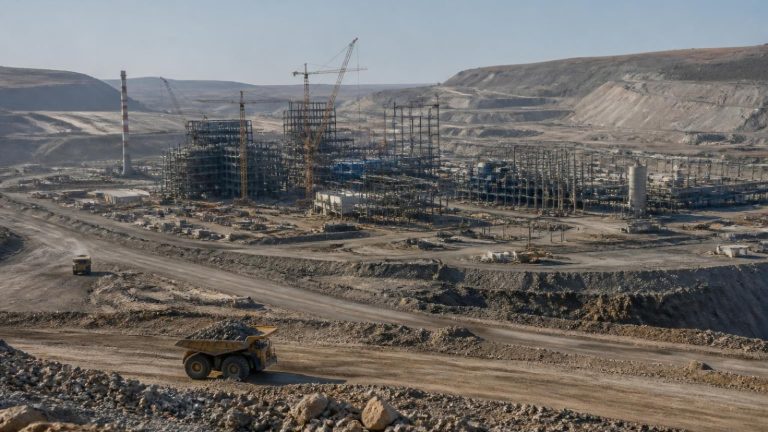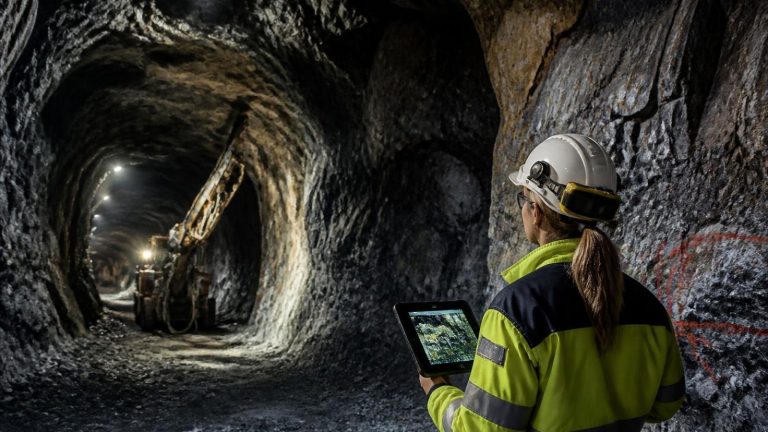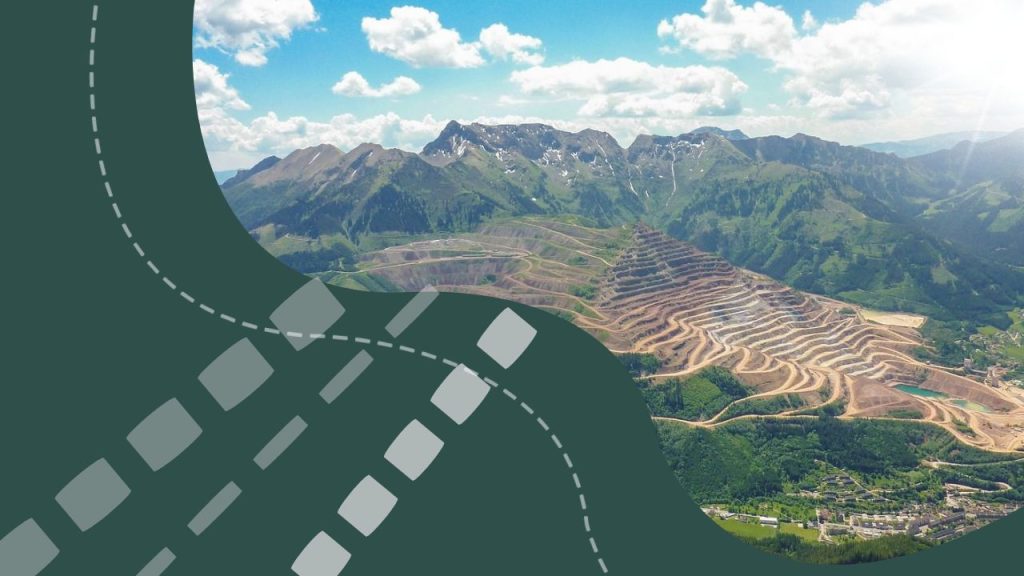
The only cobalt mine in the United States, located in northern Idaho, remains dormant as Chinese competitors flood global markets with cheap cobalt supplies. Jervois Global, which owns the mine, watched cobalt prices plummet last year after China’s CMOC Group opened the Kisanfu mine in the Democratic Republic of Congo, driving global production to an all-time high. The Idaho site, acquired by Jervois in 2019, was idled in June 2023, just weeks before its planned opening, resulting in over 250 job losses. A minimal crew now maintains the site’s equipment to prevent deterioration.
Site manager Matthew Lengerich stated that the decision was purely economic, with cobalt prices needing to reach at least $20 per pound to justify reopening, while current prices hover around $12.17. Western mining companies like Jervois and Albemarle face significant challenges competing with Chinese companies, which benefit from lower costs, including the use of coal-generated electricity and child labor, practices not tolerated by many Western governments and manufacturers.
The disparity has led to calls for a two-tier pricing system, which would impose a premium on metals produced sustainably. This system could change traditional metal trading practices and create varying definitions of “green metal.” Western mining leaders have sought government intervention, including tariffs or supply chain transparency requirements, to level the playing field. US and EU officials have shown some understanding but have been reluctant to intervene directly in market pricing.
Automakers and other industry customers are increasingly concerned about securing diverse and sustainable metal supplies. By 2027, the European Union will require EV manufacturers to disclose the origin and carbon footprint of the metals they use, potentially driving demand for premium-priced, sustainably sourced metals. Some companies, like Northern Graphite and Teck Resources, are already capitalizing on this trend by selling sustainably sourced materials at a premium.