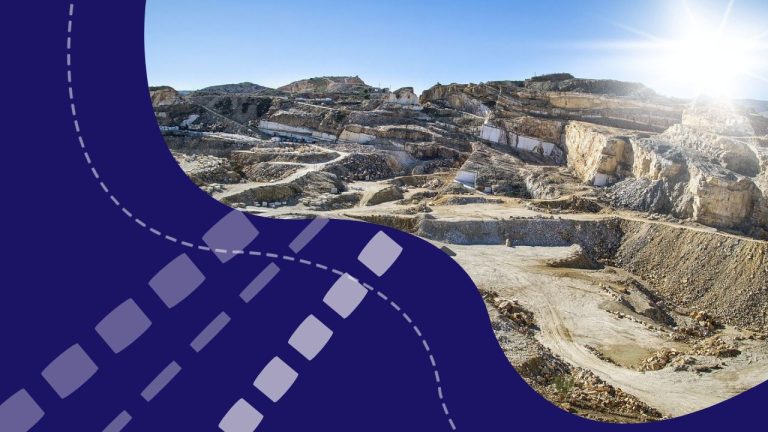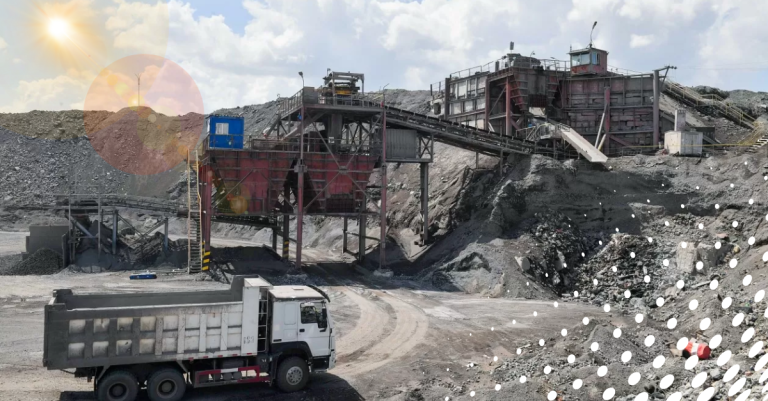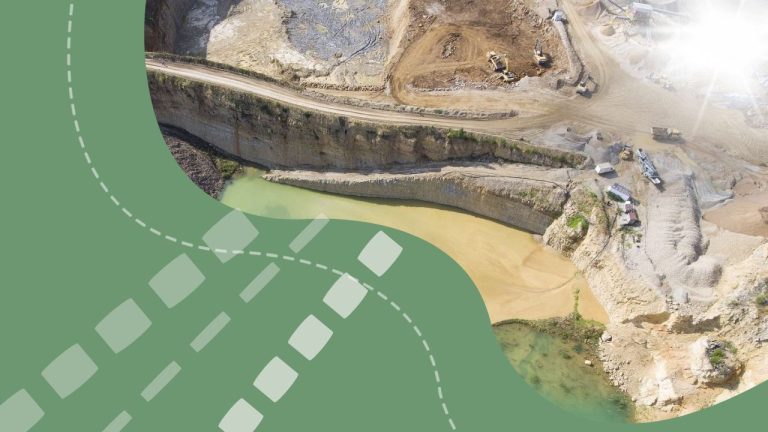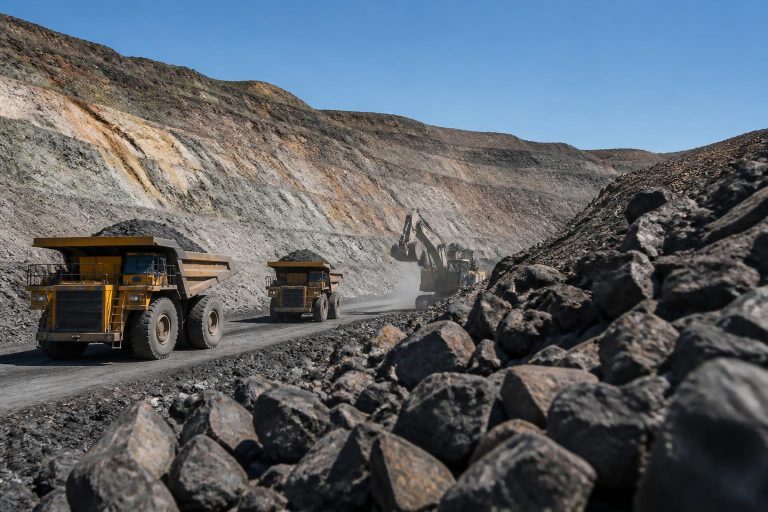
Sweden’s parliament, the Riksdag, has voted to repeal a 2018 moratorium on uranium mining, reopening the country to exploration and production beginning January 1. The decision restores uranium’s status under the Minerals Act, enabling companies to apply for exploration and mining concessions after a seven-year freeze.
The move positions Sweden — which holds an estimated 27% of Europe’s known uranium resources, according to the Geological Survey of Sweden — to play a larger role in Europe’s energy transition and nuclear fuel supply security.
“It is very positive that the Riksdag is now backing the government’s proposal,” said Maria Sunér, CEO of the Swedish Mining Association (Svemin). “There are no factual reasons for uranium to be treated differently than other metals, and it is therefore entirely reasonable that we now have the opportunity to utilize the resources found in our bedrock efficiently.”
A municipal veto on handling small quantities of uranium was also narrowed, reducing local barriers to development.
Policy Shift and Strategic Context
The repeal caps a two-year legislative push led by Sweden’s Climate and Enterprise Ministry. The government formally presented the bill in August 2025, describing uranium as strategic for both nuclear energy expansion and raw-materials security.
Sweden operates six nuclear reactors, supplying roughly one-third of the nation’s electricity. Plans are underway to build several new reactors over the next decade to meet surging power demand.
The change also aligns with broader EU supply-chain resilience goals, as the bloc seeks to reduce its dependence on imported uranium, particularly from Russia.
Exploration Ready to Resume
Several companies are preparing to act immediately.
Australian explorer Aura Energy (ASX: AEE; AIM: AURA), which controls the Häggån polymetallic deposit in Jämtland, has already submitted a 25-year exploitation permit to Sweden’s Mining Inspectorate. Häggån’s JORC resource includes roughly 800 million lb of uranium oxide (U₃O₈) within a 2.55-billion-tonne vanadium deposit.
“This vote means that from now on uranium has the potential to be an important contributor to Sweden’s economy and energy security and to support the region’s intention to triple nuclear power,” said Aura executive chairman Phil Mitchell.
Canada’s District Metals (TSXV: DMX) also hailed the vote as a “historic step.” The company plans fieldwork in 2026 at its Viken project, including geophysics, drilling, and economic studies. Viken hosts an indicated resource of 176 million lb U₃O₈ and an inferred resource of 1.54 billion lb U₃O₈, alongside vanadium and molybdenum.
Market Response
Despite the legislative breakthrough, uranium developers saw modest share pullbacks:
-
Aura Energy fell 7% to A$0.20, trimming its 12-month gain to 46% (market cap A$188 million / $122 million).
-
District Metals slipped 6% to C$1.37, giving it a valuation of C$228 million ($162 million), though its stock has quadrupled in the past year.
Next Steps
A separate proposal is now under consultation until December 3 to redefine uranium mining so it is no longer legally classified as a nuclear installation. If adopted, that change would take effect on July 1, 2026, further simplifying the permitting process.