Tag: Uzbekistan

  • Uzbekistan is in the process of organizing the construction of a sodium cyanide production plant

    Uzbekistan is in the process of organizing the construction of a sodium cyanide production plant

    The government of Uzbekistan has unveiled its plan to commence operations of a sodium cyanide production plant by the conclusion of 2025. This strategic initiative aims to strengthen the safety measures within the gold mining industry in the southern region of the republic. The Ministry of Industry and Construction made this announcement, emphasizing the significance of this decision.

    The establishment of a sodium cyanide production plant is part of a larger endeavor to ensure the long-term security of the gold mining industry in the Zhambyl region, meet the domestic market’s requirements, and export any surplus to Russia and China. The project holds substantial potential for export, considering the projected increase in demand in neighboring countries such as Uzbekistan, Kyrgyzstan, Tajikistan, and Mongolia within the coming years.

    According to the authorities, the plant is scheduled to commence operations in the fourth quarter of 2025. The Altynalmas Reagents company, situated in the “Chemopark Taraz” special economic zone in the city of Chu, will oversee this project.

    “The production capacity of the plant will be 25 thousand tons of sodium cyanide annually. This chemical reagent is of utmost importance and irreplaceable in the modern gold hydrometallurgical industry. The product will consist of sodium cyanide with an exceptional purity level of no less than 98%,” explained the Ministry.

    To ensure the highest standard of technology, the new plant will employ the licensed technology of Chemours (formerly known as DuPont), a global leader in the chemical industry.

    “The project’s design and construction are being carried out by Glatt GmbH, a renowned German engineering company. This project has been successfully implemented in two similar plants located in different parts of the world. The plant will adopt the finest technologies and practices, while prioritizing environmental protection and compliance with ecological standards. For instance, the project incorporates a closed-cycle water supply system with zero discharge to the environment and employs state-of-the-art equipment to environmentally neutralize emitted gases,” added the press service.

    Through this ambitious undertaking, Uzbekistan seeks to fortify the gold mining industry’s safety measures and establish itself as a reliable supplier of sodium cyanide, both domestically and internationally. The government’s commitment to implementing advanced technologies and sustainable practices ensures a harmonious balance between economic growth and ecological stewardship.

  • Uzbekistan: Almalyk launches unique ferromolybdenum manufacture

    Uzbekistan: Almalyk launches unique ferromolybdenum manufacture

    Almalyk Mining and Processing Works has successfully implemented an innovative technique to produce ferromolybdenum. This remarkable achievement involves the utilization of molybdenum-containing wastes generated during the production of molybdenum.

    Ferromolybdenum, an alloy boasting a molybdenum content ranging from 50% to 70%, is the valuable output of this process. The company has initiated the manufacturing of 2 thousand kilograms of ferromolybdenum per month, with an impressive shipment of 5500 kilograms already dispatched to the esteemed Navoi Mining and Processing Works.

    Almalyk aims to produce ferromolybdenum worth 170 billion soums by the year 2025. This ambitious goal reflects their commitment to further enhance their contribution to the industry.

  • C5+1 Critical Minerals Dialogue with Central Asian countries

    C5+1 Critical Minerals Dialogue with Central Asian countries

    U.S. President Joe Biden met with the leaders of Kazakhstan, Kyrgyzstan, Tajikistan, Turkmenistan, and Uzbekistan at the United Nations General Assembly on 19 September 2023.

    Perhaps the most surprising point of discussion was the proposed launch of a C5+1 Critical Minerals Dialogue. Critical minerals like chromium, copper, and lithium are needed for manufacturing clean energy technology.

    Central Asian countries – especially Kazakhstan and Uzbekistan – have great potential to leverage their mineral resource bases for geopolitical gain, especially as the United States is eager to shed its dependence on China for minerals. China currently dominates the global critical minerals market, and it is the largest source of imports to the U.S. for 26 critical minerals. A C5+1 dialogue focused just on mineral wealth stands to be mutually beneficial for all participants.

    “We are committed to deepening cooperation to develop the capacity to meet growing global clean energy demands, including by potentially providing the world with safe, secure, and sustainable nuclear fuel supplies.  Our attention to energy security in the region includes building diverse, resilient, and secure critical minerals supply chains; developing new technologies for the extraction and processing of raw materials; and adding value through regional industrial cooperation to reduce strategic dependencies and meet our respective economic, energy security, and climate goals.  Demand for critical minerals, which are essential for clean energy and other technologies, will expand significantly in the coming decades.  To further develop Central Asia’s vast mineral wealth and advance critical minerals security, we will launch a C5+1 Critical Minerals Dialogue.  It will provide a forum in which the C5+1 can share information about critical minerals challenges and opportunities, promote connections between government officials and private sector industry, catalyze investment, and collaborate on critical minerals supply chains.”

    However, it’s not a done deal yet. Biden noted only that “we are also discussing the potential for a new critical minerals dialogue.” Given the importance China also attaches to the critical minerals sector, close cooperation with the United States may be politically difficult for Central Asian states.

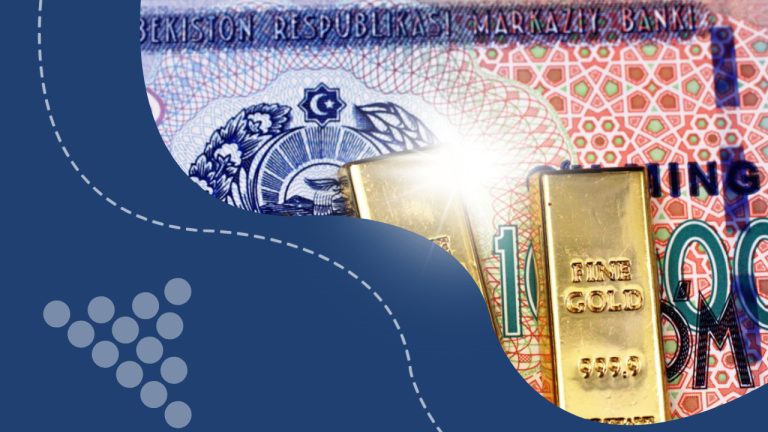
  • In the span of two years, Uzbekistanis have acquired more than 250 kilograms of gold bars

    In the span of two years, Uzbekistanis have acquired more than 250 kilograms of gold bars

    As per the Central Bank’s report, between 2021 and 2023, a total of 3,550 commemorative gold coins, weighing 72 kilograms in total, were issued for sale. These coins come in weights of 15, 20, and 31.1 grams, and they commemorate various themes. Additionally, 3,900 silver coins, with a total weight of 121 kilograms and a weight of 31.1 grams each, were also made available for purchase.

    The population has shown keen interest in acquiring these commemorative coins for numismatics, collecting, investment, and savings purposes. In fact, 83% of the gold coins, totaling 2,951 pieces, and 99% of the silver coins, totaling 3,864 pieces, were purchased by the public.

    Furthermore, during this period, a significant number of standard gold bars, amounting to 13,130 bars with a total weight of 255 kilograms, were sold to the population through trading points. These bars were primarily sought after by individuals looking to invest in and preserve their wealth.

    As of September 1, the population held the following quantities of each type of bar:

    • 5 grams: 3,793 bars, totaling 19 kilograms
    • 10 grams: 3,854 bars, totaling 39 kilograms
    • 20 grams: 2,545 bars, totaling 51 kilograms
    • 50 grams: 2,938 bars, totaling 147 kilograms

    In terms of the volume of sales for standard gold bars, trading points located in Tashkent have emerged as the leaders among regions. The capital city alone accounted for 9,894 bars, representing 75% of the total bars circulated.

    At present, standard gold bars are available for purchase and resale through 151 trading points across the country. It is worth noting that the Central Bank commenced the sale of commemorative gold and silver coins in 2018, marking the beginning of this successful endeavor.

  • Uzbekistan / Work Begins At Two Sites On Tackling Soviet Uranium Mining Legacy

    Uzbekistan / Work Begins At Two Sites On Tackling Soviet Uranium Mining Legacy

    Remediation efforts have commenced at two Soviet uranium mining sites in Uzbekistan, bolstered by a generous €9m ($9.6m) grant. This funding will support crucial activities such as closing mine openings, demolishing derelict facilities used for uranium ore processing, and re-cultivating waste rock areas. The grant originates from the environmental remediation account for Central Asia, established through the initiative of the European Union and managed by the esteemed European Bank for Reconstruction and Development (EBRD).

    The first site undergoing remediation, Yangiabad, is located approximately 75 km east of Uzbekistan’s capital, Tashkent. It spans across a mountainous terrain near the town of Yangiabad and encompasses seven mines. This uranium mining site operated for nearly four decades and covers an extensive area of 50 square kilometers, containing approximately 2.6 million cubic meters of radioactive waste. Once the remediation process is complete, this region, known locally as the Uzbek Alps, will be transformed into an environmentally safe area, fostering the growth of livelihoods and tourism.

    The second site, Charkesar-2 mine, is situated 140 km east of Tashkent and 60 km west of Namangan in the scenic Fergana Valley. This contaminated area, spanning approximately 25 hectares, includes five already remediated waste rock dumps and two abandoned mine shafts. The existing water diversion channels on the site are in a state of disrepair. The remediation work at Charkesar-2 will not only address the environmental concerns but also prevent the dispersal of toxic materials into the river system that serves the Fergana Valley, home to a population of over 15 million people.

    With this recent allocation of funding, the environmental remediation account has now supported the remediation of five out of seven high-priority sites in Central Asia. In addition to the two sites in Uzbekistan, three sites in the Kyrgyz Republic have also received funding. These remediation efforts play a vital role in safeguarding the environment and the well-being of communities in the region, ensuring a sustainable and prosperous future for Central Asia.

    The dedication and support of the European Union and the EBRD in addressing the uranium mining legacy in Uzbekistan exemplify the commitment to environmental responsibility and sustainable development. By remediating these sites, Uzbekistan takes significant strides towards protecting its natural resources, preserving the health of its citizens, and fostering a thriving and resilient economy. The positive impact of these remediation efforts will extend far beyond the borders of Uzbekistan, contributing to the overall well-being of Central Asia as a whole.

  • Navoi Mining & Metallurgy is in the top 5 global gold leaders

    Navoi Mining & Metallurgy is in the top 5 global gold leaders

    The prestigious International analytical center Kitco, based in Canada, has recently released a list of the top 10 largest gold-producing companies worldwide for the first half of 2023. In an exciting announcement by the press service of Navoi Mining & Metallurgy Plant (NGMK), it has been revealed that NGMK has secured the remarkable 5th place, solidifying its position among the global leaders in gold production.

    According to the information provided, NGMK has achieved a production of 1.425 million ounces of gold in the first half of this year, showcasing a notable increase of 2.1 percent compared to the corresponding period last year. The press service also emphasized that NGMK incorporates the Muruntau mine, which stands as one of the largest gold mines globally. Earlier, the plant’s press service had disclosed that the development of the Muruntau mine (Phase V), with an investment of $390 million, will continue in the Navoi region until 2026.

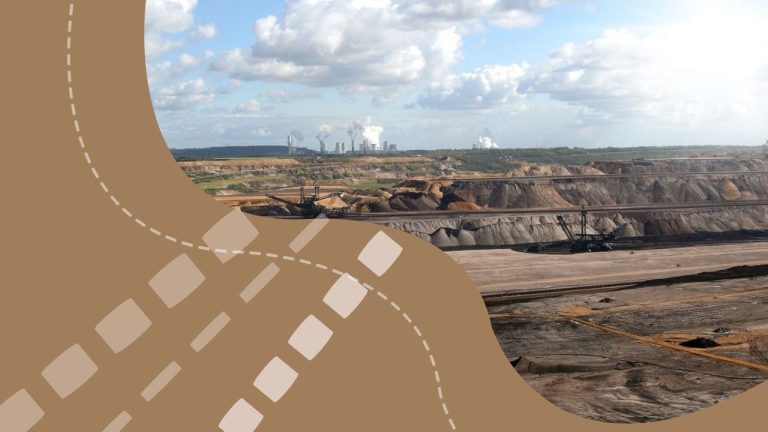
    It is worth recalling that industrial gold mining commenced at this exceptional gold deposit in 1969. The development of this deposit has resulted in the creation of the world’s largest gold mining quarry, boasting impressive dimensions of 3.5 kilometers in length, 2.7 kilometers in width, and a remarkable depth of 600 meters. This underscores the magnitude and scale of the operations carried out at the Muruntau mine, further solidifying NGMK’s position as a prominent player in the global gold mining industry.

  • Uzbekistan developing industrial production cooperation with China

    Uzbekistan developing industrial production cooperation with China

    Uzbekistan’s Almalyk Mining and Metallurgy Plant JSC and China’s Shandong Gold Group Co., Ltd. have inked a memorandum of understanding and cooperation, according to Trend reports.

    The agreement encompasses various aspects, including the in-depth processing of copper, zinc, and other metals, the exploration of mineral resources, and the production of novel products derived from copper, zinc, cadmium, molybdenum, tungsten, and other rare metals.

    Representatives from Shandong Gold Group Co., Ltd. conducted a visit to Almalyk Mining and Metallurgical Plant JSC on September 4 to engage in discussions about potential collaboration for obtaining products through the extensive processing of copper and other precious metals. Almalyk Mining and Metallurgical Complex JSC stands out as one of Uzbekistan’s most lucrative enterprises in the industrial sector, boasting an annual profit of 6.7 trillion soums ($574.3 million) as of 2022. In 2022, AMMC contributed 18.6 trillion soums ($1.6 billion) to the country’s budget.

  • Uzbekistan’s Almalyk exports $465 million worth of products in January-August 2023

    Uzbekistan’s Almalyk exports $465 million worth of products in January-August 2023

    In January-August, Almalyk Mining and Processing Works exported products valued at $465.43 million, up by 0.4% from the forecast.

    In terms of products, 30,012 tons of copper and 17,549 tons of lead products were exported. 446 tons of molybdenum products were exported, the fulfilment of the forecast indicator in this direction amounted to 132.8%.

    Rhenium, copper sulphate, palladium powder, lead concentrate were also delivered to foreign consumers.

    Last year, the geography of exports expanded. Thus, new markets – Spain, Austria, Germany, Finland, Canada, the Republic of South Africa and Senegal were supplied with products worth 14.3 million US Dollars.

  • Almalyk Mining and Metallurgical Complex and a Chinese company have signed a memorandum of understanding and cooperation

    Almalyk Mining and Metallurgical Complex and a Chinese company have signed a memorandum of understanding and cooperation

    On September 5th, an Uzbekistan-China business forum took place in Tashkent, during which an Uzbekistan-China business forum was held, marking the 10th anniversary of the “Belt and Road” initiative and a conference on cooperation and exchange between China (Shandong) and Uzbekistan.

    The aim of these events was to promote joint utilization of the “Belt and Road” opportunities, further strengthen the advantages of cooperation, enhance the level of cooperation, and create a new space for mutually beneficial cooperation at the local level between the Shandong province and Uzbekistan.

    The prestigious event was attended by the leadership and responsible persons of “Almalyk Mining and Metallurgical Complex.”

    During the event, the Chairman of the Board of “Almalyk Mining and Metallurgical Complex” Abdulla Khursanov and the Deputy General Director of “Shandong Gold Group Co., Ltd” Wang Lizhong signed a memorandum of understanding and cooperation. The document covers issues such as deep processing of copper, zinc, and other metals, mineral resource development, production of new products based on copper, zinc, cadmium, molybdenum, tungsten, and other rare metals.

    According to this document, a task was also defined for the joint training of talented technical specialists.

    Representatives of this company visited the Almalyk Mining and Metallurgical Complex on September 4th of this year and discussed issues related to obtaining products through the deep processing of copper and other precious metals.

    The Chinese guests also visited the observation platforms of the “Kalmakyr” mine and the “Yoshlik I” deposit, as well as the under-construction copper beneficiation plant No. 3, according to the information service of AGMK.

    For reference, “Shandong Gold Group Co., Ltd” is a Chinese company specializing in gold mining, ore processing, gold production, mining management, and investments in the mining industry. The company is the second-largest gold producer in China in terms of output.

  • The Scientific and Production Association for Rare Metals and Hard Alloys, a part of AGMK, has achieved an early fulfillment of the annual forecast

    The Scientific and Production Association for Rare Metals and Hard Alloys, a part of AGMK, has achieved an early fulfillment of the annual forecast

    Scientific and Production Association for Rare Metals and Hard Alloys (NPO PRMiTS), a division of Almalyk Mining and Metallurgical Combine, has achieved an early fulfillment of the projected target for the year 2023 on the eve of the 32nd anniversary of Uzbekistan independence.

    In the current year, the labor collective of NPO PRMiTS was tasked with producing industrial products worth 382.3 billion Uzbekistani soms. As of today, industrial products worth 396.0 billion Uzbekistani soms have been actually produced.

    For reference: This structural unit of Almalyk Mining and Metallurgical Combine is located in the city of Chirchik. The enterprise produces tungsten and molybdenum products in the form of oxides, powders, ingots, and briquettes for alloying cast iron and steel. It also produces high-value-added products such as wires of various cross-sections, molybdenum round and flat bars, refractory metal alloys, single crystals of tungsten, molybdenum, and rhenium obtained through powder metallurgy. Additionally, thanks to research and exploration by the association’s specialists, new types of products have been developed. The Uzbek-Korean Scientific and Technological Center operates under the NPO as well.

    It is worth noting separately that this enterprise concluded the first half of the current year with a net profit of 193.7 billion Uzbekistani soms.