Tag: steel industry

  • Celebrating 80 Years of Kazakhstan’s First Steel Production

    Celebrating 80 Years of Kazakhstan’s First Steel Production

    In 2024, Kazakhstan marked the 80th anniversary of its first steel production—a milestone that symbolized resilience and industrial growth. The Kazakh Metallurgical Plant in Temirtau, commissioned during WWII, became a cornerstone of economic development. This achievement was commemorated with events involving metallurgical veterans, youth, and cultural programs.

    Artworks by prominent Kazakh artists capture the essence of the industry. Paintings like Turysyn Abuov’s “Renowned Steelworkers of Temirtau” showcase the grit and passion of metallurgists, while P. Antonyenko’s portraits immortalize their legacy.

    Qarmet, Kazakhstan’s largest steel company, continues this tradition of innovation, aiming for record production by 2028 and investing in modernization efforts. The company’s acquisition by Andrey Lavrentyev in 2023 has sparked reforms, including community projects like restoring Temirtau’s tram system. Qarmet employs 35,000 people and exports to over 40 countries, embodying the enduring spirit of Kazakhstan’s metallurgical industry.

  • ArcelorMittal Reduces Emissions Significantly Through Environmental Investments in Poland

    ArcelorMittal Reduces Emissions Significantly Through Environmental Investments in Poland

    The global steel company ArcelorMittal has invested more than PLN 10.5 billion ($2.6 billion) in its Polish assets over the past 20 years, with a significant portion allocated to environmental projects. According to a press release from ArcelorMittal Poland, these investments have resulted in a 90% reduction in dust emissions and a 42% reduction in carbon dioxide emissions compared to 2004 levels.

    The company’s Polish division has undergone numerous changes in the past two decades, implementing new technologies in compliance with increasingly strict EU directives, decommissioning outdated installations, and modifying many production processes to minimize environmental impact. ArcelorMittal aims to achieve climate neutrality by 2050, with an interim goal of reducing CO2 emissions by 35% at its European plants by 2030 compared to 2018.

    Decarbonization is a huge challenge for the steel industry across Europe,” commented Sanjay Samaddar, President of the Board of ArcelorMittal Poland. “To make it successful, several conditions must be met, including access to large-scale, renewable energy at competitive prices. We know the transformation will be a long-term process, so we are already working intensively to limit our impact on the environment in our current processes.”

    In recent years, ArcelorMittal has invested about PLN 700 million in green projects at the Dąbrowa Górnicza plant. Modernization efforts have also been made at plants in Sosnowiec, Zdzieszowice (PLN 205 million), and Kraków (PLN 100 million), among others. ArcelorMittal Poland plans to invest an additional PLN 165 million ($40.9 million) in modernizing the coke plant in Zdzieszowice, with all work expected to be completed by 2026.

    As reported by GMK Center, in 2023, ArcelorMittal Poland invested PLN 1.5 billion ($363 million) in modernization and growth projects at three facilities to improve product quality, energy efficiency, and plant efficiency, with the largest investment directed towards modernizing the blast furnace in Dąbrowa Górnicza.

  • Kazakhstan Announces Major Industrial Projects to Boost Metal Production

    Kazakhstan Announces Major Industrial Projects to Boost Metal Production

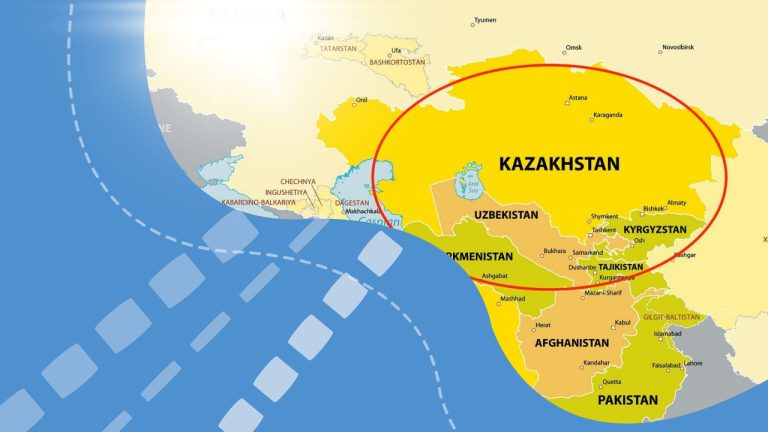
    Kazakhstan is focusing on metal production with several new industrial projects, according to the Ministry of Industry and Construction. Minister Kanat Sharlapayev outlined the details of these initiatives.

    The first project is the Mineral Product International plant, which will produce 160,000 tons of ferrosilicon annually. Additionally, the plant will produce 300,000 tons of direct reduced iron and 1 million tons of steel each year. This metallurgical cluster is currently in the site preparation stage, with construction and installation work underway, including the foundation being laid.

    The second project involves the modernization of Qarmet. Under an agreement with an investor, $3.5 billion will be invested by 2028, including $1.3 billion in 2024. By 2030, the goal is to increase steel production to 5 million tons, coal to 9 million tons, and iron ore concentrate to 5 million tons. The modernization aims to reduce emissions by 20% and increase iron concentrate output. A technical audit of the facility began in March and is expected to conclude in July, with a comprehensive modernization plan to follow.

    The third project is the construction of a new copper smelting plant, which will produce 300,000 tons of refined copper annually. This project is included in the national industrialization roadmap and is currently undergoing a feasibility study.

    The fourth project is the construction of a hot briquetted iron production plant. This project will increase the production of iron ore raw materials from 9.9 million tons to 15.5 million tons per year, enhancing the processing of these materials with high added value. A retail gas supply agreement between the Sokolovsko-Sarbaiskoye Mining and Beneficiation Association and KazTransGas Aimak is in the final stages of signing.

    The fifth project is Polymetal’s plan to build a new autoclave facility in Kazakhstan. This hydrometallurgical plant will process gold-containing high-carbon sulfide concentrates, a task previously impossible in the country. Engineering, geological, and geodetic work is currently underway in the Pavlodar Special Economic Zone.

    As of April 2024, metal production in Kazakhstan has grown by 5.1%. By the end of the year, steel production is expected to reach 4 million tons, smooth rolled products 2.6 million tons, and pig iron 3 million tons.

  • Decarbonizing Asia’s Steel Industry: A Long Road Ahead

    Decarbonizing Asia’s Steel Industry: A Long Road Ahead

    According to Reuters, it’s time to scrutinize the feasibility of decarbonizing Asia’s vast and expanding steel sector. Reducing carbon emissions is possible but requires a phased approach over a longer-than-ideal period and only if incentives are provided. The steel industry, the world’s largest industrial source of carbon dioxide emissions, accounts for about 8% of global emissions, making efforts to decarbonize this sector crucial for achieving net-zero carbon goals.

    This week, representatives from Asia’s iron ore and steel industries gathered in Singapore, revealing both encouraging and discouraging news about decarbonization efforts. The good news is that nearly every market player, from mining companies to steel mills, is taking the issue seriously, investing time, effort, and capital in finding solutions. The bad news is that achieving net-zero emissions by 2050 in Asia seems unattainable with current and foreseeable technologies.

    Another significant obstacle is the current steel pricing structure. There is no real premium for producing low-carbon steel in Asia, and little indication of this changing soon. As it stands, mining companies and steel mills are mainly undertaking decarbonization efforts under voluntary commitments to reduce carbon emissions, driven by shareholder pressure, some government directives, and public demand to mitigate the expected negative impact of climate change.

    While this is positive, it means that any costs incurred for decarbonization are effectively excluded from company profits since there is no financial reward for producing cleaner steel in Asia. The challenge is how to implement incentives for decarbonization, from relatively simple and low-cost initial steps to much more complex and capital-intensive ambitions for zero-emission steel production.

    One potential approach is a multi-tiered incentive system. For example, the base level of carbon emissions might be set at 2.1 metric tons per ton of steel produced using the current method of smelting iron ore fines in a blast furnace followed by a converter. If a steel plant could reduce emissions by one-third, it might be rewarded with a carbon credit or avoid paying a carbon tax of a set amount per ton of reduced emissions.

    Suppose this initial reduction costs $60 per ton, roughly the price of a carbon credit in the European Union. If a steel plant can cut emissions by another third through investments in new processes like using direct reduced iron (DRI) or its transportable equivalent, hot briquetted iron (HBI) in an electric arc furnace (EAF), this reduction could be rewarded with a higher carbon price, say $120 per ton.

    The final steps towards fully decarbonizing steel production using green hydrogen to produce HBI, clean electricity to run EAFs, and eco-friendly shipping fuels like methanol for transporting materials might attract even greater carbon credits to offset the substantial capital required to achieve this.

    STIMULI NECESSARY

    Presentations at this week’s Green Steel Forum in Singapore made it clear: without incentives, only the initial and relatively simple steps towards decarbonization will become a reality. These include maximizing the efficiency of basic oxygen furnaces, increasing the use of higher-quality iron ore and agglomerates like DRI and HBI, boosting the use of recycled steel in EAFs, and decarbonizing iron ore mining by limiting diesel power at remote mines and electrifying vehicles and trains.

    The problem is that these efforts are likely to reduce only about 20% of global steel emissions. Further steps include using natural gas to process low-grade iron ore into DRI and HBI for use in more advanced converters or even EAFs, then transitioning this process to green hydrogen. This is where costs become significant, and shareholders are likely to question the benefits.

    Ultimately, to push steel decarbonization beyond the low-hanging fruit, a pricing incentive is needed, and the market alone is unlikely to provide this, as costs will likely outweigh climate concerns for most consumers. This necessitates implementing policies like carbon taxes or carbon credits, ideally coordinated across many countries, particularly the largest iron ore exporters—Australia, Brazil, and South Africa—as well as China, which produces half of the world’s steel, and new major producers like India.

  • ArcelorMittal Poland Invests in Coke Plant Modernization for Environmental Impact Reduction

    ArcelorMittal Poland Invests in Coke Plant Modernization for Environmental Impact Reduction

    ArcelorMittal Poland, the Polish arm of the global steel giant ArcelorMittal, has disclosed plans to invest PLN 165 million ($40.9 million) in the modernization of its coke plant located in Zdzieszowice, as outlined in the company’s official statement. According to the press release, the ongoing modernization efforts at ArcelorMittal Poland’s Zdzieszowice coke plant have already reached the halfway mark. Notable upgrades include the construction of a 90-meter chimney, installation of new gas pipelines, and the initiation of a nitrogen oxide reduction unit for each of the Combined Heat and Power (CHP) boilers utilizing treated coke oven gas. The subsequent phase involves the modernization of three coke oven batteries and the decommissioning of an outdated chimney. All activities are slated for completion by 2026. Wojciech Koszuta, CEO of ArcelorMittal Poland, underscores the company’s commitment to reducing its environmental footprint amid the steel industry’s decarbonization challenges. While aiming for carbon neutrality by 2050, Koszuta emphasizes the interim importance of coke for blast furnaces, necessitating emission reduction measures at the Zdzieszowice plant. In a strategic move, ArcelorMittal Poland placed one of its coke oven batteries at the Kraków facility into hot mothballing by the end of 2023. This decision, driven by factors such as diminished coke demand and the pricing dynamics between coking coal and coke, aligns with the company’s optimization objectives. Previously, in 2023, ArcelorMittal Poland allocated PLN 1.5 billion ($363 million) towards modernization and expansion initiatives across three plants, aimed at enhancing product quality, energy efficiency, and overall operational efficacy. Notably, substantial investment was directed towards upgrading the blast furnace in Dąbrowa Górnicza.

  • Ukrainian Steel Industry Embraces Digital Transformation for Environmental Sustainability

    Ukrainian Steel Industry Embraces Digital Transformation for Environmental Sustainability

    In a bid to enhance environmental sustainability, Yuriy Ryzhenkov, CEO of Metinvest Group, emphasizes the pivotal role of digital technologies in revolutionizing the Ukrainian steel industry. Speaking at the B7 Italy 2024 conference, Ryzhenkov highlighted the transformative potential of IT and artificial intelligence (AI) in steering traditional sectors towards greener practices.

    Ryzhenkov underscored the remarkable strides made by the Ukrainian steel sector, leveraging AI and analytics to bolster process efficiency. Notably, Azovstal surpassed competitors in 2021, courtesy of AI applications, while augmented reality expedited maintenance tasks and advanced computer vision systems elevated product quality standards. Despite the challenges posed by geopolitical tensions, internal data management systems ensured operational continuity during tumultuous times.

    Acknowledging the global momentum towards environmental initiatives like the Green Deal, Ryzhenkov emphasized the indispensable role of metallurgy in this trajectory. While the industry grapples with traditional frameworks, digitalization emerges as a catalyst for fostering sustainability, efficiency, and competitiveness. Ryzhenkov stressed the necessity of integrating digital and green transitions within heavy industries to align with evolving global paradigms.

    However, Ryzhenkov cautioned against the inherent challenges in navigating this transition, citing a shortage of IT specialists adept at facilitating transformation. The evolving landscape necessitates a paradigm shift in talent acquisition, with Metinvest now training IT professionals to spearhead green and digital initiatives, marking a significant departure from conventional recruitment strategies.

    The B7 Italy 2024 conference, hosted by Confindustria, provided a platform for dialogue among G7 nations’ businesses and governments, amplifying discussions on sustainable industrial practices. Amidst geopolitical uncertainties, Ryzhenkov reaffirmed Metinvest’s unwavering commitment to green strategies, aligning with Ukraine’s accelerated pursuit of EU integration.

  • ArcelorMittal’s European Head Casts Doubt on Feasibility of Green Hydrogen for Steel Production

    ArcelorMittal’s European Head Casts Doubt on Feasibility of Green Hydrogen for Steel Production

    Gert van Poelwrode, the head of ArcelorMittal’s European division, has expressed skepticism regarding the practicality of utilizing green hydrogen for steel production within the EU. Despite receiving substantial subsidies for relevant equipment, he suggested that importing Direct Reduced Iron (DRI) might be a more viable option for producing low-carbon steel.

    According to van Poelwrode, the high cost of “green” hydrogen in Europe could render it economically unfeasible for steel plants. He emphasized concerns about market competitiveness and the potential exclusion from international markets should they opt for hydrogen-based steel production.

    While policymakers advocate for decarbonization efforts in the steel sector through the utilization of DRI produced with “green” hydrogen, van Poelwrode’s comments underscore apprehensions that ArcelorMittal’s planned installations may not immediately adopt this approach, despite substantial government subsidies.

    The company anticipates significant grants from various European governments to facilitate the transition to “green” steel production, with an estimated total subsidy amounting to €1.65 billion. However, van Poelwrode noted that cost-effective hydrogen pricing, around €2/kg, is essential to ensure the competitiveness of low-carbon steel derived from it, even with progressive carbon emission taxes in Europe.

    Furthermore, he highlighted the challenges of green hydrogen production costs in Europe, which can reach €6-7/kg under current electrolysis schemes. Importing “green” hydrogen, although cheaper in regions like Africa, would still incur substantial transportation costs, approximately €1.5/kg.

    The decarbonization of the steel industry remains a pivotal issue in 2024, with the availability of environmentally friendly hydrogen and competitively priced renewable energy playing crucial roles in the process.

  • Stahlwerk Thueringen and Ferngas Unite for Hydrogen-Powered Steel

    Stahlwerk Thueringen and Ferngas Unite for Hydrogen-Powered Steel

    German mining and metals company Stahlwerk Thueringen GmbH, in collaboration with gas network operator Ferngas Netzgesellschaft mbH, is set to revolutionize the steel industry.
    This partnership aims to connect a prominent steel plant in the Thuringia state of Germany to the nation’s ambitious hydrogen network, propelling the industry towards a greener era.

    The visionary collaboration between Stahlwerk Thueringen and Ferngas entails the establishment of a robust hydrogen infrastructure to supply the steel plant with this clean energy source. At the heart of this endeavor lies the conversion of an existing 70-kilometer natural gas pipeline, stretching from Erfurt to Unterwellenborn, where the steel plant is strategically situated. This transformation represents more than just a technological advancement—it embodies a paradigm shift towards a sustainable future for steel production.

    With an unwavering commitment to decarbonization, Stahlwerk Thueringen has already incorporated renewable electricity into its operations. The introduction of green hydrogen through the network infrastructure takes this commitment to an entirely new level. The hydrogen, supplied via pipeline, will progressively replace the reliance on natural gas in the plant’s production processes. In an initial phase, hydrogen is projected to constitute over 50% of the natural gas volume, with its share expected to grow steadily over time.

    Alexander Stolze, the head of procurement at Stahlwerk Thueringen, highlighted the profound implications of this collaboration. “Connecting to the hydrogen network will preserve our competitiveness and strengthen Stahlwerk Thueringen as a hub for low-emission steel production,” Stolze emphasized. This sentiment underscores the transformative potential of this endeavor, not only for the company but for the steel industry as a whole.

    Stahlwerk Thueringen, a part of Brazil’s CSN Group since 2012, stands at the forefront of innovation, exemplifying the harmony between industrial prowess and environmental responsibility. By embracing green hydrogen as a pivotal energy source, the company is trailblazing a path towards a more sustainable future, aligning with Germany’s broader vision of a carbon-neutral economy.